




Visi raksti
 All the Things You Need to Know About Healthy Sitting Posture at Work
You don’t have to accept back pain as part of your workday. Good posture is important for your health and productivity. It helps reduce strain on your spine, increases your energy, and prevents joint injuries. The best approach is to build healthy habits and use supportive seating. Here’s how you can set up your workspace for comfort and focus.
What is Ergonomic Posture? Meaning and Benefits
The Hidden Costs of Poor Alignment
Many people don’t realize how much a typical office setup can affect their bodies. Slouching at your desk can put pressure on your spine, make it harder to breathe, and slow your digestion. Over time, this can lead to back pain, headaches, and fatigue. To feel better at work, it’s important to learn about posture and how your body moves.
Ergonomic Posture: Meaning and Benefits
What does ergonomic posture mean, and why is it helpful? It means keeping your body in a natural, relaxed position. This reduces tired muscles and takes pressure off your joints. You’ll notice fewer headaches, less back pain, and better blood flow in your legs. With a good setup, your muscles don’t have to work extra hard to keep you upright, so you can stay focused and avoid feeling tired in the afternoon.
Proper Sitting Posture for Office Workers: A Step-by-Step Guide
Just reminding yourself to “sit up straight” isn’t enough. Good sitting posture means your whole body works together with your desk, monitor, and chair. Here’s how to get it right from head to toe.
Spinal Alignment and Sitting Position in Front of Computer Ergonomics
When you set up your computer workspace, start by making sure your monitor is at eye level and about an arm’s length away. This helps keep your neck straight and avoids strain. Sit with your hips all the way back in your chair. If you have an adjustable chair, set the seat depth so your back is supported and there’s a small gap between the seat and the back of your knees.
Feet, Legs, and Circulation
Your lower body matters for posture. Keep your knees at or just below hip level, and keep your feet flat on the floor. If your feet don’t reach, use a footrest. Try not to cross your legs, since it can twist your hips and reduce circulation, which may cause numbness or discomfort.
Ergonomic Armrests for Shoulder Relief and Posture
Pay attention to your arms and wrists. Keep your elbows close to your sides at a natural angle, about 90 to 100 degrees. Good armrests help support your arms and take pressure off your neck and shoulders. Place your keyboard and mouse so your wrists stay straight, not bent up or down.
Why Your Office Chair is Your Most Important Tool
Healthy habits are important, but your chair matters just as much. If your seat is stiff and doesn’t support you, it’s hard to keep good posture all day.
The Search for the Best Ergonomic Chair for Long Hours
If you spend many hours at your desk, you need a chair that’s made for long use. The best ergonomic chairs move with you and support your spine’s natural curve as you shift positions. Investing in a chair with lumbar support is a smart choice for your health and comfort, whether you work at home or in an office.
Advanced Support: The Science of Lumbar Tracking
Regular lumbar support doesn’t always work well because we move a lot during the day. An adaptive lumbar chair adjusts as you change positions, like when you lean forward or recline. Some chairs have three zones of support that fit the shape of your lower back and give relief to your muscles, spine, and pelvis. This way, your spine always gets the support it needs, no matter how you sit.
Hbada Ergonomic Chair Comparison: Elevate Your Workspace
We focus on creating chairs that support your health and help you work at your best. Whether you want a top ergonomic chair or a simple, lightweight option for your home office, our products are designed to deliver. Here’s a comparison to help you choose what’s right for your workspace.
Product Model
Ideal User Scenario
Key Ergonomic Features
Lumbar Support Technology
Hbada E3 Air
Home Office / Remote Workers
Breathable mesh, dynamic tilt, ergonomic armrests for shoulder relief and posture.
Standard Dynamic Lumbar
Hbada E3 Pro
Intensive Desk Work / Corporates
Premium / advanced ergonomic features, gravity-sensing recline, ultimate comfort.
best ergonomic chair with 3-zone lumbar support
Hbada AI-Powered X7
Tech Enthusiasts / Posture Focus
Bio-synchronized tracking, real-time posture correction, AI health monitoring.
Adaptive lumbar tracking ergonomic chair
If you want to improve your posture, some new chairs give real-time feedback to help you adjust while you work. Some use smart technology to guide you, while others offer strong, multi-zone support for comfort all day. Consider which features are most important to you, like active feedback or steady support.
Frequently Asked Questions About Healthy Sitting
Q: How often should I take breaks from sitting at my desk?A: Even with perfect posture, sitting still for extended periods restricts blood flow and stiffens your muscles. You should stand, stretch, or walk for at least five minutes every single hour.
Q: Can a high-quality chair actually correct my bad posture?A: A chair cannot forcefully lock you into perfect posture, but it provides the necessary biomechanical foundation. An ergonomic chair gently guides your spine into proper alignment and greatly reduces the muscular effort needed to sit upright.
Q: How do I know if my chair’s lumbar support is positioned correctly?A: Your lumbar support should fit seamlessly into the deepest inward curve of your lower back, resting just above your belt line. It should feel highly supportive but never intrusive. If it pushes your pelvis too far forward or feels too high up on your ribcage, you must adjust the height immediately.
Q: Are armrests strictly necessary for a home office chair?A: Yes, adjustable armrests are crucial for long-term comfort. Without them, the entire weight of your arms pulls down on your delicate neck and shoulder muscles, leading to severe tension.
Q: What makes an adaptive lumbar system better than standard support?A: Standard lumbar support is completely static; it only works when you sit perfectly still in one highly specific position. An adaptive lumbar system moves dynamically with your body.
Conclusion
Mastering your desk posture is an ongoing, vital commitment to your physical health. Improving your desk posture is important for your health, focus, and comfort at work. When you sit correctly and use supportive equipment, you can avoid pain and discomfort during your workday. Don’t accept aches and fatigue as normal. Check your workspace, make these changes, and choose an ergonomic setup that supports you.For more information, please click to:
https://www.hbada.eu/products/e3-air-ergonomic-office-chair
https://www.hbada.eu/products/e3-pro-ergonomic-office-chair
https://www.hbada.eu/products/hbada-x7-smart-ergonomic-chair
Apr 27, 2026
All the Things You Need to Know About Healthy Sitting Posture at Work
You don’t have to accept back pain as part of your workday. Good posture is important for your health and productivity. It helps reduce strain on your spine, increases your energy, and prevents joint injuries. The best approach is to build healthy habits and use supportive seating. Here’s how you can set up your workspace for comfort and focus.
What is Ergonomic Posture? Meaning and Benefits
The Hidden Costs of Poor Alignment
Many people don’t realize how much a typical office setup can affect their bodies. Slouching at your desk can put pressure on your spine, make it harder to breathe, and slow your digestion. Over time, this can lead to back pain, headaches, and fatigue. To feel better at work, it’s important to learn about posture and how your body moves.
Ergonomic Posture: Meaning and Benefits
What does ergonomic posture mean, and why is it helpful? It means keeping your body in a natural, relaxed position. This reduces tired muscles and takes pressure off your joints. You’ll notice fewer headaches, less back pain, and better blood flow in your legs. With a good setup, your muscles don’t have to work extra hard to keep you upright, so you can stay focused and avoid feeling tired in the afternoon.
Proper Sitting Posture for Office Workers: A Step-by-Step Guide
Just reminding yourself to “sit up straight” isn’t enough. Good sitting posture means your whole body works together with your desk, monitor, and chair. Here’s how to get it right from head to toe.
Spinal Alignment and Sitting Position in Front of Computer Ergonomics
When you set up your computer workspace, start by making sure your monitor is at eye level and about an arm’s length away. This helps keep your neck straight and avoids strain. Sit with your hips all the way back in your chair. If you have an adjustable chair, set the seat depth so your back is supported and there’s a small gap between the seat and the back of your knees.
Feet, Legs, and Circulation
Your lower body matters for posture. Keep your knees at or just below hip level, and keep your feet flat on the floor. If your feet don’t reach, use a footrest. Try not to cross your legs, since it can twist your hips and reduce circulation, which may cause numbness or discomfort.
Ergonomic Armrests for Shoulder Relief and Posture
Pay attention to your arms and wrists. Keep your elbows close to your sides at a natural angle, about 90 to 100 degrees. Good armrests help support your arms and take pressure off your neck and shoulders. Place your keyboard and mouse so your wrists stay straight, not bent up or down.
Why Your Office Chair is Your Most Important Tool
Healthy habits are important, but your chair matters just as much. If your seat is stiff and doesn’t support you, it’s hard to keep good posture all day.
The Search for the Best Ergonomic Chair for Long Hours
If you spend many hours at your desk, you need a chair that’s made for long use. The best ergonomic chairs move with you and support your spine’s natural curve as you shift positions. Investing in a chair with lumbar support is a smart choice for your health and comfort, whether you work at home or in an office.
Advanced Support: The Science of Lumbar Tracking
Regular lumbar support doesn’t always work well because we move a lot during the day. An adaptive lumbar chair adjusts as you change positions, like when you lean forward or recline. Some chairs have three zones of support that fit the shape of your lower back and give relief to your muscles, spine, and pelvis. This way, your spine always gets the support it needs, no matter how you sit.
Hbada Ergonomic Chair Comparison: Elevate Your Workspace
We focus on creating chairs that support your health and help you work at your best. Whether you want a top ergonomic chair or a simple, lightweight option for your home office, our products are designed to deliver. Here’s a comparison to help you choose what’s right for your workspace.
Product Model
Ideal User Scenario
Key Ergonomic Features
Lumbar Support Technology
Hbada E3 Air
Home Office / Remote Workers
Breathable mesh, dynamic tilt, ergonomic armrests for shoulder relief and posture.
Standard Dynamic Lumbar
Hbada E3 Pro
Intensive Desk Work / Corporates
Premium / advanced ergonomic features, gravity-sensing recline, ultimate comfort.
best ergonomic chair with 3-zone lumbar support
Hbada AI-Powered X7
Tech Enthusiasts / Posture Focus
Bio-synchronized tracking, real-time posture correction, AI health monitoring.
Adaptive lumbar tracking ergonomic chair
If you want to improve your posture, some new chairs give real-time feedback to help you adjust while you work. Some use smart technology to guide you, while others offer strong, multi-zone support for comfort all day. Consider which features are most important to you, like active feedback or steady support.
Frequently Asked Questions About Healthy Sitting
Q: How often should I take breaks from sitting at my desk?A: Even with perfect posture, sitting still for extended periods restricts blood flow and stiffens your muscles. You should stand, stretch, or walk for at least five minutes every single hour.
Q: Can a high-quality chair actually correct my bad posture?A: A chair cannot forcefully lock you into perfect posture, but it provides the necessary biomechanical foundation. An ergonomic chair gently guides your spine into proper alignment and greatly reduces the muscular effort needed to sit upright.
Q: How do I know if my chair’s lumbar support is positioned correctly?A: Your lumbar support should fit seamlessly into the deepest inward curve of your lower back, resting just above your belt line. It should feel highly supportive but never intrusive. If it pushes your pelvis too far forward or feels too high up on your ribcage, you must adjust the height immediately.
Q: Are armrests strictly necessary for a home office chair?A: Yes, adjustable armrests are crucial for long-term comfort. Without them, the entire weight of your arms pulls down on your delicate neck and shoulder muscles, leading to severe tension.
Q: What makes an adaptive lumbar system better than standard support?A: Standard lumbar support is completely static; it only works when you sit perfectly still in one highly specific position. An adaptive lumbar system moves dynamically with your body.
Conclusion
Mastering your desk posture is an ongoing, vital commitment to your physical health. Improving your desk posture is important for your health, focus, and comfort at work. When you sit correctly and use supportive equipment, you can avoid pain and discomfort during your workday. Don’t accept aches and fatigue as normal. Check your workspace, make these changes, and choose an ergonomic setup that supports you.For more information, please click to:
https://www.hbada.eu/products/e3-air-ergonomic-office-chair
https://www.hbada.eu/products/e3-pro-ergonomic-office-chair
https://www.hbada.eu/products/hbada-x7-smart-ergonomic-chair
Apr 27, 2026
 What Is the Best Office Chair for Herniated Disc & Lower Back Pain?
A herniated disc can turn a regular eight-hour workday into a real challenge. When the soft center of a spinal disc pushes through its outer layer, it can press on nerves and cause pain or numbness. Medical treatment is important, but your chair also plays a big role in how much stress your spine faces each day. Choosing the right office chair for herniated disc support is not just about comfort. It is about helping your spine decompress and stay properly aligned.
Understanding the Impact of Sitting on Spinal Discs
Sitting puts more pressure on your spinal discs than standing or walking does. If you already have a disc injury, a bad chair can make things worse. For healing, your spine needs a neutral position where pressure is evenly distributed, not focused on the injured area.
Chair Features That Reduce Spinal Compression
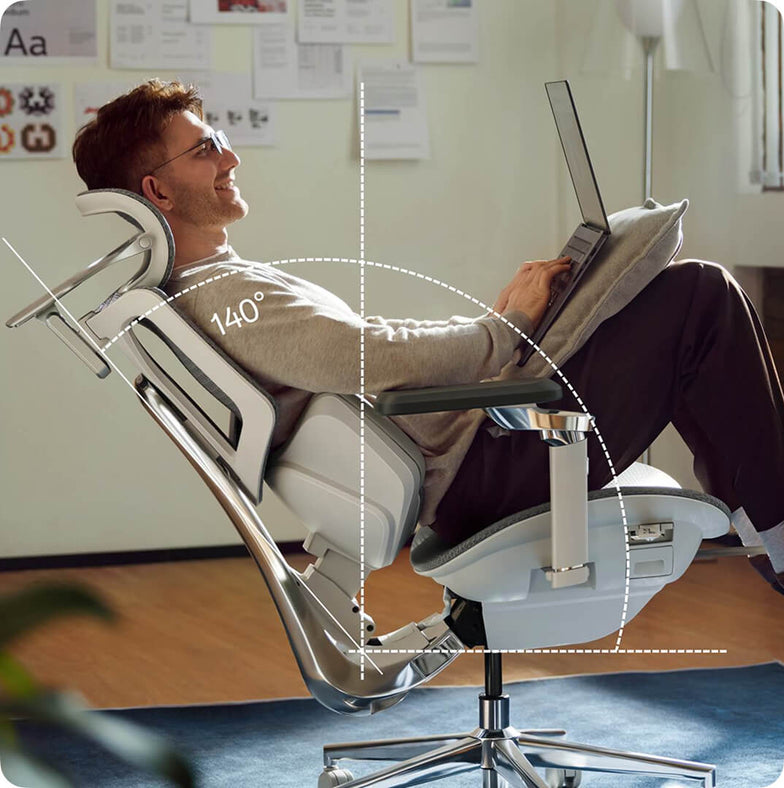
To reduce back pain while sitting at work, look for chairs that distribute pressure evenly across your spine. The key feature is a backrest that moves with you, allowing small adjustments. A stiff chair keeps your spine still, limiting blood flow and preventing your discs from rehydrating. Choose chairs with good gas lifts and recline features that let you lean back a bit. Sitting at a 100- to 110-degree angle helps take pressure off your lower back.
Lumbar Support vs. No Lumbar Support for Back Pain
In the debate of lumbar support vs no lumbar support for back pain, the science is clear: the human spine has a natural inward curve called lordosis. Without support, your back eventually flattens against the chair, causing the discs to bulge outward. An ergonomic office chair with lumbar support for back pain fills this gap, maintaining the natural curve and ensuring that the weight of your upper body is supported by the chair’s structure rather than your sensitive spinal nerves.
Master the Best Sitting Position for a Herniated Disc at the Computer
Even the best chair works best when you know how to sit properly. Learning the right way to sit with a herniated disc is key to long-term recovery.
The Foundation of Proper Alignment
The right sitting position for a herniated disc starts with your feet flat on the floor to keep your pelvis steady. Your knees should be bent to 90 degrees, slightly below your hips. This open hip angle helps keep your lower back’s natural curve. Make sure your monitor is at eye level to avoid neck strain, which can strain your upper and lower back.
Refining Your Daily Habits
The best sitting posture for a herniated disc in office work involves “active sitting.” This means you should shift your position frequently and utilize the full depth of your seat. Ensure your lower back is always in contact with the lumbar pad. If you feel yourself slouching forward, your chair’s seat depth might be too long. A proper ergonomic chair setup for herniated disc support allows for 2 fingers' width between the seat edge and the backs of your knees.
Why Hbada Technology Is the Solution for Back Pain
At Hbada, we focus on making chairs that move with your body. Our 'Bio-Synchronized' seating is designed to support you as you move. When you look for the best ergonomic chair for lower back pain, our chairs stand out because they address the main cause of pain: constant pressure.
How Lumbar Support Helps Lower Back Pain
You may ask how lumbar support helps with lower back pain from disc problems. Our adaptive tracking technology moves with you as you lean. Unlike fixed supports, our 3-zone dynamic system follows your spine. So whether you are typing or leaning back, your lower back is always supported. This steady support acts like a brace, taking pressure off the disc and letting your muscles relax.
The Role of Armrests in Spinal Health
Many people forget that their arms are heavy. Without support, your shoulders pull forward, which rounds your back and compresses your spine. A premium ergonomic chair with full-arm support adjustment lets you bring the armrests close to your body. This helps support the weight of your upper limbs, preventing the downward pull that can aggravate a herniated disc. Our 5D and 720° armrest systems ensure that no matter how you work, your shoulders remain neutral.
Comparison of Hbada Ergonomic Solutions
The right chair for you depends on the level of pain you have and your daily work routine. Here is how our main models help support your spine.
Model
Primary Technology
Best For
Support Level
Hbada E3
Dynamic Lumbar Tracking
Daily Prevention
High
Hbada E3 Pro
3-Zone Dynamic Support
Chronic Lower Back Pain
Professional
Hbada AI-Powered
Bio-Synchronized AI
Herniated Disc Recovery
Ultimate
The Hbada E3 Pro is often considered our best chair for lower back pain because its 3-zone support wraps around your lower back and stabilizes it from multiple angles. If you are recovering, our AI-Powered series offers real-time posture correction to help you avoid bad sitting habits.
Frequently Asked Questions (FAQ)
Q: Can a new office chair heal a herniated disc?A: A chair cannot cure a herniated disc, but it is an important part of your recovery. Using the right office chair for herniated disc support lowers the daily stress on your spine and helps your disc heal. It also helps break the cycle of reinjury caused by poor posture.
Q: How often should I take breaks if I have a disc injury?A: Even if you have a top ergonomic chair with adjustable armrests, you should stand up every 30 to 45 minutes. Moving around helps spinal fluid flow, which brings nutrients to your discs. Use your chair’s recline feature often to shift pressure on your back.
Q: Is a hard or soft seat better for lower back pain?A: A medium-firm seat is usually best. If a seat is too soft, your pelvis tilts backward, which flattens your lower back and puts more pressure on your discs. A firm, shaped seat keeps your pelvis in a good position and works well with your ergonomic chair for herniated disc support.
Q: Why does my pain get worse at the end of the day?A: This usually happens because of postural fatigue. As your muscles get tired, you start to slouch. This is when lumbar support really helps. The chair keeps your spine in line even when your muscles are tired.
Conclusion
A herniated disc does not have to stop you from being productive. By using the right sitting position and an orthopedically designed chair, you can reclaim your workday. Your spine is the base of your health, so do not let a basic chair put it at risk. Choose a chair with active tracking, 3-zone support, and full adjustability. Try an Hbada ergonomic chair today and feel the relief of real support.For more information, please click here:
https://www.hbada.eu/products/e3-pro-ergonomic-office-chair
https://www.hbada.eu/products/hbada-x7-smart-ergonomic-chair
Apr 27, 2026
What Is the Best Office Chair for Herniated Disc & Lower Back Pain?
A herniated disc can turn a regular eight-hour workday into a real challenge. When the soft center of a spinal disc pushes through its outer layer, it can press on nerves and cause pain or numbness. Medical treatment is important, but your chair also plays a big role in how much stress your spine faces each day. Choosing the right office chair for herniated disc support is not just about comfort. It is about helping your spine decompress and stay properly aligned.
Understanding the Impact of Sitting on Spinal Discs
Sitting puts more pressure on your spinal discs than standing or walking does. If you already have a disc injury, a bad chair can make things worse. For healing, your spine needs a neutral position where pressure is evenly distributed, not focused on the injured area.
Chair Features That Reduce Spinal Compression
To reduce back pain while sitting at work, look for chairs that distribute pressure evenly across your spine. The key feature is a backrest that moves with you, allowing small adjustments. A stiff chair keeps your spine still, limiting blood flow and preventing your discs from rehydrating. Choose chairs with good gas lifts and recline features that let you lean back a bit. Sitting at a 100- to 110-degree angle helps take pressure off your lower back.
Lumbar Support vs. No Lumbar Support for Back Pain
In the debate of lumbar support vs no lumbar support for back pain, the science is clear: the human spine has a natural inward curve called lordosis. Without support, your back eventually flattens against the chair, causing the discs to bulge outward. An ergonomic office chair with lumbar support for back pain fills this gap, maintaining the natural curve and ensuring that the weight of your upper body is supported by the chair’s structure rather than your sensitive spinal nerves.
Master the Best Sitting Position for a Herniated Disc at the Computer
Even the best chair works best when you know how to sit properly. Learning the right way to sit with a herniated disc is key to long-term recovery.
The Foundation of Proper Alignment
The right sitting position for a herniated disc starts with your feet flat on the floor to keep your pelvis steady. Your knees should be bent to 90 degrees, slightly below your hips. This open hip angle helps keep your lower back’s natural curve. Make sure your monitor is at eye level to avoid neck strain, which can strain your upper and lower back.
Refining Your Daily Habits
The best sitting posture for a herniated disc in office work involves “active sitting.” This means you should shift your position frequently and utilize the full depth of your seat. Ensure your lower back is always in contact with the lumbar pad. If you feel yourself slouching forward, your chair’s seat depth might be too long. A proper ergonomic chair setup for herniated disc support allows for 2 fingers' width between the seat edge and the backs of your knees.
Why Hbada Technology Is the Solution for Back Pain
At Hbada, we focus on making chairs that move with your body. Our 'Bio-Synchronized' seating is designed to support you as you move. When you look for the best ergonomic chair for lower back pain, our chairs stand out because they address the main cause of pain: constant pressure.
How Lumbar Support Helps Lower Back Pain
You may ask how lumbar support helps with lower back pain from disc problems. Our adaptive tracking technology moves with you as you lean. Unlike fixed supports, our 3-zone dynamic system follows your spine. So whether you are typing or leaning back, your lower back is always supported. This steady support acts like a brace, taking pressure off the disc and letting your muscles relax.
The Role of Armrests in Spinal Health
Many people forget that their arms are heavy. Without support, your shoulders pull forward, which rounds your back and compresses your spine. A premium ergonomic chair with full-arm support adjustment lets you bring the armrests close to your body. This helps support the weight of your upper limbs, preventing the downward pull that can aggravate a herniated disc. Our 5D and 720° armrest systems ensure that no matter how you work, your shoulders remain neutral.
Comparison of Hbada Ergonomic Solutions
The right chair for you depends on the level of pain you have and your daily work routine. Here is how our main models help support your spine.
Model
Primary Technology
Best For
Support Level
Hbada E3
Dynamic Lumbar Tracking
Daily Prevention
High
Hbada E3 Pro
3-Zone Dynamic Support
Chronic Lower Back Pain
Professional
Hbada AI-Powered
Bio-Synchronized AI
Herniated Disc Recovery
Ultimate
The Hbada E3 Pro is often considered our best chair for lower back pain because its 3-zone support wraps around your lower back and stabilizes it from multiple angles. If you are recovering, our AI-Powered series offers real-time posture correction to help you avoid bad sitting habits.
Frequently Asked Questions (FAQ)
Q: Can a new office chair heal a herniated disc?A: A chair cannot cure a herniated disc, but it is an important part of your recovery. Using the right office chair for herniated disc support lowers the daily stress on your spine and helps your disc heal. It also helps break the cycle of reinjury caused by poor posture.
Q: How often should I take breaks if I have a disc injury?A: Even if you have a top ergonomic chair with adjustable armrests, you should stand up every 30 to 45 minutes. Moving around helps spinal fluid flow, which brings nutrients to your discs. Use your chair’s recline feature often to shift pressure on your back.
Q: Is a hard or soft seat better for lower back pain?A: A medium-firm seat is usually best. If a seat is too soft, your pelvis tilts backward, which flattens your lower back and puts more pressure on your discs. A firm, shaped seat keeps your pelvis in a good position and works well with your ergonomic chair for herniated disc support.
Q: Why does my pain get worse at the end of the day?A: This usually happens because of postural fatigue. As your muscles get tired, you start to slouch. This is when lumbar support really helps. The chair keeps your spine in line even when your muscles are tired.
Conclusion
A herniated disc does not have to stop you from being productive. By using the right sitting position and an orthopedically designed chair, you can reclaim your workday. Your spine is the base of your health, so do not let a basic chair put it at risk. Choose a chair with active tracking, 3-zone support, and full adjustability. Try an Hbada ergonomic chair today and feel the relief of real support.For more information, please click here:
https://www.hbada.eu/products/e3-pro-ergonomic-office-chair
https://www.hbada.eu/products/hbada-x7-smart-ergonomic-chair
Apr 27, 2026
 Best Ergonomic Chairs for Small Apartments in 2026
Introduction
Limited space doesn’t mean compromising posture. Compact ergonomic chairs offer complete support without crowding your room. In 2026, leading chairs feature smart design, space-saving profiles, and strong posture support, so you can work efficiently and protect your spine.
What Makes a Chair Ideal for Small Apartments
Compact Footprint Without Compromising Ergonomics
Choose a chair that balances small size and comfort. Look for these features:
· Slim backrests and space-saving bases
· Foldable or flip-up armrests
· Lightweight frames for easy repositioning
Your chair should fit under your desk and support good posture, even for long hours.
Multi-Functional Adjustability
In a small space, versatility is key. Pick a chair that adjusts as you move between tasks.
· Sitting position in front of the computer
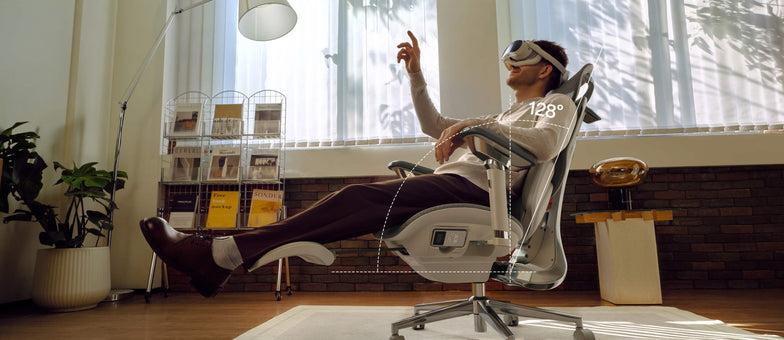
· Relaxed reclining for reading
· Upright posture for focused work
These chairs adjust for any activity, reducing the need for extra furniture.
Ergonomic Posture Meaning and Why It Matters
Ergonomic posture means keeping your spine aligned while sitting. This reduces strain on muscles, joints, and spinal discs.
Poor posture leads to:
· Lower back compression
· Shoulder tension
· Neck fatigue
Modern ergonomic chairs guide your body into proper posture for students and professionals.
HBADA chairs are engineered to adapt to your body instead of forcing a fixed position, improving long-term spinal health.
Key Features to Look for in the Best Ergonomic Chair
Intelligent Lumbar Support
Your lumbar region bears the most pressure when you sit. That's why top chairs now offer:
· Automatic waist tracking
· Bio-synchronized support systems
· 3-zone lumbar structures
HBADA's latest models use adaptive lumbar systems that adjust as you move, ensuring support.
Ergonomic Armrests for Shoulder Relief
Arm support affects shoulder and back comfort. Seek chairs with height-adjustable armrests.
· Forward/backwards sliding.
· Rotation and tilt functions.
Set your chair’s armrests so your elbows are at 90 degrees. This small change can ease shoulder tension and make typing easier.
Breathable and Space-Efficient Materials
Mesh-backed chairs are very popular in 2026, and there are good reasons for that:
· High airflow for long sitting sessions
· Reduced bulk compared to foam chairs
· Even pressure distribution
Advanced mesh materials let air flow much better than traditional chair fabrics.
Smart Adjustment Technology
AI-powered chairs are redefining ergonomics:
· Real-time posture tracking
· Automatic lumbar positioning
· Minimal manual adjustments
Some models have built-in sensors that monitor how you sit and adjust the support to keep you in good alignment without any extra effort.
Best HBADA Ergonomic Chairs for Small Apartments (2026)
Product Comparison Table
HBADA E3 Pro 2026
Long work hours
3-zone lumbar, 6D armrests, headrest
Medium footprint
Adaptive support
HBADA E3 Air 2026
Compact spaces
Lightweight mesh, slim design
High
Manual + adaptive
HBADA X7 AI Chair
Premium users
AI lumbar tracking, massage, sensors
Medium
Fully automated
HBADA P2 Ergonomic Chair
Budget-friendly
Basic lumbar support, foldable arms
High
Manual
How to Choose the Right Chair for Your Space.
Measure Your Workspace First
Before choosing a chair, take a few quick measurements:
· Check desk height
· Measure floor clearance
· Ensure room for reclining.
Your chair should let you move and lean back easily, without hitting walls or furniture. This matters even more in small rooms.
Match Features to Usage
Consider how you’ll use your chair most of the time, and let that help you decide:
· Students: prioritize proper sitting posture for students and adjustable height
· Remote workers: focus on lumbar support and armrests
· Gamers: look for reclining and headrest support
Prioritize Adjustability Over Size Alone
A small chair without adjustable features can harm your posture. Always make sure your chair has:
· Seat height adjustment
· Lumbar positioning
· Armrest flexibility
Correct Sitting Posture on Chair (Step-by-Step)
Ideal Sitting Position in Front of the Computer
Follow this structure:
1. Feet flat on the floor
2. Knees at hip level
3. Back fully supported
4. Screen at eye level
5. Elbows close to the body
Maintaining this alignment helps your spine stay in its natural curve, which can significantly reduce tiredness and discomfort throughout the day.
Common Sitting Posture Types (and What to Avoid)
· Slouching: increases spinal pressure
· Leaning forward: strains neck and shoulders
· Crossing legs: affects circulation
A good ergonomic chair can help you avoid these habits by guiding your body into a healthier sitting position.
Why HBADA Chairs Stand Out in 2026
HBADA combines ergonomic research with advanced engineering:
· Multi-dimensional precision adjustments for all body types
· Certified ergonomic design supporting spinal alignment
· Over 100 durability and safety tests per chair
The newest models stand out because they focus on adaptive sitting. Instead of locking you into one position, these chairs move with you and support your body as you shift throughout the day.
Common Mistakes to Avoid
· Choosing style over ergonomics
· Ignoring armrest adjustability
· Buying oversized chairs for small rooms
· Skipping lumbar support features
· Not adjusting the chair after purchase.
Even the best chair only works well if you adjust it to fit your body and maintain good posture throughout the day.
FAQ
What is the best ergonomic chair for small apartments?
The best ergonomic chair combines compact design with full adjustability. Look for slim profiles, foldable armrests, and strong lumbar support. Models with adaptive features provide better long-term comfort without requiring extra space.
How do I maintain correct sitting posture on a chair daily?
Keep your back aligned with the backrest, feet flat, and screen at eye level. Adjust armrests to support your elbows. A well-designed ergonomic chair helps maintain this posture naturally throughout the day.
Are ergonomic chairs worth it for students?
Yes. Proper sitting posture for students reduces fatigue and improves focus. Ergonomic chairs support spinal alignment during long study sessions, preventing discomfort and long-term posture issues.
What features matter most in a compact ergonomic chair?
Prioritize lumbar support, adjustable armrests, breathable materials, and space-saving design. Smart adjustment features are a bonus but not essential for effective ergonomic support.
Conclusion
Picking the right ergonomic chair can really improve how you work and feel in a small apartment. I suggest looking for a chair that adapts to you, supports your posture, and fits your space, instead of just choosing the smallest one.
Find a chair that fits your space and your body. When your chair supports your posture, you’ll notice comfort and productivity come more easily.
For more information, please click here:
https://www.hbada.eu/products/e3-pro-ergonomic-office-chair
https://www.hbada.eu/products/e3-air-ergonomic-office-chair
https://www.hbada.eu/products/hbada-x7-smart-ergonomic-chair
Apr 27, 2026
Best Ergonomic Chairs for Small Apartments in 2026
Introduction
Limited space doesn’t mean compromising posture. Compact ergonomic chairs offer complete support without crowding your room. In 2026, leading chairs feature smart design, space-saving profiles, and strong posture support, so you can work efficiently and protect your spine.
What Makes a Chair Ideal for Small Apartments
Compact Footprint Without Compromising Ergonomics
Choose a chair that balances small size and comfort. Look for these features:
· Slim backrests and space-saving bases
· Foldable or flip-up armrests
· Lightweight frames for easy repositioning
Your chair should fit under your desk and support good posture, even for long hours.
Multi-Functional Adjustability
In a small space, versatility is key. Pick a chair that adjusts as you move between tasks.
· Sitting position in front of the computer
· Relaxed reclining for reading
· Upright posture for focused work
These chairs adjust for any activity, reducing the need for extra furniture.
Ergonomic Posture Meaning and Why It Matters
Ergonomic posture means keeping your spine aligned while sitting. This reduces strain on muscles, joints, and spinal discs.
Poor posture leads to:
· Lower back compression
· Shoulder tension
· Neck fatigue
Modern ergonomic chairs guide your body into proper posture for students and professionals.
HBADA chairs are engineered to adapt to your body instead of forcing a fixed position, improving long-term spinal health.
Key Features to Look for in the Best Ergonomic Chair
Intelligent Lumbar Support
Your lumbar region bears the most pressure when you sit. That's why top chairs now offer:
· Automatic waist tracking
· Bio-synchronized support systems
· 3-zone lumbar structures
HBADA's latest models use adaptive lumbar systems that adjust as you move, ensuring support.
Ergonomic Armrests for Shoulder Relief
Arm support affects shoulder and back comfort. Seek chairs with height-adjustable armrests.
· Forward/backwards sliding.
· Rotation and tilt functions.
Set your chair’s armrests so your elbows are at 90 degrees. This small change can ease shoulder tension and make typing easier.
Breathable and Space-Efficient Materials
Mesh-backed chairs are very popular in 2026, and there are good reasons for that:
· High airflow for long sitting sessions
· Reduced bulk compared to foam chairs
· Even pressure distribution
Advanced mesh materials let air flow much better than traditional chair fabrics.
Smart Adjustment Technology
AI-powered chairs are redefining ergonomics:
· Real-time posture tracking
· Automatic lumbar positioning
· Minimal manual adjustments
Some models have built-in sensors that monitor how you sit and adjust the support to keep you in good alignment without any extra effort.
Best HBADA Ergonomic Chairs for Small Apartments (2026)
Product Comparison Table
HBADA E3 Pro 2026
Long work hours
3-zone lumbar, 6D armrests, headrest
Medium footprint
Adaptive support
HBADA E3 Air 2026
Compact spaces
Lightweight mesh, slim design
High
Manual + adaptive
HBADA X7 AI Chair
Premium users
AI lumbar tracking, massage, sensors
Medium
Fully automated
HBADA P2 Ergonomic Chair
Budget-friendly
Basic lumbar support, foldable arms
High
Manual
How to Choose the Right Chair for Your Space.
Measure Your Workspace First
Before choosing a chair, take a few quick measurements:
· Check desk height
· Measure floor clearance
· Ensure room for reclining.
Your chair should let you move and lean back easily, without hitting walls or furniture. This matters even more in small rooms.
Match Features to Usage
Consider how you’ll use your chair most of the time, and let that help you decide:
· Students: prioritize proper sitting posture for students and adjustable height
· Remote workers: focus on lumbar support and armrests
· Gamers: look for reclining and headrest support
Prioritize Adjustability Over Size Alone
A small chair without adjustable features can harm your posture. Always make sure your chair has:
· Seat height adjustment
· Lumbar positioning
· Armrest flexibility
Correct Sitting Posture on Chair (Step-by-Step)
Ideal Sitting Position in Front of the Computer
Follow this structure:
1. Feet flat on the floor
2. Knees at hip level
3. Back fully supported
4. Screen at eye level
5. Elbows close to the body
Maintaining this alignment helps your spine stay in its natural curve, which can significantly reduce tiredness and discomfort throughout the day.
Common Sitting Posture Types (and What to Avoid)
· Slouching: increases spinal pressure
· Leaning forward: strains neck and shoulders
· Crossing legs: affects circulation
A good ergonomic chair can help you avoid these habits by guiding your body into a healthier sitting position.
Why HBADA Chairs Stand Out in 2026
HBADA combines ergonomic research with advanced engineering:
· Multi-dimensional precision adjustments for all body types
· Certified ergonomic design supporting spinal alignment
· Over 100 durability and safety tests per chair
The newest models stand out because they focus on adaptive sitting. Instead of locking you into one position, these chairs move with you and support your body as you shift throughout the day.
Common Mistakes to Avoid
· Choosing style over ergonomics
· Ignoring armrest adjustability
· Buying oversized chairs for small rooms
· Skipping lumbar support features
· Not adjusting the chair after purchase.
Even the best chair only works well if you adjust it to fit your body and maintain good posture throughout the day.
FAQ
What is the best ergonomic chair for small apartments?
The best ergonomic chair combines compact design with full adjustability. Look for slim profiles, foldable armrests, and strong lumbar support. Models with adaptive features provide better long-term comfort without requiring extra space.
How do I maintain correct sitting posture on a chair daily?
Keep your back aligned with the backrest, feet flat, and screen at eye level. Adjust armrests to support your elbows. A well-designed ergonomic chair helps maintain this posture naturally throughout the day.
Are ergonomic chairs worth it for students?
Yes. Proper sitting posture for students reduces fatigue and improves focus. Ergonomic chairs support spinal alignment during long study sessions, preventing discomfort and long-term posture issues.
What features matter most in a compact ergonomic chair?
Prioritize lumbar support, adjustable armrests, breathable materials, and space-saving design. Smart adjustment features are a bonus but not essential for effective ergonomic support.
Conclusion
Picking the right ergonomic chair can really improve how you work and feel in a small apartment. I suggest looking for a chair that adapts to you, supports your posture, and fits your space, instead of just choosing the smallest one.
Find a chair that fits your space and your body. When your chair supports your posture, you’ll notice comfort and productivity come more easily.
For more information, please click here:
https://www.hbada.eu/products/e3-pro-ergonomic-office-chair
https://www.hbada.eu/products/e3-air-ergonomic-office-chair
https://www.hbada.eu/products/hbada-x7-smart-ergonomic-chair
Apr 27, 2026
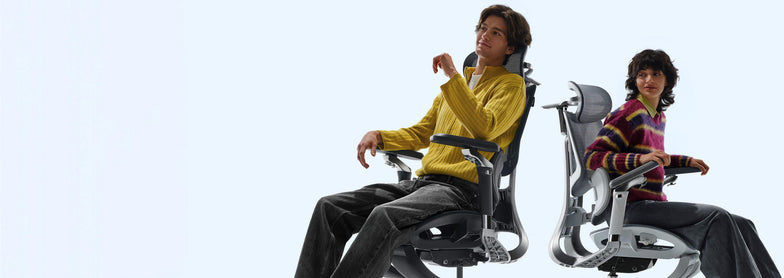 New Product Launch: HBADA E3 Air vs E3 Pro 2026 Edition — Full Breakdown
Introduction
Picking the right ergonomic chair can be tough. Many chairs claim to be comfortable but don’t hold up during long hours of sitting. The new HBADA E3 Air and E3 Pro 2026 models address these issues with precise ergonomics, adaptive support, and a design that saves space. This guide will help you decide which model is best for you.
Overview of the HBADA 2026 New Product Line
In 2026, HBADA is focusing on posture correction and spinal health. They use AI-driven ergonomics and designs that move with your body. Both the E3 Air and E3 Pro offer strong lumbar support, but each is made for a different kind of user.
· E3 Pro 2026: Premium performance with advanced ergonomic features
· E3 Air 2026: Lightweight, compact ergonomic chair for small apartments
Both chairs are made to support you during long hours at your computer. However, they differ in how adjustable they are and how much ergonomic support they offer.
Core Differences at a Glance
Product Comparison Table
Target User
Home office, students
Professionals, long-hour users
Lumbar System
Elastic lumbar support
3-zone dynamic lumbar support chair
Adjustment Level
Essential adjustments
Full adaptive system
Armrests
4D adjustable
720° omni-adjustable armrests chair
Weight & Size
Lightweight, compact
Larger, premium build
Smart Features
Manual + assisted
Adaptive lumbar tracking ergonomic chair
Best Use
Small apartments
Long sitting duration (6–10 hours)
Lumbar Support Technology Breakdown
E3 Pro — 3-Zone Dynamic Precision
The E3 Pro stands out for its 3-zone lumbar support system, which means it provides targeted support for your upper, middle, and lower back. This approach helps keep your spine aligned throughout the day rather than focusing on just one area.
Key benefits:
· Continuous spinal alignment
· Reduced lower back pressure
· Adaptive response to posture shifts
With that said, the E3 Pro is a great choice if you spend 8+ hours at your desk each day, such as remote workers or professionals who need reliable support for extended periods.
E3 Air — Essential Ergonomic Support
The E3 Air takes a simpler approach. Instead of multiple adjustment zones, it uses elastic lumbar support to help you maintain good posture without fiddling with many settings.
It performs well for:
· Short to medium work sessions
· Students and remote workers
· Users who prefer minimal setup
Armrest Engineering and Upper Body Support
720° Omni-Adjustable Armrests (E3 Pro)
The E3 Pro features a 720° omni-adjustable armrest chair system. This allows:
· Vertical, horizontal, and rotational movement
· Precise elbow positioning
· Reduced shoulder tension
These ergonomic armrests are especially helpful for reducing shoulder tension and maintaining proper posture, which can make a big difference when you’re typing or using a mouse for hours at a time.
Functional Armrests (E3 Air)
The E3 Air includes 4D adjustable armrests. While less complex, they still support:
· Basic height and depth adjustment
· Comfortable typing posture
· Balanced arm positioning
If you want a practical chair that lets you adjust your armrests for comfortable typing, the E3 Air covers the basics without making things complicated.
Space Efficiency and Design Philosophy
Compact Ergonomic Chair for Small Apartments
If you don’t have much space, the E3 Air has a small footprint. It’s easy to slide under most desks and move around in tight rooms.
· Easy placement under desks
· Better mobility in limited rooms
· Reduced visual clutter
If you live in a U.S. apartment with limited space, this model fits seamlessly into your setup.
Premium Structure for Stability (E3 Pro)
The E3 Pro prioritizes performance over compactness. Its structure supports:
· Enhanced durability
· Full-body ergonomic alignment
· Stability during reclining
The E3 Pro is better if you have a dedicated home office or workspace with enough room for a larger, sturdier chair.
Smart Ergonomics and Adaptive Technology
Adaptive Lumbar Tracking (E3 Pro)
The E3 Pro introduces adaptive lumbar tracking ergonomic chair technology. It automatically adjusts based on your posture.
This results in:
· Continuous support without manual changes
· Improved posture correction and spinal health
· Reduced fatigue over long sessions
Assisted Ergonomics (E3 Air)
The E3 Air, by comparison, relies on manual adjustments. While it doesn’t have the same level of automation, you can still get solid ergonomic support as long as you take a few minutes to set it up to fit your body.
Which Is the Best Ergonomic Chair for Your Needs?
Choose E3 Pro If You Need:
· The best ergonomic chair for long hours
· Advanced posture correction
· Premium / advanced ergonomic features
· Full adjustability and automation
This model is built for users who prioritize performance and long-term spinal health.
Choose E3 Air If You Need:
· A compact ergonomic chair for small apartments
· Lightweight and easy-to-move design
· Reliable ergonomic support without complexity
· A straightforward solution for your home and office
Practical Setup Tips for Maximum Benefit
To get the most from either chair:
· Adjust the seat height so your feet stay flat on the floor.
· Align lumbar support with your lower back.
· Set armrests to keep elbows at 90 degrees.
· Position your screen at eye level.
Following these steps will help you get the most out of your chair and maintain proper posture, no matter which model you choose.
Common Buying Mistakes to Avoid
· Choosing based on appearance instead of ergonomics
· Ignoring lumbar support quality
· Overlooking armrest adjustability
· Buying oversized chairs for small spaces
· Not adjusting the chair after purchase.
Even the best chair will fail if improperly selected or configured.
FAQ
Q: What is the main difference between HBADA E3 Air vs E3 Pro?
A: The E3 Pro offers advanced features such as 3-zone lumbar support and adaptive tracking, while the E3 Air focuses on simplicity and a compact design. The Pro is better for long hours, while the Air suits smaller spaces and lighter use.
Q: Is the E3 Pro worth it for long sitting durations?
A: Yes. Its adaptive lumbar system and advanced adjustability provide continuous support. This reduces fatigue and improves posture during extended work sessions, making it suitable for users who sit for 6–10 hours daily.
Q: Which chair is better for small apartments?
A: The E3 Air is the better choice. Its compact design and lightweight structure make it ideal for limited spaces while still delivering reliable ergonomic support.
Q: Do both chairs support proper posture?
A: Yes. Both models are designed as ergonomic chairs for a correct sitting posture. The difference lies in the support system's level of advancement, with the E3 Pro offering more dynamic adjustments.
Conclusion
The new launch of the HBADA E3 Air vs E3 Pro 2026 delivers two clear paths. One focuses on compact efficiency, the other on advanced ergonomic precision.
If you value simplicity and need to make the most of a small space, the E3 Air is a solid pick. On the other hand, if you’re after maximum support for long workdays, the E3 Pro is worth considering.
Ultimately, think about your daily routine and how you actually use your chair-choosing based on your habits will help you get the most comfort and value out of your investment.
For more information, please click to check:
https://www.hbada.eu/products/e3-air-ergonomic-office-chair
https://www.hbada.eu/products/e3-pro-ergonomic-office-chair
Apr 26, 2026
New Product Launch: HBADA E3 Air vs E3 Pro 2026 Edition — Full Breakdown
Introduction
Picking the right ergonomic chair can be tough. Many chairs claim to be comfortable but don’t hold up during long hours of sitting. The new HBADA E3 Air and E3 Pro 2026 models address these issues with precise ergonomics, adaptive support, and a design that saves space. This guide will help you decide which model is best for you.
Overview of the HBADA 2026 New Product Line
In 2026, HBADA is focusing on posture correction and spinal health. They use AI-driven ergonomics and designs that move with your body. Both the E3 Air and E3 Pro offer strong lumbar support, but each is made for a different kind of user.
· E3 Pro 2026: Premium performance with advanced ergonomic features
· E3 Air 2026: Lightweight, compact ergonomic chair for small apartments
Both chairs are made to support you during long hours at your computer. However, they differ in how adjustable they are and how much ergonomic support they offer.
Core Differences at a Glance
Product Comparison Table
Target User
Home office, students
Professionals, long-hour users
Lumbar System
Elastic lumbar support
3-zone dynamic lumbar support chair
Adjustment Level
Essential adjustments
Full adaptive system
Armrests
4D adjustable
720° omni-adjustable armrests chair
Weight & Size
Lightweight, compact
Larger, premium build
Smart Features
Manual + assisted
Adaptive lumbar tracking ergonomic chair
Best Use
Small apartments
Long sitting duration (6–10 hours)
Lumbar Support Technology Breakdown
E3 Pro — 3-Zone Dynamic Precision
The E3 Pro stands out for its 3-zone lumbar support system, which means it provides targeted support for your upper, middle, and lower back. This approach helps keep your spine aligned throughout the day rather than focusing on just one area.
Key benefits:
· Continuous spinal alignment
· Reduced lower back pressure
· Adaptive response to posture shifts
With that said, the E3 Pro is a great choice if you spend 8+ hours at your desk each day, such as remote workers or professionals who need reliable support for extended periods.
E3 Air — Essential Ergonomic Support
The E3 Air takes a simpler approach. Instead of multiple adjustment zones, it uses elastic lumbar support to help you maintain good posture without fiddling with many settings.
It performs well for:
· Short to medium work sessions
· Students and remote workers
· Users who prefer minimal setup
Armrest Engineering and Upper Body Support
720° Omni-Adjustable Armrests (E3 Pro)
The E3 Pro features a 720° omni-adjustable armrest chair system. This allows:
· Vertical, horizontal, and rotational movement
· Precise elbow positioning
· Reduced shoulder tension
These ergonomic armrests are especially helpful for reducing shoulder tension and maintaining proper posture, which can make a big difference when you’re typing or using a mouse for hours at a time.
Functional Armrests (E3 Air)
The E3 Air includes 4D adjustable armrests. While less complex, they still support:
· Basic height and depth adjustment
· Comfortable typing posture
· Balanced arm positioning
If you want a practical chair that lets you adjust your armrests for comfortable typing, the E3 Air covers the basics without making things complicated.
Space Efficiency and Design Philosophy
Compact Ergonomic Chair for Small Apartments
If you don’t have much space, the E3 Air has a small footprint. It’s easy to slide under most desks and move around in tight rooms.
· Easy placement under desks
· Better mobility in limited rooms
· Reduced visual clutter
If you live in a U.S. apartment with limited space, this model fits seamlessly into your setup.
Premium Structure for Stability (E3 Pro)
The E3 Pro prioritizes performance over compactness. Its structure supports:
· Enhanced durability
· Full-body ergonomic alignment
· Stability during reclining
The E3 Pro is better if you have a dedicated home office or workspace with enough room for a larger, sturdier chair.
Smart Ergonomics and Adaptive Technology
Adaptive Lumbar Tracking (E3 Pro)
The E3 Pro introduces adaptive lumbar tracking ergonomic chair technology. It automatically adjusts based on your posture.
This results in:
· Continuous support without manual changes
· Improved posture correction and spinal health
· Reduced fatigue over long sessions
Assisted Ergonomics (E3 Air)
The E3 Air, by comparison, relies on manual adjustments. While it doesn’t have the same level of automation, you can still get solid ergonomic support as long as you take a few minutes to set it up to fit your body.
Which Is the Best Ergonomic Chair for Your Needs?
Choose E3 Pro If You Need:
· The best ergonomic chair for long hours
· Advanced posture correction
· Premium / advanced ergonomic features
· Full adjustability and automation
This model is built for users who prioritize performance and long-term spinal health.
Choose E3 Air If You Need:
· A compact ergonomic chair for small apartments
· Lightweight and easy-to-move design
· Reliable ergonomic support without complexity
· A straightforward solution for your home and office
Practical Setup Tips for Maximum Benefit
To get the most from either chair:
· Adjust the seat height so your feet stay flat on the floor.
· Align lumbar support with your lower back.
· Set armrests to keep elbows at 90 degrees.
· Position your screen at eye level.
Following these steps will help you get the most out of your chair and maintain proper posture, no matter which model you choose.
Common Buying Mistakes to Avoid
· Choosing based on appearance instead of ergonomics
· Ignoring lumbar support quality
· Overlooking armrest adjustability
· Buying oversized chairs for small spaces
· Not adjusting the chair after purchase.
Even the best chair will fail if improperly selected or configured.
FAQ
Q: What is the main difference between HBADA E3 Air vs E3 Pro?
A: The E3 Pro offers advanced features such as 3-zone lumbar support and adaptive tracking, while the E3 Air focuses on simplicity and a compact design. The Pro is better for long hours, while the Air suits smaller spaces and lighter use.
Q: Is the E3 Pro worth it for long sitting durations?
A: Yes. Its adaptive lumbar system and advanced adjustability provide continuous support. This reduces fatigue and improves posture during extended work sessions, making it suitable for users who sit for 6–10 hours daily.
Q: Which chair is better for small apartments?
A: The E3 Air is the better choice. Its compact design and lightweight structure make it ideal for limited spaces while still delivering reliable ergonomic support.
Q: Do both chairs support proper posture?
A: Yes. Both models are designed as ergonomic chairs for a correct sitting posture. The difference lies in the support system's level of advancement, with the E3 Pro offering more dynamic adjustments.
Conclusion
The new launch of the HBADA E3 Air vs E3 Pro 2026 delivers two clear paths. One focuses on compact efficiency, the other on advanced ergonomic precision.
If you value simplicity and need to make the most of a small space, the E3 Air is a solid pick. On the other hand, if you’re after maximum support for long workdays, the E3 Pro is worth considering.
Ultimately, think about your daily routine and how you actually use your chair-choosing based on your habits will help you get the most comfort and value out of your investment.
For more information, please click to check:
https://www.hbada.eu/products/e3-air-ergonomic-office-chair
https://www.hbada.eu/products/e3-pro-ergonomic-office-chair
Apr 26, 2026
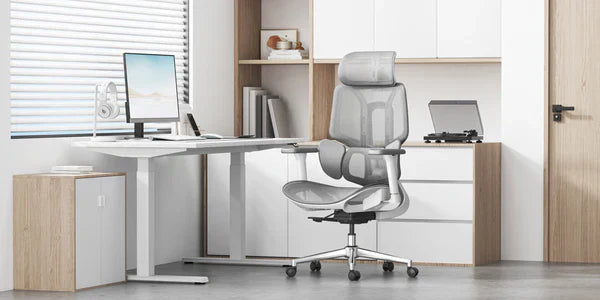 How to Choose the Best Ergonomic Office Chair in Europe: 2026 Buyer’s Guide
Office work has changed a lot lately, so your chair should keep up too. By 2026, traditional office chairs just aren’t enough. Now, people want office furniture that supports their health, not just a place to sit. When you shop for a new chair, focus less on looks and more on how it supports your body over time. In this guide, I’ll show you the main features to look for in a modern ergonomic chair so you can choose wisely.
Prioritize Dynamic Spinal Alignment
Chairs that keep you in one position often cause that afternoon slump. When shopping for a new office chair, check if it lets you move and shift easily. If a chair keeps you locked in place, your muscles have to work harder, which can lead to the aches and pains you want to avoid.
The Power of an Adaptive Lumbar Tracking Ergonomic Chair
A major upgrade for 2026 is the adaptive lumbar tracking chair. This chair uses sensors to keep the lumbar support in contact with your lower back, no matter how you sit. Whether you’re leaning forward to work or leaning back to think, the support moves with you. This helps prevent the gap at your lower back, sometimes called the 'empty waist,' which often causes back pain for office workers.
Why You Need a 3-Zone Dynamic Lumbar Support Chair
For top ergonomic support, look for a 3-zone lumbar chair with a split-wing design. This dynamic support cushions your spine’s natural curve, while flexible side wings adjust to reduce lower lumbar strain, providing targeted relief for those who sit for over 6 hours daily.
Seek Out “Total Body” Adjustability
A one-size-fits-all chair doesn’t work in today’s diverse workplaces. For a healthy sitting posture, your chair should fit your height and weight.
·720° Omni-Mechanical Armrests:Your arms are heavy; without proper support, they pull directly on your neck and shoulders. The latest ergonomic armrests for shoulder relief and posture offer multi-axis rotation. This allows you to anchor your elbows, whether you are typing on a laptop, using a mobile device, or reclining at 140°.
·4D Dual-Axis Headrests:Avoid "tech neck" by choosing a headrest that adjusts in both height and depth. A dual-axis system allows the headrest to "find" your neck, providing a hovering anchor that lets your cervical muscles fully disengage.
·Independent Seat Depth & Tilt Tension:A real ergonomic chair for computer work should have a seat slider. Adjusting the seat depth supports your thighs without cutting off blood flow at your knees. With adjustable tilt tension, you can set how much effort it takes to recline, matching the chair to your weight.
·Backrest Height Customization:Not all torsos are the same length. A height-adjustable backrest ensures the dynamic lumbar support chair features align perfectly with the small of your back, rather than sitting too high or too low.
Compare the Best Ergonomic Chairs for 2026
To make your choice easier, we’ve listed the main products in our 2026 lineup. Each one is designed to solve common posture problems in today’s homes and offices.
Model
Primary User Benefit
Core Technology
Best For
Hbada E3 Air
Lightweight Versatility
Dynamic lumbar support chair
Home Office / Casual Use
Hbada E3 Pro
Intensive Support
Best ergonomic chair with 3-zone lumbar support
8+ Hour Workdays
Hbada X7 Smart
AI Health Integration
Adaptive lumbar tracking ergonomic chair
Posture Correction / Tech-Forward
If you’re planning to spend long hours at your desk and want a chair that really supports your posture, the E3 Pro and X7 Smart models are worth a look. These go beyond being just a place to sit—they’re designed to support your back and body throughout the day.
Frequently Asked Questions (FAQ)
Q: How do I know if a chair is actually “ergonomic”?A: A true ergonomic chair must have at least five points of adjustment: seat height, seat depth, lumbar tension, backrest tilt, and armrest position. If a chair lacks these, it cannot be customized to your body’s unique dimensions, which is the core ergonomic posture, meaning, and benefits requirement.
Q: What is the best sitting position for a herniated disc?A: You should aim for a “neutral spine” position. Keep your feet flat on the floor, knees at 90 degrees, and your lower back pressed firmly against an adaptive lumbar-tracking ergonomic chair. Avoid crossing your legs, as this tilts your pelvis and puts uneven pressure on your spinal discs.
Q: Can a lightweight ergonomic chair for home office use be as good as a corporate one?A: Absolutely. Modern materials like reinforced steel and high-tensile mesh enable a lightweight, ergonomic chair for home office setups that provides the same level of industrial-grade support as heavy executive models. Look for chairs that meet BIFMA durability standards.
Q: Why are armrests so important for posture?A: Properly adjusted ergonomic armrests for shoulder relief and posture take the load off your trapezius muscles. When your arms are supported, your shoulders can drop into a relaxed, natural position, which significantly reduces the risk of tension headaches and upper back pain.
Conclusion
Choosing the right office chair is really about looking after your long-term health. The best chairs in 2026 do more than just give you a spot to sit—they help manage your posture and keep you comfortable all day. If you focus on features like 3-zone lumbar support and adaptive tracking, you’ll set yourself up for a workspace that supports both your productivity and your well-being. With that said, don’t settle for a chair that leaves you sore or tired. Take the time to find one that fits your needs, and you’ll notice the difference every day.
For more information, please click to check:
https://www.hbada.eu/products/e3-air-ergonomic-office-chair
https://www.hbada.eu/products/e3-pro-ergonomic-office-chair
https://www.hbada.eu/products/hbada-x7-smart-ergonomic-chair
Apr 17, 2026
How to Choose the Best Ergonomic Office Chair in Europe: 2026 Buyer’s Guide
Office work has changed a lot lately, so your chair should keep up too. By 2026, traditional office chairs just aren’t enough. Now, people want office furniture that supports their health, not just a place to sit. When you shop for a new chair, focus less on looks and more on how it supports your body over time. In this guide, I’ll show you the main features to look for in a modern ergonomic chair so you can choose wisely.
Prioritize Dynamic Spinal Alignment
Chairs that keep you in one position often cause that afternoon slump. When shopping for a new office chair, check if it lets you move and shift easily. If a chair keeps you locked in place, your muscles have to work harder, which can lead to the aches and pains you want to avoid.
The Power of an Adaptive Lumbar Tracking Ergonomic Chair
A major upgrade for 2026 is the adaptive lumbar tracking chair. This chair uses sensors to keep the lumbar support in contact with your lower back, no matter how you sit. Whether you’re leaning forward to work or leaning back to think, the support moves with you. This helps prevent the gap at your lower back, sometimes called the 'empty waist,' which often causes back pain for office workers.
Why You Need a 3-Zone Dynamic Lumbar Support Chair
For top ergonomic support, look for a 3-zone lumbar chair with a split-wing design. This dynamic support cushions your spine’s natural curve, while flexible side wings adjust to reduce lower lumbar strain, providing targeted relief for those who sit for over 6 hours daily.
Seek Out “Total Body” Adjustability
A one-size-fits-all chair doesn’t work in today’s diverse workplaces. For a healthy sitting posture, your chair should fit your height and weight.
·720° Omni-Mechanical Armrests:Your arms are heavy; without proper support, they pull directly on your neck and shoulders. The latest ergonomic armrests for shoulder relief and posture offer multi-axis rotation. This allows you to anchor your elbows, whether you are typing on a laptop, using a mobile device, or reclining at 140°.
·4D Dual-Axis Headrests:Avoid "tech neck" by choosing a headrest that adjusts in both height and depth. A dual-axis system allows the headrest to "find" your neck, providing a hovering anchor that lets your cervical muscles fully disengage.
·Independent Seat Depth & Tilt Tension:A real ergonomic chair for computer work should have a seat slider. Adjusting the seat depth supports your thighs without cutting off blood flow at your knees. With adjustable tilt tension, you can set how much effort it takes to recline, matching the chair to your weight.
·Backrest Height Customization:Not all torsos are the same length. A height-adjustable backrest ensures the dynamic lumbar support chair features align perfectly with the small of your back, rather than sitting too high or too low.
Compare the Best Ergonomic Chairs for 2026
To make your choice easier, we’ve listed the main products in our 2026 lineup. Each one is designed to solve common posture problems in today’s homes and offices.
Model
Primary User Benefit
Core Technology
Best For
Hbada E3 Air
Lightweight Versatility
Dynamic lumbar support chair
Home Office / Casual Use
Hbada E3 Pro
Intensive Support
Best ergonomic chair with 3-zone lumbar support
8+ Hour Workdays
Hbada X7 Smart
AI Health Integration
Adaptive lumbar tracking ergonomic chair
Posture Correction / Tech-Forward
If you’re planning to spend long hours at your desk and want a chair that really supports your posture, the E3 Pro and X7 Smart models are worth a look. These go beyond being just a place to sit—they’re designed to support your back and body throughout the day.
Frequently Asked Questions (FAQ)
Q: How do I know if a chair is actually “ergonomic”?A: A true ergonomic chair must have at least five points of adjustment: seat height, seat depth, lumbar tension, backrest tilt, and armrest position. If a chair lacks these, it cannot be customized to your body’s unique dimensions, which is the core ergonomic posture, meaning, and benefits requirement.
Q: What is the best sitting position for a herniated disc?A: You should aim for a “neutral spine” position. Keep your feet flat on the floor, knees at 90 degrees, and your lower back pressed firmly against an adaptive lumbar-tracking ergonomic chair. Avoid crossing your legs, as this tilts your pelvis and puts uneven pressure on your spinal discs.
Q: Can a lightweight ergonomic chair for home office use be as good as a corporate one?A: Absolutely. Modern materials like reinforced steel and high-tensile mesh enable a lightweight, ergonomic chair for home office setups that provides the same level of industrial-grade support as heavy executive models. Look for chairs that meet BIFMA durability standards.
Q: Why are armrests so important for posture?A: Properly adjusted ergonomic armrests for shoulder relief and posture take the load off your trapezius muscles. When your arms are supported, your shoulders can drop into a relaxed, natural position, which significantly reduces the risk of tension headaches and upper back pain.
Conclusion
Choosing the right office chair is really about looking after your long-term health. The best chairs in 2026 do more than just give you a spot to sit—they help manage your posture and keep you comfortable all day. If you focus on features like 3-zone lumbar support and adaptive tracking, you’ll set yourself up for a workspace that supports both your productivity and your well-being. With that said, don’t settle for a chair that leaves you sore or tired. Take the time to find one that fits your needs, and you’ll notice the difference every day.
For more information, please click to check:
https://www.hbada.eu/products/e3-air-ergonomic-office-chair
https://www.hbada.eu/products/e3-pro-ergonomic-office-chair
https://www.hbada.eu/products/hbada-x7-smart-ergonomic-chair
Apr 17, 2026
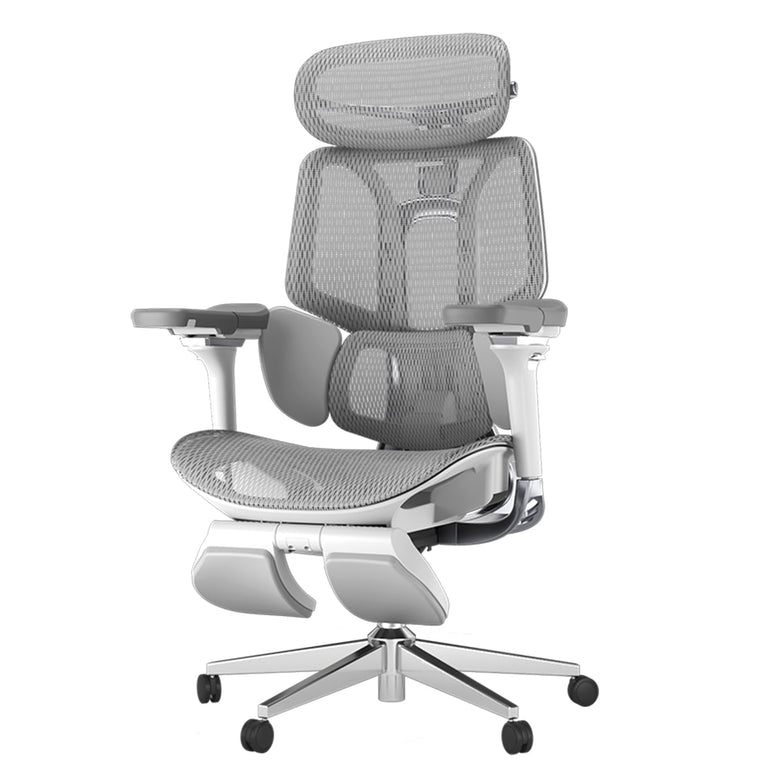 Hbada E3 Ergonomischer Bürostuhl: 17 Jahre ergonomische Spitzenleistung für euren Rücken
Wer lange an seinem Schreibtisch sitzt, setzt sich einem Risiko erhöhter Rücken- und Nackenschmerzen aus. Ein guter Bürostuhl kann dabei wahre Wunder helfen, da er entlastend wirkt und somit die drei Arten von Schmerzen infolge von langem Sitzen verringert. Der Hbada E3 Ergonomic Office Chair ist ein innovativer ergonomischer Bürostuhl, der genau dazu in der Lage ist. Er punktet nicht nur mit einem hohen Komfort, sondern auch mit innovativen Funktionen, die Nacken, Taille und Schulter entlasten.
Hbada E3 Ergonomic Office Chair: Der innovative Bürostuhl
Hbada ist eine professionelle, auf technologische Innovation ausgerichtete Marke für das Gesundheitswesen. Durch die Anwendung neuer Technologien und Materialien bietet Hbada bereits seit 16 Jahren seinen Kunden weltweit professionell gestaltete ergonomische Produkte und Lösungen, die die körperlichen und gesundheitlichen Bedingungen verbessern.
Eine dieser innovativen Lösungen ist der Hbada E3, der mit nur einer einzigen Anpassungen dabei hilft, die drei typischen Arten von Schmerzen bei langem Sitzen zu verringern: Nacken-, Taillen und Schulterschmerzen.
Ermöglicht wird das durch das einzigartige T-förmige Stützsystem des E3, das individuell an den Körper der Nutzerin beziehungsweise des Nutzers angepasst werden kann. Eine elastische Dreizonen-Lendenwirbelstütze sorgt dabei für einen hohen Komfort, auch an den längsten Arbeitstagen.
Der Hbada E3 Ergonomic Office Chair sorgt für einen unvergleichlichen Komfort. (Bild: Hbada)
Die Lendenwirbelstütze ist 8-fach verstellbar. So lassen sich die seitlichen Flügel um bis zu 140 Grad nach innen und außen drehen, während die Lordosenstütze um bis zu 14 Grad angepasst werden kann. Außerdem könnt ihr die Polsterung nach vorne und hinten, sowie nach oben und unten justieren und so an euren individuellen Körper anpassen.
4D-Kopfstütze im Hbada E3 Ergonomic Office Chair
Um den Kopf und Nacken zu entlasten, verfügt der Hbada E3 Ergonomic Office Chair über eine 4D-Kopfstütze, die punktgenau an verschiedene Körpergrößen und Sitzhaltungen angepasst werden kann.
Egal ob ihr euch nach vorne beugt, aufrecht sitzt oder euch bequem zurücklehnt: Die Kopfstütze stellt immer sicher, dass der Nacken entlastet wird, was Nacken- und Kopfschmerzen vorbeugt. So lässt sich der Rahmen der Stütze um bis zu 70 Grad drehen und neigen, nach oben und unten justieren und um 2,2 Zoll nach vorne oder hinten anpassen, um so jeder Sitzhaltung und Körperbewegung gewachsen zu sein.
Die 4D-Kopfstütze lässt sich individuell einstellen (Bild: Hbada)
Die Armlehnen sind natürlich ebenfalls von entscheidender Bedeutung für den Komfort eines Stuhls. So setzt der E3 sogar auf mechanische 6D-Armlehnen, die nicht nur in der Höhe verstellt, nach vorne und hinten, sowie links und rechts bewegt werden können, sondern auch in drei Stufen drehbar und um 6 Grad neigbar sind. Zusätzlich bieten die mechanischen Armlehnen eine Flip-Up-Funktion, mit der sich der vordere Teil um bis zu 40 Grad anwinkeln lässt. Perfekt, um entspannt ein Buch zu lesen, das Smartphone zu bedienen oder auf dem Tablet Einstellungen vorzunehmen.
Hochelastisches Mesh-Gewebe mit adaptivem, schwerkraftabhängigem Fahrgestell
Der Hbada E3 Ergonomic Office Chair ist mit hochelastischem Mesh-Stoff ausgestattet, der dafür sorgt, dass ihr im Sommer am Schreibtisch nicht schwitzt. Gleichzeitig entlastet der Stoff die Beine und beugt so einem Taubheitsgefühl vor.
Der E3 besteht zu 16,5 Prozent aus atmungsaktivem Mesh, der einen höchstmöglichen Komfort mit einer dauerhaften Unterstützung beim Sitzen kombiniert. Nylon und Garn sorgen für einen hervorragenden Halt.
Bild: Hbada
Zusätzlich verfügt der ergonomische Bürostuhl über ein Gestell mit automatischer Schwerkrafterkennung. Ein verbauter Sensor erkennt intuitiv Veränderungen im Gewicht und in der Körperhaltung des Benutzers und passt unter anderem den Widerstand beim Kippen des E3 automatisch an. Das ermöglicht nicht nur einen konstant hohen Sitzkomfort sondern sorgt auch dafür, dass sich der Bürostuhl schnell und mühelos in eine gerade Position zurückbewegt.
Rückenlehne um 140 Grad neigbar
Außerdem ist der Hbada E3 in der Lage, die Rückenlehne um bis zu 140 Grad nach hinten anzuwinkeln. Diese Position ist ideal für ein Nickerchen oder zum Entspannen und erlaubt so eine bequeme Platzierung für tiefe Ruhe.
Bild: Hbada
Unterstützt wird dies durch die integrierte und weich gepolsterte Fußstütze, die den Komfort beim Zurücklehnen erhöht und so eine angenehm weiche Fläche für den ganzen Körper bildet. Das robuste Gestell des Hbada E3 Ergonomic Office Chair stellt dabei sicher, dass auch in der liegenden Position zurückgelehnt für maximale Sicherheit und Stabilität gesorgt ist.
Qualität bis ins kleinste Detail
Der Hbada E3 Ergonomic Office Chair ist bis ins kleinste Detail durchdacht und hochwertig verarbeitet. So setzt der Bürostuhl auf eine SGS Klasse-4-Gasfeder, die unter härtesten Bedingungen in über 120.000 Zyklen getestet wurde und so maximale Sicherheit und Zuverlässigkeit garantiert.
Die Laufrollen verüfgen über besonders leise Räder, die beim Arbeiten oder Konzentrieren nicht ablenken, da sie auch bei Bewegungen des Stuhls nahezu unhörbar über sämtliche Oberflächen gleiten und enorm sanft rollen.
Bild: Hbada
Due Basis des E3 besteht auf einem hochwertigen Stahlsockel, der ein besonders hohes Gewicht von bis zu ca. 136 kg (300 Pfund) tragen kann und dabei duch seine verbesserte Haltbarkeit und Stabilität überzeugt.
Jul 08, 2025
Hbada E3 Ergonomischer Bürostuhl: 17 Jahre ergonomische Spitzenleistung für euren Rücken
Wer lange an seinem Schreibtisch sitzt, setzt sich einem Risiko erhöhter Rücken- und Nackenschmerzen aus. Ein guter Bürostuhl kann dabei wahre Wunder helfen, da er entlastend wirkt und somit die drei Arten von Schmerzen infolge von langem Sitzen verringert. Der Hbada E3 Ergonomic Office Chair ist ein innovativer ergonomischer Bürostuhl, der genau dazu in der Lage ist. Er punktet nicht nur mit einem hohen Komfort, sondern auch mit innovativen Funktionen, die Nacken, Taille und Schulter entlasten.
Hbada E3 Ergonomic Office Chair: Der innovative Bürostuhl
Hbada ist eine professionelle, auf technologische Innovation ausgerichtete Marke für das Gesundheitswesen. Durch die Anwendung neuer Technologien und Materialien bietet Hbada bereits seit 16 Jahren seinen Kunden weltweit professionell gestaltete ergonomische Produkte und Lösungen, die die körperlichen und gesundheitlichen Bedingungen verbessern.
Eine dieser innovativen Lösungen ist der Hbada E3, der mit nur einer einzigen Anpassungen dabei hilft, die drei typischen Arten von Schmerzen bei langem Sitzen zu verringern: Nacken-, Taillen und Schulterschmerzen.
Ermöglicht wird das durch das einzigartige T-förmige Stützsystem des E3, das individuell an den Körper der Nutzerin beziehungsweise des Nutzers angepasst werden kann. Eine elastische Dreizonen-Lendenwirbelstütze sorgt dabei für einen hohen Komfort, auch an den längsten Arbeitstagen.
Der Hbada E3 Ergonomic Office Chair sorgt für einen unvergleichlichen Komfort. (Bild: Hbada)
Die Lendenwirbelstütze ist 8-fach verstellbar. So lassen sich die seitlichen Flügel um bis zu 140 Grad nach innen und außen drehen, während die Lordosenstütze um bis zu 14 Grad angepasst werden kann. Außerdem könnt ihr die Polsterung nach vorne und hinten, sowie nach oben und unten justieren und so an euren individuellen Körper anpassen.
4D-Kopfstütze im Hbada E3 Ergonomic Office Chair
Um den Kopf und Nacken zu entlasten, verfügt der Hbada E3 Ergonomic Office Chair über eine 4D-Kopfstütze, die punktgenau an verschiedene Körpergrößen und Sitzhaltungen angepasst werden kann.
Egal ob ihr euch nach vorne beugt, aufrecht sitzt oder euch bequem zurücklehnt: Die Kopfstütze stellt immer sicher, dass der Nacken entlastet wird, was Nacken- und Kopfschmerzen vorbeugt. So lässt sich der Rahmen der Stütze um bis zu 70 Grad drehen und neigen, nach oben und unten justieren und um 2,2 Zoll nach vorne oder hinten anpassen, um so jeder Sitzhaltung und Körperbewegung gewachsen zu sein.
Die 4D-Kopfstütze lässt sich individuell einstellen (Bild: Hbada)
Die Armlehnen sind natürlich ebenfalls von entscheidender Bedeutung für den Komfort eines Stuhls. So setzt der E3 sogar auf mechanische 6D-Armlehnen, die nicht nur in der Höhe verstellt, nach vorne und hinten, sowie links und rechts bewegt werden können, sondern auch in drei Stufen drehbar und um 6 Grad neigbar sind. Zusätzlich bieten die mechanischen Armlehnen eine Flip-Up-Funktion, mit der sich der vordere Teil um bis zu 40 Grad anwinkeln lässt. Perfekt, um entspannt ein Buch zu lesen, das Smartphone zu bedienen oder auf dem Tablet Einstellungen vorzunehmen.
Hochelastisches Mesh-Gewebe mit adaptivem, schwerkraftabhängigem Fahrgestell
Der Hbada E3 Ergonomic Office Chair ist mit hochelastischem Mesh-Stoff ausgestattet, der dafür sorgt, dass ihr im Sommer am Schreibtisch nicht schwitzt. Gleichzeitig entlastet der Stoff die Beine und beugt so einem Taubheitsgefühl vor.
Der E3 besteht zu 16,5 Prozent aus atmungsaktivem Mesh, der einen höchstmöglichen Komfort mit einer dauerhaften Unterstützung beim Sitzen kombiniert. Nylon und Garn sorgen für einen hervorragenden Halt.
Bild: Hbada
Zusätzlich verfügt der ergonomische Bürostuhl über ein Gestell mit automatischer Schwerkrafterkennung. Ein verbauter Sensor erkennt intuitiv Veränderungen im Gewicht und in der Körperhaltung des Benutzers und passt unter anderem den Widerstand beim Kippen des E3 automatisch an. Das ermöglicht nicht nur einen konstant hohen Sitzkomfort sondern sorgt auch dafür, dass sich der Bürostuhl schnell und mühelos in eine gerade Position zurückbewegt.
Rückenlehne um 140 Grad neigbar
Außerdem ist der Hbada E3 in der Lage, die Rückenlehne um bis zu 140 Grad nach hinten anzuwinkeln. Diese Position ist ideal für ein Nickerchen oder zum Entspannen und erlaubt so eine bequeme Platzierung für tiefe Ruhe.
Bild: Hbada
Unterstützt wird dies durch die integrierte und weich gepolsterte Fußstütze, die den Komfort beim Zurücklehnen erhöht und so eine angenehm weiche Fläche für den ganzen Körper bildet. Das robuste Gestell des Hbada E3 Ergonomic Office Chair stellt dabei sicher, dass auch in der liegenden Position zurückgelehnt für maximale Sicherheit und Stabilität gesorgt ist.
Qualität bis ins kleinste Detail
Der Hbada E3 Ergonomic Office Chair ist bis ins kleinste Detail durchdacht und hochwertig verarbeitet. So setzt der Bürostuhl auf eine SGS Klasse-4-Gasfeder, die unter härtesten Bedingungen in über 120.000 Zyklen getestet wurde und so maximale Sicherheit und Zuverlässigkeit garantiert.
Die Laufrollen verüfgen über besonders leise Räder, die beim Arbeiten oder Konzentrieren nicht ablenken, da sie auch bei Bewegungen des Stuhls nahezu unhörbar über sämtliche Oberflächen gleiten und enorm sanft rollen.
Bild: Hbada
Due Basis des E3 besteht auf einem hochwertigen Stahlsockel, der ein besonders hohes Gewicht von bis zu ca. 136 kg (300 Pfund) tragen kann und dabei duch seine verbesserte Haltbarkeit und Stabilität überzeugt.
Jul 08, 2025