




Kaikki viestit HBADA
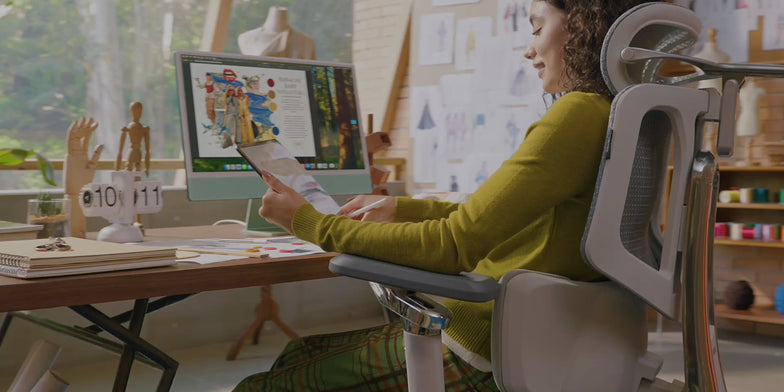 How to Adjust an Ergonomic Chair for Better Comfort
Learn how to adjust an ergonomic chair for better comfort, posture, and support. Discover seat height, lumbar support, armrest, and recline tips from HBADA.
Jun 04, 2026
How to Adjust an Ergonomic Chair for Better Comfort
Learn how to adjust an ergonomic chair for better comfort, posture, and support. Discover seat height, lumbar support, armrest, and recline tips from HBADA.
Jun 04, 2026
 Why Traditional Gaming Chairs Are Wrecking Your Back (and the Ergonomic Fix You Need)
Traditional bucket seats cage you; HBADA technology actively stabilizes your core. Patented T-Shaped Systems and multi-zone lumbar mechanics neutralize neck and L1-L5 stress, allowing you to execute peak plays across marathon sessions. Stop fighting gravity. Secure the win; we’ll handle the alignment.
Jun 04, 2026
Why Traditional Gaming Chairs Are Wrecking Your Back (and the Ergonomic Fix You Need)
Traditional bucket seats cage you; HBADA technology actively stabilizes your core. Patented T-Shaped Systems and multi-zone lumbar mechanics neutralize neck and L1-L5 stress, allowing you to execute peak plays across marathon sessions. Stop fighting gravity. Secure the win; we’ll handle the alignment.
Jun 04, 2026
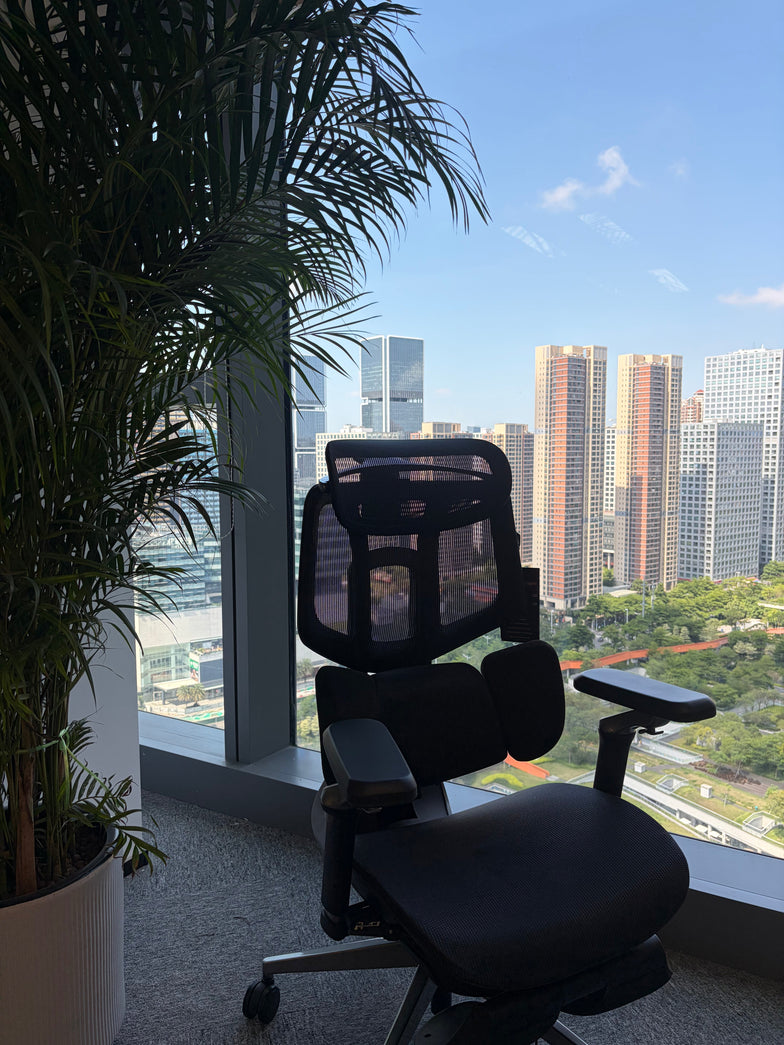 Why Ergonomics is Your SMB’s Most Strategic Asset
Discover why ergonomic seating is a strategic growth asset for SMBs. Upgrade your existing workspace instantly with HBADA’s plug-and-play bulk solutions. No expensive design teams required. Get your corporate quote today.
Jun 04, 2026
Why Ergonomics is Your SMB’s Most Strategic Asset
Discover why ergonomic seating is a strategic growth asset for SMBs. Upgrade your existing workspace instantly with HBADA’s plug-and-play bulk solutions. No expensive design teams required. Get your corporate quote today.
Jun 04, 2026
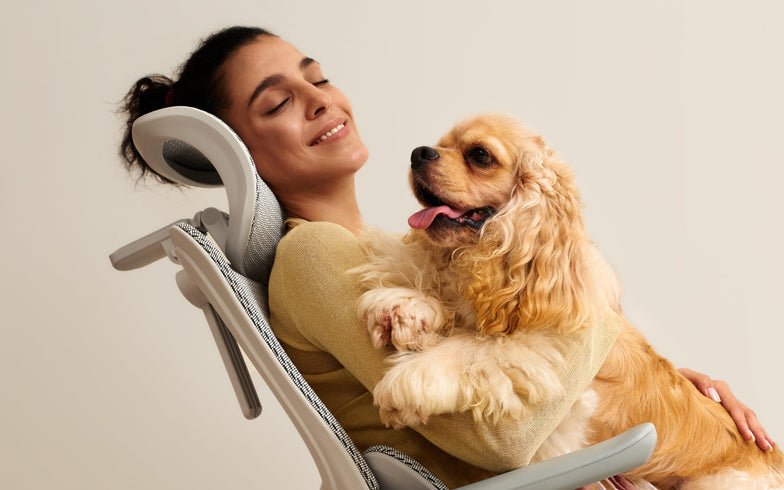 Upgrading from Other Brands to Hbada: Experience the Difference in Bio-Synchronized Support
Many people think their current office chair is good enough, but still end up with lower back pain after a full workday. Most traditional chairs, even expensive ones, use stiff frames and manual levers that keep you stuck in one position, causing fatigue over time. Switching to a more advanced chair gives you real support that moves with your body.
Investing in bio-synchronized seating ensures your back remains continuously protected across every task, making it the best ergonomic office chair 2026 has to offer for long-term health and focus.
Static Posture vs. Dynamic Sitting: Why Traditional Chairs Fail
To see why upgrading your chair matters, consider how sitting still compares to moving naturally.
The Hidden Toll of Sustained Static Loading
When analyzing dynamic sitting vs static posture, medical data highlights a clear problem with standard corporate furniture. Traditional task chairs keep your pelvis locked in a single position. This forces your paraspinal muscles to fire continuously to maintain balance, leading to rapid muscle fatigue, deep-tissue inflammation, and restricted blood circulation.
Our advanced furniture lines fix this problem by incorporating a highly responsive anti-gravity recline mechanism. This custom structural system perfectly balances your physical center of mass, taking the heavy downward pressure off your hips and upper thighs.
Transitioning to Continuous Movement
To stay healthy during long hours at your desk, your body needs to move rather than stay stiff. Regular chairs only support you if you sit up straight the whole time.
Our chairs use gravity-sensing systems that adjust the seat and backrest together as you move. This takes pressure off your spine, improves blood flow, and helps prevent pain from old-fashioned chairs.
The Bio-Synchronized Advantage: Real-Time Spine Tracking
Traditional chairs make your body adjust to them, but our advanced models move with you and support your spine.
How Bio-Synchronized Seating Optimizes Your Recline Pivot
Our design is built around bio-synchronized seating. In a regular chair, leaning back pulls the backrest away from your lower back, leaving it unsupported.
Our chairs use a special mechanism that moves the seat forward and down as you lean back, up to 140°. This keeps the lumbar support in contact with your lower back at every angle.
Mechanical Adaptation: The HBADA E3 Pro
If you prefer a pure mechanical workspace that does not require charging cables or manual adjustment knobs, the HBADA E3 Pro offers exceptional structural performance. This professional model uses our patented 3-zone adaptive lumbar support framework to protect your spine. The central zone stabilizes your vertebrae, while twin bionic adaptive backrest panels flex up to 40° automatically to wrap around your lower back muscles.
Whenever you twist, lean to the side, or adjust your typing habits, the spring-loaded wings track your movements instantly, distributing your upper body weight evenly and providing a reliable ergonomic chair upgrade for back pain relief.
The Ultimate Premium Upgrade: Settle into the Hbada AI-Powered x7
If you want a chair that handles everything for you, our top model removes the need for any manual adjustments.
Active Automated Posture Care
The Hbada AI-Powered x7 represents the absolute peak of modern active office ergonomics. This advanced model replaces traditional mechanical springs with an integrated automotive-grade compute chip and microsecond-level Hall magnetic pressure sensors. As an office chair with active lumbar tracking, the Hbada AI-Powered x7 scans your exact sitting pressure 1,000 times per second.
The chair’s system moves the lumbar support forward or back up to 50mm as needed. This keeps your pelvis upright and helps stop the slouching that can harm your back over time.
Comprehensive Therapeutic Recovery
Beyond automated posture correction, the chair functions as an active spinal decompression office chair by incorporating a professional therapeutic recovery suite into the mesh frame. Powered by a high-capacity, removable 5,200 mAh USB-C battery pack, the system features:
· 8D Bionic Hand Massage: Dual-core mechanical rollers mimic the kneading motions of a professional masseur to relieve deep tissue tightness.
· Graphene Heat Therapy: Built-in heating elements warm your lower back to 129°F, increasing blood circulation to stiff lumbar muscles.
· Dual Fan Ventilation: Integrated 3,000 RPM fans pull fresh air through the mesh seat cushion, eliminating trapped body heat during intense tasks.
Beyond the Lower Back: Complete Mechanical Personalization
To really protect your body, your chair should adjust to fit you from head to arms.
Eliminating Shoulder Hunching and Neck Strain
Standard office setups often overlook the strain on your upper body, leading to severe tension headaches and rounded shoulders. Our advanced seating configurations solve this by using an extra-wide, 4-way dual-axis headrest that precisely targets and cradles the cervical vertebrae.
To complement this neck care, our chairs feature 720-degree, omni-adjustable armrests. These mechanical supports lift, widen, slide, and rotate a full 360°, letting you position your elbows comfortably whether you are typing on a keyboard, using a mouse, or reviewing a document on a tablet.
Technical Comparison Matrix: Hbada Tiers vs. Traditional Standards
Performance Feature
Standard Task Chair
HBADA Mechanical Tier (E3 Pro)
Advanced Smart Tier (X7)
Ergonomic Strategy
Rigid Static Support
Adaptive Mechanical Alignment
Automated Robotic Personalization
Lumbar Mechanics
Fixed Plastic Pad
3-Zone Spring-Loaded Floating Wings
Motorized AI Active Tracking
Recline Integration
Manual Tension Knobs
Weight-Sensing Recline Tension
Posture Memory + Active Calibration
Armrest Flexibility
Basic 1D/2D Arms
Multi-Axial 6-Way Adjustment
720 Degree Omni Adjustable Armrests
Thermal Control
Thick Foam Padding
High-Elasticity CloudMesh Panel
Dual 3,000 RPM Cushion Cooling Fans
Therapeutic Care
None
Ergonomic Muscle Stabilization
8D Bionic Massage & Infrared Heat
Frequently Asked Questions (FAQ)
Why does a bio-synchronized seating system perform better for back pain than standard foam chairs?
Old foam chairs wear out, making your muscles work harder to keep your back straight. Bio-synchronized chairs always support your lower back, no matter how you sit. This spreads your weight, takes pressure off your spine, and helps prevent back pain.
How long does it take for my body to adjust to an upgrade to an advanced ergonomic chair for back pain?
Most people need about 7 to 14 days to get used to a new ergonomic chair. During this time, your back muscles adjust to better posture. After that, sitting with good support feels natural.
Does the integrated technology on the Hbada AI-Powered x7 complicate daily operations?
Not at all. The Hbada AI-Powered x7 is built to operate completely automatically. The internal sensors and active tracking motors read your height and weight distribution the moment you sit down, and handle the fine-tuning for you. You can adjust the heating, cooling fans, and bionic massage features using a simple side-mounted remote control.
What is the structural advantage of an anti-gravity recline mechanism for office workers?
Standard office chairs require you to manually adjust heavy tension knobs to change your recline angle. An anti-gravity recline mechanism features a built-in weight-sensing chassis that automatically reads your weight, applying the ideal resistance to keep your body balanced and weightless at any recline angle.
Conclusion
When upgrading your workspace, you can either keep struggling with a stiff chair or choose one that supports you. If you want a strong, fully mechanical chair with flexible support, the HBADA E3 Pro is a reliable option.
If you want a chair that adjusts on its own, the Hbada AI-Powered x7 is the answer. It uses strong materials and smart software to track your posture and help you stay healthy and focused.
May 29, 2026
Upgrading from Other Brands to Hbada: Experience the Difference in Bio-Synchronized Support
Many people think their current office chair is good enough, but still end up with lower back pain after a full workday. Most traditional chairs, even expensive ones, use stiff frames and manual levers that keep you stuck in one position, causing fatigue over time. Switching to a more advanced chair gives you real support that moves with your body.
Investing in bio-synchronized seating ensures your back remains continuously protected across every task, making it the best ergonomic office chair 2026 has to offer for long-term health and focus.
Static Posture vs. Dynamic Sitting: Why Traditional Chairs Fail
To see why upgrading your chair matters, consider how sitting still compares to moving naturally.
The Hidden Toll of Sustained Static Loading
When analyzing dynamic sitting vs static posture, medical data highlights a clear problem with standard corporate furniture. Traditional task chairs keep your pelvis locked in a single position. This forces your paraspinal muscles to fire continuously to maintain balance, leading to rapid muscle fatigue, deep-tissue inflammation, and restricted blood circulation.
Our advanced furniture lines fix this problem by incorporating a highly responsive anti-gravity recline mechanism. This custom structural system perfectly balances your physical center of mass, taking the heavy downward pressure off your hips and upper thighs.
Transitioning to Continuous Movement
To stay healthy during long hours at your desk, your body needs to move rather than stay stiff. Regular chairs only support you if you sit up straight the whole time.
Our chairs use gravity-sensing systems that adjust the seat and backrest together as you move. This takes pressure off your spine, improves blood flow, and helps prevent pain from old-fashioned chairs.
The Bio-Synchronized Advantage: Real-Time Spine Tracking
Traditional chairs make your body adjust to them, but our advanced models move with you and support your spine.
How Bio-Synchronized Seating Optimizes Your Recline Pivot
Our design is built around bio-synchronized seating. In a regular chair, leaning back pulls the backrest away from your lower back, leaving it unsupported.
Our chairs use a special mechanism that moves the seat forward and down as you lean back, up to 140°. This keeps the lumbar support in contact with your lower back at every angle.
Mechanical Adaptation: The HBADA E3 Pro
If you prefer a pure mechanical workspace that does not require charging cables or manual adjustment knobs, the HBADA E3 Pro offers exceptional structural performance. This professional model uses our patented 3-zone adaptive lumbar support framework to protect your spine. The central zone stabilizes your vertebrae, while twin bionic adaptive backrest panels flex up to 40° automatically to wrap around your lower back muscles.
Whenever you twist, lean to the side, or adjust your typing habits, the spring-loaded wings track your movements instantly, distributing your upper body weight evenly and providing a reliable ergonomic chair upgrade for back pain relief.
The Ultimate Premium Upgrade: Settle into the Hbada AI-Powered x7
If you want a chair that handles everything for you, our top model removes the need for any manual adjustments.
Active Automated Posture Care
The Hbada AI-Powered x7 represents the absolute peak of modern active office ergonomics. This advanced model replaces traditional mechanical springs with an integrated automotive-grade compute chip and microsecond-level Hall magnetic pressure sensors. As an office chair with active lumbar tracking, the Hbada AI-Powered x7 scans your exact sitting pressure 1,000 times per second.
The chair’s system moves the lumbar support forward or back up to 50mm as needed. This keeps your pelvis upright and helps stop the slouching that can harm your back over time.
Comprehensive Therapeutic Recovery
Beyond automated posture correction, the chair functions as an active spinal decompression office chair by incorporating a professional therapeutic recovery suite into the mesh frame. Powered by a high-capacity, removable 5,200 mAh USB-C battery pack, the system features:
· 8D Bionic Hand Massage: Dual-core mechanical rollers mimic the kneading motions of a professional masseur to relieve deep tissue tightness.
· Graphene Heat Therapy: Built-in heating elements warm your lower back to 129°F, increasing blood circulation to stiff lumbar muscles.
· Dual Fan Ventilation: Integrated 3,000 RPM fans pull fresh air through the mesh seat cushion, eliminating trapped body heat during intense tasks.
Beyond the Lower Back: Complete Mechanical Personalization
To really protect your body, your chair should adjust to fit you from head to arms.
Eliminating Shoulder Hunching and Neck Strain
Standard office setups often overlook the strain on your upper body, leading to severe tension headaches and rounded shoulders. Our advanced seating configurations solve this by using an extra-wide, 4-way dual-axis headrest that precisely targets and cradles the cervical vertebrae.
To complement this neck care, our chairs feature 720-degree, omni-adjustable armrests. These mechanical supports lift, widen, slide, and rotate a full 360°, letting you position your elbows comfortably whether you are typing on a keyboard, using a mouse, or reviewing a document on a tablet.
Technical Comparison Matrix: Hbada Tiers vs. Traditional Standards
Performance Feature
Standard Task Chair
HBADA Mechanical Tier (E3 Pro)
Advanced Smart Tier (X7)
Ergonomic Strategy
Rigid Static Support
Adaptive Mechanical Alignment
Automated Robotic Personalization
Lumbar Mechanics
Fixed Plastic Pad
3-Zone Spring-Loaded Floating Wings
Motorized AI Active Tracking
Recline Integration
Manual Tension Knobs
Weight-Sensing Recline Tension
Posture Memory + Active Calibration
Armrest Flexibility
Basic 1D/2D Arms
Multi-Axial 6-Way Adjustment
720 Degree Omni Adjustable Armrests
Thermal Control
Thick Foam Padding
High-Elasticity CloudMesh Panel
Dual 3,000 RPM Cushion Cooling Fans
Therapeutic Care
None
Ergonomic Muscle Stabilization
8D Bionic Massage & Infrared Heat
Frequently Asked Questions (FAQ)
Why does a bio-synchronized seating system perform better for back pain than standard foam chairs?
Old foam chairs wear out, making your muscles work harder to keep your back straight. Bio-synchronized chairs always support your lower back, no matter how you sit. This spreads your weight, takes pressure off your spine, and helps prevent back pain.
How long does it take for my body to adjust to an upgrade to an advanced ergonomic chair for back pain?
Most people need about 7 to 14 days to get used to a new ergonomic chair. During this time, your back muscles adjust to better posture. After that, sitting with good support feels natural.
Does the integrated technology on the Hbada AI-Powered x7 complicate daily operations?
Not at all. The Hbada AI-Powered x7 is built to operate completely automatically. The internal sensors and active tracking motors read your height and weight distribution the moment you sit down, and handle the fine-tuning for you. You can adjust the heating, cooling fans, and bionic massage features using a simple side-mounted remote control.
What is the structural advantage of an anti-gravity recline mechanism for office workers?
Standard office chairs require you to manually adjust heavy tension knobs to change your recline angle. An anti-gravity recline mechanism features a built-in weight-sensing chassis that automatically reads your weight, applying the ideal resistance to keep your body balanced and weightless at any recline angle.
Conclusion
When upgrading your workspace, you can either keep struggling with a stiff chair or choose one that supports you. If you want a strong, fully mechanical chair with flexible support, the HBADA E3 Pro is a reliable option.
If you want a chair that adjusts on its own, the Hbada AI-Powered x7 is the answer. It uses strong materials and smart software to track your posture and help you stay healthy and focused.
May 29, 2026
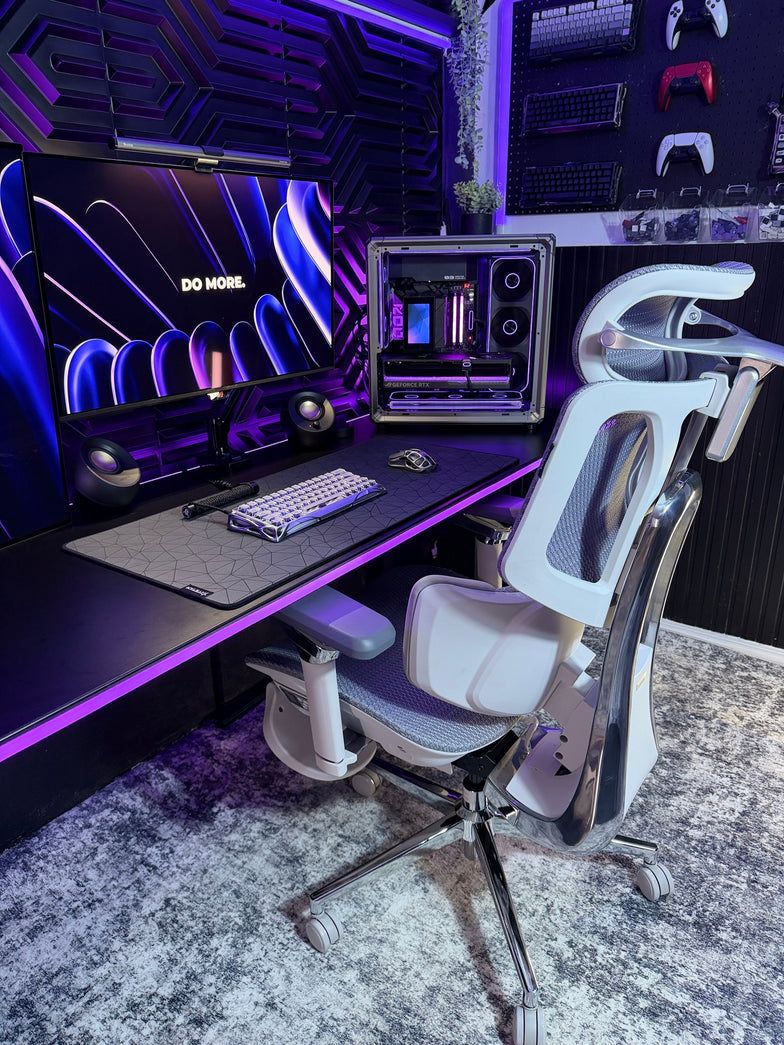 What Is the 20-8-2 Rule? Everything You Need to Know About Healthier Sitting and Productive Work
Sitting at your desk all day can quietly harm your health, making it harder to focus and putting stress on your lower back. Some people think standing all day is the answer, but too much standing can also lead to tired muscles and poor circulation.
The key to keeping your spine healthy is to keep changing your position throughout the day. Dr. Alan Hedge, an ergonomics professor at Cornell University, created the 20-8-2 rule to help you add movement to your work routine and boost your energy.
Deconstructing the Formula: The 30-Minute Ergonomic Cycle
The 20-8-2 rule divides each half hour of your workday into three easy steps. Following this routine helps keep your muscles loose and your blood flowing.
20 Minutes: Focused Sitting ➔ 8 Minutes: Active Standing ➔ 2 Minutes: Dynamic Movement
The 20 Minutes: Focused Sitting (With Proper Alignment)
Start with 20 minutes of focused work while sitting. Make sure your feet are flat on the floor, your elbows are at 90 degrees, and your lower back is well supported.
The 8 Minutes: Active Standing
After 20 minutes, stand up for the next 8 minutes. Standing changes the pressure on your spine, activates your core, and helps your body work better. This is a good time to take calls, review documents, or check your email.
The 2 minutes: Dynamic Movement
For the last 2 minutes, leave your desk. Use this time to walk around, get some water, or do light stretches. This short break helps relax your muscles and refresh your mind for the next round.
Architectural Pairing: Selecting the Right Desk Environment
To follow this movement routine easily, your workspace should let you change positions quickly. Manual crank desks can slow you down and make it harder to stick with the routine.
A premium adjustable desk system makes transitioning effortless. For example, pairing this cycle with a high-end Herman Miller standing desk provides programmable, single-touch height adjustments that move to your exact standing and sitting heights in seconds. This speed allows you to transition between positions seamlessly without interrupting your train of thought or slowing down your output.
Seating Engineering: Maximizing Your 20-Minute Sitting Window
The 20-minute sitting phase of this rule is only effective if your chair provides active support for your body. If you spend those 20 minutes slouching in a rigid, unyielding chair, your muscles will tighten before you even begin the standing phase.
Our advanced seating designs align with this movement philosophy by replacing manual levers with responsive, automated engineering:
Adaptive Structural Control: HBADA E3 Pro
The HBADA E3 Pro 2026 Edition is designed for users who move frequently while working. Its 3-zone lumbar support system features a central section for spinal support and side wings that adjust up to 40 degrees to accommodate lower back movement.
When you change positions or lean forward, the chair’s tracking system moves with you and fills the gap in your lower back, so you don’t have to adjust anything yourself.
Smart Automated Wellness: Hbada AI-Powered x7
For posture support, the Hbada AI-Powered x7 functions as a smart wellness assistant. It uses sensors to monitor your sitting position and adjusts in real time.
When you start your 20-minute work session, the chair automatically adjusts its support to fit your body. If you begin to slouch, it shifts its support to keep your posture straight and comfortable.
Feature Synergy Matrix: Enhancing the 20-8-2 Workflow
Workspace Component
Core Function in the Cycle
Mechanical Option (E3 Pro)
Advanced Active Option (X7)
Lumbar Support Strategy
Protects the spine during the 20-minute focus window
3-Zone Adaptive Wings with 5° Elastic Tracking
Motorized AI Smart Tracking with Real-Time Adjustments
Armrest Integration
Unloads weight from neck and shoulders while typing
720° Omni-Mechanical Positioning
720° Bio-Sync Robotic Tracking
Muscle Relief Systems
Relieves deep tissue tension during transitions
Breathable, High-Elasticity CloudMesh
8D Bionic Massage & Graphene Heat Therapy
Movement Compatibility
Adapts to changing postures without manual levers
Auto-Balance Gravity-Sensing Chassis
Posture Memory with Sensor-Driven Adjustment
Practical Checklist: Tips and Guides to Automate Your Routine
Starting a new routine can seem tough at first. Here are some simple tips to help you add the 20-8-2 method to your day:
· Deploy Digital Triggers: Use a browser extension or a smartwatch application to manage your intervals. Set a recurring 20-minute alert to prompt your transition to standing, followed by an 8-minute reminder to start your movement break.
· Batch Your Work Tasks: Align your daily tasks with your physical positions. Use your 20-minute sitting window for deep, focused work, such as coding or writing. Save your 8-minute standing window for low-intensity tasks, such as checking team updates or reviewing presentations.
· Utilize Thermal Therapy: If you feel muscle stiffness during your sitting window, activating the built-in heat settings on an advanced chair can help soothe lower back muscles, keeping your body limber for the upcoming movement phases.
Frequently Asked Questions (FAQ)
Can I stand for 20 minutes and sit for 8 minutes instead?
No. Dr. Hedge’s research shows that standing still for more than 10 minutes can cause blood to pool in your lower extremities, increasing static strain on your veins and feet. Keeping your standing window to 8 minutes provides the ideal vascular reset without creating structural discomfort.
How does an adaptive lumbar support chair help with the 20-8-2 rule?
A standard office chair stays locked in a single position, forcing your body to adapt to the frame. An adaptive chair automatically moves with you, keeping your lower back continuously supported throughout your sitting window so you can transition to standing without muscle stiffness.
What should I do during the 2-minute movement window?
Use this time for light, active movement to boost your circulation. You can walk down the hall, refill your water, or perform simple stretches like shoulder rolls and gentle calf extensions. Avoid looking at your phone during this phase to give your eyes a much-needed break.
Is a standing desk absolutely mandatory to use the 20-8-2 rule?
While a high-quality motorized desk makes changing positions effortless, you can start without one. You can use your 8-minute standing phase to take phone calls at a high counter or use a portable laptop riser on a standard table to keep your workflow moving smoothly.
Conclusion
The right workspace configuration depends on how much manual control you want over your daily routine. If you prefer a robust mechanical setup that uses your body weight to instantly adjust its support zones, the HBADA E3 Pro offers an incredibly effective foundation for active ergonomics. However, if you want a workspace that automatically tracks your posture, adjusts in real time with built-in sensors, and includes built-in massage therapy to relieve muscle tension between tasks, upgrading your office with the HBADA AI-Powered x7 is the ultimate investment for your health and daily focus.
May 25, 2026
What Is the 20-8-2 Rule? Everything You Need to Know About Healthier Sitting and Productive Work
Sitting at your desk all day can quietly harm your health, making it harder to focus and putting stress on your lower back. Some people think standing all day is the answer, but too much standing can also lead to tired muscles and poor circulation.
The key to keeping your spine healthy is to keep changing your position throughout the day. Dr. Alan Hedge, an ergonomics professor at Cornell University, created the 20-8-2 rule to help you add movement to your work routine and boost your energy.
Deconstructing the Formula: The 30-Minute Ergonomic Cycle
The 20-8-2 rule divides each half hour of your workday into three easy steps. Following this routine helps keep your muscles loose and your blood flowing.
20 Minutes: Focused Sitting ➔ 8 Minutes: Active Standing ➔ 2 Minutes: Dynamic Movement
The 20 Minutes: Focused Sitting (With Proper Alignment)
Start with 20 minutes of focused work while sitting. Make sure your feet are flat on the floor, your elbows are at 90 degrees, and your lower back is well supported.
The 8 Minutes: Active Standing
After 20 minutes, stand up for the next 8 minutes. Standing changes the pressure on your spine, activates your core, and helps your body work better. This is a good time to take calls, review documents, or check your email.
The 2 minutes: Dynamic Movement
For the last 2 minutes, leave your desk. Use this time to walk around, get some water, or do light stretches. This short break helps relax your muscles and refresh your mind for the next round.
Architectural Pairing: Selecting the Right Desk Environment
To follow this movement routine easily, your workspace should let you change positions quickly. Manual crank desks can slow you down and make it harder to stick with the routine.
A premium adjustable desk system makes transitioning effortless. For example, pairing this cycle with a high-end Herman Miller standing desk provides programmable, single-touch height adjustments that move to your exact standing and sitting heights in seconds. This speed allows you to transition between positions seamlessly without interrupting your train of thought or slowing down your output.
Seating Engineering: Maximizing Your 20-Minute Sitting Window
The 20-minute sitting phase of this rule is only effective if your chair provides active support for your body. If you spend those 20 minutes slouching in a rigid, unyielding chair, your muscles will tighten before you even begin the standing phase.
Our advanced seating designs align with this movement philosophy by replacing manual levers with responsive, automated engineering:
Adaptive Structural Control: HBADA E3 Pro
The HBADA E3 Pro 2026 Edition is designed for users who move frequently while working. Its 3-zone lumbar support system features a central section for spinal support and side wings that adjust up to 40 degrees to accommodate lower back movement.
When you change positions or lean forward, the chair’s tracking system moves with you and fills the gap in your lower back, so you don’t have to adjust anything yourself.
Smart Automated Wellness: Hbada AI-Powered x7
For posture support, the Hbada AI-Powered x7 functions as a smart wellness assistant. It uses sensors to monitor your sitting position and adjusts in real time.
When you start your 20-minute work session, the chair automatically adjusts its support to fit your body. If you begin to slouch, it shifts its support to keep your posture straight and comfortable.
Feature Synergy Matrix: Enhancing the 20-8-2 Workflow
Workspace Component
Core Function in the Cycle
Mechanical Option (E3 Pro)
Advanced Active Option (X7)
Lumbar Support Strategy
Protects the spine during the 20-minute focus window
3-Zone Adaptive Wings with 5° Elastic Tracking
Motorized AI Smart Tracking with Real-Time Adjustments
Armrest Integration
Unloads weight from neck and shoulders while typing
720° Omni-Mechanical Positioning
720° Bio-Sync Robotic Tracking
Muscle Relief Systems
Relieves deep tissue tension during transitions
Breathable, High-Elasticity CloudMesh
8D Bionic Massage & Graphene Heat Therapy
Movement Compatibility
Adapts to changing postures without manual levers
Auto-Balance Gravity-Sensing Chassis
Posture Memory with Sensor-Driven Adjustment
Practical Checklist: Tips and Guides to Automate Your Routine
Starting a new routine can seem tough at first. Here are some simple tips to help you add the 20-8-2 method to your day:
· Deploy Digital Triggers: Use a browser extension or a smartwatch application to manage your intervals. Set a recurring 20-minute alert to prompt your transition to standing, followed by an 8-minute reminder to start your movement break.
· Batch Your Work Tasks: Align your daily tasks with your physical positions. Use your 20-minute sitting window for deep, focused work, such as coding or writing. Save your 8-minute standing window for low-intensity tasks, such as checking team updates or reviewing presentations.
· Utilize Thermal Therapy: If you feel muscle stiffness during your sitting window, activating the built-in heat settings on an advanced chair can help soothe lower back muscles, keeping your body limber for the upcoming movement phases.
Frequently Asked Questions (FAQ)
Can I stand for 20 minutes and sit for 8 minutes instead?
No. Dr. Hedge’s research shows that standing still for more than 10 minutes can cause blood to pool in your lower extremities, increasing static strain on your veins and feet. Keeping your standing window to 8 minutes provides the ideal vascular reset without creating structural discomfort.
How does an adaptive lumbar support chair help with the 20-8-2 rule?
A standard office chair stays locked in a single position, forcing your body to adapt to the frame. An adaptive chair automatically moves with you, keeping your lower back continuously supported throughout your sitting window so you can transition to standing without muscle stiffness.
What should I do during the 2-minute movement window?
Use this time for light, active movement to boost your circulation. You can walk down the hall, refill your water, or perform simple stretches like shoulder rolls and gentle calf extensions. Avoid looking at your phone during this phase to give your eyes a much-needed break.
Is a standing desk absolutely mandatory to use the 20-8-2 rule?
While a high-quality motorized desk makes changing positions effortless, you can start without one. You can use your 8-minute standing phase to take phone calls at a high counter or use a portable laptop riser on a standard table to keep your workflow moving smoothly.
Conclusion
The right workspace configuration depends on how much manual control you want over your daily routine. If you prefer a robust mechanical setup that uses your body weight to instantly adjust its support zones, the HBADA E3 Pro offers an incredibly effective foundation for active ergonomics. However, if you want a workspace that automatically tracks your posture, adjusts in real time with built-in sensors, and includes built-in massage therapy to relieve muscle tension between tasks, upgrading your office with the HBADA AI-Powered x7 is the ultimate investment for your health and daily focus.
May 25, 2026
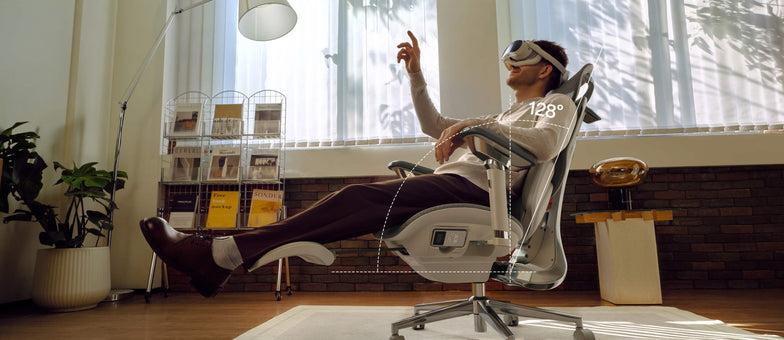 Best Ergonomic Chairs for Small Apartments in 2026
Introduction
Limited space doesn’t mean compromising posture. Compact ergonomic chairs offer complete support without crowding your room. In 2026, leading chairs feature smart design, space-saving profiles, and strong posture support, so you can work efficiently and protect your spine.
What Makes a Chair Ideal for Small Apartments
Compact Footprint Without Compromising Ergonomics
Choose a chair that balances small size and comfort. Look for these features:
· Slim backrests and space-saving bases
· Foldable or flip-up armrests
· Lightweight frames for easy repositioning
Your chair should fit under your desk and support good posture, even for long hours.
Multi-Functional Adjustability
In a small space, versatility is key. Pick a chair that adjusts as you move between tasks.
· Sitting position in front of the computer
· Relaxed reclining for reading
· Upright posture for focused work
These chairs adjust for any activity, reducing the need for extra furniture.
Ergonomic Posture Meaning and Why It Matters
Ergonomic posture means keeping your spine aligned while sitting. This reduces strain on muscles, joints, and spinal discs.
Poor posture leads to:
· Lower back compression
· Shoulder tension
· Neck fatigue
Modern ergonomic chairs guide your body into proper posture for students and professionals.
HBADA chairs are engineered to adapt to your body instead of forcing a fixed position, improving long-term spinal health.
Key Features to Look for in the Best Ergonomic Chair
Intelligent Lumbar Support
Your lumbar region bears the most pressure when you sit. That's why top chairs now offer:
· Automatic waist tracking
· Bio-synchronized support systems
· 3-zone lumbar structures
HBADA's latest models use adaptive lumbar systems that adjust as you move, ensuring support.
Ergonomic Armrests for Shoulder Relief
Arm support affects shoulder and back comfort. Seek chairs with height-adjustable armrests.
· Forward/backwards sliding.
· Rotation and tilt functions.
Set your chair’s armrests so your elbows are at 90 degrees. This small change can ease shoulder tension and make typing easier.
Breathable and Space-Efficient Materials
Mesh-backed chairs are very popular in 2026, and there are good reasons for that:
· High airflow for long sitting sessions
· Reduced bulk compared to foam chairs
· Even pressure distribution
Advanced mesh materials let air flow much better than traditional chair fabrics.
Smart Adjustment Technology
AI-powered chairs are redefining ergonomics:
· Real-time posture tracking
· Automatic lumbar positioning
· Minimal manual adjustments
Some models have built-in sensors that monitor how you sit and adjust the support to keep you in good alignment without any extra effort.
Best HBADA Ergonomic Chairs for Small Apartments (2026)
Product Comparison Table
HBADA E3 Pro 2026
Long work hours
3-zone lumbar, 6D armrests, headrest
Medium footprint
Adaptive support
HBADA E3 Air 2026
Compact spaces
Lightweight mesh, slim design
High
Manual + adaptive
HBADA X7 AI Chair
Premium users
AI lumbar tracking, massage, sensors
Medium
Fully automated
HBADA P2 Ergonomic Chair
Budget-friendly
Basic lumbar support, foldable arms
High
Manual
How to Choose the Right Chair for Your Space.
Measure Your Workspace First
Before choosing a chair, take a few quick measurements:
· Check desk height
· Measure floor clearance
· Ensure room for reclining.
Your chair should let you move and lean back easily, without hitting walls or furniture. This matters even more in small rooms.
Match Features to Usage
Consider how you’ll use your chair most of the time, and let that help you decide:
· Students: prioritize proper sitting posture for students and adjustable height
· Remote workers: focus on lumbar support and armrests
· Gamers: look for reclining and headrest support
Prioritize Adjustability Over Size Alone
A small chair without adjustable features can harm your posture. Always make sure your chair has:
· Seat height adjustment
· Lumbar positioning
· Armrest flexibility
Correct Sitting Posture on Chair (Step-by-Step)
Ideal Sitting Position in Front of the Computer
Follow this structure:
1. Feet flat on the floor
2. Knees at hip level
3. Back fully supported
4. Screen at eye level
5. Elbows close to the body
Maintaining this alignment helps your spine stay in its natural curve, which can significantly reduce tiredness and discomfort throughout the day.
Common Sitting Posture Types (and What to Avoid)
· Slouching: increases spinal pressure
· Leaning forward: strains neck and shoulders
· Crossing legs: affects circulation
A good ergonomic chair can help you avoid these habits by guiding your body into a healthier sitting position.
Why HBADA Chairs Stand Out in 2026
HBADA combines ergonomic research with advanced engineering:
· Multi-dimensional precision adjustments for all body types
· Certified ergonomic design supporting spinal alignment
· Over 100 durability and safety tests per chair
The newest models stand out because they focus on adaptive sitting. Instead of locking you into one position, these chairs move with you and support your body as you shift throughout the day.
Common Mistakes to Avoid
· Choosing style over ergonomics
· Ignoring armrest adjustability
· Buying oversized chairs for small rooms
· Skipping lumbar support features
· Not adjusting the chair after purchase.
Even the best chair only works well if you adjust it to fit your body and maintain good posture throughout the day.
FAQ
What is the best ergonomic chair for small apartments?
The best ergonomic chair combines compact design with full adjustability. Look for slim profiles, foldable armrests, and strong lumbar support. Models with adaptive features provide better long-term comfort without requiring extra space.
How do I maintain correct sitting posture on a chair daily?
Keep your back aligned with the backrest, feet flat, and screen at eye level. Adjust armrests to support your elbows. A well-designed ergonomic chair helps maintain this posture naturally throughout the day.
Are ergonomic chairs worth it for students?
Yes. Proper sitting posture for students reduces fatigue and improves focus. Ergonomic chairs support spinal alignment during long study sessions, preventing discomfort and long-term posture issues.
What features matter most in a compact ergonomic chair?
Prioritize lumbar support, adjustable armrests, breathable materials, and space-saving design. Smart adjustment features are a bonus but not essential for effective ergonomic support.
Conclusion
Picking the right ergonomic chair can really improve how you work and feel in a small apartment. I suggest looking for a chair that adapts to you, supports your posture, and fits your space, instead of just choosing the smallest one.
Find a chair that fits your space and your body. When your chair supports your posture, you’ll notice comfort and productivity come more easily.
For more information, please click here:
https://www.hbada.eu/products/e3-pro-ergonomic-office-chair
https://www.hbada.eu/products/e3-air-ergonomic-office-chair
https://www.hbada.eu/products/hbada-x7-smart-ergonomic-chair
Apr 27, 2026
Best Ergonomic Chairs for Small Apartments in 2026
Introduction
Limited space doesn’t mean compromising posture. Compact ergonomic chairs offer complete support without crowding your room. In 2026, leading chairs feature smart design, space-saving profiles, and strong posture support, so you can work efficiently and protect your spine.
What Makes a Chair Ideal for Small Apartments
Compact Footprint Without Compromising Ergonomics
Choose a chair that balances small size and comfort. Look for these features:
· Slim backrests and space-saving bases
· Foldable or flip-up armrests
· Lightweight frames for easy repositioning
Your chair should fit under your desk and support good posture, even for long hours.
Multi-Functional Adjustability
In a small space, versatility is key. Pick a chair that adjusts as you move between tasks.
· Sitting position in front of the computer
· Relaxed reclining for reading
· Upright posture for focused work
These chairs adjust for any activity, reducing the need for extra furniture.
Ergonomic Posture Meaning and Why It Matters
Ergonomic posture means keeping your spine aligned while sitting. This reduces strain on muscles, joints, and spinal discs.
Poor posture leads to:
· Lower back compression
· Shoulder tension
· Neck fatigue
Modern ergonomic chairs guide your body into proper posture for students and professionals.
HBADA chairs are engineered to adapt to your body instead of forcing a fixed position, improving long-term spinal health.
Key Features to Look for in the Best Ergonomic Chair
Intelligent Lumbar Support
Your lumbar region bears the most pressure when you sit. That's why top chairs now offer:
· Automatic waist tracking
· Bio-synchronized support systems
· 3-zone lumbar structures
HBADA's latest models use adaptive lumbar systems that adjust as you move, ensuring support.
Ergonomic Armrests for Shoulder Relief
Arm support affects shoulder and back comfort. Seek chairs with height-adjustable armrests.
· Forward/backwards sliding.
· Rotation and tilt functions.
Set your chair’s armrests so your elbows are at 90 degrees. This small change can ease shoulder tension and make typing easier.
Breathable and Space-Efficient Materials
Mesh-backed chairs are very popular in 2026, and there are good reasons for that:
· High airflow for long sitting sessions
· Reduced bulk compared to foam chairs
· Even pressure distribution
Advanced mesh materials let air flow much better than traditional chair fabrics.
Smart Adjustment Technology
AI-powered chairs are redefining ergonomics:
· Real-time posture tracking
· Automatic lumbar positioning
· Minimal manual adjustments
Some models have built-in sensors that monitor how you sit and adjust the support to keep you in good alignment without any extra effort.
Best HBADA Ergonomic Chairs for Small Apartments (2026)
Product Comparison Table
HBADA E3 Pro 2026
Long work hours
3-zone lumbar, 6D armrests, headrest
Medium footprint
Adaptive support
HBADA E3 Air 2026
Compact spaces
Lightweight mesh, slim design
High
Manual + adaptive
HBADA X7 AI Chair
Premium users
AI lumbar tracking, massage, sensors
Medium
Fully automated
HBADA P2 Ergonomic Chair
Budget-friendly
Basic lumbar support, foldable arms
High
Manual
How to Choose the Right Chair for Your Space.
Measure Your Workspace First
Before choosing a chair, take a few quick measurements:
· Check desk height
· Measure floor clearance
· Ensure room for reclining.
Your chair should let you move and lean back easily, without hitting walls or furniture. This matters even more in small rooms.
Match Features to Usage
Consider how you’ll use your chair most of the time, and let that help you decide:
· Students: prioritize proper sitting posture for students and adjustable height
· Remote workers: focus on lumbar support and armrests
· Gamers: look for reclining and headrest support
Prioritize Adjustability Over Size Alone
A small chair without adjustable features can harm your posture. Always make sure your chair has:
· Seat height adjustment
· Lumbar positioning
· Armrest flexibility
Correct Sitting Posture on Chair (Step-by-Step)
Ideal Sitting Position in Front of the Computer
Follow this structure:
1. Feet flat on the floor
2. Knees at hip level
3. Back fully supported
4. Screen at eye level
5. Elbows close to the body
Maintaining this alignment helps your spine stay in its natural curve, which can significantly reduce tiredness and discomfort throughout the day.
Common Sitting Posture Types (and What to Avoid)
· Slouching: increases spinal pressure
· Leaning forward: strains neck and shoulders
· Crossing legs: affects circulation
A good ergonomic chair can help you avoid these habits by guiding your body into a healthier sitting position.
Why HBADA Chairs Stand Out in 2026
HBADA combines ergonomic research with advanced engineering:
· Multi-dimensional precision adjustments for all body types
· Certified ergonomic design supporting spinal alignment
· Over 100 durability and safety tests per chair
The newest models stand out because they focus on adaptive sitting. Instead of locking you into one position, these chairs move with you and support your body as you shift throughout the day.
Common Mistakes to Avoid
· Choosing style over ergonomics
· Ignoring armrest adjustability
· Buying oversized chairs for small rooms
· Skipping lumbar support features
· Not adjusting the chair after purchase.
Even the best chair only works well if you adjust it to fit your body and maintain good posture throughout the day.
FAQ
What is the best ergonomic chair for small apartments?
The best ergonomic chair combines compact design with full adjustability. Look for slim profiles, foldable armrests, and strong lumbar support. Models with adaptive features provide better long-term comfort without requiring extra space.
How do I maintain correct sitting posture on a chair daily?
Keep your back aligned with the backrest, feet flat, and screen at eye level. Adjust armrests to support your elbows. A well-designed ergonomic chair helps maintain this posture naturally throughout the day.
Are ergonomic chairs worth it for students?
Yes. Proper sitting posture for students reduces fatigue and improves focus. Ergonomic chairs support spinal alignment during long study sessions, preventing discomfort and long-term posture issues.
What features matter most in a compact ergonomic chair?
Prioritize lumbar support, adjustable armrests, breathable materials, and space-saving design. Smart adjustment features are a bonus but not essential for effective ergonomic support.
Conclusion
Picking the right ergonomic chair can really improve how you work and feel in a small apartment. I suggest looking for a chair that adapts to you, supports your posture, and fits your space, instead of just choosing the smallest one.
Find a chair that fits your space and your body. When your chair supports your posture, you’ll notice comfort and productivity come more easily.
For more information, please click here:
https://www.hbada.eu/products/e3-pro-ergonomic-office-chair
https://www.hbada.eu/products/e3-air-ergonomic-office-chair
https://www.hbada.eu/products/hbada-x7-smart-ergonomic-chair
Apr 27, 2026