

Blog

Can a Standing Desk Help with Haemorrhoids? A European Workstation Guide

Can a Standing Desk Help with Haemorrhoids? A European Workstation Guide

Updated July 29, 2026

Quick answer: A standing desk may help reduce long, uninterrupted periods of sitting, but it is not a treatment for haemorrhoids. A more realistic approach is to alternate between sitting, standing and walking while also addressing constipation, straining, hydration and dietary fibre.

A 2023 case-control study found that participants who reported sitting for five or more hours per day had higher odds of haemorrhoids and/or anal fissures than those who sat for less time. However, this observational study does not prove that sitting caused either condition, and it does not establish five hours as a universal medical threshold.

This guide explains what the available evidence can—and cannot—tell us about standing desks, prolonged sitting and haemorrhoids. It also covers practical sit-stand habits and the role a properly fitted ergonomic chair can play in a more comfortable European home or office workstation.

Medical disclaimer: This article provides general educational information and is not medical advice. A desk or chair cannot diagnose, prevent, cure or treat haemorrhoids. Rectal bleeding, severe pain, recurring symptoms or an unexplained change around the anus should be assessed by an appropriate healthcare professional in your country.

Why Desk Workers May Experience Haemorrhoids

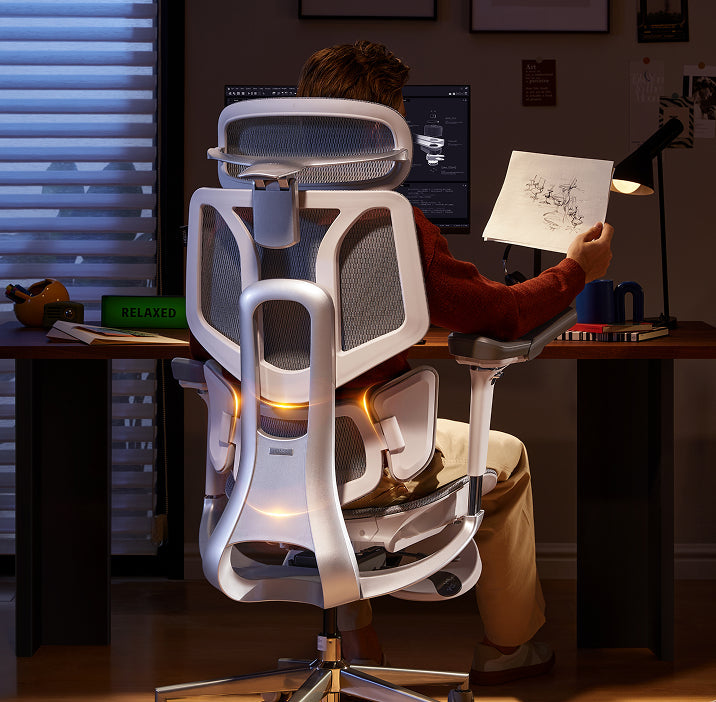
~scene

Haemorrhoids, also known as piles, are swollen blood vessels inside or around the anus. Their exact cause is not always clear, and several factors may contribute to their development or aggravate existing symptoms.

Commonly cited contributing factors include constipation, straining during bowel movements, pregnancy, ageing, being overweight and regularly lifting heavy objects. Spending longer than necessary on the toilet may also increase pressure around the anal blood vessels.

The Possible Role of Prolonged Sitting

Long periods of uninterrupted sitting reduce opportunities for movement and may contribute indirectly to constipation, physical inactivity or discomfort around the pelvic area. However, prolonged office sitting should not be treated as the sole explanation for haemorrhoids.

Haemorrhoidal disease is multifactorial. Changing a desk or chair cannot address every contributing factor, and a person experiencing symptoms should not assume that their office chair is the direct cause.

What Does the Five-Hour Study Actually Show?

A 2023 case-control study published in the Sudan Journal of Medical Sciences compared 81 patients with endoscopically confirmed haemorrhoids and/or anal fissures with 162 matched controls.

Participants in the patient group reported an average of 5.99 sitting hours per day, compared with 4.0 hours among controls. Sitting for five or more hours per day was associated with an odds ratio of 3.68, with a 95% confidence interval of 2.1 to 6.47.

This is an association, not proof of cause and effect. The study combined haemorrhoids and anal fissures as an outcome and examined a specific population. It should not be interpreted as meaning that sitting for 4 hours and 59 minutes is safe or that passing five hours automatically causes haemorrhoids.

Source: Is Prolonged Sitting a Risk Factor in Developing Hemorrhoids and Anal Fissures?

Do Standing Desks Help Haemorrhoids?

~scene

A standing desk may help indirectly by breaking up prolonged sitting, but there is currently no clinical evidence that a standing desk treats or cures haemorrhoids. Its main benefit is behavioural: it makes it easier to change posture during the working day.

The available evidence and clinical guidance reasonably support the following points:

  • Less uninterrupted sitting: A height-adjustable desk can make it easier to alternate between seated and standing work.
  • More opportunities to move: Changing position can act as a reminder to walk, stretch or refill a glass of water.
  • Support for general bowel health: Regular physical activity can help reduce constipation, which may reduce straining during bowel movements.
  • No direct curative effect: A standing desk does not shrink haemorrhoids or replace appropriate self-care and medical assessment.

General clinical guidance focuses on keeping stools soft, drinking sufficient fluid, eating fibre, avoiding excessive straining and not spending longer than necessary on the toilet.

English-language clinical reference: NHS: Piles (haemorrhoids). EU readers should also follow the guidance of their own national health service or healthcare professional.

Why Standing All Day Is Not the Answer

Replacing an entire day of sitting with an entire day of static standing is not an ideal solution. Prolonged standing can contribute to foot and leg discomfort, fatigue and swelling in some people.

The more practical goal is frequent variation rather than searching for one perfect posture. A height-adjustable desk works best when it allows you to move between comfortable sitting, standing and short walking breaks.

The desk is therefore only one part of the workstation. The chair you return to should also fit your body and allow you to sit without excessive pressure behind the thighs or unsupported slumping.

A Practical Sit-Stand Routine for European Office Workers

There is no medically established sit-stand schedule specifically for haemorrhoids. The following routine is a practical starting point rather than a treatment protocol:

  • Try a flexible 45:15 rhythm: Sit for approximately 45 minutes, then stand or move for 10 to 15 minutes. Adjust the timing to your comfort, ability and work requirements.
  • Avoid uninterrupted sitting: Use calls, water breaks or routine tasks as prompts to change position.
  • Take short walks: A few minutes of gentle walking during the morning and afternoon adds movement without disrupting the entire working day.
  • Do not remain on the toilet unnecessarily: Avoid using a phone or reading material that encourages you to stay seated longer than needed.
  • Drink sufficient fluid: Hydration works together with dietary fibre to help keep stools soft.
  • Increase fibre gradually: Fruit, vegetables, whole grains, oats, pulses, nuts and seeds can contribute dietary fibre. A sudden large increase may cause bloating or discomfort.
  • Use a properly fitted chair: Adjust the seat so that your feet are supported and the front edge does not press firmly into the backs of your thighs.

If you have a health condition that affects standing, circulation, balance, mobility or fatigue, consult an appropriate healthcare professional before making major changes to your working routine.

Why Your Chair Still Matters as Much as Your Desk

A sit-stand desk can reduce uninterrupted sitting, but most office workers will still complete part of the day while seated. During that time, a poorly fitted chair may create discomfort or encourage a slumped working position.

A suitable ergonomic chair should help distribute body weight across the seat, support the feet and thighs, and allow the backrest and armrests to be adjusted for the user and desk.

No chair can prevent or treat haemorrhoids. However, a well-fitted chair may make seated work more comfortable and make it easier to maintain a neutral working position.

When comparing chairs, look for:

  • A seat-height range that allows the feet to rest securely on the floor or a footrest
  • Adjustable seat depth with space between the seat edge and the backs of the knees
  • Lumbar support that aligns with the lower back
  • Armrests that allow the shoulders to remain relaxed
  • A recline mechanism that allows position changes
  • A breathable seat and backrest appropriate for the working environment

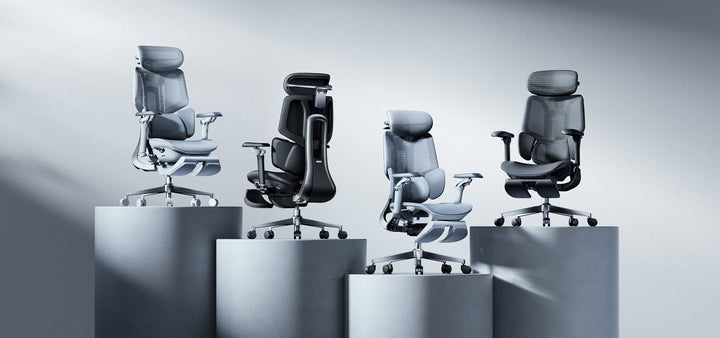
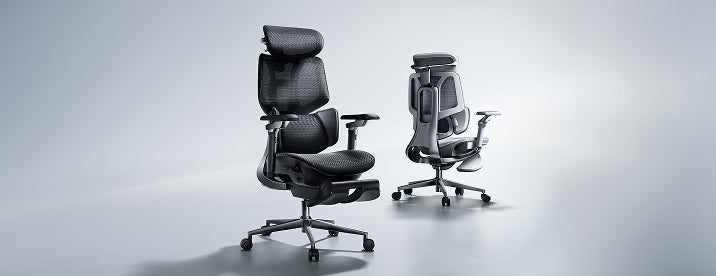
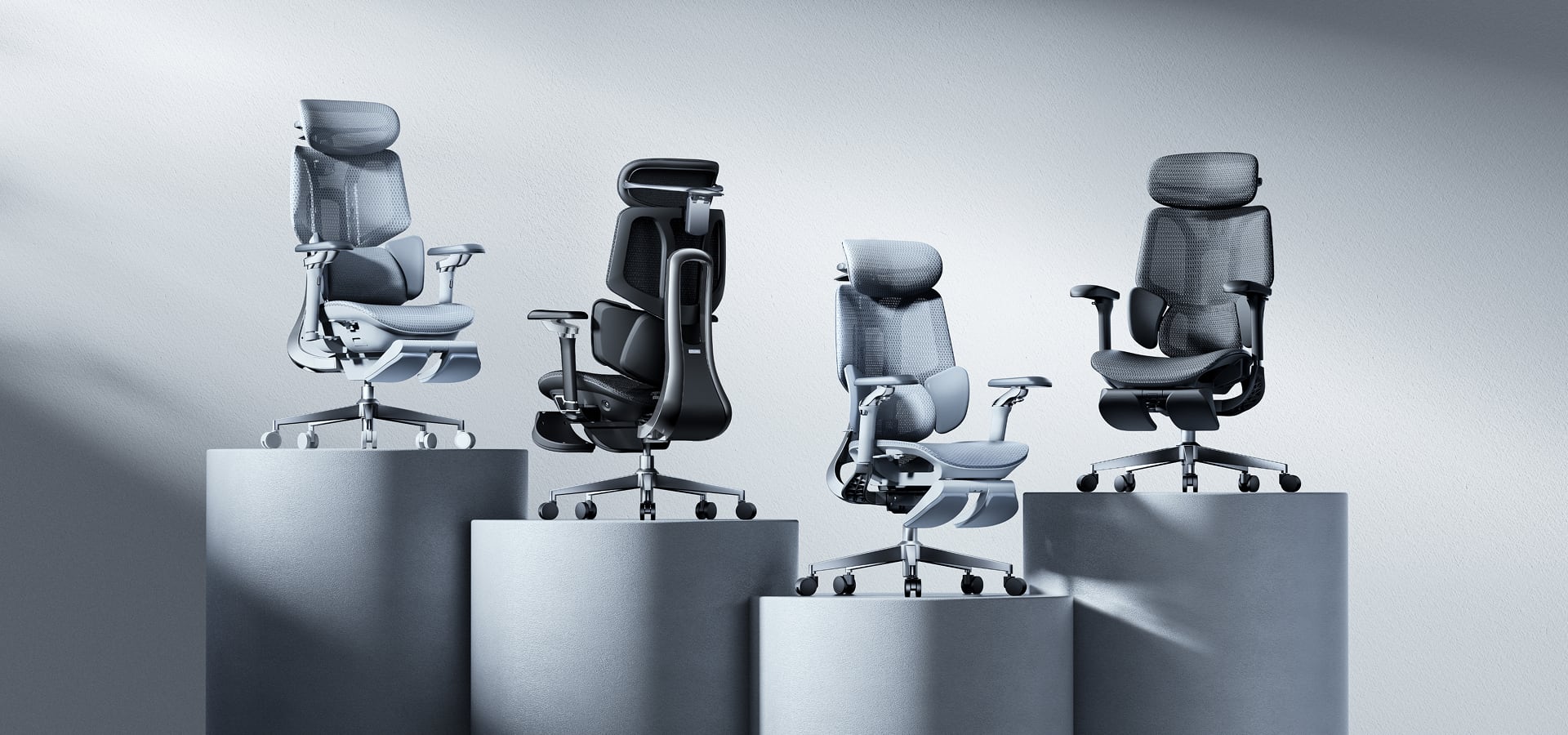
You can explore the current European models in the HBADA EU ergonomic office chair collection.

Two Illustrative Workstation Scenarios

The following examples are illustrative workstation scenarios. They are not clinical case studies or verified medical outcomes.

Scenario 1: A Professional Working Long Remote Shifts

Consider a remote professional who spends much of the day moving between focused computer work, video calls and administrative tasks. A chair with limited seat-depth, backrest or armrest adjustment may make it difficult to maintain a comfortable workstation.

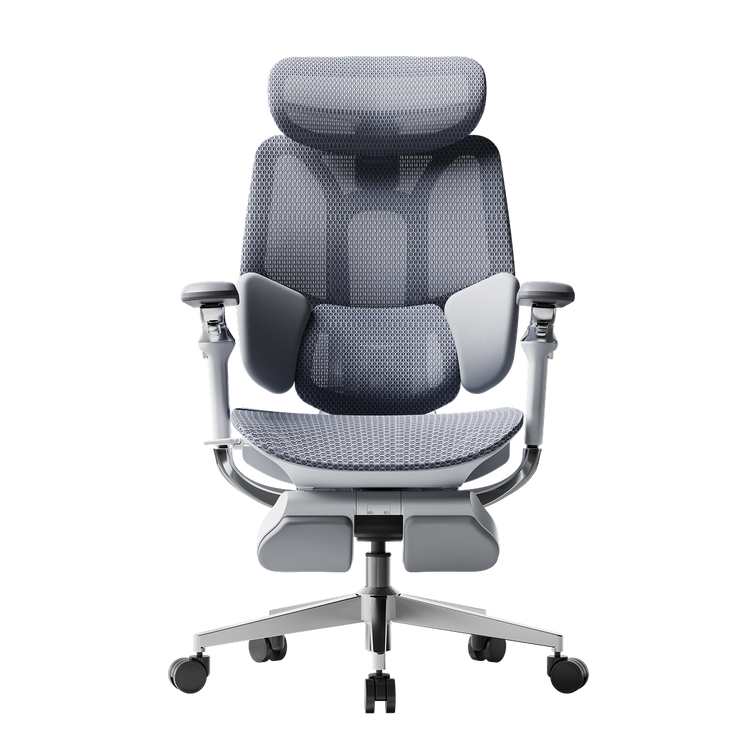
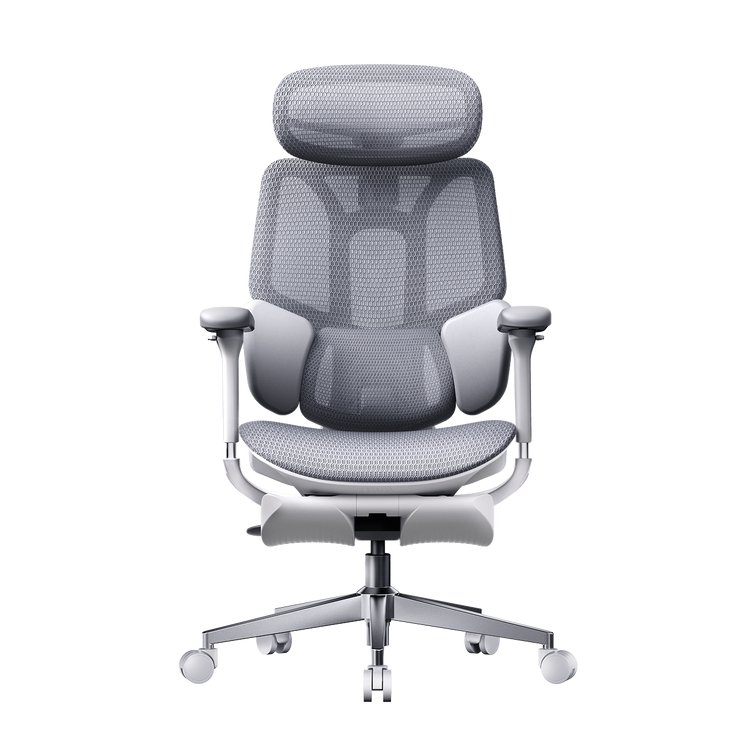
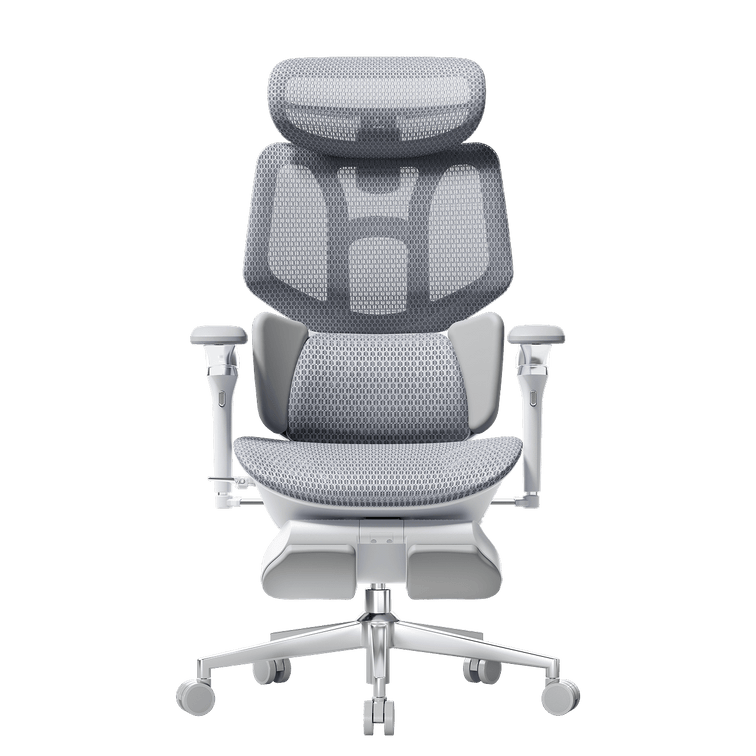
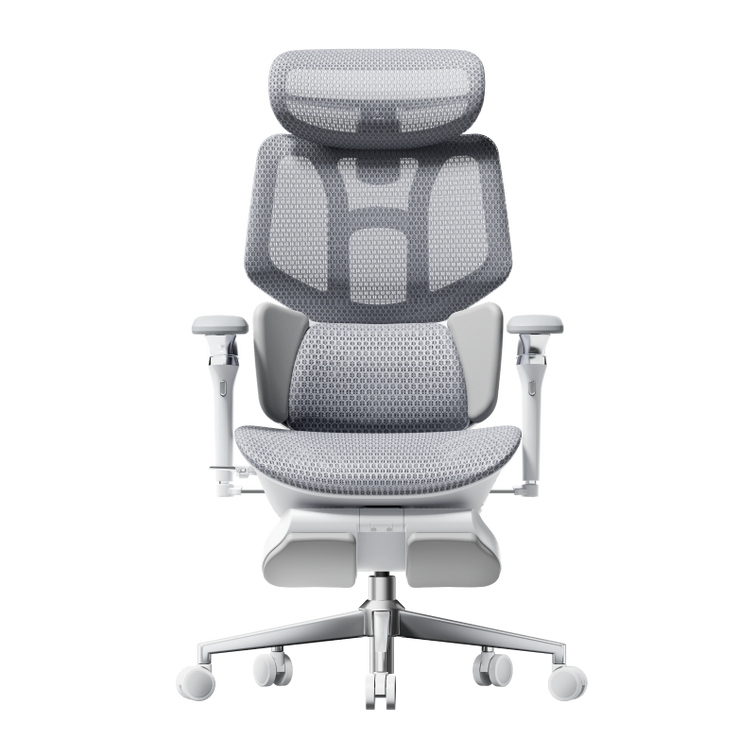
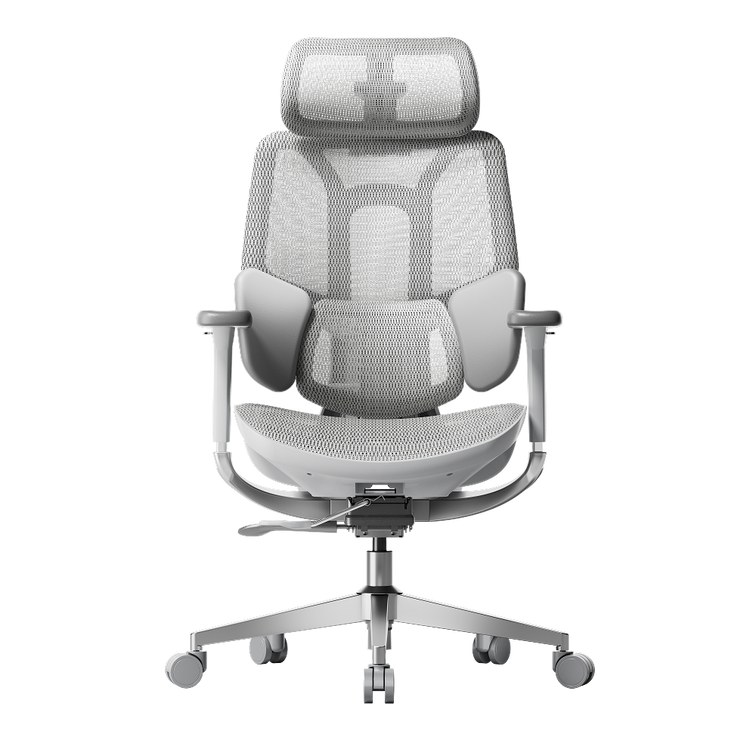
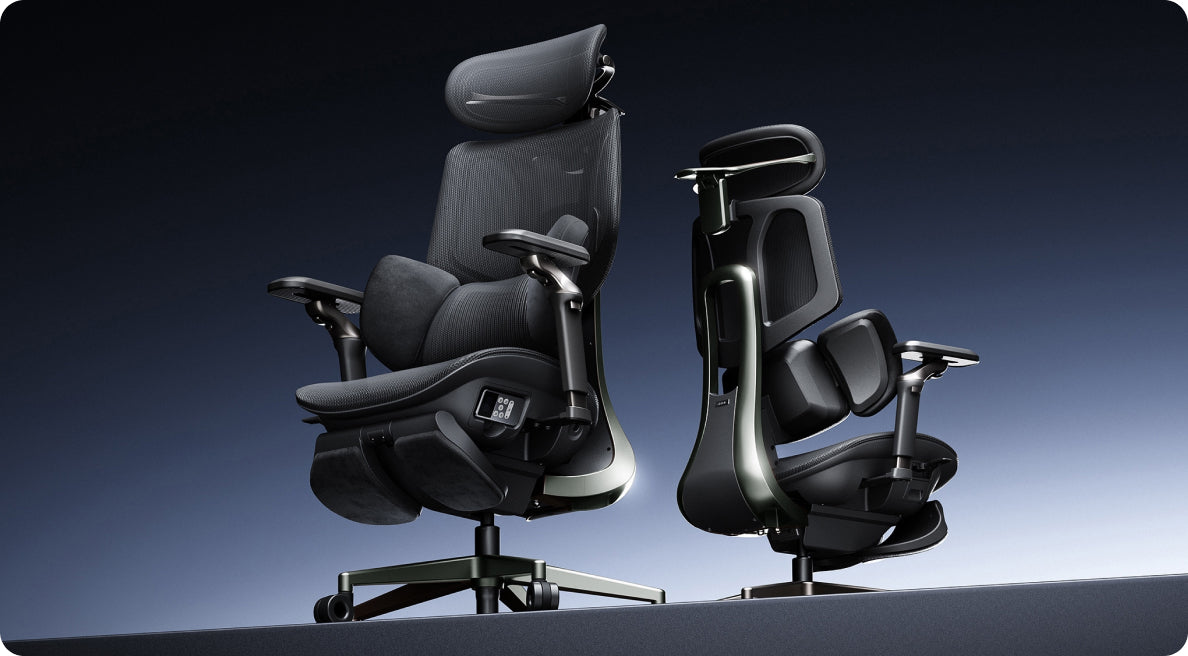
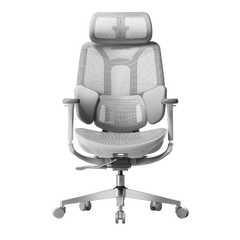
Pairing a height-adjustable desk with the HBADA E3 Pro 2026 Edition provides a broad range of mechanical adjustments. The EU model includes three-zone adaptive lumbar support, adjustable seat depth, a height-adjustable backrest, a dual-axis headrest and highly adjustable armrests.

The current EU product information recommends the chair for users approximately 155–195cm tall and states a maximum weight capacity of 150kg. Users should still compare the complete dimensions with their own body and desk measurements.

Scenario 2: A User Who Frequently Changes Working Position

A user who moves regularly between upright typing, reclining and short rest periods may prefer a chair with responsive support and fine adjustment.

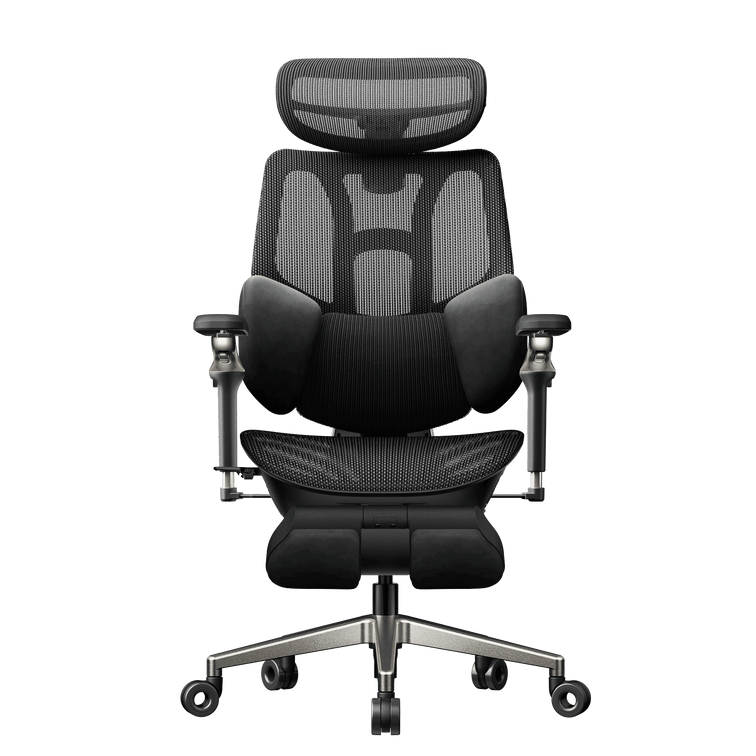
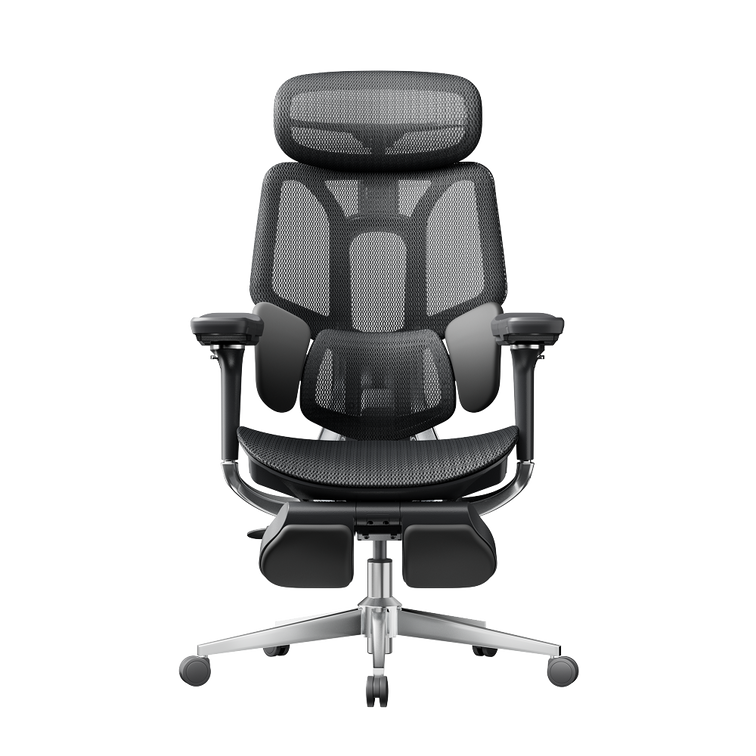
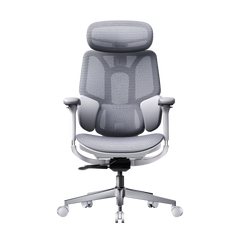
The HBADA X7 Smart Ergonomic Office Chair combines AI lumbar tracking with 5cm of seat-depth adjustment, a dual-axis headrest, adjustable armrests and an extendable leg rest. Selected configurations also include massage, heating and seat ventilation.

The EU product page recommends the X7 for users approximately 150–195cm tall and states a maximum load of 150kg. Its published seat-depth range is approximately 40.5–45.5cm, and its seat-height range is approximately 44.5–53cm.

Neither chair should be presented as a treatment for haemorrhoids, back pain or another medical condition. The purpose of these examples is to show how chair dimensions and adjustment ranges can affect workstation fit.

HBADA EU Product Comparison at a Glance

Feature HBADA E3 Pro 2026 Edition HBADA X7 Smart
Support system Three-zone adaptive mechanical lumbar support Powered AI lumbar-tracking support
Recommended height Approximately 155–195cm Approximately 150–195cm
Maximum stated load 150kg 150kg
Seat-depth adjustment Approximately 5cm Approximately 5cm; published range 40.5–45.5cm
Headrest 4D dual-axis adjustable headrest 4D dual-axis adjustable headrest
Armrests Highly adjustable 720° mechanical armrest system Highly adjustable 720° mechanical armrest system
Maximum recline Up to 140° Up to 140° according to the current EU configuration
Powered functions No battery required for normal adjustment AI lumbar tracking; selected configurations include massage, heating and ventilation
Best considered by Users who prefer extensive mechanical adjustment without battery maintenance Users who value responsive powered support and additional electronic comfort features

Specifications, configurations, prices and availability can change. Confirm all measurements and features on the relevant HBADA EU product page before purchasing.

When to Seek Medical Advice

Workstation changes are comfort-oriented measures, not medical treatment. Do not assume that rectal bleeding is caused by haemorrhoids without appropriate assessment.

Contact a doctor or appropriate healthcare service in your country if:

  • Your symptoms are getting worse or do not improve after trying appropriate self-care.
  • The symptoms keep returning.
  • You notice bleeding or a change around the anus that is not normal for you.
  • You are uncertain whether the symptoms are caused by haemorrhoids.
  • You have a high temperature, feel generally unwell or notice discharge.

Seek urgent medical assistance through the emergency service in your country if:

  • Bleeding does not stop.
  • There is a large amount of blood or large blood clots.
  • You experience severe pain, weakness, dizziness or fainting.

European emergency numbers and access routes can differ by country. The common EU emergency number is 112, but local medical services should be used according to the situation and national guidance.

Which Chair Should You Choose?

A standing desk can help break up prolonged sitting, but current research does not show that it cures haemorrhoids. A sensible workstation strategy combines posture changes, short walks and a properly fitted chair with evidence-based measures such as sufficient fluid, dietary fibre and avoiding excessive straining.

  • Consider the HBADA E3 Pro 2026 Edition if you prefer extensive mechanical adjustability, a three-zone lumbar system and no battery requirement for normal chair operation.
  • Consider the HBADA X7 Smart if you want AI lumbar tracking and value optional powered features such as massage, heating and seat ventilation.

The final choice should be based on your height, leg length, desk dimensions, preferred adjustment method and budget—not on medical promises.

For additional selection guidance, read the 2026 European ergonomic office chair buyer’s guide.

Frequently Asked Questions

Is standing or sitting better for haemorrhoids?

Neither prolonged sitting nor prolonged static standing is ideal. Alternating between comfortable sitting, standing and short walks can reduce uninterrupted time in one position. A standing desk may make these changes easier, but it does not treat existing haemorrhoids.

How long should you sit if you have haemorrhoids?

There is no clinically established maximum sitting time that applies to every person with haemorrhoids. As a practical measure, avoid long uninterrupted blocks and change position regularly if it is comfortable and safe to do so.

Does the five-hour study establish a safe sitting limit?

No. The study found an association between five or more reported sitting hours and haemorrhoids and/or anal fissures in one population. It did not establish a universal safe or unsafe daily sitting threshold.

Can an office chair cause haemorrhoids?

A chair by itself has not been established as a direct cause of haemorrhoids. Prolonged sitting may be one contributing factor, while constipation and straining are particularly important. A poorly fitted chair can cause discomfort, but an ergonomic chair should not be marketed as preventing or treating haemorrhoids.

Does walking help with haemorrhoids?

Regular gentle activity can support general movement and may help reduce constipation. Walking should be viewed as supportive self-care rather than a cure for haemorrhoids.

Does a standing desk cure haemorrhoids?

No. A standing desk changes how you work; it does not shrink or remove haemorrhoids. Persistent, recurrent, painful or bleeding symptoms should be discussed with a healthcare professional.

Should I use a cushion for haemorrhoids?

A cushion may improve comfort temporarily, but very soft or poorly supportive cushions can alter sitting posture. Seek medical advice for persistent symptoms rather than relying on a cushion or chair modification alone.

What is a practical desk setup for someone with haemorrhoids?

A practical setup includes a height-adjustable desk, a chair that fits the user, supported feet, suitable seat depth and regular opportunities to stand and walk. Workstation changes should be combined with appropriate self-care and medical advice when needed.

Final Thoughts

A height-adjustable desk may help reduce uninterrupted sitting, but it is not a medical treatment for haemorrhoids. The most realistic strategy is to vary your working position, take short movement breaks, avoid unnecessary time on the toilet and follow appropriate dietary and medical guidance.

When seated, choose a chair whose height, depth, backrest and armrests can be adjusted to your body and workstation. Explore the HBADA EU ergonomic office chair collection and compare the published measurements before deciding.
Producto relevante

También te puede gustar

How to Choose the Best HBADA Ergonomic Office Chair in France (2026 Guide) How to Choose the Best HBADA Ergonomic Office Chair in France (2026 Guide) Updated July 30, 2026 If you are looking for the best HBADA ergonomic office chair in France, the right choice depends on your height, desk setup, sitting time and preferred level of adjustability. The HBADA E3 series is designed for users who want advanced mechanical support, while the X7 series adds smart lumbar tracking, heating, massage and seat ventilation. This guide explains how to compare the main HBADA models, what features matter for long working hours and what French customers should check before ordering from the official HBADA Europe store. Quick answer: Choose the E3 Air for essential ergonomic support, the E3 Pro for more extensive lumbar and upper-body adjustment, or the X7 if you want automatic lumbar tracking and smart comfort functions. If relaxation is important, look specifically for an ergonomic office chair with footrest, because not every configuration includes one. Table of Contents Why Choose an HBADA Ergonomic Office Chair? What to Look for in an Ergonomic Office Chair Comparing the HBADA Office Chair Lineup Buying an HBADA Chair in France Can MDPH Help Fund an Ergonomic Chair? Common Chair-Buying Mistakes Which HBADA Chair Should You Choose? Frequently Asked Questions Why Choose an HBADA Ergonomic Office Chair? HBADA has focused on ergonomic seating for more than 16 years. The brand develops office chairs around adjustable lumbar support, head and neck positioning, arm support, seat pressure distribution and long-session comfort. Selected HBADA models have passed testing by the German Institute for Health and Ergonomics, or IGR. However, certifications and specifications can vary between products, so customers should verify the certification information displayed on the individual product page instead of assuming that every HBADA chair has exactly the same certifications. The HBADA E3 series focuses on adaptive three-zone lumbar support and extensive mechanical adjustment. The HBADA X7 Smart adds AI-powered lumbar tracking, massage, heating and an actively ventilated seat. This range makes HBADA relevant to several types of users, including home-office workers, professionals who sit for extended periods and buyers looking for a more adjustable alternative to a standard desk chair. What to Look for in an Ergonomic Office Chair Product photographs can make many office chairs look similar. The following features have a much greater effect on fit and everyday comfort. 1. Lumbar support type A useful lumbar support should fit the curve of your lower back without creating one concentrated pressure point. HBADA’s three-zone lumbar systems are designed to support different areas of the lower back, while more advanced smart models can track changes in sitting position automatically. 2. Seat height and depth Your feet should rest securely on the floor or on a suitable footrest. Ideally, the seat should also leave a small gap between its front edge and the back of your knees. Adjustable seat depth is particularly useful for taller users or people with longer legs. 3. Headrest adjustment A multi-directional headrest can help position the head and neck during upright work and reclined breaks. Check whether the headrest adjusts vertically, forward and backward, and by angle. 4. Armrest range Armrests should allow your shoulders to remain relaxed while typing. Advanced HBADA models offer multi-directional armrests that can adapt to different desk heights, keyboard positions and reclined postures. 5. Seat material and airflow Breathable mesh can help reduce heat buildup during long working sessions. HBADA’s CloudMesh seating is also designed to distribute pressure across the seat rather than concentrating it in one area. 6. Recline and footrest configuration If you plan to alternate between focused work and relaxation, check the recline angle and whether the selected configuration includes a footrest. An ergonomic office chair with footrest may be useful for occasional reclined breaks, but the footrest should not replace regular movement throughout the day. 7. Weight capacity and gas lift Always check the stated weight capacity and recommended user-height range. Several HBADA models use a Class 4 gas lift, but the exact specification should be confirmed on the relevant product page. Comparing the HBADA Office Chair Lineup The following comparison provides a simple overview of the main models currently promoted by HBADA Europe. Available colours, configurations, prices and stock can change. Model Best For Key Features Position in the Range HBADA E3 Air Users who want essential ergonomic support at a more accessible price Breathable mesh, core lumbar support and practical everyday adjustment Value-focused E3 model HBADA E3 Pro People who sit for long periods and want more extensive adjustment Three-zone lumbar support, adjustable headrest, multi-directional armrests and CloudMesh seating Mid-range ergonomic model HBADA E3 Pro 2026 Users looking for the latest E3 mechanical support system Dynamic three-zone lumbar support, multiple adjustment points and updated armrest and headrest design Advanced E3 model HBADA X7 Smart Users who want automated support and smart comfort functions AI lumbar tracking, three-level massage, three-level heating, ventilated seat and 4D headrest Flagship smart model Because promotional prices can change, this table intentionally does not present fixed euro prices. Check the official HBADA France store for the current price, colour selection, footrest configuration and availability. Buying an HBADA Chair in France Customers in France can order through the official HBADA Europe store. According to the current HBADA EU shipping policy, France is included in the available delivery regions. Order processing: generally listed as one business day. Delivery: generally listed as within approximately five business days, although timing can vary by location. Shipping cost: free shipping is available in most deliverable EU regions, but certain products or locations may incur a charge. Taxes and import fees: the official policy states that customers in Europe should not need to pay additional import fees or taxes. The checkout page remains the final reference for the delivery charge, estimated arrival date and total euro price for your address. Returns and warranty HBADA EU currently offers a 30-day return period, subject to the condition of the chair and the reason for return. If a return is based on personal preference rather than a verified quality problem, the customer may be responsible for part of the return shipping cost. Warranty coverage varies by model series and component. The official warranty information currently lists three- to five-year coverage, with extended coverage available for selected core components in the E3 and X7 series. Review the current HBADA warranty terms before ordering. Important: Keep the original packaging during the return period. A chair returned without suitable packaging may be subject to deductions if it is damaged during return transport. Can MDPH Help Fund an Ergonomic Chair? In some circumstances, a person with a recognised disability may request assistance for technical equipment through the French MDPH and the Prestation de compensation du handicap, or PCH. However, an ordinary ergonomic office chair is not automatically eligible. Approval depends on the applicant’s disability-related needs, supporting documents and the decision of the relevant MDPH or CDAPH. If the chair is required for a diagnosed disability or workplace adaptation, contact your local MDPH before purchasing. You may be asked to provide a medical certificate, professional assessment, product quotation or explanation of how the equipment compensates for a specific limitation. See the official Service-Public.fr PCH guide for current eligibility information. Common Chair-Buying Mistakes Choosing only by price A lower price does not necessarily mean better value if the chair lacks the adjustments required for your body. Compare lumbar support, seat dimensions, headrest range and armrest positioning before comparing discounts. Ignoring desk height Measure your desk before ordering. The chair’s seat and armrests should fit underneath or align comfortably with the work surface without forcing your shoulders upward. Assuming every model includes a footrest Some HBADA models are available both with and without a footrest. Confirm the selected configuration, colour and variant before completing the order. Assuming every chair has smart functions Massage, heating, ventilation and AI lumbar tracking are associated with selected X7 configurations. The E3 models mainly use mechanical ergonomic systems and should not be expected to include all X7 functions. Expecting a chair to treat back pain An ergonomic chair may support a more comfortable sitting position, but it does not diagnose or treat a medical condition. Persistent or severe back pain should be discussed with an appropriate healthcare professional. Which HBADA Chair Should You Choose? The best HBADA office chair in 2026 is the model that fits your body and daily routine—not simply the model with the longest feature list. Choose the E3 Air if you want core ergonomic support and breathable seating at a more accessible price. Choose the E3 Pro if you need more extensive lumbar, headrest and armrest adjustment for long work sessions. Choose the E3 Pro 2026 if you want the latest advanced mechanical design in the E3 range. Choose the X7 Smart if automatic lumbar tracking, massage, heating and ventilation are important to you. Before ordering, compare the recommended user-height range, weight capacity, seat dimensions, selected configuration, warranty terms and current return policy. Ready to compare the current models? Explore the HBADA E3 Series or view the HBADA X7 Smart ergonomic chair. Frequently Asked Questions What makes an HBADA ergonomic office chair different from a regular office chair? HBADA chairs offer model-dependent ergonomic features such as multi-zone lumbar support, adjustable seat depth, multi-directional headrests and armrests, breathable mesh and, in selected X7 models, AI lumbar tracking and smart comfort functions. Which HBADA chair is suitable for long working hours? The E3 Pro and E3 Pro 2026 are designed for users who want extensive mechanical adjustment during long work sessions. The X7 is the more advanced option for users who want automatic lumbar tracking, heating, massage and seat ventilation. Which HBADA chair is best for back support? The E3 and X7 ranges provide the most advanced lumbar-support systems in the current HBADA Europe lineup. The right model depends on your height, preferred lumbar pressure and adjustment needs. An ergonomic chair may improve sitting comfort but should not be treated as medical care. How much does an HBADA ergonomic office chair cost in France? Prices vary by model, selected configuration, colour and active promotion. Check the official HBADA France product page for the current euro price rather than relying on an older fixed price. Does HBADA deliver to France? Yes. France is currently included in the HBADA Europe delivery regions. Most deliverable EU regions qualify for free shipping, although charges may apply to certain products or locations. The exact amount is displayed at checkout. How long does delivery to France take? The current HBADA EU shipping policy lists approximately one business day for order processing and delivery within about five business days. Actual timing may vary by address and logistics conditions. What warranty is included? HBADA EU warranty coverage currently ranges from three to five years depending on the product series and component. Buyers should check the warranty page and individual product listing for the exact coverage that applies to their chair. Can MDPH help pay for an ergonomic office chair? Possibly, but funding is not automatic. PCH or other MDPH assistance depends on eligibility, disability-related need and approval by the responsible authority. Contact your MDPH and obtain guidance before purchasing. Office Chair Seat Imprints: Causes & Prevention | HBADA EU Office Chair Seat Imprints: Causes & Prevention | HBADA EU Last reviewed: July 2026 You stand up, glance down, and notice a body-shaped dent in your office chair. This is usually caused by wear in the seat material—not by anything being wrong with your body. In a padded office chair, the most common cause is foam compression set: the foam gradually loses its ability to return to its original shape after repeated pressure. Although no seat material lasts forever, choosing a well-built ergonomic office chair, adjusting it correctly and changing position regularly may help maintain more consistent support. Quick answer: A permanent office chair seat dent normally means that the foam or seat suspension has started to wear. It cannot usually be restored completely. If the seat no longer distributes pressure comfortably, consider replacing the cushion, seat assembly or chair. Table of Contents What Are Office Chair Seat Imprints? What Causes Office Chair Seat Imprints? Are Chair Imprints Bad for You? Foam vs Mesh Seats How to Reduce Office Chair Seat Wear When Should You Replace the Seat or Chair? Choosing an HBADA Ergonomic Office Chair Frequently Asked Questions What Are Office Chair Seat Imprints? An office chair seat imprint is a visible depression in the cushion or suspended seat surface. In a foam seat, it often appears when the foam cells no longer recover fully after pressure is removed. This process is commonly described as compression set. It is a form of material wear rather than a medical condition or a reflection of the user’s body shape. A small temporary impression after sitting may be normal. A dent that remains after the chair has been unused for several hours is more likely to indicate permanent material fatigue. What Causes Office Chair Seat Imprints? Foam compression and material fatigue Foam contains a network of cells that compress when you sit and recover when pressure is removed. With repeated use, some cells may lose elasticity and stop returning to their original form. The speed at which this happens depends on several factors: Foam density and construction quality Daily sitting time User weight and sitting position Heat, humidity and direct sunlight Whether pressure is repeatedly concentrated in the same area The age and maintenance of the chair Thin or low-quality cushioning may show permanent compression sooner. Higher-density or moulded foam may retain its form for longer, but no foam seat is completely immune to wear. Pressure beneath the sit bones When you sit, a significant part of your weight is transferred through the ischial tuberosities, commonly called the sit bones. This concentrates pressure around the centre-rear portion of the seat. If the chair does not fit correctly—or if the user remains in one position for extended periods—the same area may be loaded repeatedly. Over time, this can contribute to uneven wear. Incorrect seat depth A seat that is too deep may prevent the user from sitting fully against the backrest. A seat that is too shallow may provide insufficient thigh support. Either situation can affect how pressure is distributed across the seat. As a practical starting point, adjust the chair so that your feet are supported and there is a small gap between the front edge of the seat and the backs of your knees. Are Chair Imprints Bad for You? The imprint itself is not a health condition. However, a badly worn seat may become uncomfortable because it no longer distributes pressure as evenly as intended. A collapsed seat may also change the position of the pelvis or make it harder to use the backrest correctly. This does not mean that the chair is necessarily causing an injury, but it may indicate that the seat is no longer providing suitable support. An ergonomic office chair is not a medical treatment or medical device. If sitting causes persistent pain, numbness, weakness or other symptoms, seek advice from an appropriate healthcare professional. Regardless of the chair used, avoid remaining in one posture all day. European workplace guidance emphasises varying posture and reducing prolonged static sitting as part of a healthier workstation routine. Foam vs Mesh: Which Seat Is Less Likely to Develop a Dent? Foam and elastic mesh behave differently under repeated pressure. Neither material is automatically better for every user, and the quality of the construction matters more than the material name alone. Factor Foam Seat Elastic Mesh Seat Typical wear Foam cells may gradually compress and form a permanent depression. Mesh may gradually lose tension, stretch or become damaged. Shape recovery Depends on foam density, thickness, age and construction. A properly tensioned elastic weave is designed to recover after pressure is removed. Airflow May retain more body heat, depending on the cover and foam. Open construction generally allows more airflow. Sitting feel Often feels softer and more cushioned. Often feels more responsive and supportive, but may feel firmer. What to check Foam quality, cushion thickness, cover material and warranty. Mesh tension, frame support, pressure at the seat edge and warranty. The practical difference: a mesh seat does not develop foam compression set because it does not rely on a block of foam. Nevertheless, low-quality or damaged mesh can still stretch and lose support. Buyers should evaluate the complete chair rather than assuming that every mesh seat will perform in the same way. How to Reduce Office Chair Seat Wear You cannot prevent all normal material ageing, but the following steps may reduce concentrated wear and improve sitting comfort: Change position regularly. Alternate between sitting, standing and short movement breaks instead of maintaining one posture for several hours. Adjust the seat depth. Support the thighs without pressing the seat edge firmly against the backs of the knees. Sit against the backrest. Avoid repeatedly perching on one small section of the seat. Check the stated weight capacity. Choose a chair designed for the intended user and use conditions. Protect the chair from excessive heat and moisture. Avoid placing it in strong direct sunlight or close to a heat source. Inspect the seat regularly. Look for permanent dents, torn fabric, loose mesh, exposed structural components or uneven support. Do not rely on a very soft topper as a permanent repair. An additional cushion may alter the seat height and lumbar-support position. When Should You Replace the Seat or Chair? A visible mark alone does not always mean that the chair must be replaced. Consider replacement or professional inspection when: The dent remains after the chair has been unused for an extended period You can feel the hard structure beneath the cushion The seat slopes noticeably to one side The mesh has stretched, torn or separated from the frame The chair no longer allows a stable and comfortable sitting position The damage is accompanied by loose components, instability or unusual noises If the chair is still covered by warranty, contact the manufacturer before attempting a repair. Altering the seat yourself may affect warranty coverage or chair safety. Choosing an HBADA Ergonomic Office Chair If permanent foam compression is your main concern, you may want to consider an ergonomic office chair with a properly tensioned mesh seat. Current HBADA EU options include the X7 Smart and E3 Pro 2026 Edition. Model Seat and Support Current Published Fit Information Consider If You Want HBADA X7 Smart Breathable elastic mesh seat with powered lumbar tracking and adjustable seat depth. Recommended height: 150–195 cm. Maximum load: 150 kg. Seat depth: 40.5–45.5 cm. Automatic lumbar adjustment and a highly adjustable smart-chair configuration. HBADA E3 Pro 2026 Edition Breathable mesh construction, three-zone adaptive lumbar support and adjustable seat depth. Recommended height: 155–195 cm. Maximum load: 150 kg. Seat-depth adjustment: 5 cm. Manual ergonomic adjustment, reclining and an available footrest configuration. Explore the HBADA X7 Smart Ergonomic Office Chair Explore the HBADA E3 Pro 2026 Edition Compare HBADA ergonomic office chairs in Europe Specifications, configurations, prices, stock, certifications and warranty coverage may change. Check the relevant HBADA EU product and policy pages before purchasing. Frequently Asked Questions Why does my office chair have a body-shaped dent? A permanent dent commonly develops when the seat foam loses elasticity after repeated compression. Pressure is often concentrated beneath the sit bones, so the centre-rear part of the cushion may wear first. Is a dented office chair bad for your back? A dent is not automatically harmful, but a severely worn seat may distribute pressure unevenly or make it harder to use the backrest correctly. Replace or repair the seat if it no longer provides stable, comfortable support. Can a sunken office chair cushion be repaired? A removable cushion or seat pad may provide a temporary change in comfort, but permanently compressed foam does not usually return fully to its original structure. Replacing the foam, seat assembly or chair is generally a more reliable solution. Do mesh office chairs develop seat imprints? Mesh seats do not experience foam compression set. However, their weave can stretch or lose tension over time. Mesh quality, frame construction, daily use and the stated weight capacity all affect durability. Is a mesh seat better than a foam seat for long working hours? Neither material is best for everyone. Mesh usually provides more airflow and avoids foam compression, while foam may provide a softer initial feel. The correct seat dimensions, pressure distribution, adjustment range and regular movement are also important. How often should I replace an office chair? There is no universal replacement schedule. Inspect the chair according to its condition rather than age alone. Permanent seat collapse, stretched mesh, instability, broken adjustments or exposed structural parts are stronger replacement signals. Can an ergonomic office chair prevent discomfort? An ergonomic chair can help support a more suitable working position when it is correctly adjusted, but it cannot guarantee that discomfort will not occur. Workstation setup, movement, task duration and individual needs also matter. What should I check before buying an ergonomic office chair in Europe? Check the seat-height and seat-depth ranges, maximum load, lumbar-support position, armrest adjustment, recline, materials, warranty, returns policy and delivery coverage. Compare these measurements with the intended user instead of choosing by appearance alone. Sources and Further Reading European Agency for Safety and Health at Work: Musculoskeletal Disorders HBADA EU: X7 Smart Ergonomic Office Chair HBADA EU: E3 Pro Ergonomic Office Chair 2026 Edition This article provides general information about office-chair materials and workstation ergonomics. It is not medical advice, diagnosis or treatment. Can an Office Chair Explode? Gas Lift Safety Guide for Europe Can an Office Chair Explode? Gas Lift Safety Guide for Europe Updated July 29, 2026 Online videos and news reports sometimes claim that an office chair exploded while someone was sitting on it. Although a severe gas-lift failure is physically possible, it should not be confused with a fire or combustion explosion. Quick answer: A gas-lift office chair contains a sealed, pressurised cylinder that controls seat height. A damaged or defective cylinder can fail, but serious ruptures appear to be very uncommon. Stop using a chair if its cylinder is visibly damaged, badly corroded, leaking, sinking suddenly or behaving unpredictably. Never drill, cut, heat or open a gas cylinder. This guide explains how an office chair gas lift works, which warning signs require attention, how European chair-safety standards help and what to do with a damaged cylinder. Important: This is general product-safety information. Do not attempt to dismantle or repair a pressurised gas cylinder yourself. Contact the chair manufacturer, an authorised repair provider or an appropriate local waste facility. Table of Contents Can an office chair really explode? What happens inside a gas cylinder? What can cause a gas-lift failure? Warning signs to watch for What to do if a chair shows warning signs European office-chair safety standards How to reduce the risk HBADA EU chair comparison Illustrative safety scenarios Which HBADA chair should you choose? Frequently asked questions Can an Office Chair Really Explode? Yes, a pressurised component can fail suddenly, but the word “explode” often creates the wrong impression. A gas-lift chair does not normally contain combustible fuel, and a cylinder failure is not the same as a fireball. The more accurate description is a sudden mechanical rupture or separation involving a pressurised seat-height cylinder. If a cylinder, seal, connection point or surrounding chair structure is seriously defective, pressure may be released rapidly and components may move with force. Reliable public data does not provide a precise global rate for severe office-chair gas-lift ruptures. It is therefore safer to describe these events as apparently very uncommon rather than claim a specific number of cases. Ordinary faults such as gradual sinking are much more common than a violent rupture. Even so, a chair that behaves unpredictably should be removed from use until it has been inspected. What Happens Inside the Gas Cylinder? A gas lift is a sealed, pressurised cylinder positioned between the chair mechanism and the base. It contains a piston that allows the seat to move up or down when the height-adjustment control is activated. The cylinder is designed to remain sealed during normal use. Its internal pressure, material strength, connection points and compatibility with the chair mechanism are therefore important safety considerations. Users should never: Drill or puncture a gas cylinder Cut through the cylinder body Attempt to open the sealed cylinder Expose it to fire or excessive heat Strike it repeatedly with a hammer Fit an unverified cylinder that is incompatible with the chair What Can Cause an Office-Chair Gas-Lift Failure? A problem can involve the cylinder itself, the connection between the cylinder and chair, or another structural component. Potential contributing factors include: Manufacturing defects: A defective tube, weld, seal or connection can reduce the component’s ability to perform as intended. Using the wrong replacement part: A cylinder that does not match the chair mechanism, base or required load rating may create an unsafe installation. Exceeding the stated load: Regular use above the manufacturer’s maximum weight recommendation can place excessive stress on the chair structure. Severe corrosion: Long-term exposure to damp conditions can weaken metal components. Impact damage: Dropping the chair, striking the cylinder or using unsuitable removal tools can damage the component. Unauthorised modification: Cutting, drilling, welding or dismantling a pressurised cylinder creates an avoidable hazard. Age and wear: Seals, mechanisms and structural components can deteriorate over time. Incorrect assembly: A poorly seated cylinder or damaged base connection may affect stability and performance. Heat should also be avoided because manufacturers generally instruct users to keep pressurised components away from fire and excessive temperature. However, normal use in a typical indoor office environment should not be presented as inherently dangerous. Warning Signs Your Gas Cylinder or Chair May Be Failing Not every symptom means that a cylinder is about to rupture. Some signs indicate a worn seal or another mechanical fault. They still require attention because the chair may no longer operate safely or reliably. The chair sinks gradually and will not remain at the selected height. The seat drops suddenly during normal use. A persistent hissing sound comes from the gas-lift area. The height adjustment becomes unusually stiff or unpredictable. The cylinder is visibly bent, deeply scratched, dented or corroded. The chair base is cracked or distorted around the cylinder connection. The seat develops excessive wobble that cannot be corrected through normal assembly checks. A previously repaired or second-hand chair contains an unidentified replacement cylinder. If you notice visible damage, sudden dropping or structural instability, stop using the chair. A chair that slowly sinks may have a worn internal seal rather than an imminent rupture, but the cylinder should still be professionally replaced or the chair removed from service. What to Do if Your Office Chair Shows Warning Signs Stop using the chair. Remove your weight carefully and prevent other people from using it. Move away from a visibly damaged component. Do not touch a cylinder that is hot, severely deformed or actively separating from the chair. Treat any injury first. Contact the appropriate medical service in your country. For a serious or life-threatening emergency in the EU, call 112. Do not puncture or dismantle the cylinder. Internal pressure may remain even if the chair no longer rises. Contact the manufacturer or a qualified repair provider. Provide the model number, order details, photographs and a description of the problem. Use only an approved replacement. Confirm cylinder compatibility and load requirements before installation. Dispose of the old cylinder correctly. Ask your municipal recycling centre or local hazardous/pressurised-container facility how it accepts office-chair gas cylinders. Do not place a pressurised cylinder in ordinary household waste, an incinerator or a compactor unless your local authority specifically confirms that method is permitted. European Office-Chair Safety Standards For European customers, the most relevant general office-chair standard family is EN 1335. EN 1335-1 covers office-chair dimensions and methods for determining those dimensions. EN 1335-2:2018 specifies safety, strength and durability requirements for office work chairs. EN 1335-3 provides mechanical test methods for assessing stability, strength and durability. According to the British Standards Institution’s description of the European standard, EN 1335-2 addresses the safety, strength and durability of office work chairs. Testing is performed on the chair as a complete product rather than guaranteeing that every possible future failure is impossible. ANSI/BIFMA X5.1 is a separate American standard for general-purpose office chairs. BIFMA describes it as covering test procedures and minimum performance levels relating to safety, durability and structural adequacy. It can be a useful additional test signal, but it should not be described as the European office-chair standard. Sources: BSI: EN 1335-2 office-chair safety requirements BIFMA: Standards and verification overview How to Reduce the Risk of Gas-Lift Failure Safe chair use depends on suitable product design, correct assembly, regular inspection and sensible operation. Buy from a supplier that publishes product specifications, warranty information and contact details. Look for relevant chair testing or certification claims that can be supported by documentation. Check the maximum stated load and recommended user range. Follow the supplied assembly instructions exactly. Inspect the base, castors, mechanism and visible cylinder area periodically. Keep the chair away from fire, excessive heat and persistently damp storage conditions. Do not stand on the seat or use the chair as a step ladder. Do not continue using a chair with a cracked base or unstable connection. Use only a compatible replacement cylinder. A safety standard or test result does not mean that a chair can never fail. It indicates that the tested product was evaluated against defined requirements under specified conditions. Proper use and maintenance remain important. HBADA EU Chair Comparison HBADA EU currently publishes BIFMA certification information for selected products and lists SGS-certified Class 4 gas lifts on relevant models. Customers should confirm the specific configuration and supporting documentation on the current product page before purchasing. Model Published structural information Support and adjustment Maximum stated load Best considered by HBADA X7 Smart Reinforced aluminium-alloy backrest frame on X7; stainless-steel five-star base; BIFMA listed on the current EU page AI lumbar tracking, 5cm seat-depth adjustment, dual-axis headrest and highly adjustable armrests 150kg Users who want powered lumbar tracking and advanced electronic comfort features HBADA E3 Pro 2026 Edition Steel five-star base and SGS-certified Class 4 gas lift listed on the current EU page Three-zone adaptive lumbar support, 5cm seat-depth adjustment, adjustable backrest, headrest and armrests 150kg Users who prefer extensive mechanical adjustment without battery maintenance HBADA E3 Air 2026 Edition Check the selected EU configuration for current base, gas-lift and certification information Multi-zone lumbar support and a lighter overall configuration than the flagship models Confirm on the current product page Users who prioritise a lighter, more accessible ergonomic setup Product specifications, certifications, prices and availability can change. Always verify the relevant EU product page and user manual. View the HBADA X7 Smart on the EU store, explore the HBADA E3 2026 collection, or compare all current models in the HBADA EU ergonomic chair collection. Illustrative Safety Scenarios These are general examples, not customer testimonials, accident reports or verified medical outcomes. Scenario 1: A Chair That Begins to Sink A user notices that an older office chair slowly loses height during the working day. The chair has also started to wobble around the centre column. The correct response is to stop treating the problem as a minor inconvenience. The user should check the chair model, contact the manufacturer or an appropriate repair provider and replace the worn component with a verified compatible part. If the base or mechanism is also damaged, replacing the complete chair may be safer. Scenario 2: A Corroded Second-Hand Cylinder A second-hand chair has visible corrosion on the cylinder and no available service history. The replacement components and original load rating cannot be confirmed. The safest approach is to remove the chair from use and request professional assessment. The cylinder should not be sanded, drilled or struck in an attempt to restore its appearance. Scenario 3: A Chair Used Above Its Stated Load A chair is regularly used above the maximum load shown by its manufacturer. Even if the gas lift still adjusts normally, the base, mechanism, castors and cylinder connections may be exposed to loads for which the chair was not designed. The user should select a chair whose published capacity and dimensions are appropriate for their body. Load capacity should be treated as a limit, not as a target to exceed occasionally. Which HBADA Chair Should You Choose? Choose according to verified dimensions, adjustment needs and preferred operating system: Consider the HBADA X7 Smart if you want AI lumbar tracking, a reinforced flagship frame and optional powered massage, heating and ventilation. Consider the HBADA E3 Pro 2026 Edition if you want extensive mechanical adjustment, three-zone lumbar support and an SGS-certified Class 4 gas lift. Consider the HBADA E3 Air 2026 Edition if you prefer a lighter ergonomic model and do not need every flagship feature. Before purchasing, compare the chair’s seat-height range, seat depth, recommended user height, maximum load and overall dimensions with your body and workspace. The practical takeaway is simple: severe gas-lift failures appear to be very uncommon, but visible damage, sudden sinking and instability should never be ignored. Use the chair within its stated limits and do not modify a pressurised cylinder. Frequently Asked Questions Can an office chair actually explode? A damaged or defective pressurised gas cylinder can theoretically rupture or separate suddenly. This is a mechanical pressure failure rather than combustion. Reliable public data does not provide a precise global incident rate, but serious events appear to be very uncommon. How common are office-chair gas-lift explosions? There is no reliable global database that allows a precise rate to be calculated. It is therefore better to describe serious ruptures as apparently very uncommon rather than claim that only a specific number has occurred. Why does my office chair keep sinking? A chair that gradually sinks commonly has a worn or leaking gas-lift seal. This does not necessarily mean the cylinder is about to rupture, but the chair is no longer functioning correctly and the component should be replaced with a verified compatible part. Is a hissing office chair dangerous? A persistent hissing sound may indicate escaping gas or another mechanical problem. Stop using the chair and contact the manufacturer or a qualified repair provider. Do not attempt to open the cylinder. Are gas-lift office chairs safe? Gas-lift technology is widely used in office seating. A properly manufactured, correctly assembled chair used within its stated limits is designed for normal office use. No product is risk-free, so damaged, corroded or unstable chairs should be removed from service. What is EN 1335? EN 1335 is a European standards series for office work chairs. It covers dimensions, safety requirements and mechanical test methods relating to stability, strength and durability. Does EN 1335 mean a chair can never fail? No. Standards define test methods and minimum requirements under specified conditions. They do not guarantee that a product can never be damaged, misused, incorrectly repaired or affected by wear. Can I replace an office-chair gas cylinder myself? A complete sealed gas lift can sometimes be replaced, but only with a compatible component and appropriate instructions. The cylinder itself must never be opened, drilled, cut or repaired internally. If you are unsure, use an authorised or qualified repair provider. How should I dispose of an old gas cylinder in Europe? Keep it intact and contact your local municipal recycling centre or waste authority. Rules for pressurised cylinders differ by country and municipality. Do not puncture the cylinder to prepare it for recycling. Final Thoughts A gas-lift office chair contains a pressurised component, but that does not make normal office seating inherently unsafe. The most important precautions are choosing a well-documented chair, staying within its stated load, following the assembly instructions and responding promptly to visible damage or unstable behaviour. Never attempt to open or modify a pressurised cylinder. If your chair sinks, hisses, wobbles or shows corrosion, stop using it and contact an appropriate repair provider or the manufacturer. Explore the current HBADA EU ergonomic office chair range and verify the published specifications for the exact model and configuration before purchasing.