

Find your numbers first. Then find a chair that fits.
Quick answer: The right chair size starts with two numbers: your seat height and your seat depth. Seat height should let your feet rest flat with your knees near 90 degrees. Seat depth should leave a small gap behind your knees when your back touches the backrest. This office chair size calculator walks you through both using reference tables and a simple manual measurement method.
Buying a chair based on looks alone is a common mistake. Two people can buy the exact same model and have completely different experiences, simply because their bodies are different sizes. That's why checking chair dimensions matters alongside star ratings and photos.
This guide gives you a simple, practical way to find your numbers, then match them to a chair that actually fits.
Why Chair Size Actually Matters
A chair that's the wrong size can limit the usefulness of its ergonomic features, no matter how good they look on a spec sheet. If the seat sits too high, your feet may dangle and the seat edge may press against your thighs. If it's too deep, you may end up perched at the front to avoid pressure behind your knees, losing contact with the backrest and lumbar support.
This is really what an ergonomic chair size guide is trying to solve. It's not about finding the "best" chair in general. It's about finding the right dimensions for your specific body.
How This Office Chair Size Calculator Works
Think of this less like a single magic number and more like a simple two-step process.
Seat height
Start with your lower-leg measurement, from the floor to the underside of your knee while seated in your usual work shoes.
Seat depth
Measure from the back of your buttocks to the back of your knee, then subtract space for clearance behind the knee.
Once you know these two measurements, you can compare them against a chair's adjustable range. The tables below provide rough starting points; your own measurements and a seated fit check should take priority.
Manual calculation: Start seat height near your seated lower-leg measurement. For seat depth, subtract approximately 3–5 cm from your buttock-to-knee measurement, then check that the seat supports your thighs without touching the backs of your knees.
For example, a 48 cm buttock-to-knee measurement gives an initial seat-depth range of approximately 43–45 cm. This is a starting point, not a guaranteed fit.
Office Chair Seat Height Calculator
Seat height is usually the easiest place to start. The goal is simple: your feet should rest flat on the floor, and your knees should sit at roughly a 90-degree angle, level with or slightly below your hips.
The following standing-height table offers rough starting ranges. People of the same height can have different leg proportions, so it should not replace measuring yourself.
| Standing height | Seat height starting range |
|---|---|
| 152 cm / 5'0" | 40.6–43.2 cm / 16–17" |
| 157 cm / 5'2" | 41.9–44.5 cm / 16.5–17.5" |
| 163 cm / 5'4" | 43.2–45.7 cm / 17–18" |
| 168 cm / 5'6" | 44.5–47.0 cm / 17.5–18.5" |
| 173 cm / 5'8" | 45.7–48.3 cm / 18–19" |
| 178 cm / 5'10" | 47.0–49.5 cm / 18.5–19.5" |
| 183 cm / 6'0" | 48.3–50.8 cm / 19–20" |
| 188 cm / 6'2" | 49.5–52.1 cm / 19.5–20.5" |
| 193 cm / 6'4" | 50.8–53.3 cm / 20–21" |
If you fall between two rows, check both nearby ranges against your lower-leg measurement rather than automatically choosing the higher setting.
Seat Depth Calculator

Seat depth is easy to overlook, but it matters just as much. If the seat is too deep, the backrest may sit too far away to support your lower back without pressure behind your knees. If it's too shallow, your thighs may not have enough support.
The goal is a small gap, about two to three finger-widths, between the front edge of the seat and the back of your knees when you're sitting fully back. Use the table as a rough starting point, then check your actual buttock-to-knee measurement.
| Standing height | Seat depth starting range |
|---|---|
| 152 cm / 5'0" | 38.1–40.6 cm / 15–16" |
| 157 cm / 5'2" | 39.4–41.9 cm / 15.5–16.5" |
| 163 cm / 5'4" | 40.6–43.2 cm / 16–17" |
| 168 cm / 5'6" | 41.9–44.5 cm / 16.5–17.5" |
| 173 cm / 5'8" | 43.2–45.7 cm / 17–18" |
| 178 cm / 5'10" | 44.5–47.0 cm / 17.5–18.5" |
| 183 cm / 6'0" | 45.7–48.3 cm / 18–19" |
| 188 cm / 6'2" | 47.0–49.5 cm / 18.5–19.5" |
| 193 cm / 6'4" | 48.3–50.8 cm / 19–20" |
Seat depth is where an adjustable chair really earns its keep. A fixed-depth seat suits a narrower range of body proportions. An adjustable seat gives you more room to find a setting that supports your thighs while keeping your back against the backrest.
Full Office Chair Dimensions Guide
Seat height and seat depth are two key numbers, but a complete office chair dimensions guide looks at a few more measurements too.
- Seat width: Allow comfortable clearance on both sides of your hips. Around 2.5 cm, or an inch, per side can be a starting point, but also check the usable space between the armrests.
- Armrest height: Your forearms should be supported with your shoulders relaxed, not raised. The armrests should not prevent you from moving close to the desk.
- Backrest height: Check that the lumbar support reaches your lower back. Taller backrests and headrests should suit your torso and seated head position.
- Weight capacity: Stay within the manufacturer's stated maximum load for your exact model. Weight capacity alone does not establish comfort or fit.
Checking all of these together gives you a much clearer picture than seat height or depth alone.
Height-to-Size Quick Reference Table
For a fast, at-a-glance version, here's a combined summary of the starting ranges above.
| Standing height | Seat height | Seat depth |
|---|---|---|
| 152–163 cm 5'0"–5'4" |
40.6–45.7 cm 16–18" |
38.1–43.2 cm 15–17" |
| 165–175 cm 5'5"–5'9" |
44.5–49.5 cm 17.5–19.5" |
41.9–45.7 cm 16.5–18" |
| 178–188 cm 5'10"–6'2" |
47.0–52.1 cm 18.5–20.5" |
44.5–49.5 cm 17.5–19.5" |
| 191–193 cm 6'3"–6'4" |
50.8–53.3 cm 20–21" |
48.3–50.8 cm 19–20" |
For heights outside this table, use direct measurements rather than extending the ranges by assumption.
Matching Your Numbers to a HBADA Chair
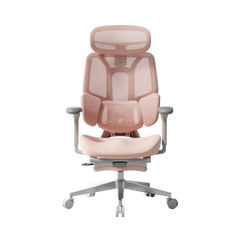
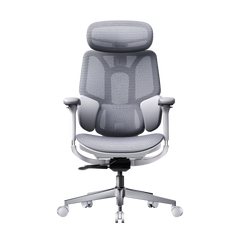
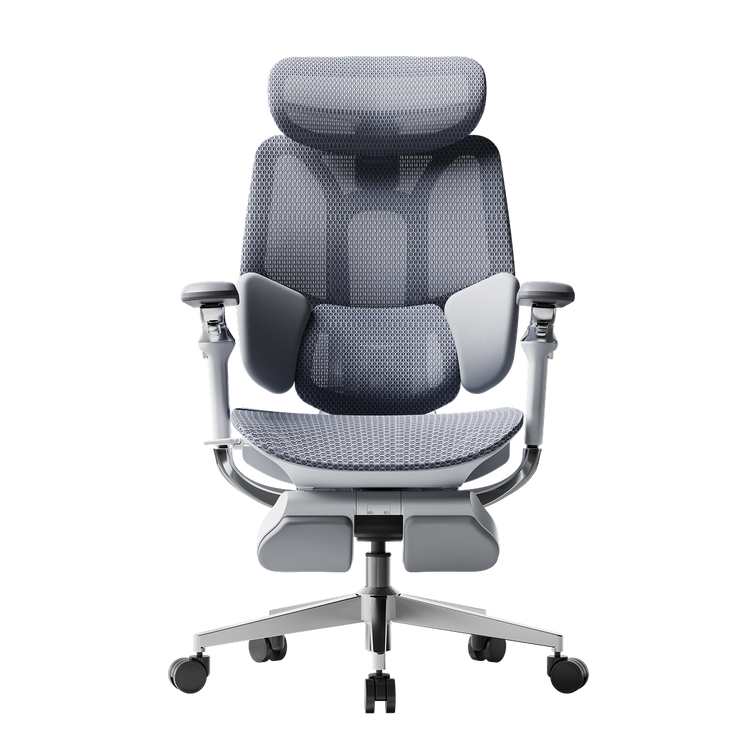
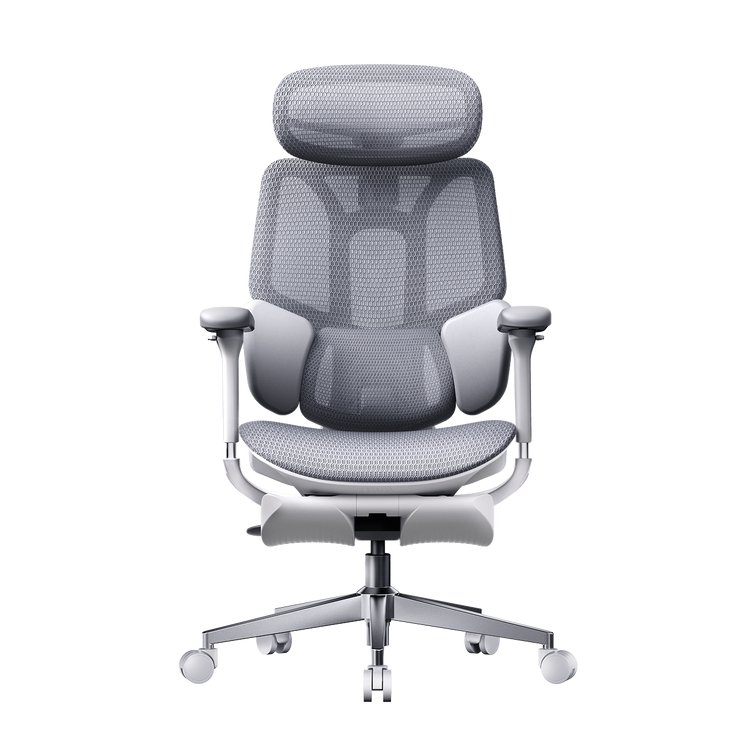
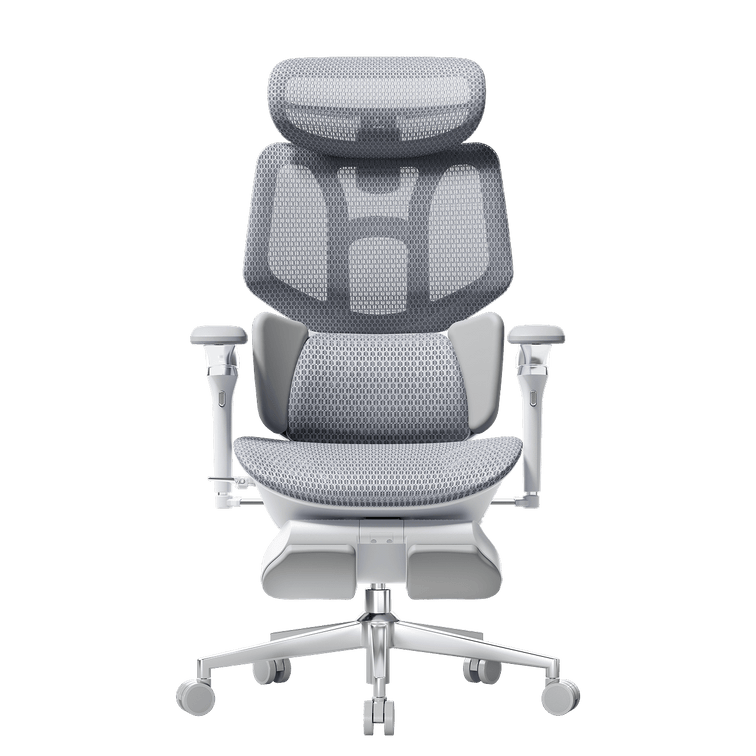
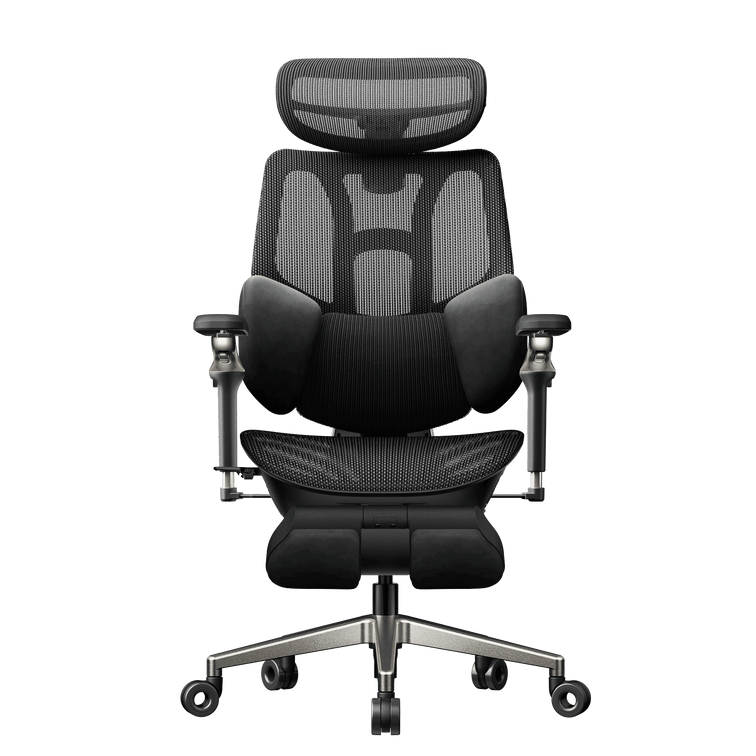
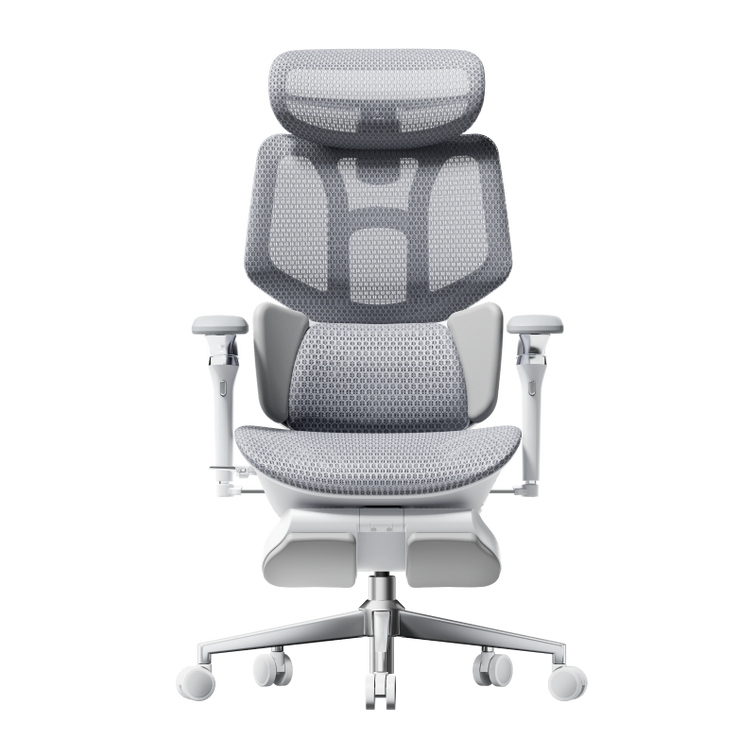
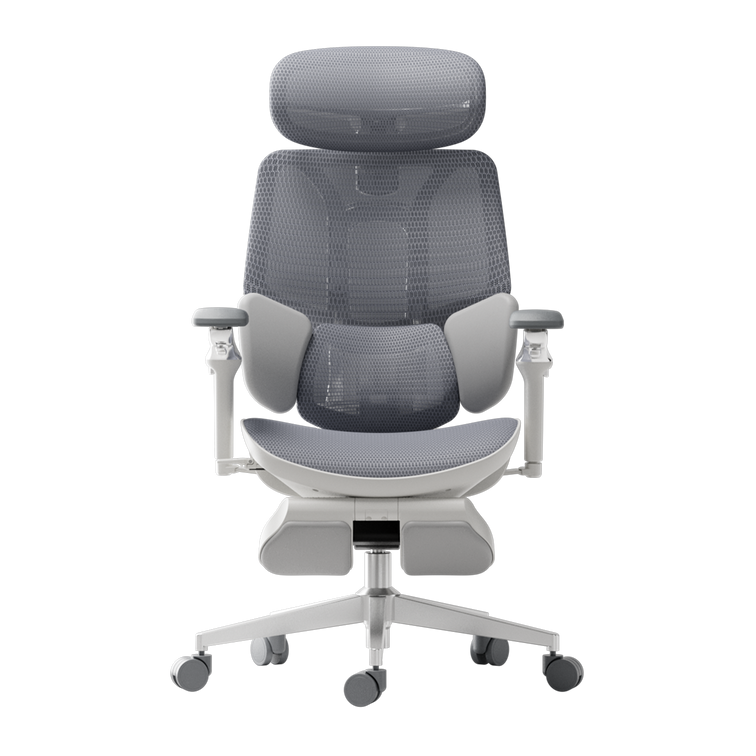
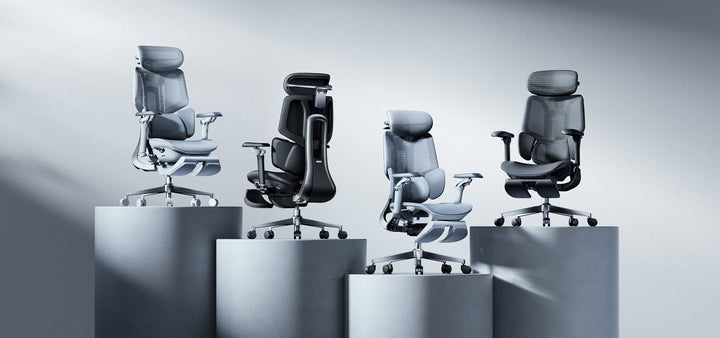
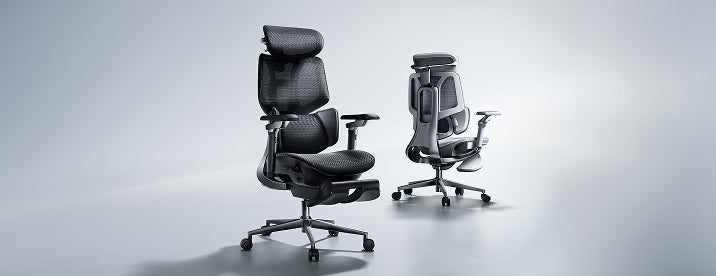
Once you have your numbers, the next step is checking them against a chair's actual adjustable range. Here's how three HBADA models compare using their European product specifications.
| Chair | Seat height range | Seat depth range | Recommended user height |
|---|---|---|---|
| HBADA X7 | 44.5–53 cm 17.5–20.9" |
40.5–45.5 cm 15.9–17.9" |
150–195 cm |
| HBADA E3 Pro (2026) | 46–54.5 cm 18.1–21.5" |
45–50 cm 17.7–19.7" |
155–195 cm |
| HBADA E3 Air (2026) | 46.5–55 cm 18.3–21.7" |
43–48 cm 16.9–18.9" |
155–195 cm |
Notice how each model's range overlaps differently with the estimates above. The X7 has a lower minimum seat height and a shorter minimum seat depth than the two E3 models listed here. The E3 Pro offers the deepest maximum seat setting of these three.
Those differences help narrow your options, but a recommended user-height range does not guarantee that every person within it will fit. Check both your required seat height and your required seat depth, then consider armrest and backrest position.
How to Measure Yourself at Home

If you want more useful numbers than the general estimates above, a quick self-measurement only takes a few minutes.
- Set up your seated position. Sit on a firm, flat surface with your feet supported and knees bent at roughly 90 degrees. Wear the shoes you normally use at your desk.
- Measure for seat height. Measure vertically from the floor to the underside of your knee. Use this as a starting seat height, then check foot support once seated on the actual chair.
- Calculate seat depth. Measure horizontally from the back of your buttocks to the back of your knee. Subtract approximately 3–5 cm to leave knee clearance. Do not use the full thigh measurement as the seat depth.
- Check seated hip width. Measure across the widest part of your hips while seated. Allow comfortable room on both sides and check the space between the armrests.
- Compare and test. Compare your numbers against the chair's listed adjustable ranges before buying. When trying the chair, check that your back is supported, your feet are supported and the seat edge does not press behind your knees.
For additional guidance on seat height, seat depth and foot support, see OSHA's workstation chair guidance. The standing-height tables above are illustrative, not tables published by OSHA.
Frequently Asked Questions
1. What is an office chair size calculator, exactly?
It's a way to estimate seat height and seat depth from your body measurements, then compare those numbers with a chair's adjustable range. This guide uses manual measurements and reference tables rather than an automated input tool.
2. How accurate is a height-based seat height calculator?
Standing height provides only a rough starting point because individual leg proportions vary. Measuring your seated lower-leg length and checking your foot support on the actual chair gives a more individual result.
3. Why does seat depth matter as much as seat height?
Seat depth affects whether you can sit against the backrest while leaving space behind your knees. A seat that's too deep may push you forward, reducing contact with the lumbar support. A seat that's too shallow may leave too much of your thighs unsupported.
4. Can one chair fit both short and tall users?
It can, if its adjustment ranges suit both users' measurements. The HBADA X7, E3 Pro 2026 and E3 Air 2026 all offer seat-height and seat-depth adjustment, but no single range guarantees a fit for everyone.
5. What if my measurements fall between two chairs' ranges?
Choose a chair whose height and depth ranges both include your required settings. If two chairs meet those requirements, a range that leaves room for fine adjustment may be useful. If neither does, look for another size rather than relying on the closest advertised range.
6. Does seat width matter as much as height and depth?
Seat width also matters. You should have enough room to sit and move without pressure at your hips, while still being able to use the armrests comfortably. Around 2.5 cm of clearance per side is a starting point, not a universal requirement.
Final Thoughts
Chair shopping gets a lot easier once you stop guessing and start measuring. This office chair size calculator helps you establish two key numbers, seat height and seat depth, then compare them with a chair's actual adjustable range.
Whether you land on the HBADA X7, E3 Pro, E3 Air or another model entirely, the process stays the same. Know your numbers first. Then find the chair that fits them.