



Tous les articles
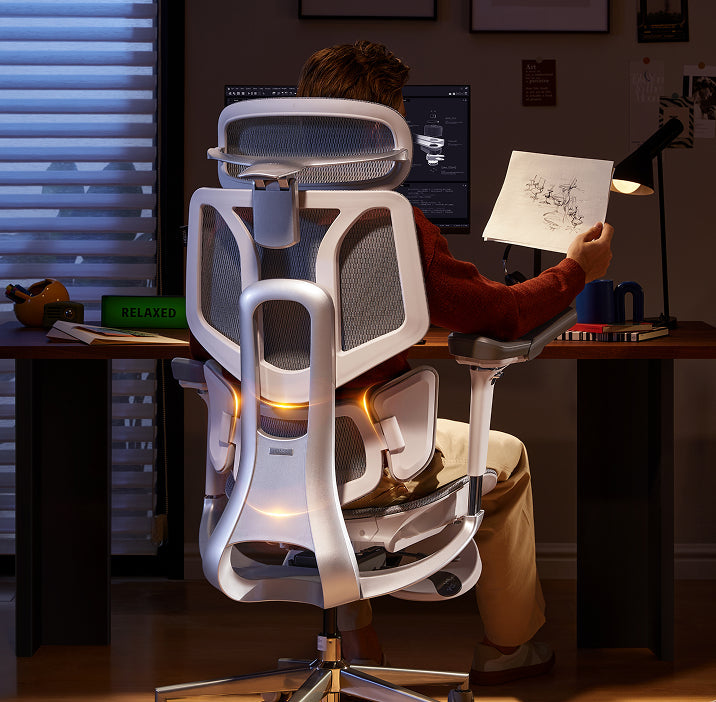 How to Test an Ergonomic Office Chair During a 30-Day Home Trial
The quick answer
To test an ergonomic office chair during a 30-day home trial, use it for your real work each day and check fit, lumbar support, breathability, recline, armrests and noise. Keep the packaging, avoid damage, and decide before the window closes. If the chair does not suit you, contact support early enough to complete the required return steps within the applicable deadline.
Table of Contents
Jump to the part of the trial you need.
01. What is a 30-day home trial?
02. How should you set up the chair?
03. What should you test in week one?
04. What should you test in weeks two to four?
05. How do you protect return eligibility?
06. What are your EU return rights?
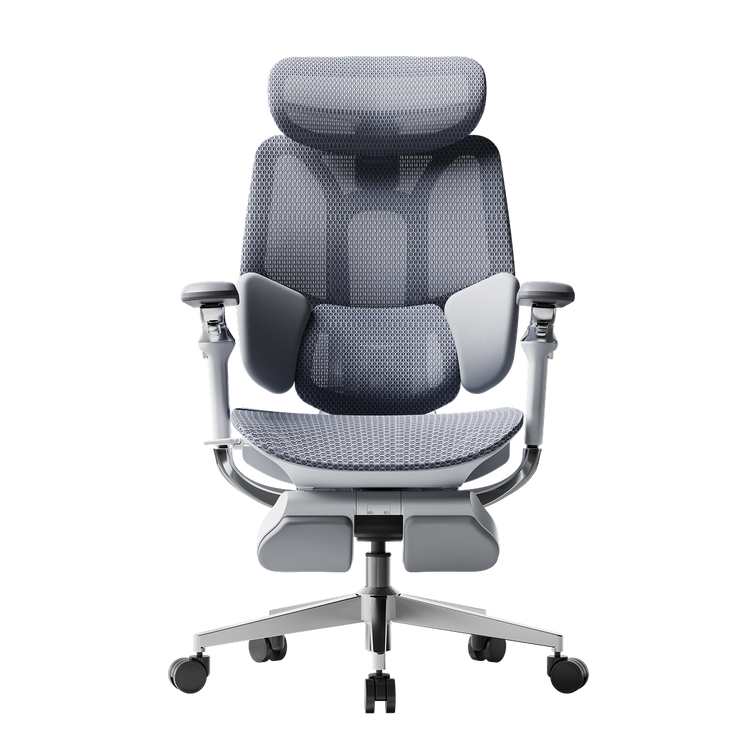
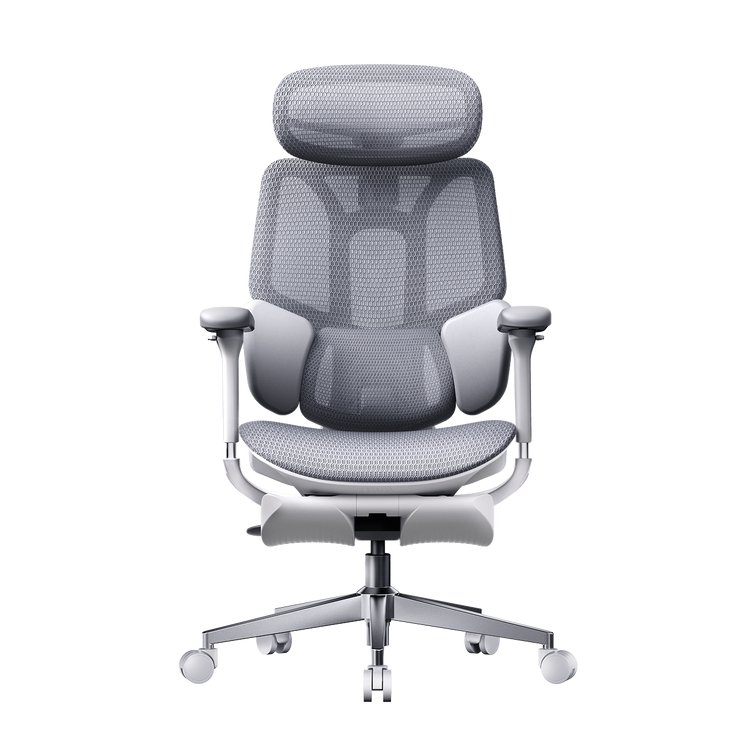
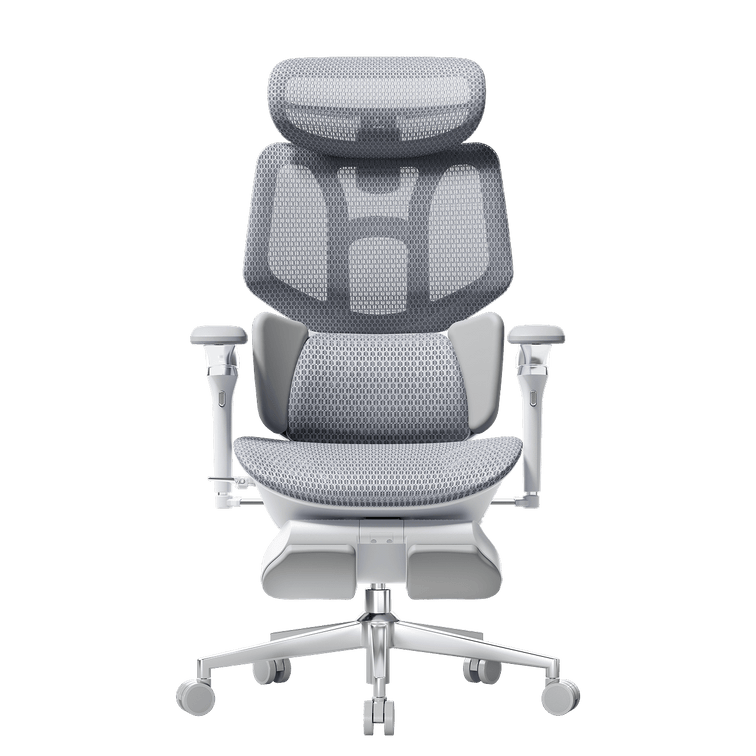
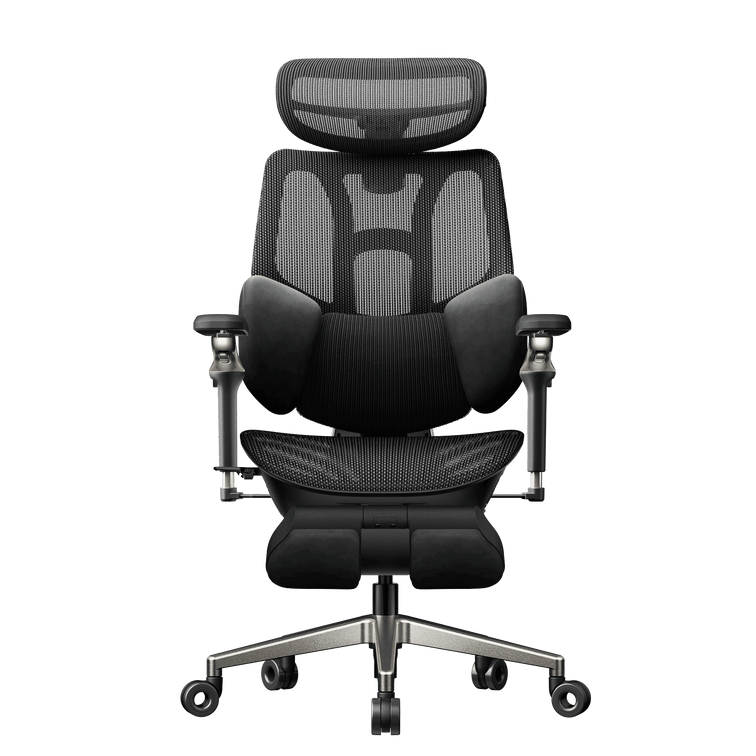
07. Which HBADA chairs can you test?
08. Your 30-day test plan
09. Limitations and when to get help
10. Conclusion
11. Frequently asked questions
12. Sources and useful links
What Is a 30-Day Home Trial and How Does It Work?
A home trial is a return window that lets you assess the chair in your real setup. HBADA EU’s current return and refund policy provides a 30-day satisfaction guarantee from receipt, subject to its terms. This commercial offer does not limit your statutory consumer rights.
This gives you time to judge an adjustable ergonomic chair at your own desk, not in a showroom. Testing may help you find a more comfortable sitting position, but it is not a medical treatment.
How Should You Set Up the Chair for Testing?
Start well, because a fair test needs a proper setup. Assemble the chair using the HBADA user manual and assembly guide, and keep every part of the packaging, including the box, foam and spare hardware. Then set it to your body before you judge it.
Set the seat height so your feet rest flat on the floor or a suitable footrest.
Set the seat depth so two to three fingers fit behind your knees.
Set the lumbar support to meet your lower back.
Set the armrests so your forearms are supported and your shoulders stay relaxed.
Check that you can reach your keyboard and mouse comfortably.
Only after this setup should you decide how the chair feels.
What Should You Test in the First Week?
Your first week is about first impressions and daily fit.
Fit: Check you can reach a feet-flat, back-supported position within the chair’s adjustment ranges.
Lumbar support: Notice whether the support meets your lower back through your normal workday.
Breathability: Watch for heat build-up and check whether the mesh and seat feel comfortable in your room.
Noise and castors: Roll across your floor and listen for creaks or scuffs. Check that the castors are suitable for the surface.
What Should You Test in Weeks Two to Four?
Later weeks reveal how the chair holds up over real work.
Now test the chair as an office chair for long hours. Work a normal week, keeping your usual movement breaks, and notice whether early comfort lasts into the afternoon. Move through the available recline positions and check that the locks hold. Use the armrests while you type, write and relax.
Give yourself time to learn the controls and fine-tune the settings, but do not treat pain as a required adjustment phase. If discomfort eases after a setting change, note what helped. If it persists after reasonable adjustments, the chair may not fit you.
A Quick Test-and-Decide Table
Use this table to turn each check into a clear next step.
What to test
How to test it
Keep or return signal
Fit
Set seat height, depth and lumbar support to your body, then sit back fully.
Consider a return if you cannot achieve supported feet and back within the adjustment ranges.
Lumbar support
Use it during a normal working day and note lower-back comfort.
Consider a return if the support cannot meet your lower back comfortably after adjustment.
Breathability
Check for heat build-up during ordinary work sessions.
Consider another material or model if the seat consistently feels too warm for you.
Recline and lock
Try the recline settings according to the manual.
Stop using the chair and contact support if the recline is unstable or a lock fails.
Armrests
Type, write and relax while checking forearm support.
Consider a return if the armrests prevent a relaxed working position or access to your desk.
Noise and castors
Roll gently across a suitable floor surface and listen for persistent noise.
Contact support about recurring creaks or floor marking before continuing use.
Long-session comfort
Work a normal week in the chair, with movement breaks.
Reassess the fit if discomfort persists after you fine-tune the settings.
How Do You Protect Your Return Eligibility?
Test thoroughly, but handle the chair carefully while you decide.
Keep the original box, foam and hardware for the whole trial.
Keep the chair clean and unmarked, and use a suitable floor mat if needed.
Note your delivery date and the relevant return deadlines.
Contact support early if you are unsure, rather than on the final day.
For its commercial guarantee, HBADA EU recommends retaining the original packaging and specifies condition requirements. Missing or inadequate packaging may lead to fees under that policy, subject to mandatory consumer law. These commercial terms do not override statutory withdrawal rights.
What Are Your Rights If You Want to Return It?
The 30-day commercial offer and your statutory right of withdrawal are separate. For most online purchases from a trader in the EU, you normally have 14 days from delivery to notify the seller that you wish to withdraw, followed by another 14 days to send the goods back. Exceptions apply.
The statutory withdrawal period allows inspection of the product. Handling beyond what is necessary to establish its nature, characteristics and functioning may result in a deduction for diminished value. Keeping the original packaging is practical, but losing it does not automatically remove your statutory right.
A commercial trial does not turn the statutory 14-day notification period into 30 days. If you want to use your statutory right, notify the seller within the applicable legal deadline. See the EU guidance on returns and withdrawal for details.
Warranty coverage is also separate from a change-of-mind return. Refer to HBADA EU warranty and service information for product support after purchase.
Which HBADA Chairs Can You Test at Home?
If you are considering the HBADA X7 or E3 Pro 2026, check the current EU product page and the return terms for your order before purchasing.
Use the same testing checklist for either chair, but pay attention to the features that make each model different.
What to compare
HBADA X7
HBADA E3 Pro 2026
Lumbar support
Test how the AI lumbar-tracking system responds when you change position.
Test how the three-zone adaptive lumbar support fits your lower back.
Seat fit
Check the selected model’s seat dimensions and adjustment range against your body and desk.
Check the selected model’s seat dimensions and adjustment range against your body and desk.
Recline and armrests
Check support and control access while typing, leaning back and relaxing.
Check the headrest, armrest and recline adjustments during your usual tasks.
Additional features
Try the comfort functions included with your selected version, following its manual.
Focus on mechanical adjustments, mesh comfort and any optional footrest.
Before ordering
Confirm the exact configuration, delivery availability, return conditions and warranty.
Confirm the exact configuration, delivery availability, return conditions and warranty.
If you want automatic lumbar tracking, explore the HBADA X7 smart ergonomic chair and check the comfort features included with your selected version.
If you want a mechanically adjustable chair to test for long workdays, compare the HBADA E3 Pro 2026. You can also browse the HBADA ergonomic office chair collection before your trial begins.
Your 30-Day Test Plan
Follow this simple plan so nothing is missed before the commercial trial ends. Keep the separate statutory withdrawal deadline in mind if you intend to use that right.
Day 1
Assemble and Adjust
Assemble by the manual, keep all packaging, and set the chair to your body.
Days 2–7
Check Daily Fit
Test daily fit, lumbar support, breathability, noise and castors.
Days 8–21
Test Your Normal Work Routine
Work your usual schedule and test recline, armrests and long-session comfort. Keep taking movement breaks. If you wish to exercise the statutory withdrawal right, do not wait beyond its notification deadline.
Days 22–27
Fine-Tune and Decide
Fine-tune settings and review your notes. If you are continuing under the commercial trial and the chair is not right, contact support now to confirm the return steps and deadline.
Days 28–30
Complete Your Decision
Keep the chair if it fits your needs, or complete the steps required under the commercial return policy within the applicable deadline. Do not assume contacting support on day 30 automatically extends the window.
Limitations and When to Get Help
A trial answers many questions, but not every one.
A trial checks comfort and fit for you; it cannot promise a health outcome.
Thirty days cannot establish the chair’s lifespan or long-term durability.
Keep the chair and packaging in good condition while deciding.
Commercial return terms and warranty coverage may vary by market and order. Mandatory consumer rights remain unaffected.
If you have severe, persistent or radiating pain, consult a qualified healthcare professional. A chair is not a medical treatment.
Conclusion
The best way to judge an ergonomic office chair is to test it where you actually work. Assemble it, set it to your body, use it for real tasks, and keep the packaging until you are sure. Compare the X7 if you want automatic lumbar tracking, or the E3 Pro if you prefer mechanical adjustments. Make your decision before the relevant deadline, and keep the chair that fits you.
Frequently Asked Questions
How long is the HBADA EU home trial?
HBADA EU currently offers a 30-day satisfaction guarantee from receipt. Check the applicable policy for the return procedure. It is separate from your statutory withdrawal right.
Can you return an office chair after using it?
Check whether you are returning under the commercial trial or exercising a statutory right. The conditions differ. Keep the chair clean, avoid damage and retain its packaging while deciding.
How long does it take to get used to a new ergonomic chair?
There is no fixed adjustment period for everyone. You may need several sessions to learn the controls and fine-tune the seat height, depth, lumbar support and armrests. Change one setting at a time. Do not keep sitting through pain in the hope that you will eventually adapt.
Who pays for return shipping?
Under HBADA EU’s commercial policy, change-of-mind returns involve a customer contribution to shipping, while damaged, defective or incorrect items are handled at HBADA’s shipping expense. Confirm the process before booking a courier; statutory rights remain unaffected.
What should you check before the trial ends?
Confirm the essentials: fit, long-session comfort, lumbar support, breathability, recline, armrests and noise. Also check that the chair suits your desk height and floor. Decide early enough to meet the deadline for the return route you are using.
Sources and Useful Links
HBADA EU Return and Refund Policy
HBADA EU Warranty and Service
HBADA User Manuals and Assembly Guides
HBADA X7 Product Details
HBADA E3 Pro 2026 Product Details
Your Europe: Returns and the Right of Withdrawal
Sep 16, 2026
How to Test an Ergonomic Office Chair During a 30-Day Home Trial
The quick answer
To test an ergonomic office chair during a 30-day home trial, use it for your real work each day and check fit, lumbar support, breathability, recline, armrests and noise. Keep the packaging, avoid damage, and decide before the window closes. If the chair does not suit you, contact support early enough to complete the required return steps within the applicable deadline.
Table of Contents
Jump to the part of the trial you need.
01. What is a 30-day home trial?
02. How should you set up the chair?
03. What should you test in week one?
04. What should you test in weeks two to four?
05. How do you protect return eligibility?
06. What are your EU return rights?
07. Which HBADA chairs can you test?
08. Your 30-day test plan
09. Limitations and when to get help
10. Conclusion
11. Frequently asked questions
12. Sources and useful links
What Is a 30-Day Home Trial and How Does It Work?
A home trial is a return window that lets you assess the chair in your real setup. HBADA EU’s current return and refund policy provides a 30-day satisfaction guarantee from receipt, subject to its terms. This commercial offer does not limit your statutory consumer rights.
This gives you time to judge an adjustable ergonomic chair at your own desk, not in a showroom. Testing may help you find a more comfortable sitting position, but it is not a medical treatment.
How Should You Set Up the Chair for Testing?
Start well, because a fair test needs a proper setup. Assemble the chair using the HBADA user manual and assembly guide, and keep every part of the packaging, including the box, foam and spare hardware. Then set it to your body before you judge it.
Set the seat height so your feet rest flat on the floor or a suitable footrest.
Set the seat depth so two to three fingers fit behind your knees.
Set the lumbar support to meet your lower back.
Set the armrests so your forearms are supported and your shoulders stay relaxed.
Check that you can reach your keyboard and mouse comfortably.
Only after this setup should you decide how the chair feels.
What Should You Test in the First Week?
Your first week is about first impressions and daily fit.
Fit: Check you can reach a feet-flat, back-supported position within the chair’s adjustment ranges.
Lumbar support: Notice whether the support meets your lower back through your normal workday.
Breathability: Watch for heat build-up and check whether the mesh and seat feel comfortable in your room.
Noise and castors: Roll across your floor and listen for creaks or scuffs. Check that the castors are suitable for the surface.
What Should You Test in Weeks Two to Four?
Later weeks reveal how the chair holds up over real work.
Now test the chair as an office chair for long hours. Work a normal week, keeping your usual movement breaks, and notice whether early comfort lasts into the afternoon. Move through the available recline positions and check that the locks hold. Use the armrests while you type, write and relax.
Give yourself time to learn the controls and fine-tune the settings, but do not treat pain as a required adjustment phase. If discomfort eases after a setting change, note what helped. If it persists after reasonable adjustments, the chair may not fit you.
A Quick Test-and-Decide Table
Use this table to turn each check into a clear next step.
What to test
How to test it
Keep or return signal
Fit
Set seat height, depth and lumbar support to your body, then sit back fully.
Consider a return if you cannot achieve supported feet and back within the adjustment ranges.
Lumbar support
Use it during a normal working day and note lower-back comfort.
Consider a return if the support cannot meet your lower back comfortably after adjustment.
Breathability
Check for heat build-up during ordinary work sessions.
Consider another material or model if the seat consistently feels too warm for you.
Recline and lock
Try the recline settings according to the manual.
Stop using the chair and contact support if the recline is unstable or a lock fails.
Armrests
Type, write and relax while checking forearm support.
Consider a return if the armrests prevent a relaxed working position or access to your desk.
Noise and castors
Roll gently across a suitable floor surface and listen for persistent noise.
Contact support about recurring creaks or floor marking before continuing use.
Long-session comfort
Work a normal week in the chair, with movement breaks.
Reassess the fit if discomfort persists after you fine-tune the settings.
How Do You Protect Your Return Eligibility?
Test thoroughly, but handle the chair carefully while you decide.
Keep the original box, foam and hardware for the whole trial.
Keep the chair clean and unmarked, and use a suitable floor mat if needed.
Note your delivery date and the relevant return deadlines.
Contact support early if you are unsure, rather than on the final day.
For its commercial guarantee, HBADA EU recommends retaining the original packaging and specifies condition requirements. Missing or inadequate packaging may lead to fees under that policy, subject to mandatory consumer law. These commercial terms do not override statutory withdrawal rights.
What Are Your Rights If You Want to Return It?
The 30-day commercial offer and your statutory right of withdrawal are separate. For most online purchases from a trader in the EU, you normally have 14 days from delivery to notify the seller that you wish to withdraw, followed by another 14 days to send the goods back. Exceptions apply.
The statutory withdrawal period allows inspection of the product. Handling beyond what is necessary to establish its nature, characteristics and functioning may result in a deduction for diminished value. Keeping the original packaging is practical, but losing it does not automatically remove your statutory right.
A commercial trial does not turn the statutory 14-day notification period into 30 days. If you want to use your statutory right, notify the seller within the applicable legal deadline. See the EU guidance on returns and withdrawal for details.
Warranty coverage is also separate from a change-of-mind return. Refer to HBADA EU warranty and service information for product support after purchase.
Which HBADA Chairs Can You Test at Home?
If you are considering the HBADA X7 or E3 Pro 2026, check the current EU product page and the return terms for your order before purchasing.
Use the same testing checklist for either chair, but pay attention to the features that make each model different.
What to compare
HBADA X7
HBADA E3 Pro 2026
Lumbar support
Test how the AI lumbar-tracking system responds when you change position.
Test how the three-zone adaptive lumbar support fits your lower back.
Seat fit
Check the selected model’s seat dimensions and adjustment range against your body and desk.
Check the selected model’s seat dimensions and adjustment range against your body and desk.
Recline and armrests
Check support and control access while typing, leaning back and relaxing.
Check the headrest, armrest and recline adjustments during your usual tasks.
Additional features
Try the comfort functions included with your selected version, following its manual.
Focus on mechanical adjustments, mesh comfort and any optional footrest.
Before ordering
Confirm the exact configuration, delivery availability, return conditions and warranty.
Confirm the exact configuration, delivery availability, return conditions and warranty.
If you want automatic lumbar tracking, explore the HBADA X7 smart ergonomic chair and check the comfort features included with your selected version.
If you want a mechanically adjustable chair to test for long workdays, compare the HBADA E3 Pro 2026. You can also browse the HBADA ergonomic office chair collection before your trial begins.
Your 30-Day Test Plan
Follow this simple plan so nothing is missed before the commercial trial ends. Keep the separate statutory withdrawal deadline in mind if you intend to use that right.
Day 1
Assemble and Adjust
Assemble by the manual, keep all packaging, and set the chair to your body.
Days 2–7
Check Daily Fit
Test daily fit, lumbar support, breathability, noise and castors.
Days 8–21
Test Your Normal Work Routine
Work your usual schedule and test recline, armrests and long-session comfort. Keep taking movement breaks. If you wish to exercise the statutory withdrawal right, do not wait beyond its notification deadline.
Days 22–27
Fine-Tune and Decide
Fine-tune settings and review your notes. If you are continuing under the commercial trial and the chair is not right, contact support now to confirm the return steps and deadline.
Days 28–30
Complete Your Decision
Keep the chair if it fits your needs, or complete the steps required under the commercial return policy within the applicable deadline. Do not assume contacting support on day 30 automatically extends the window.
Limitations and When to Get Help
A trial answers many questions, but not every one.
A trial checks comfort and fit for you; it cannot promise a health outcome.
Thirty days cannot establish the chair’s lifespan or long-term durability.
Keep the chair and packaging in good condition while deciding.
Commercial return terms and warranty coverage may vary by market and order. Mandatory consumer rights remain unaffected.
If you have severe, persistent or radiating pain, consult a qualified healthcare professional. A chair is not a medical treatment.
Conclusion
The best way to judge an ergonomic office chair is to test it where you actually work. Assemble it, set it to your body, use it for real tasks, and keep the packaging until you are sure. Compare the X7 if you want automatic lumbar tracking, or the E3 Pro if you prefer mechanical adjustments. Make your decision before the relevant deadline, and keep the chair that fits you.
Frequently Asked Questions
How long is the HBADA EU home trial?
HBADA EU currently offers a 30-day satisfaction guarantee from receipt. Check the applicable policy for the return procedure. It is separate from your statutory withdrawal right.
Can you return an office chair after using it?
Check whether you are returning under the commercial trial or exercising a statutory right. The conditions differ. Keep the chair clean, avoid damage and retain its packaging while deciding.
How long does it take to get used to a new ergonomic chair?
There is no fixed adjustment period for everyone. You may need several sessions to learn the controls and fine-tune the seat height, depth, lumbar support and armrests. Change one setting at a time. Do not keep sitting through pain in the hope that you will eventually adapt.
Who pays for return shipping?
Under HBADA EU’s commercial policy, change-of-mind returns involve a customer contribution to shipping, while damaged, defective or incorrect items are handled at HBADA’s shipping expense. Confirm the process before booking a courier; statutory rights remain unaffected.
What should you check before the trial ends?
Confirm the essentials: fit, long-session comfort, lumbar support, breathability, recline, armrests and noise. Also check that the chair suits your desk height and floor. Decide early enough to meet the deadline for the return route you are using.
Sources and Useful Links
HBADA EU Return and Refund Policy
HBADA EU Warranty and Service
HBADA User Manuals and Assembly Guides
HBADA X7 Product Details
HBADA E3 Pro 2026 Product Details
Your Europe: Returns and the Right of Withdrawal
Sep 16, 2026
 How to Clean a Mesh Ergonomic Office Chair Without Damaging the Material
Safe, simple care for mesh, spills, stains, casters and smart-chair components.
Quick answer: Remove dust with a soft dry cloth or a vacuum on a low setting. Blot spills with a well-wrung cloth and mild soapy water, then let the mesh air-dry naturally. Avoid bleach, hot water, solvents and abrasive cleaners.
Contents
What can damage mesh?
How to remove everyday dust
How to clean spills and stains
Frame, armrests and casters
Cleaning methods at a glance
How to clean a smart chair
Safe deep-clean routine
HBADA chair care
FAQs
What Can Damage a Mesh Chair?
Mesh is designed to breathe and flex, but it can be damaged by unsuitable cleaning methods. Bleach, strong chemicals, solvents, hot water and abrasive cleaners can weaken or discolour the fibres. Stiff brushes and hard scrubbing can also snag or stretch the weave.
Keep the chair out of prolonged direct sunlight, do not soak the mesh, and avoid spraying liquid directly onto it. Regular light cleaning is safer than occasional heavy cleaning.
How Do You Clean Everyday Dust?
Use a soft dry cloth
Wipe the mesh with a dry microfiber cloth to remove surface dust, lint and light debris.
Vacuum on a low setting
If dust is caught in the weave, use gentle suction and move across the surface without pressing into it.
A short weekly clean helps prevent dust and skin oils from building up, particularly when the chair is used every day.
How Do You Clean Spills and Stains?
For a fresh spill, dampen a soft cloth with mild soapy water and wring it out well. Blot the area from the outside of the mark toward the centre so it does not spread.
Do not soak the mesh or scrub hard. For a stubborn mark, test an alcohol wipe on a hidden area first, then dab gently. Let the chair air-dry completely in a ventilated room before use.
How Do You Care for the Frame, Armrests and Casters?
Use a separate soft, damp cloth for the frame, armrests and base. Keep water away from the gas lift, recline mechanism and other moving parts. Never attempt to open the gas cylinder.
Casters can collect hair and dust over time. Remove anything wrapped around the wheels, then wipe them clean so the chair can move smoothly.
Cleaning Methods at a Glance
What to Clean
Safe Method
What to Avoid
Everyday dust
Soft dry cloth or low-suction vacuum
Hard brushing or scratching the mesh
Fresh spills
Blot with mild soapy water
Soaking or rubbing the mesh
Stubborn marks
Spot-test, then dab gently
Bleach, hot water or solvents
Frame and armrests
Soft damp cloth
Abrasive or harsh cleaners
Casters
Remove hair and debris, then wipe
Forcing debris deeper into the wheel
How Do You Clean a Smart Chair With Electronics?
Important: Switch the chair off and follow its supplied care instructions before cleaning around powered components.
Use a dry cloth around controls, sensors, fans, batteries and powered adjustment areas. Never spray liquid directly onto the chair. Clean the mesh and non-electronic surfaces gently, then allow the chair to dry completely before use.
Step by Step: A Safe Deep Clean
Switch off a smart or powered chair before cleaning.
Vacuum or dry-dust the mesh to remove loose debris.
Mix a small amount of mild soap with lukewarm water.
Dampen and thoroughly wring out a soft cloth.
Blot the mesh without soaking it.
Spot-test before treating stubborn marks.
Wipe the frame, armrests and base separately.
Remove hair and dust from the casters.
Let the chair air-dry away from direct sunlight.
Which HBADA Chairs Does This Apply To?
This guide is suitable for HBADA mesh office chairs sold through HBADA EU, including the E3 Pro and X7 Prestige.
For an E3 Pro, regular care means keeping the mesh clean and keeping moisture away from the gas lift and mechanism. For a smart or powered model, follow the model-specific guidance before cleaning around controls or powered areas.
Frequently Asked Questions
Can you wash a mesh office chair?
You can clean it, but you should not soak it. Vacuum or dry-dust the mesh first, blot it with mild soapy water, and let it air-dry completely.
What should you not use to clean a mesh chair?
Avoid bleach, hot water, solvents, abrasive cleaners, stiff brushes and hard scrubbing. These can weaken, discolour or snag the mesh.
How do you remove a stain from mesh?
Blot the stain with a well-wrung cloth and mild soapy water. For a stubborn mark, spot-test an alcohol wipe first, then dab gently rather than scrub.
How often should you clean a mesh office chair?
Dust or vacuum the mesh once a week, deal with spills promptly, and carry out a deeper clean whenever needed.
Does cleaning damage mesh over time?
Not when it is done gently. Mesh damage usually comes from harsh chemicals, excess water, heat or heavy scrubbing.
Sources
HBADA EU E3 Pro Ergonomic Office Chair
HBADA EU X7 Prestige Smart Ergonomic Chair
HBADA EU FAQs
```
Sep 14, 2026
How to Clean a Mesh Ergonomic Office Chair Without Damaging the Material
Safe, simple care for mesh, spills, stains, casters and smart-chair components.
Quick answer: Remove dust with a soft dry cloth or a vacuum on a low setting. Blot spills with a well-wrung cloth and mild soapy water, then let the mesh air-dry naturally. Avoid bleach, hot water, solvents and abrasive cleaners.
Contents
What can damage mesh?
How to remove everyday dust
How to clean spills and stains
Frame, armrests and casters
Cleaning methods at a glance
How to clean a smart chair
Safe deep-clean routine
HBADA chair care
FAQs
What Can Damage a Mesh Chair?
Mesh is designed to breathe and flex, but it can be damaged by unsuitable cleaning methods. Bleach, strong chemicals, solvents, hot water and abrasive cleaners can weaken or discolour the fibres. Stiff brushes and hard scrubbing can also snag or stretch the weave.
Keep the chair out of prolonged direct sunlight, do not soak the mesh, and avoid spraying liquid directly onto it. Regular light cleaning is safer than occasional heavy cleaning.
How Do You Clean Everyday Dust?
Use a soft dry cloth
Wipe the mesh with a dry microfiber cloth to remove surface dust, lint and light debris.
Vacuum on a low setting
If dust is caught in the weave, use gentle suction and move across the surface without pressing into it.
A short weekly clean helps prevent dust and skin oils from building up, particularly when the chair is used every day.
How Do You Clean Spills and Stains?
For a fresh spill, dampen a soft cloth with mild soapy water and wring it out well. Blot the area from the outside of the mark toward the centre so it does not spread.
Do not soak the mesh or scrub hard. For a stubborn mark, test an alcohol wipe on a hidden area first, then dab gently. Let the chair air-dry completely in a ventilated room before use.
How Do You Care for the Frame, Armrests and Casters?
Use a separate soft, damp cloth for the frame, armrests and base. Keep water away from the gas lift, recline mechanism and other moving parts. Never attempt to open the gas cylinder.
Casters can collect hair and dust over time. Remove anything wrapped around the wheels, then wipe them clean so the chair can move smoothly.
Cleaning Methods at a Glance
What to Clean
Safe Method
What to Avoid
Everyday dust
Soft dry cloth or low-suction vacuum
Hard brushing or scratching the mesh
Fresh spills
Blot with mild soapy water
Soaking or rubbing the mesh
Stubborn marks
Spot-test, then dab gently
Bleach, hot water or solvents
Frame and armrests
Soft damp cloth
Abrasive or harsh cleaners
Casters
Remove hair and debris, then wipe
Forcing debris deeper into the wheel
How Do You Clean a Smart Chair With Electronics?
Important: Switch the chair off and follow its supplied care instructions before cleaning around powered components.
Use a dry cloth around controls, sensors, fans, batteries and powered adjustment areas. Never spray liquid directly onto the chair. Clean the mesh and non-electronic surfaces gently, then allow the chair to dry completely before use.
Step by Step: A Safe Deep Clean
Switch off a smart or powered chair before cleaning.
Vacuum or dry-dust the mesh to remove loose debris.
Mix a small amount of mild soap with lukewarm water.
Dampen and thoroughly wring out a soft cloth.
Blot the mesh without soaking it.
Spot-test before treating stubborn marks.
Wipe the frame, armrests and base separately.
Remove hair and dust from the casters.
Let the chair air-dry away from direct sunlight.
Which HBADA Chairs Does This Apply To?
This guide is suitable for HBADA mesh office chairs sold through HBADA EU, including the E3 Pro and X7 Prestige.
For an E3 Pro, regular care means keeping the mesh clean and keeping moisture away from the gas lift and mechanism. For a smart or powered model, follow the model-specific guidance before cleaning around controls or powered areas.
Frequently Asked Questions
Can you wash a mesh office chair?
You can clean it, but you should not soak it. Vacuum or dry-dust the mesh first, blot it with mild soapy water, and let it air-dry completely.
What should you not use to clean a mesh chair?
Avoid bleach, hot water, solvents, abrasive cleaners, stiff brushes and hard scrubbing. These can weaken, discolour or snag the mesh.
How do you remove a stain from mesh?
Blot the stain with a well-wrung cloth and mild soapy water. For a stubborn mark, spot-test an alcohol wipe first, then dab gently rather than scrub.
How often should you clean a mesh office chair?
Dust or vacuum the mesh once a week, deal with spills promptly, and carry out a deeper clean whenever needed.
Does cleaning damage mesh over time?
Not when it is done gently. Mesh damage usually comes from harsh chemicals, excess water, heat or heavy scrubbing.
Sources
HBADA EU E3 Pro Ergonomic Office Chair
HBADA EU X7 Prestige Smart Ergonomic Chair
HBADA EU FAQs
```
Sep 14, 2026
 How to Set Up an Ergonomic Office Chair for Laptop Work
A more comfortable home office
Start with the chair, then separate screen height from typing height. Adjust your seat to the desk, support your feet and lower back, and keep your shoulders relaxed. For longer laptop sessions, use a stand with a separate keyboard and mouse so you can position the screen without lifting your arms to type.
In this guide
The laptop setup challenge
Five chair adjustments
Screen and keyboard position
Common problems and fixes
Your setup checklist
Choosing an HBADA chair
Limitations and when to get help
Final thoughts
Frequently asked questions
Sources
Why Can Laptop Work Feel Uncomfortable?
A laptop is easy to move between rooms, but its screen and keyboard remain joined together. A comfortable keyboard position can leave the screen too low. Raising the laptop may improve the view while making the keys harder to reach.
An ergonomic office chair helps you build a supported sitting position. It does not solve this screen-and-keyboard trade-off on its own. For regular work at one desk, a separate keyboard and mouse allow more flexibility.
Whether your workspace is a dedicated home office or a shared desk, check how the chair, work surface and laptop fit together. Comfortable working also depends on changing position, not holding one posture all day.
How Should You Set Up the Chair First?
Use the keyboard position and desk height as your starting points. Then adjust the chair to support you without making you reach or raise your shoulders.
Step 01
Match the seat height to the work surface
Adjust the seat until you can type with your shoulders relaxed, elbows close to your body and wrists roughly straight. If the desk height is adjustable, use both adjustments to find a comfortable position.
Step 02
Support your feet
Your feet should rest securely on the floor or a suitable footrest. If a fixed desk requires a higher seat position, a footrest can bridge the gap without forcing you to lower the chair below a comfortable typing height.
Step 03
Check the seat depth
Sit against the backrest and check the space behind your knees. Around two to three fingers is a useful starting point. If the model allows seat-depth adjustment, use it to avoid pressure from the front edge.
Step 04
Align the lumbar support
Position the support against your lower-back curve. It should not feel as though it is pushing you away from the backrest. Adjust the available settings gradually and recheck them during normal work.
Step 05
Keep the armrests clear of the desk
Set the armrests for light support with relaxed shoulders. Make sure they do not stop you moving close enough to the keyboard. Lower or reposition them if they catch on the desk edge.
How Should You Position the Laptop Screen and Keyboard?
With the chair adjusted, place the laptop on a stable stand and connect a separate keyboard and mouse. Start with the top of the screen at or just below eye level, roughly an arm's length away.
Adjust text size and screen distance until you can read without moving your head forwards. Place the mouse beside the keyboard, rather than far to one side, and keep enough desk space for comfortable use.
Working without extra equipment? Avoid raising the built-in keyboard to a height that makes you lift your shoulders. Keep the laptop in a manageable typing position and change tasks or take breaks regularly. A stand and separate input devices are worth considering when the same space becomes your everyday workstation.
Common Laptop Setup Problems and Their Fixes
Use these checks to review your workspace. They do not identify the medical cause of pain or discomfort.
What you notice
What to check
Adjustment to try
You look down for long periods
Screen height and readability
Use a stand with an external keyboard, and adjust text size.
You lift your shoulders to type
Keyboard and seat height
Rebalance the chair and desk heights while keeping your feet supported.
Your feet do not reach the floor
Desk height and foot support
Add a stable under-desk footrest if the working height requires it.
You sit on the front edge of the seat
Equipment reach and seat depth
Move the keyboard closer and check whether you can use the backrest.
Your armrests hit the desk
Armrest height and width
Lower or reposition them to allow closer access.
You feel stiff after a long session
Time spent sitting still
Change position and include short walking or standing breaks.
Your Laptop Workstation Checklist
Adjust the seat for comfortable access to the keyboard.
Keep both feet securely supported.
Leave room behind your knees.
Set the lumbar support against your lower back.
Check that the armrests do not prevent desk access.
Use a separate keyboard and mouse when raising the laptop.
Adjust screen distance and text size for easy reading.
Make time for movement and changes of task.
Which HBADA Chair Suits Laptop Work?
The right model is the one that fits both you and your desk. Before choosing from the HBADA EU office chair range, compare the adjustments available on the exact product and configuration.
If you are considering an E3 or X7 model, check its regional product information rather than relying on specifications from another market. Seat dimensions, adjustment options and footrest availability should be confirmed for the version you intend to order.
What to compare
What to look for
Seat-height range
A suitable working height for your desk with stable support for your feet.
Seat dimensions
Enough room to sit comfortably while reaching the backrest.
Lumbar support
A support position and adjustment range that suit your lower back.
Armrest adjustments
Comfortable forearm support without blocking access to the work surface.
Footrest type
Distinguish a reclining leg rest from a footrest used during upright typing.
Regional configuration
Confirm the selected model, dimensions, capacity and availability on HBADA EU.
No chair feature removes the need to position the laptop correctly. Reserve space in your setup for a stable stand, keyboard and mouse as well as the chair.
Limitations and When to Get Help
Chair adjustments support your working position; they do not treat medical conditions.
Screen placement and equipment reach still need separate attention.
A reclining position is not automatically suitable for keyboard work at a fixed desk.
Speak to a qualified healthcare professional if discomfort persists or becomes severe.
For an employer-provided workstation, ask about the assessment and guidance applicable in your country.
Final Thoughts
A practical laptop workstation starts with a chair that fits the desk and supports your feet and back. Keep the keyboard close, position the screen independently where possible, and check that your armrests do not get in the way. Small adjustments are useful, but regular movement remains part of the setup.
Frequently Asked Questions
How should you sit when working on a laptop?
Sit back with your lower back supported and your feet stable. Keep your shoulders relaxed and the keyboard close enough to reach without leaning forwards. A separate keyboard and mouse allow you to raise the screen while keeping a comfortable typing height.
Do you need a footrest for laptop work?
Only if your feet lack stable support at the seat height needed for your desk. Check the chair and desk adjustments first. If the desk is fixed and your feet still dangle, an under-desk footrest can help support them.
Is an ergonomic chair enough for working on a laptop all day?
No. The chair supports your sitting position, but screen height, keyboard reach and movement breaks also matter. For regular desk work, consider a laptop stand with a separate keyboard and mouse.
Can you use the same setup at a dining table?
Check the table height, legroom and how close the chair can move to the edge. If the surface is too high, raising the chair may require a footrest. A table that prevents comfortable keyboard access may not suit extended work, even with an adjustable chair.
How often should you move during laptop work?
Include short, regular opportunities to move rather than staying in one position until you feel uncomfortable. Stand, walk or switch tasks when practical. Follow any workstation guidance provided by your employer and applicable in your country.
Sources and Product Information
HSE: Working with display screen equipment — a UK practical reference, not a statement of legal requirements across the EU.
HBADA EU: Current office chair range and product information
Availability and specifications vary by model and configuration. Use the relevant HBADA EU product page to check the version available for your delivery location.
Sep 11, 2026
How to Set Up an Ergonomic Office Chair for Laptop Work
A more comfortable home office
Start with the chair, then separate screen height from typing height. Adjust your seat to the desk, support your feet and lower back, and keep your shoulders relaxed. For longer laptop sessions, use a stand with a separate keyboard and mouse so you can position the screen without lifting your arms to type.
In this guide
The laptop setup challenge
Five chair adjustments
Screen and keyboard position
Common problems and fixes
Your setup checklist
Choosing an HBADA chair
Limitations and when to get help
Final thoughts
Frequently asked questions
Sources
Why Can Laptop Work Feel Uncomfortable?
A laptop is easy to move between rooms, but its screen and keyboard remain joined together. A comfortable keyboard position can leave the screen too low. Raising the laptop may improve the view while making the keys harder to reach.
An ergonomic office chair helps you build a supported sitting position. It does not solve this screen-and-keyboard trade-off on its own. For regular work at one desk, a separate keyboard and mouse allow more flexibility.
Whether your workspace is a dedicated home office or a shared desk, check how the chair, work surface and laptop fit together. Comfortable working also depends on changing position, not holding one posture all day.
How Should You Set Up the Chair First?
Use the keyboard position and desk height as your starting points. Then adjust the chair to support you without making you reach or raise your shoulders.
Step 01
Match the seat height to the work surface
Adjust the seat until you can type with your shoulders relaxed, elbows close to your body and wrists roughly straight. If the desk height is adjustable, use both adjustments to find a comfortable position.
Step 02
Support your feet
Your feet should rest securely on the floor or a suitable footrest. If a fixed desk requires a higher seat position, a footrest can bridge the gap without forcing you to lower the chair below a comfortable typing height.
Step 03
Check the seat depth
Sit against the backrest and check the space behind your knees. Around two to three fingers is a useful starting point. If the model allows seat-depth adjustment, use it to avoid pressure from the front edge.
Step 04
Align the lumbar support
Position the support against your lower-back curve. It should not feel as though it is pushing you away from the backrest. Adjust the available settings gradually and recheck them during normal work.
Step 05
Keep the armrests clear of the desk
Set the armrests for light support with relaxed shoulders. Make sure they do not stop you moving close enough to the keyboard. Lower or reposition them if they catch on the desk edge.
How Should You Position the Laptop Screen and Keyboard?
With the chair adjusted, place the laptop on a stable stand and connect a separate keyboard and mouse. Start with the top of the screen at or just below eye level, roughly an arm's length away.
Adjust text size and screen distance until you can read without moving your head forwards. Place the mouse beside the keyboard, rather than far to one side, and keep enough desk space for comfortable use.
Working without extra equipment? Avoid raising the built-in keyboard to a height that makes you lift your shoulders. Keep the laptop in a manageable typing position and change tasks or take breaks regularly. A stand and separate input devices are worth considering when the same space becomes your everyday workstation.
Common Laptop Setup Problems and Their Fixes
Use these checks to review your workspace. They do not identify the medical cause of pain or discomfort.
What you notice
What to check
Adjustment to try
You look down for long periods
Screen height and readability
Use a stand with an external keyboard, and adjust text size.
You lift your shoulders to type
Keyboard and seat height
Rebalance the chair and desk heights while keeping your feet supported.
Your feet do not reach the floor
Desk height and foot support
Add a stable under-desk footrest if the working height requires it.
You sit on the front edge of the seat
Equipment reach and seat depth
Move the keyboard closer and check whether you can use the backrest.
Your armrests hit the desk
Armrest height and width
Lower or reposition them to allow closer access.
You feel stiff after a long session
Time spent sitting still
Change position and include short walking or standing breaks.
Your Laptop Workstation Checklist
Adjust the seat for comfortable access to the keyboard.
Keep both feet securely supported.
Leave room behind your knees.
Set the lumbar support against your lower back.
Check that the armrests do not prevent desk access.
Use a separate keyboard and mouse when raising the laptop.
Adjust screen distance and text size for easy reading.
Make time for movement and changes of task.
Which HBADA Chair Suits Laptop Work?
The right model is the one that fits both you and your desk. Before choosing from the HBADA EU office chair range, compare the adjustments available on the exact product and configuration.
If you are considering an E3 or X7 model, check its regional product information rather than relying on specifications from another market. Seat dimensions, adjustment options and footrest availability should be confirmed for the version you intend to order.
What to compare
What to look for
Seat-height range
A suitable working height for your desk with stable support for your feet.
Seat dimensions
Enough room to sit comfortably while reaching the backrest.
Lumbar support
A support position and adjustment range that suit your lower back.
Armrest adjustments
Comfortable forearm support without blocking access to the work surface.
Footrest type
Distinguish a reclining leg rest from a footrest used during upright typing.
Regional configuration
Confirm the selected model, dimensions, capacity and availability on HBADA EU.
No chair feature removes the need to position the laptop correctly. Reserve space in your setup for a stable stand, keyboard and mouse as well as the chair.
Limitations and When to Get Help
Chair adjustments support your working position; they do not treat medical conditions.
Screen placement and equipment reach still need separate attention.
A reclining position is not automatically suitable for keyboard work at a fixed desk.
Speak to a qualified healthcare professional if discomfort persists or becomes severe.
For an employer-provided workstation, ask about the assessment and guidance applicable in your country.
Final Thoughts
A practical laptop workstation starts with a chair that fits the desk and supports your feet and back. Keep the keyboard close, position the screen independently where possible, and check that your armrests do not get in the way. Small adjustments are useful, but regular movement remains part of the setup.
Frequently Asked Questions
How should you sit when working on a laptop?
Sit back with your lower back supported and your feet stable. Keep your shoulders relaxed and the keyboard close enough to reach without leaning forwards. A separate keyboard and mouse allow you to raise the screen while keeping a comfortable typing height.
Do you need a footrest for laptop work?
Only if your feet lack stable support at the seat height needed for your desk. Check the chair and desk adjustments first. If the desk is fixed and your feet still dangle, an under-desk footrest can help support them.
Is an ergonomic chair enough for working on a laptop all day?
No. The chair supports your sitting position, but screen height, keyboard reach and movement breaks also matter. For regular desk work, consider a laptop stand with a separate keyboard and mouse.
Can you use the same setup at a dining table?
Check the table height, legroom and how close the chair can move to the edge. If the surface is too high, raising the chair may require a footrest. A table that prevents comfortable keyboard access may not suit extended work, even with an adjustable chair.
How often should you move during laptop work?
Include short, regular opportunities to move rather than staying in one position until you feel uncomfortable. Stand, walk or switch tasks when practical. Follow any workstation guidance provided by your employer and applicable in your country.
Sources and Product Information
HSE: Working with display screen equipment — a UK practical reference, not a statement of legal requirements across the EU.
HBADA EU: Current office chair range and product information
Availability and specifications vary by model and configuration. Use the relevant HBADA EU product page to check the version available for your delivery location.
Sep 11, 2026
 How to Choose the Right HBADA Task Chair for Your Office
A task chair is the piece of furniture you use through meetings, focused work and everyday desk tasks. Choosing the right one means matching its adjustments, materials and support to your body and the way you work.
Which task chair should you choose?
Consider the HBADA X7 for automatic lumbar tracking and powered comfort features. Compare the E3 Pro for adjustable lumbar support and the E3 Air for breathable everyday seating. If a footrest and reclined breaks matter to you, check the available E3 Ultra configuration. Your dimensions, preferred controls and budget should guide the final choice.
Contents
What is a task chair?
Features to look for
HBADA task chair comparison
HBADA X7
HBADA E3 Pro
HBADA E3 Air
HBADA E3 Ultra
HBADA P2
Choose by work style
Task chair setup tips
Frequently asked questions
Final thoughts
What Is a Task Chair?
A task chair is an office chair designed for focused work at a desk. It commonly includes adjustable seat height, a swivel base and other adjustments that help accommodate different users and working positions.
The term covers a broad range of chairs. A basic model may offer only seat-height adjustment, while an ergonomic task chair may also provide adjustable lumbar support, armrests, seat depth and recline. Compare the actual controls rather than choosing by appearance alone.
Features to Look for in a Task Chair
Lumbar Support
Lumbar support should feel comfortable against the lower back. Height, depth or adaptive movement can help different users find an appropriate position. More pressure is not necessarily better: the support should not push you away from the backrest or create an uncomfortable pressure point.
Seat Height and Depth
Check the seat-height range and usable seat depth in centimetres. Your feet should have support, and the front edge should leave space behind your knees. A recommended user-height range is only a starting point because people of the same height can have different body proportions.
Breathable Materials
Mesh allows airflow, but the feel of the seat also matters. Consider its firmness, edge shape and support alongside breathability. If possible, assess the chair during ordinary desk tasks rather than judging comfort from a brief sit.
Recline and Movement
Compare how the recline works, the available lock positions and any tension adjustment. A larger maximum angle is not automatically more useful for typing or meetings. Choose controls that suit both focused work and changes of position.
Armrest Adjustment
Check whether the armrests can sit at a comfortable height and clear your desk. Width, depth and rotation adjustments may also help, depending on your keyboard, mouse and other daily tasks.
Build, Capacity and After-Sales Support
Compare the stated weight capacity in kilograms, assembly instructions and replacement-part support. Read the EU warranty and return terms for the exact model before ordering.
HBADA Task Chair Comparison
Model
Why consider it?
What to confirm
HBADA X7
Automatic lumbar tracking and powered comfort features.
Seat dimensions, controls and power requirements.
HBADA E3 Pro
Adjustable support for a primary desk-work chair.
Edition, lumbar adjustments and selected footrest option.
HBADA E3 Air
Breathable mesh and everyday ergonomic adjustments.
Edition, armrest controls and footrest configuration.
HBADA E3 Ultra
An alternative for users comparing additional comfort and adjustment options.
The current EU model’s features, recline and footrest details.
HBADA P2
An option to assess if the required EU variant is available.
Current listing, specifications, price and local support.
Edition and availability note: E3 Pro and E3 Air listings may include different generations, including 2026 editions. Do not assume identical specifications across editions. Prices in euros, colours, stock and footrest options depend on the selected configuration and delivery destination.
Automatic support
HBADA X7: For Users Who Prefer Powered Adjustment
The HBADA X7 Smart Ergonomic Chair is the technology-focused option in this comparison. Its EU product page describes automatic lumbar tracking, seat ventilation and massage functions.
Consider it if you prefer automatic lumbar support to repeated manual adjustment. Check the controls and seat dimensions carefully: powered features do not replace the need for a chair that fits your body and desk.
Consider the X7 if:
You prefer automatic lumbar tracking.
Seat ventilation matters in your workspace.
You want powered comfort functions.
The dimensions and operating requirements suit your setup.
Adjustable lumbar support
HBADA E3 Pro: For a More Adjustable Seated Setup
The HBADA E3 Pro Ergonomic Office Chair is worth comparing if lumbar support and adjustable seating are priorities. Check how the support contacts your back and which adjustments are available on the selected edition.
The Pro name appears across different configurations. Compare the exact product rather than transferring specifications from another market or generation.
Consider the E3 Pro if:
Lumbar fit is a priority when choosing a chair.
You want to adjust the seating position to your desk.
You alternate between focused work and reclined breaks.
You have compared the available E3 Pro editions.
Everyday mesh seating
HBADA E3 Air: For Everyday Office Work
The HBADA E3 Air Ergonomic Office Chair combines breathable mesh with lumbar, headrest and armrest adjustment. The linked EU listing describes a recline of up to 140°.
It is a model to compare when you want everyday ergonomic controls without making powered comfort functions the focus of the purchase. Check the selected version carefully, including whether it has a footrest.
Consider the E3 Air if:
You prefer breathable mesh seating.
You want adjustments for ordinary desk work.
You are comparing value within the E3 range.
You have checked the current price and chosen edition.
Work and seated breaks
HBADA E3 Ultra: Check the Current EU Configuration
Include the HBADA E3 Ultra in your shortlist if you are comparing comfort features for desk work, reading and short seated breaks.
Use the current EU listing to confirm its adjustment system, recline range and whether the selected configuration includes a footrest. Specifications from a similarly named .com product should not be treated as interchangeable.
Consider the E3 Ultra if:
You want to compare additional comfort features.
You use your chair for both work and reading.
The selected configuration includes the features you need.
The required variant is available for your destination.
Availability-dependent option
HBADA P2: Confirm EU Availability First
If you are considering the P2 for an occasional or secondary workspace, first confirm that an appropriate EU variant is available. Lumbar support, armrests, recline and footrest specifications should be checked on that exact listing.
If the P2 is not listed in the current EU range, contact service@hbada.eu before relying on pricing or specifications from another market.
Consider the P2 only after confirming:
The model is available for your delivery country.
The seat dimensions and adjustment range fit your needs.
The selected variant includes your required features.
EU after-sales support and applicable terms are clear.
Choose a Task Chair by Work Style
There is no single best task chair for every office. Identify the adjustments you will actually use before comparing additional features.
Long desk sessions: Prioritise fit, usable adjustments and ease of changing position. Compare X7 automatic support with the controls offered by E3 models.
Everyday home-office work: Compare E3 Air and E3 Pro against your desk height, body dimensions and budget.
Reading and short reclined breaks: Check recline controls and the exact footrest configuration, including E3 Ultra options.
A secondary workspace: Focus on essential fit and adjustments. Consider P2 only when EU availability and specifications are confirmed.
For a shared workspace, choose controls that each user can understand and reach. Check the minimum and maximum dimensions rather than assuming one saved position will suit everyone.
Task Chair Setup Tips
Set the seat height. Keep your feet supported by the floor or a suitable footrest.
Check the seat depth. Sit back and leave a small gap between the seat edge and your knees.
Position the lumbar support. Adjust it gradually and avoid excessive pressure.
Set the armrests. Support your forearms without lifting your shoulders or blocking access to the desk.
Check keyboard and mouse reach. Keep both within comfortable reach during your usual tasks.
Adjust the screen. Position it so you can read without repeatedly leaning forward or bending your neck.
Change position regularly. Combine seated work with movement and changes of activity.
Frequently Asked Questions
Which HBADA task chair should I consider for long desk sessions?
Compare the X7 if you prefer automatic lumbar tracking, or E3 models if their adjustments better match your needs. Seat fit, desk compatibility and preferred controls matter more than the number of features.
Which chair should I choose if lumbar support is my priority?
Start by comparing the E3 Pro’s support and adjustments with the X7’s automatic tracking. Choose the option that makes comfortable contact with your lower back without pushing you into an awkward position.
Is the E3 Air a value-focused option?
The E3 Air is an option for buyers prioritising breathable seating and everyday adjustments. Compare current EU prices and editions before deciding which model offers the features you need within your budget.
Does every HBADA task chair include a footrest?
No. Footrest availability depends on the model and selected configuration. Check the option shown on the product page and in your basket before ordering.
Do I need the deepest possible recline?
Not necessarily. Compare the lock positions, movement and support you can use during work. A deeper recline may suit short breaks, but the maximum angle alone does not determine whether a chair is a good fit.
Can a task chair treat back pain?
A task chair is not a medical treatment. A suitable setup may feel more comfortable, but persistent, severe or worsening pain should be assessed by a qualified healthcare professional.
Are EU and US versions always the same?
Do not assume that they are. Model names, editions, configurations and availability can differ. Use the EU product page and applicable EU terms for your purchase.
Final Thoughts
Choosing a task chair starts with fit. Compare the seat dimensions, lumbar support and controls against your body, desk and everyday routine.
Shortlist the X7 for automatic support, the E3 Pro for adjustable seating and the E3 Air for everyday mesh comfort. Check the current E3 Ultra configuration if additional comfort features matter to you, and confirm local availability before considering the P2.
Compare the current EU range, select the exact edition and configuration, and review delivery, returns and warranty information for your destination before ordering.
Explore HBADA EU Office Chairs
Product links refer to HBADA EU listings. Features and availability may change by edition and configuration. This guide is a product-selection overview, not a hands-on comparative test.
Sep 07, 2026
How to Choose the Right HBADA Task Chair for Your Office
A task chair is the piece of furniture you use through meetings, focused work and everyday desk tasks. Choosing the right one means matching its adjustments, materials and support to your body and the way you work.
Which task chair should you choose?
Consider the HBADA X7 for automatic lumbar tracking and powered comfort features. Compare the E3 Pro for adjustable lumbar support and the E3 Air for breathable everyday seating. If a footrest and reclined breaks matter to you, check the available E3 Ultra configuration. Your dimensions, preferred controls and budget should guide the final choice.
Contents
What is a task chair?
Features to look for
HBADA task chair comparison
HBADA X7
HBADA E3 Pro
HBADA E3 Air
HBADA E3 Ultra
HBADA P2
Choose by work style
Task chair setup tips
Frequently asked questions
Final thoughts
What Is a Task Chair?
A task chair is an office chair designed for focused work at a desk. It commonly includes adjustable seat height, a swivel base and other adjustments that help accommodate different users and working positions.
The term covers a broad range of chairs. A basic model may offer only seat-height adjustment, while an ergonomic task chair may also provide adjustable lumbar support, armrests, seat depth and recline. Compare the actual controls rather than choosing by appearance alone.
Features to Look for in a Task Chair
Lumbar Support
Lumbar support should feel comfortable against the lower back. Height, depth or adaptive movement can help different users find an appropriate position. More pressure is not necessarily better: the support should not push you away from the backrest or create an uncomfortable pressure point.
Seat Height and Depth
Check the seat-height range and usable seat depth in centimetres. Your feet should have support, and the front edge should leave space behind your knees. A recommended user-height range is only a starting point because people of the same height can have different body proportions.
Breathable Materials
Mesh allows airflow, but the feel of the seat also matters. Consider its firmness, edge shape and support alongside breathability. If possible, assess the chair during ordinary desk tasks rather than judging comfort from a brief sit.
Recline and Movement
Compare how the recline works, the available lock positions and any tension adjustment. A larger maximum angle is not automatically more useful for typing or meetings. Choose controls that suit both focused work and changes of position.
Armrest Adjustment
Check whether the armrests can sit at a comfortable height and clear your desk. Width, depth and rotation adjustments may also help, depending on your keyboard, mouse and other daily tasks.
Build, Capacity and After-Sales Support
Compare the stated weight capacity in kilograms, assembly instructions and replacement-part support. Read the EU warranty and return terms for the exact model before ordering.
HBADA Task Chair Comparison
Model
Why consider it?
What to confirm
HBADA X7
Automatic lumbar tracking and powered comfort features.
Seat dimensions, controls and power requirements.
HBADA E3 Pro
Adjustable support for a primary desk-work chair.
Edition, lumbar adjustments and selected footrest option.
HBADA E3 Air
Breathable mesh and everyday ergonomic adjustments.
Edition, armrest controls and footrest configuration.
HBADA E3 Ultra
An alternative for users comparing additional comfort and adjustment options.
The current EU model’s features, recline and footrest details.
HBADA P2
An option to assess if the required EU variant is available.
Current listing, specifications, price and local support.
Edition and availability note: E3 Pro and E3 Air listings may include different generations, including 2026 editions. Do not assume identical specifications across editions. Prices in euros, colours, stock and footrest options depend on the selected configuration and delivery destination.
Automatic support
HBADA X7: For Users Who Prefer Powered Adjustment
The HBADA X7 Smart Ergonomic Chair is the technology-focused option in this comparison. Its EU product page describes automatic lumbar tracking, seat ventilation and massage functions.
Consider it if you prefer automatic lumbar support to repeated manual adjustment. Check the controls and seat dimensions carefully: powered features do not replace the need for a chair that fits your body and desk.
Consider the X7 if:
You prefer automatic lumbar tracking.
Seat ventilation matters in your workspace.
You want powered comfort functions.
The dimensions and operating requirements suit your setup.
Adjustable lumbar support
HBADA E3 Pro: For a More Adjustable Seated Setup
The HBADA E3 Pro Ergonomic Office Chair is worth comparing if lumbar support and adjustable seating are priorities. Check how the support contacts your back and which adjustments are available on the selected edition.
The Pro name appears across different configurations. Compare the exact product rather than transferring specifications from another market or generation.
Consider the E3 Pro if:
Lumbar fit is a priority when choosing a chair.
You want to adjust the seating position to your desk.
You alternate between focused work and reclined breaks.
You have compared the available E3 Pro editions.
Everyday mesh seating
HBADA E3 Air: For Everyday Office Work
The HBADA E3 Air Ergonomic Office Chair combines breathable mesh with lumbar, headrest and armrest adjustment. The linked EU listing describes a recline of up to 140°.
It is a model to compare when you want everyday ergonomic controls without making powered comfort functions the focus of the purchase. Check the selected version carefully, including whether it has a footrest.
Consider the E3 Air if:
You prefer breathable mesh seating.
You want adjustments for ordinary desk work.
You are comparing value within the E3 range.
You have checked the current price and chosen edition.
Work and seated breaks
HBADA E3 Ultra: Check the Current EU Configuration
Include the HBADA E3 Ultra in your shortlist if you are comparing comfort features for desk work, reading and short seated breaks.
Use the current EU listing to confirm its adjustment system, recline range and whether the selected configuration includes a footrest. Specifications from a similarly named .com product should not be treated as interchangeable.
Consider the E3 Ultra if:
You want to compare additional comfort features.
You use your chair for both work and reading.
The selected configuration includes the features you need.
The required variant is available for your destination.
Availability-dependent option
HBADA P2: Confirm EU Availability First
If you are considering the P2 for an occasional or secondary workspace, first confirm that an appropriate EU variant is available. Lumbar support, armrests, recline and footrest specifications should be checked on that exact listing.
If the P2 is not listed in the current EU range, contact service@hbada.eu before relying on pricing or specifications from another market.
Consider the P2 only after confirming:
The model is available for your delivery country.
The seat dimensions and adjustment range fit your needs.
The selected variant includes your required features.
EU after-sales support and applicable terms are clear.
Choose a Task Chair by Work Style
There is no single best task chair for every office. Identify the adjustments you will actually use before comparing additional features.
Long desk sessions: Prioritise fit, usable adjustments and ease of changing position. Compare X7 automatic support with the controls offered by E3 models.
Everyday home-office work: Compare E3 Air and E3 Pro against your desk height, body dimensions and budget.
Reading and short reclined breaks: Check recline controls and the exact footrest configuration, including E3 Ultra options.
A secondary workspace: Focus on essential fit and adjustments. Consider P2 only when EU availability and specifications are confirmed.
For a shared workspace, choose controls that each user can understand and reach. Check the minimum and maximum dimensions rather than assuming one saved position will suit everyone.
Task Chair Setup Tips
Set the seat height. Keep your feet supported by the floor or a suitable footrest.
Check the seat depth. Sit back and leave a small gap between the seat edge and your knees.
Position the lumbar support. Adjust it gradually and avoid excessive pressure.
Set the armrests. Support your forearms without lifting your shoulders or blocking access to the desk.
Check keyboard and mouse reach. Keep both within comfortable reach during your usual tasks.
Adjust the screen. Position it so you can read without repeatedly leaning forward or bending your neck.
Change position regularly. Combine seated work with movement and changes of activity.
Frequently Asked Questions
Which HBADA task chair should I consider for long desk sessions?
Compare the X7 if you prefer automatic lumbar tracking, or E3 models if their adjustments better match your needs. Seat fit, desk compatibility and preferred controls matter more than the number of features.
Which chair should I choose if lumbar support is my priority?
Start by comparing the E3 Pro’s support and adjustments with the X7’s automatic tracking. Choose the option that makes comfortable contact with your lower back without pushing you into an awkward position.
Is the E3 Air a value-focused option?
The E3 Air is an option for buyers prioritising breathable seating and everyday adjustments. Compare current EU prices and editions before deciding which model offers the features you need within your budget.
Does every HBADA task chair include a footrest?
No. Footrest availability depends on the model and selected configuration. Check the option shown on the product page and in your basket before ordering.
Do I need the deepest possible recline?
Not necessarily. Compare the lock positions, movement and support you can use during work. A deeper recline may suit short breaks, but the maximum angle alone does not determine whether a chair is a good fit.
Can a task chair treat back pain?
A task chair is not a medical treatment. A suitable setup may feel more comfortable, but persistent, severe or worsening pain should be assessed by a qualified healthcare professional.
Are EU and US versions always the same?
Do not assume that they are. Model names, editions, configurations and availability can differ. Use the EU product page and applicable EU terms for your purchase.
Final Thoughts
Choosing a task chair starts with fit. Compare the seat dimensions, lumbar support and controls against your body, desk and everyday routine.
Shortlist the X7 for automatic support, the E3 Pro for adjustable seating and the E3 Air for everyday mesh comfort. Check the current E3 Ultra configuration if additional comfort features matter to you, and confirm local availability before considering the P2.
Compare the current EU range, select the exact edition and configuration, and review delivery, returns and warranty information for your destination before ordering.
Explore HBADA EU Office Chairs
Product links refer to HBADA EU listings. Features and availability may change by edition and configuration. This guide is a product-selection overview, not a hands-on comparative test.
Sep 07, 2026
 Ergonomic Solutions for Tall Desks: Keyboard Trays, Low Height Chairs, and Workstation Upgrades
A desk that is too high can force you to lift your shoulders, reach upwards for the keyboard or raise your chair until your feet no longer rest comfortably on the floor. Replacing the entire desk is one option, but it is not always necessary. A suitable chair, footrest, keyboard tray or desk converter may allow you to adapt the workstation you already have.
Quick answer If your desk is too high, start by positioning the keyboard slightly below elbow height while keeping your shoulders relaxed. If raising the chair causes your feet to dangle, add a stable footrest. For greater flexibility, use an under-desk keyboard tray or a sit-stand converter that lets you adjust the keyboard and monitor separately.
Contents
Compare the four solutions
Medium-height chair with a footrest
Low-height chair with a keyboard tray
Low-height chair with a desk converter
Sit-stand desk with a monitor arm
Benefits of a keyboard tray
Workstation setup checklist
Frequently asked questions
Which Solution Is Best for a Desk That Is Too High?
The right option depends on your height, available space, budget and whether you want to alternate between sitting and standing. The comparison below provides a practical starting point.
Setup
Best suited to
Main advantage
Important limitation
Raised chair and footrest
Fixed high desks and limited budgets
Simple and relatively affordable
The footrest must be stable and correctly positioned
Low chair and keyboard tray
Users who mainly work while seated
Brings the keyboard closer to elbow height
Does not provide a standing position
Chair and desk converter
Existing desks that cannot be replaced
Supports both sitting and standing
Monitor and keyboard heights may not adjust independently
Sit-stand desk and monitor arm
Long-term or shared workstations
Offers the widest adjustment range
Usually requires the largest investment
1
Medium-Height Chair with a Footrest
Best for: people who need a quick way to reach a fixed, higher-than-ideal desktop.
Raising the chair can bring your elbows and keyboard into a more comfortable relationship. If your feet no longer reach the floor, a properly sized footrest should support them rather than leaving them to dangle.
A chair fitted with a medium-height gas lift—approximately 12 to 13 cm, depending on the chair design—may provide the additional height required. Measurements vary between manufacturers, so check the complete seat-height range rather than relying only on the cylinder measurement.
Advantages
Raises the seated position without replacing the desk.
A stable footrest provides support when the floor cannot be reached.
Usually costs less than replacing the complete workstation.
Points to consider
An unstable or undersized footrest may move during use.
The chair should remain stable and suitable for its intended height range.
This arrangement does not reduce the amount of time spent sitting.
2
Low-Height Chair with an Under-Desk Keyboard Tray
Best for: shorter users and seated workstations where the desktop cannot be lowered.
Instead of raising the user to the desk, an under-desk tray lowers the keyboard and mouse towards the user. This can make it easier to work with relaxed shoulders, elbows close to the body and wrists in a comfortable position.
A lower chair configuration may also allow the feet to remain flat on the floor. Before installation, check that the tray provides enough room for both the keyboard and mouse and does not reduce knee clearance.
Advantages
Moves the keyboard closer to the user instead of forcing the arms upwards.
May suit people who cannot comfortably reach the floor from a raised chair.
Can free additional working space on the main desktop.
Points to consider
A narrow tray may leave insufficient room for the mouse.
Some trays can reduce legroom beneath the desk.
A fixed seated setup should still be combined with regular movement and changes of activity.
3
Low-Height Chair with a Desk Converter
Best for: adapting an existing desk for both seated and standing work.
A desk converter sits on the existing desktop and raises or lowers the working surface. It can provide a relatively straightforward way to alternate between sitting and standing without purchasing a completely new desk.
When lowered, the converter should place the keyboard at a suitable seated height. When raised, it should allow you to work without lifting your shoulders or bending your wrists excessively.
Advantages
Allows changes between sitting and standing positions.
Can be installed on many existing desks.
Often costs less than a complete height-adjustable desk.
Points to consider
The screen may be too low or too high if its position cannot be adjusted separately.
The converter takes up desktop space and has a maximum weight capacity.
The lowest setting may still be too high for some users.
4
Sit-Stand Desk with a Monitor Arm
Best for: permanent workstations that need a wide adjustment range.
A height-adjustable desk allows the working surface to be set for both seated and standing tasks. Adding a monitor arm makes it possible to adjust the screen independently from the keyboard and mouse.
This is usually the most flexible option for shared workstations or users whose equipment and working position change throughout the day.
Advantages
Provides separate adjustments for the desk, chair and screen.
Accommodates a wider range of user heights.
Makes it easier to vary posture and working position.
Points to consider
Usually costs more than a footrest or keyboard tray.
The desk still needs to be adjusted correctly in both positions.
Standing continuously is not the goal; changing position regularly is more practical.
The Benefits of an Under-Desk Keyboard Tray
A keyboard tray can be useful when the desktop is too high but the chair is already correctly positioned for the user’s legs and feet. By lowering the keyboard and mouse, the tray can reduce the need to raise the shoulders or reach forwards.
A suitable tray should:
provide enough room for the keyboard and mouse;
allow the mouse to remain close to the keyboard;
support a comfortable wrist position without forcing the wrists upwards;
remain stable while typing or using the mouse;
leave sufficient clearance for the knees and thighs; and
fit the desk frame without interfering with drawers or support rails.
If drilling into the desk is unsuitable, a clamp-on tray may be an alternative. Check the desktop thickness, clamp capacity and available clearance before ordering. Models with two secure mounting points generally provide better resistance to sideways movement.
Ergonomic Setup Checklist for a Tall Desk
Check these seven points
Keep the shoulders relaxed rather than lifted towards the ears.
Position the keyboard around or slightly below elbow height.
Keep the keyboard and mouse close enough to avoid reaching forwards.
Support both feet on the floor or on a stable footrest.
Leave a small gap between the seat edge and the back of the knees.
Place the main screen directly in front of the user.
Change posture and activity periodically instead of remaining fixed all day.
There is no single measurement that works for every person. Body proportions, equipment, desk construction and the type of work all affect the ideal setup. Make one adjustment at a time and check whether you can work without lifting the shoulders, stretching forwards or placing uncomfortable pressure behind the legs.
Looking for an Adjustable Office Chair?
Explore HBADA EU ergonomic office chairs with adjustable seating, lumbar support and optional footrest configurations. Always check the individual product’s seat-height range, dimensions and available variants before choosing a chair for a tall desk.
View HBADA EU Ergonomic Chairs
Frequently Asked Questions
What should I do if my desk is too high?
Adjust the chair until the keyboard is close to elbow height. If this leaves your feet unsupported, use a stable footrest. Alternatively, lower the keyboard with an under-desk tray rather than continuing to raise the chair.
How high is a standard office desk in Europe?
Many fixed office desks are approximately 72 to 75 cm high, although dimensions vary. A standard-height desk may still be too high or too low for an individual user, so the complete workstation should be adjusted to the person rather than relying only on the desk measurement.
Should I raise my chair if the desk is too high?
Raising the chair can help align the elbows with the keyboard, but the chair must remain stable and the feet must be supported. Use a footrest if the feet cannot rest flat on the floor.
Is a keyboard tray suitable for a tall desk?
Yes. A keyboard tray can lower the keyboard and mouse without changing the desktop. Choose a stable tray that accommodates both devices and leaves enough clearance for the user’s legs.
Is a desk converter better than a keyboard tray?
A desk converter is more suitable if you want to alternate between sitting and standing. A keyboard tray may be the simpler option when you mainly work while seated and only need to lower the keyboard and mouse.
Can an ergonomic chair fix a desk that is too high?
An adjustable chair can improve the relationship between the user and the desk, but it cannot correct every workstation mismatch. A footrest, keyboard tray, monitor arm or adjustable desk may also be required.
Can poor desk height cause repetitive strain symptoms?
Workstation layout, repeated movements, prolonged fixed postures and individual factors can all contribute to discomfort. If pain, tingling, weakness or other symptoms persist or worsen, seek advice from a qualified healthcare professional and request a workplace assessment where applicable.
Important: This article provides general workstation guidance and is not medical advice. EU employers may have duties under national legislation implementing Directive 90/270/EEC on work with display screen equipment. Workplace requirements and assessment procedures vary between EU Member States.
Reference material:
European Agency for Safety and Health at Work — Display Screen Equipment
EU-OSHA OSHwiki — Musculoskeletal Disorders and Telework
HBADA EU — E3 Series Ergonomic Office Chair
Sep 07, 2026
Ergonomic Solutions for Tall Desks: Keyboard Trays, Low Height Chairs, and Workstation Upgrades
A desk that is too high can force you to lift your shoulders, reach upwards for the keyboard or raise your chair until your feet no longer rest comfortably on the floor. Replacing the entire desk is one option, but it is not always necessary. A suitable chair, footrest, keyboard tray or desk converter may allow you to adapt the workstation you already have.
Quick answer If your desk is too high, start by positioning the keyboard slightly below elbow height while keeping your shoulders relaxed. If raising the chair causes your feet to dangle, add a stable footrest. For greater flexibility, use an under-desk keyboard tray or a sit-stand converter that lets you adjust the keyboard and monitor separately.
Contents
Compare the four solutions
Medium-height chair with a footrest
Low-height chair with a keyboard tray
Low-height chair with a desk converter
Sit-stand desk with a monitor arm
Benefits of a keyboard tray
Workstation setup checklist
Frequently asked questions
Which Solution Is Best for a Desk That Is Too High?
The right option depends on your height, available space, budget and whether you want to alternate between sitting and standing. The comparison below provides a practical starting point.
Setup
Best suited to
Main advantage
Important limitation
Raised chair and footrest
Fixed high desks and limited budgets
Simple and relatively affordable
The footrest must be stable and correctly positioned
Low chair and keyboard tray
Users who mainly work while seated
Brings the keyboard closer to elbow height
Does not provide a standing position
Chair and desk converter
Existing desks that cannot be replaced
Supports both sitting and standing
Monitor and keyboard heights may not adjust independently
Sit-stand desk and monitor arm
Long-term or shared workstations
Offers the widest adjustment range
Usually requires the largest investment
1
Medium-Height Chair with a Footrest
Best for: people who need a quick way to reach a fixed, higher-than-ideal desktop.
Raising the chair can bring your elbows and keyboard into a more comfortable relationship. If your feet no longer reach the floor, a properly sized footrest should support them rather than leaving them to dangle.
A chair fitted with a medium-height gas lift—approximately 12 to 13 cm, depending on the chair design—may provide the additional height required. Measurements vary between manufacturers, so check the complete seat-height range rather than relying only on the cylinder measurement.
Advantages
Raises the seated position without replacing the desk.
A stable footrest provides support when the floor cannot be reached.
Usually costs less than replacing the complete workstation.
Points to consider
An unstable or undersized footrest may move during use.
The chair should remain stable and suitable for its intended height range.
This arrangement does not reduce the amount of time spent sitting.
2
Low-Height Chair with an Under-Desk Keyboard Tray
Best for: shorter users and seated workstations where the desktop cannot be lowered.
Instead of raising the user to the desk, an under-desk tray lowers the keyboard and mouse towards the user. This can make it easier to work with relaxed shoulders, elbows close to the body and wrists in a comfortable position.
A lower chair configuration may also allow the feet to remain flat on the floor. Before installation, check that the tray provides enough room for both the keyboard and mouse and does not reduce knee clearance.
Advantages
Moves the keyboard closer to the user instead of forcing the arms upwards.
May suit people who cannot comfortably reach the floor from a raised chair.
Can free additional working space on the main desktop.
Points to consider
A narrow tray may leave insufficient room for the mouse.
Some trays can reduce legroom beneath the desk.
A fixed seated setup should still be combined with regular movement and changes of activity.
3
Low-Height Chair with a Desk Converter
Best for: adapting an existing desk for both seated and standing work.
A desk converter sits on the existing desktop and raises or lowers the working surface. It can provide a relatively straightforward way to alternate between sitting and standing without purchasing a completely new desk.
When lowered, the converter should place the keyboard at a suitable seated height. When raised, it should allow you to work without lifting your shoulders or bending your wrists excessively.
Advantages
Allows changes between sitting and standing positions.
Can be installed on many existing desks.
Often costs less than a complete height-adjustable desk.
Points to consider
The screen may be too low or too high if its position cannot be adjusted separately.
The converter takes up desktop space and has a maximum weight capacity.
The lowest setting may still be too high for some users.
4
Sit-Stand Desk with a Monitor Arm
Best for: permanent workstations that need a wide adjustment range.
A height-adjustable desk allows the working surface to be set for both seated and standing tasks. Adding a monitor arm makes it possible to adjust the screen independently from the keyboard and mouse.
This is usually the most flexible option for shared workstations or users whose equipment and working position change throughout the day.
Advantages
Provides separate adjustments for the desk, chair and screen.
Accommodates a wider range of user heights.
Makes it easier to vary posture and working position.
Points to consider
Usually costs more than a footrest or keyboard tray.
The desk still needs to be adjusted correctly in both positions.
Standing continuously is not the goal; changing position regularly is more practical.
The Benefits of an Under-Desk Keyboard Tray
A keyboard tray can be useful when the desktop is too high but the chair is already correctly positioned for the user’s legs and feet. By lowering the keyboard and mouse, the tray can reduce the need to raise the shoulders or reach forwards.
A suitable tray should:
provide enough room for the keyboard and mouse;
allow the mouse to remain close to the keyboard;
support a comfortable wrist position without forcing the wrists upwards;
remain stable while typing or using the mouse;
leave sufficient clearance for the knees and thighs; and
fit the desk frame without interfering with drawers or support rails.
If drilling into the desk is unsuitable, a clamp-on tray may be an alternative. Check the desktop thickness, clamp capacity and available clearance before ordering. Models with two secure mounting points generally provide better resistance to sideways movement.
Ergonomic Setup Checklist for a Tall Desk
Check these seven points
Keep the shoulders relaxed rather than lifted towards the ears.
Position the keyboard around or slightly below elbow height.
Keep the keyboard and mouse close enough to avoid reaching forwards.
Support both feet on the floor or on a stable footrest.
Leave a small gap between the seat edge and the back of the knees.
Place the main screen directly in front of the user.
Change posture and activity periodically instead of remaining fixed all day.
There is no single measurement that works for every person. Body proportions, equipment, desk construction and the type of work all affect the ideal setup. Make one adjustment at a time and check whether you can work without lifting the shoulders, stretching forwards or placing uncomfortable pressure behind the legs.
Looking for an Adjustable Office Chair?
Explore HBADA EU ergonomic office chairs with adjustable seating, lumbar support and optional footrest configurations. Always check the individual product’s seat-height range, dimensions and available variants before choosing a chair for a tall desk.
View HBADA EU Ergonomic Chairs
Frequently Asked Questions
What should I do if my desk is too high?
Adjust the chair until the keyboard is close to elbow height. If this leaves your feet unsupported, use a stable footrest. Alternatively, lower the keyboard with an under-desk tray rather than continuing to raise the chair.
How high is a standard office desk in Europe?
Many fixed office desks are approximately 72 to 75 cm high, although dimensions vary. A standard-height desk may still be too high or too low for an individual user, so the complete workstation should be adjusted to the person rather than relying only on the desk measurement.
Should I raise my chair if the desk is too high?
Raising the chair can help align the elbows with the keyboard, but the chair must remain stable and the feet must be supported. Use a footrest if the feet cannot rest flat on the floor.
Is a keyboard tray suitable for a tall desk?
Yes. A keyboard tray can lower the keyboard and mouse without changing the desktop. Choose a stable tray that accommodates both devices and leaves enough clearance for the user’s legs.
Is a desk converter better than a keyboard tray?
A desk converter is more suitable if you want to alternate between sitting and standing. A keyboard tray may be the simpler option when you mainly work while seated and only need to lower the keyboard and mouse.
Can an ergonomic chair fix a desk that is too high?
An adjustable chair can improve the relationship between the user and the desk, but it cannot correct every workstation mismatch. A footrest, keyboard tray, monitor arm or adjustable desk may also be required.
Can poor desk height cause repetitive strain symptoms?
Workstation layout, repeated movements, prolonged fixed postures and individual factors can all contribute to discomfort. If pain, tingling, weakness or other symptoms persist or worsen, seek advice from a qualified healthcare professional and request a workplace assessment where applicable.
Important: This article provides general workstation guidance and is not medical advice. EU employers may have duties under national legislation implementing Directive 90/270/EEC on work with display screen equipment. Workplace requirements and assessment procedures vary between EU Member States.
Reference material:
European Agency for Safety and Health at Work — Display Screen Equipment
EU-OSHA OSHwiki — Musculoskeletal Disorders and Telework
HBADA EU — E3 Series Ergonomic Office Chair
Sep 07, 2026
 10 Benefits of an Office Footrest and How to Choose One
A footrest can be a useful part of an ergonomic workstation when your feet do not rest comfortably on the floor. It can provide a stable base, reduce pressure behind the thighs and make it easier to change position during the working day. It should support a well-adjusted chair—not compensate for a poorly arranged workstation.
Quick answer
Use an office footrest when your chair must be raised to match the desk but your feet no longer rest flat on the floor. Choose a stable, non-slip platform that supports both feet without pushing your knees above your hips. An adjustable or gently rocking model can make it easier to vary leg position, but a footrest should not replace regular movement.
Table of Contents
When is a footrest useful?
Ten potential benefits of a footrest
Under-desk and integrated footrests
Balancing sitting, standing and movement
How to choose an office footrest
How to use a footrest correctly
HBADA chairs with footrest options
Limitations and safety notes
Conclusion
Frequently asked questions
Sources
When Is an Office Footrest Useful?
A footrest is most useful when correct desk height leaves your feet unsupported.
European office ergonomics guidance recommends that the feet be fully supported by the floor or by a footrest. The knees should generally be level with or slightly lower than the hips, while the back remains supported by the chair.
A common problem occurs when a shorter user raises the chair to bring their elbows and forearms into a comfortable typing position. If their feet then hang above the floor, the edge of the seat may place uncomfortable pressure behind the thighs. A footrest fills the gap and restores a stable base.
A footrest is not automatically necessary. If your feet already rest comfortably on the floor and your chair, desk and keyboard are correctly positioned, adding a high footrest could push your knees above your hips and make the setup less comfortable.
Ten Potential Benefits of an Office Footrest
The value of a footrest depends on the user and workstation. When it is correctly sized and genuinely needed, it may provide the following practical benefits.
Supports both feet It provides a stable surface when the feet cannot reach the floor comfortably.
Reduces dangling legs Supporting the feet can reduce the feeling of weight pulling down through the lower legs during seated work.
Reduces pressure behind the thighs A stable foot position may help prevent the seat edge from pressing excessively into the backs of the legs.
Helps users reach the backrest With the feet supported, it may be easier to sit back against the chair’s lumbar support instead of moving towards the front edge.
Supports shorter users A footrest can help smaller users maintain foot support while keeping the chair high enough for the desk.
Encourages position changes Moving the feet between the floor and footrest introduces small changes during otherwise static sitting.
Offers an alternative leg position An angled or rocking platform gives users another way to position the ankles and lower legs.
Supports selected standing tasks A standing footrail or suitable raised footrest allows one foot to be elevated temporarily while standing.
Can improve reclined comfort A suitable footrest or integrated leg rest may support the lower legs during short reclined breaks.
Provides a simple workstation adjustment A footrest can be a relatively straightforward solution when the desk height cannot be changed.
Best use: Treat the footrest as one adjustable part of the workstation. Chair height, seat depth, lumbar support, desk height and monitor position still need to work together.
Under-Desk Footrests and Integrated Chair Footrests
The term “office footrest” can describe two different products. They serve different purposes and should not be treated as interchangeable.
Footrest type
Primary purpose
Best used for
Important limitation
Under-desk footrest
Supports the feet during upright desk work
Users whose feet do not comfortably reach the floor
Should not push the knees above the hips
Rocking footrest
Allows small ankle and foot movements
Users who prefer to vary lower-leg position
Must remain stable and controlled
Standing footrest or rail
Allows temporary elevation of one foot
Height-adjustable desks and standing counters
Designed for alternating feet, not standing on top
Integrated chair footrest
Supports the lower legs when reclining
Short breaks, reading and relaxed positions
Usually not intended for upright typing posture
How to Balance Sitting, Standing and Footrest Use
There is no single schedule that suits every worker. The more useful principle is to avoid remaining in one position for too long. Change posture regularly and build brief movement into tasks that naturally allow it.
While sitting
Alternate between feet on the floor and feet on the footrest when both positions remain comfortable. Keep your back supported.
While standing
Shift your weight and, if appropriate, rest one foot briefly on a low standing rail. Alternate sides rather than leaning continuously.
While moving
Stand for calls, walk to collect water or printed documents, and take short movement breaks between concentrated tasks.
Standing is not a complete solution to prolonged sitting if it simply replaces one static position with another. A balanced routine includes supported sitting, periods of standing and regular movement.
How to Choose an Office Footrest
Footrests vary widely in height, angle, width, movement and construction. Choose according to your body measurements and workstation rather than relying on a single “universal” design.
Start with the height you need. Sit with the chair adjusted correctly for the desk, then measure the space between your feet and the floor.
Choose adjustable height where possible. Adjustment makes the footrest easier to share and easier to match to different shoes, chairs and desk heights.
Check the platform angle. A gently angled surface can support a relaxed ankle position. Adjustable tilt is useful when several people use the same workstation.
Choose enough width for both feet. A width of approximately 38–61 cm may suit many workstations, but the correct size depends on the user’s natural foot position and available space.
Check platform height. Many seated footrests are approximately 10–15 cm high at the rear. Higher work counters may need a taller purpose-designed model.
Look for a non-slip surface. Texture should help keep shoes stable without preventing the feet from moving naturally.
Check stability. The footrest should remain in place during ordinary use and should not tip when pressure is applied.
Choose durable materials. A well-built plastic, aluminium or steel design can all work. Construction quality matters more than material alone.
Consider a rocking design carefully. Gentle movement may feel comfortable, but it should remain controlled and should not distract from stable foot support.
Check the available legroom. The footrest should not force you too far from the desk or interfere with the chair base, cables or other equipment.
Heated footrests introduce electrical components beneath the desk. If you choose one, use a compliant product suitable for your country, keep it away from liquids and damaged cables, and follow the manufacturer’s safety instructions.
How to Use a Footrest Correctly
Adjust the chair first so your forearms are comfortable at the desk.
Place the footrest close enough that you do not slide forwards to reach it.
Support the full foot rather than only the toes or heels.
Keep the knees level with or slightly below the hips where comfortable.
Do not press the feet forcefully into the platform for long periods.
Change foot and leg position periodically.
Keep enough clear space under the desk to move freely.
Do not stand on a seated footrest unless it is specifically designed for that purpose.
Which HBADA Chairs Offer Footrest Options?
An integrated chair footrest is intended mainly for reclined rest. It does not perform the same role as an under-desk platform used to support the feet during upright work.
Feature
HBADA X7 Smart
HBADA E3 Pro 2026
Footrest availability
Integrated footrest
Available with selected configurations
Primary footrest use
Lower-leg support during reclined rest
Lower-leg support during reclined rest
Maximum recline
Up to 140°
Up to 140°
Recommended user height
150–195 cm
155–195 cm
Maximum stated load
150 kg
150 kg
Best suited to
Powered lumbar tracking and integrated comfort functions
Detailed mechanical adjustment and configuration choice
HBADA X7 Smart Ergonomic Chair
The HBADA X7 Smart combines powered lumbar tracking with an integrated footrest, active seat ventilation, massage and lumbar heating. The footrest is designed to support the legs during reclined breaks rather than replace an under-desk foot platform during upright work.
Explore the complete HBADA X7 Series .
HBADA E3 Pro 2026
The HBADA E3 Pro 2026 is available in selected configurations with or without a footrest. The footrest version may suit users who regularly recline during short breaks; users who mainly remain upright may prefer the standard configuration.
You can also compare the HBADA E3 Series 2026 Edition or browse the wider HBADA EU ergonomic office chair collection .
Availability and included features can vary by country, model and configuration. Confirm the current product details for your European delivery destination before purchasing.
Limitations and Safety Notes
A footrest should support a correctly adjusted workstation, not replace one.
Do not use a footrest that pushes your knees uncomfortably above your hips.
Do not stand on a footrest unless it is designed and rated for standing.
Stop using a platform that is cracked, unstable, slipping or difficult to adjust safely.
Keep the area beneath the desk free from cables and other trip hazards.
Workplace equipment may be subject to national safety requirements and employer risk assessment.
If leg swelling, numbness, persistent pain or other symptoms continue, seek advice from a qualified healthcare professional.
Conclusion
An office footrest is most useful when your chair must be raised for the desk but your feet no longer rest comfortably on the floor. The right model provides a stable surface for both feet without pushing the knees above the hips or restricting movement beneath the desk.
Choose a stable, suitably sized and preferably adjustable platform. Alternate between supported sitting, standing and movement instead of relying on any single posture throughout the day. If you choose an HBADA chair with an integrated footrest, use it mainly for reclined breaks and treat it separately from an under-desk ergonomic footrest.
Frequently Asked Questions
When should you use an office footrest?
Use a footrest when your chair is correctly adjusted for the desk but your feet cannot rest flat and comfortably on the floor. It should provide stable support without pushing your knees above your hips or forcing you away from the chair’s backrest.
Is an office footrest good for shorter users?
It can be particularly useful for shorter users who need to raise the chair to reach a fixed-height desk. Supporting the feet may make it easier to sit against the backrest and reduce pressure from the seat edge behind the thighs.
How high should an office footrest be?
The correct height depends on the distance between your feet and the floor after the chair has been adjusted for the desk. Many seated footrests are approximately 10–15 cm high at the rear, but an adjustable model is more useful when body size or workstation height varies.
Should your knees be higher than your hips when using a footrest?
Generally, no. The knees should normally remain level with or slightly below the hips in a comfortable seated position. If the footrest raises the knees too far, reduce its height or angle and reassess the chair and desk setup.
Is a rocking footrest better than a fixed footrest?
Neither design is automatically better. A fixed platform provides a stable base, while a rocking model allows small ankle and foot movements. Choose the option that supports both feet securely and allows comfortable position changes without slipping.
Does a chair’s integrated footrest replace an under-desk footrest?
No. An integrated chair footrest usually supports the lower legs during reclining. An under-desk footrest supports the feet during upright work when they cannot reach the floor. The two products serve different ergonomic purposes.
Can a footrest improve circulation?
A footrest can provide support and encourage changes in foot and leg position, particularly when the feet would otherwise dangle. However, it should not be presented as a treatment for circulation problems. Regular movement remains important, and persistent swelling, numbness or pain should be discussed with a healthcare professional.
Should an employer provide an office footrest?
Workplace requirements vary across European countries. A footrest may be appropriate when a worker cannot achieve a comfortable workstation with their feet supported on the floor. The need should be considered as part of the employer’s workstation or display-screen risk assessment under applicable national rules.
Sources
European Agency for Safety and Health at Work: Ergonomics in Office Work — guidance on supported feet, leg position and workstation arrangement.
Health and Safety Executive: Display Screen Equipment Workstation Checklist — practical guidance on foot support and pressure behind the legs.
Health and Safety Executive: Working with Display Screen Equipment — workstation setup, movement and footrest guidance.
HBADA EU: X7 Smart Ergonomic Chair — product configuration and adjustment information.
HBADA EU: E3 Pro Ergonomic Office Chair 2026 Edition — product dimensions, configuration and footrest availability.
HBADA EU User Manual and Assembly Guide — model-specific setup and usage resources.
This article provides general workstation information and is not medical advice. Individual needs and national workplace requirements vary. Product specifications and availability may change by country and configuration; check the current HBADA EU product page before purchasing.
Sep 07, 2026
10 Benefits of an Office Footrest and How to Choose One
A footrest can be a useful part of an ergonomic workstation when your feet do not rest comfortably on the floor. It can provide a stable base, reduce pressure behind the thighs and make it easier to change position during the working day. It should support a well-adjusted chair—not compensate for a poorly arranged workstation.
Quick answer
Use an office footrest when your chair must be raised to match the desk but your feet no longer rest flat on the floor. Choose a stable, non-slip platform that supports both feet without pushing your knees above your hips. An adjustable or gently rocking model can make it easier to vary leg position, but a footrest should not replace regular movement.
Table of Contents
When is a footrest useful?
Ten potential benefits of a footrest
Under-desk and integrated footrests
Balancing sitting, standing and movement
How to choose an office footrest
How to use a footrest correctly
HBADA chairs with footrest options
Limitations and safety notes
Conclusion
Frequently asked questions
Sources
When Is an Office Footrest Useful?
A footrest is most useful when correct desk height leaves your feet unsupported.
European office ergonomics guidance recommends that the feet be fully supported by the floor or by a footrest. The knees should generally be level with or slightly lower than the hips, while the back remains supported by the chair.
A common problem occurs when a shorter user raises the chair to bring their elbows and forearms into a comfortable typing position. If their feet then hang above the floor, the edge of the seat may place uncomfortable pressure behind the thighs. A footrest fills the gap and restores a stable base.
A footrest is not automatically necessary. If your feet already rest comfortably on the floor and your chair, desk and keyboard are correctly positioned, adding a high footrest could push your knees above your hips and make the setup less comfortable.
Ten Potential Benefits of an Office Footrest
The value of a footrest depends on the user and workstation. When it is correctly sized and genuinely needed, it may provide the following practical benefits.
Supports both feet It provides a stable surface when the feet cannot reach the floor comfortably.
Reduces dangling legs Supporting the feet can reduce the feeling of weight pulling down through the lower legs during seated work.
Reduces pressure behind the thighs A stable foot position may help prevent the seat edge from pressing excessively into the backs of the legs.
Helps users reach the backrest With the feet supported, it may be easier to sit back against the chair’s lumbar support instead of moving towards the front edge.
Supports shorter users A footrest can help smaller users maintain foot support while keeping the chair high enough for the desk.
Encourages position changes Moving the feet between the floor and footrest introduces small changes during otherwise static sitting.
Offers an alternative leg position An angled or rocking platform gives users another way to position the ankles and lower legs.
Supports selected standing tasks A standing footrail or suitable raised footrest allows one foot to be elevated temporarily while standing.
Can improve reclined comfort A suitable footrest or integrated leg rest may support the lower legs during short reclined breaks.
Provides a simple workstation adjustment A footrest can be a relatively straightforward solution when the desk height cannot be changed.
Best use: Treat the footrest as one adjustable part of the workstation. Chair height, seat depth, lumbar support, desk height and monitor position still need to work together.
Under-Desk Footrests and Integrated Chair Footrests
The term “office footrest” can describe two different products. They serve different purposes and should not be treated as interchangeable.
Footrest type
Primary purpose
Best used for
Important limitation
Under-desk footrest
Supports the feet during upright desk work
Users whose feet do not comfortably reach the floor
Should not push the knees above the hips
Rocking footrest
Allows small ankle and foot movements
Users who prefer to vary lower-leg position
Must remain stable and controlled
Standing footrest or rail
Allows temporary elevation of one foot
Height-adjustable desks and standing counters
Designed for alternating feet, not standing on top
Integrated chair footrest
Supports the lower legs when reclining
Short breaks, reading and relaxed positions
Usually not intended for upright typing posture
How to Balance Sitting, Standing and Footrest Use
There is no single schedule that suits every worker. The more useful principle is to avoid remaining in one position for too long. Change posture regularly and build brief movement into tasks that naturally allow it.
While sitting
Alternate between feet on the floor and feet on the footrest when both positions remain comfortable. Keep your back supported.
While standing
Shift your weight and, if appropriate, rest one foot briefly on a low standing rail. Alternate sides rather than leaning continuously.
While moving
Stand for calls, walk to collect water or printed documents, and take short movement breaks between concentrated tasks.
Standing is not a complete solution to prolonged sitting if it simply replaces one static position with another. A balanced routine includes supported sitting, periods of standing and regular movement.
How to Choose an Office Footrest
Footrests vary widely in height, angle, width, movement and construction. Choose according to your body measurements and workstation rather than relying on a single “universal” design.
Start with the height you need. Sit with the chair adjusted correctly for the desk, then measure the space between your feet and the floor.
Choose adjustable height where possible. Adjustment makes the footrest easier to share and easier to match to different shoes, chairs and desk heights.
Check the platform angle. A gently angled surface can support a relaxed ankle position. Adjustable tilt is useful when several people use the same workstation.
Choose enough width for both feet. A width of approximately 38–61 cm may suit many workstations, but the correct size depends on the user’s natural foot position and available space.
Check platform height. Many seated footrests are approximately 10–15 cm high at the rear. Higher work counters may need a taller purpose-designed model.
Look for a non-slip surface. Texture should help keep shoes stable without preventing the feet from moving naturally.
Check stability. The footrest should remain in place during ordinary use and should not tip when pressure is applied.
Choose durable materials. A well-built plastic, aluminium or steel design can all work. Construction quality matters more than material alone.
Consider a rocking design carefully. Gentle movement may feel comfortable, but it should remain controlled and should not distract from stable foot support.
Check the available legroom. The footrest should not force you too far from the desk or interfere with the chair base, cables or other equipment.
Heated footrests introduce electrical components beneath the desk. If you choose one, use a compliant product suitable for your country, keep it away from liquids and damaged cables, and follow the manufacturer’s safety instructions.
How to Use a Footrest Correctly
Adjust the chair first so your forearms are comfortable at the desk.
Place the footrest close enough that you do not slide forwards to reach it.
Support the full foot rather than only the toes or heels.
Keep the knees level with or slightly below the hips where comfortable.
Do not press the feet forcefully into the platform for long periods.
Change foot and leg position periodically.
Keep enough clear space under the desk to move freely.
Do not stand on a seated footrest unless it is specifically designed for that purpose.
Which HBADA Chairs Offer Footrest Options?
An integrated chair footrest is intended mainly for reclined rest. It does not perform the same role as an under-desk platform used to support the feet during upright work.
Feature
HBADA X7 Smart
HBADA E3 Pro 2026
Footrest availability
Integrated footrest
Available with selected configurations
Primary footrest use
Lower-leg support during reclined rest
Lower-leg support during reclined rest
Maximum recline
Up to 140°
Up to 140°
Recommended user height
150–195 cm
155–195 cm
Maximum stated load
150 kg
150 kg
Best suited to
Powered lumbar tracking and integrated comfort functions
Detailed mechanical adjustment and configuration choice
HBADA X7 Smart Ergonomic Chair
The HBADA X7 Smart combines powered lumbar tracking with an integrated footrest, active seat ventilation, massage and lumbar heating. The footrest is designed to support the legs during reclined breaks rather than replace an under-desk foot platform during upright work.
Explore the complete HBADA X7 Series .
HBADA E3 Pro 2026
The HBADA E3 Pro 2026 is available in selected configurations with or without a footrest. The footrest version may suit users who regularly recline during short breaks; users who mainly remain upright may prefer the standard configuration.
You can also compare the HBADA E3 Series 2026 Edition or browse the wider HBADA EU ergonomic office chair collection .
Availability and included features can vary by country, model and configuration. Confirm the current product details for your European delivery destination before purchasing.
Limitations and Safety Notes
A footrest should support a correctly adjusted workstation, not replace one.
Do not use a footrest that pushes your knees uncomfortably above your hips.
Do not stand on a footrest unless it is designed and rated for standing.
Stop using a platform that is cracked, unstable, slipping or difficult to adjust safely.
Keep the area beneath the desk free from cables and other trip hazards.
Workplace equipment may be subject to national safety requirements and employer risk assessment.
If leg swelling, numbness, persistent pain or other symptoms continue, seek advice from a qualified healthcare professional.
Conclusion
An office footrest is most useful when your chair must be raised for the desk but your feet no longer rest comfortably on the floor. The right model provides a stable surface for both feet without pushing the knees above the hips or restricting movement beneath the desk.
Choose a stable, suitably sized and preferably adjustable platform. Alternate between supported sitting, standing and movement instead of relying on any single posture throughout the day. If you choose an HBADA chair with an integrated footrest, use it mainly for reclined breaks and treat it separately from an under-desk ergonomic footrest.
Frequently Asked Questions
When should you use an office footrest?
Use a footrest when your chair is correctly adjusted for the desk but your feet cannot rest flat and comfortably on the floor. It should provide stable support without pushing your knees above your hips or forcing you away from the chair’s backrest.
Is an office footrest good for shorter users?
It can be particularly useful for shorter users who need to raise the chair to reach a fixed-height desk. Supporting the feet may make it easier to sit against the backrest and reduce pressure from the seat edge behind the thighs.
How high should an office footrest be?
The correct height depends on the distance between your feet and the floor after the chair has been adjusted for the desk. Many seated footrests are approximately 10–15 cm high at the rear, but an adjustable model is more useful when body size or workstation height varies.
Should your knees be higher than your hips when using a footrest?
Generally, no. The knees should normally remain level with or slightly below the hips in a comfortable seated position. If the footrest raises the knees too far, reduce its height or angle and reassess the chair and desk setup.
Is a rocking footrest better than a fixed footrest?
Neither design is automatically better. A fixed platform provides a stable base, while a rocking model allows small ankle and foot movements. Choose the option that supports both feet securely and allows comfortable position changes without slipping.
Does a chair’s integrated footrest replace an under-desk footrest?
No. An integrated chair footrest usually supports the lower legs during reclining. An under-desk footrest supports the feet during upright work when they cannot reach the floor. The two products serve different ergonomic purposes.
Can a footrest improve circulation?
A footrest can provide support and encourage changes in foot and leg position, particularly when the feet would otherwise dangle. However, it should not be presented as a treatment for circulation problems. Regular movement remains important, and persistent swelling, numbness or pain should be discussed with a healthcare professional.
Should an employer provide an office footrest?
Workplace requirements vary across European countries. A footrest may be appropriate when a worker cannot achieve a comfortable workstation with their feet supported on the floor. The need should be considered as part of the employer’s workstation or display-screen risk assessment under applicable national rules.
Sources
European Agency for Safety and Health at Work: Ergonomics in Office Work — guidance on supported feet, leg position and workstation arrangement.
Health and Safety Executive: Display Screen Equipment Workstation Checklist — practical guidance on foot support and pressure behind the legs.
Health and Safety Executive: Working with Display Screen Equipment — workstation setup, movement and footrest guidance.
HBADA EU: X7 Smart Ergonomic Chair — product configuration and adjustment information.
HBADA EU: E3 Pro Ergonomic Office Chair 2026 Edition — product dimensions, configuration and footrest availability.
HBADA EU User Manual and Assembly Guide — model-specific setup and usage resources.
This article provides general workstation information and is not medical advice. Individual needs and national workplace requirements vary. Product specifications and availability may change by country and configuration; check the current HBADA EU product page before purchasing.
Sep 07, 2026