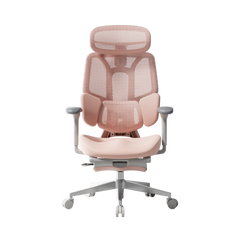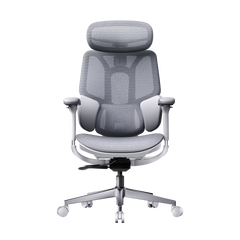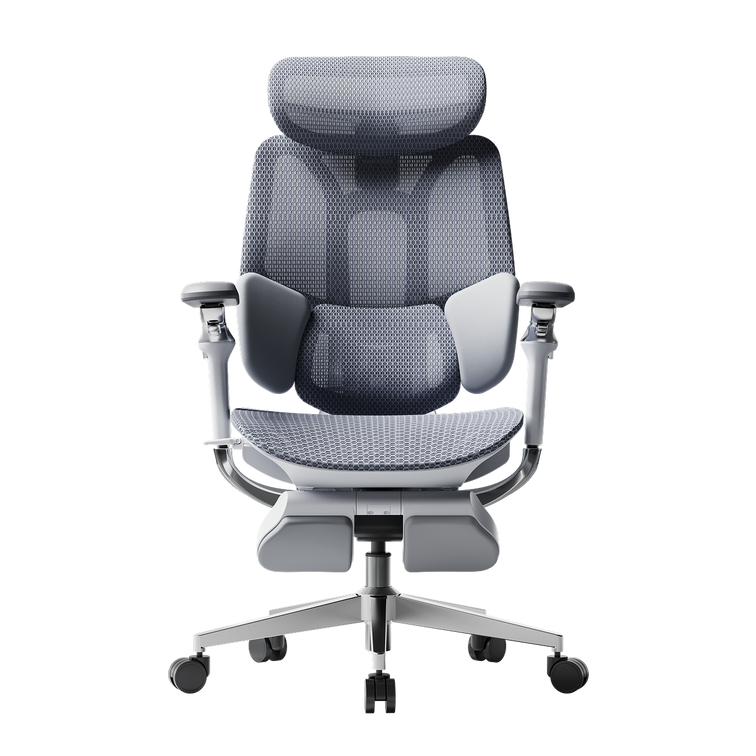
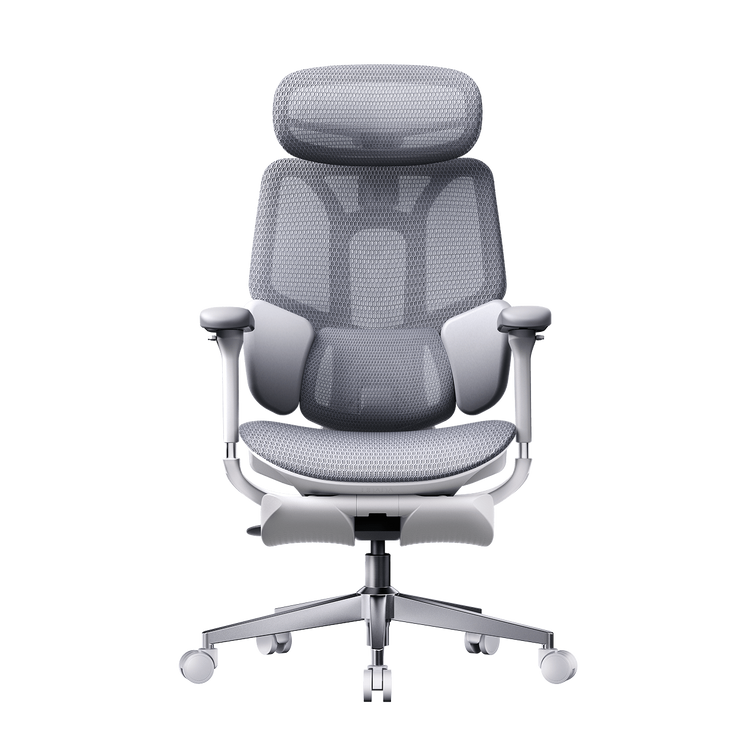
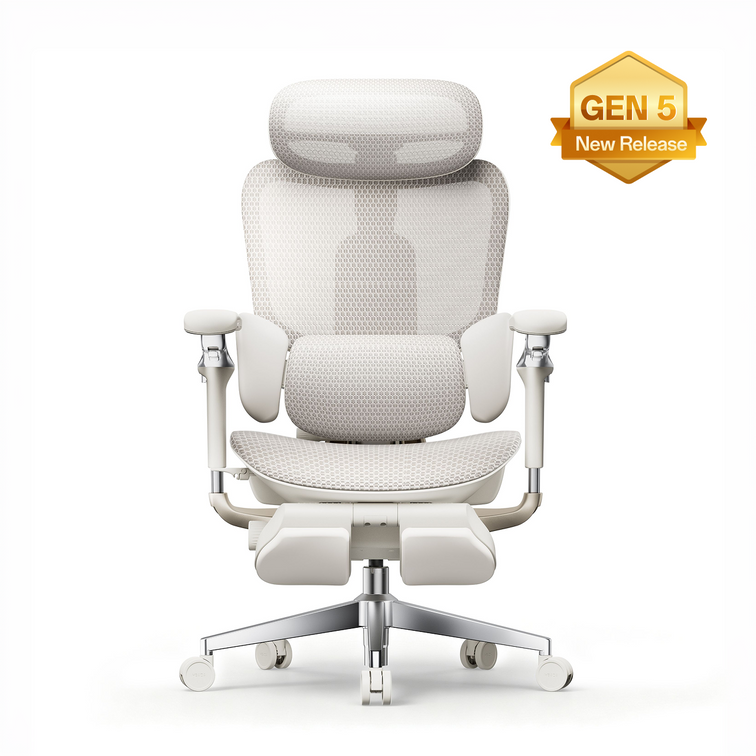
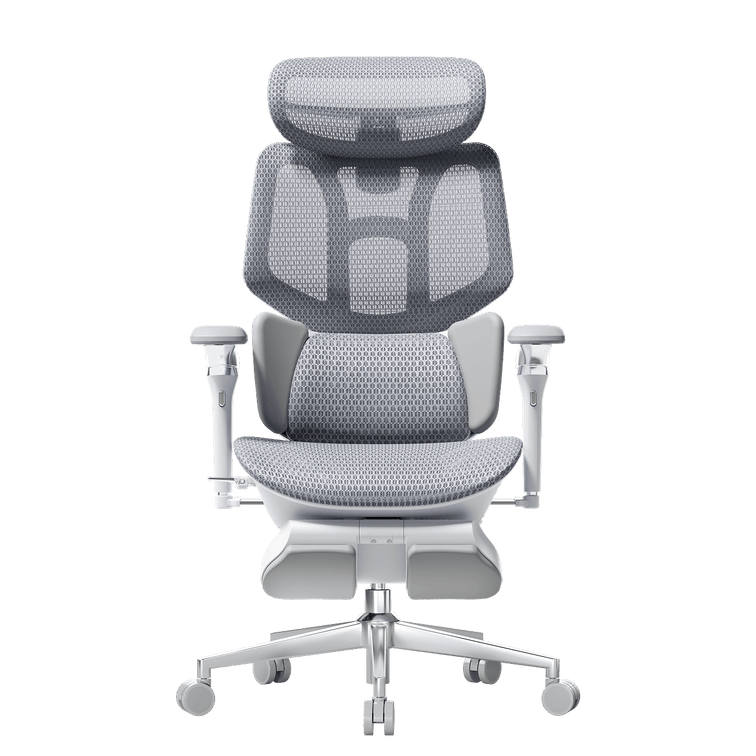





Start with your measurements.Find support that fits.
A practical approach to HBADA vs Hinomi: compare the exact chair, understand its dimensions and find out whether its adjustments work for you.
Compare seat height, usable seat depth, lumbar contact and armrest position. Add seat width and desk clearance before choosing. Size labels and adjustment counts are starting points, not guarantees of fit. Use the exact model, edition, configuration and measurement definitions on both sides.
Feature lists are easy to compare, but they do not tell the whole story. “5D armrests” or “three-zone lumbar support” describes a design or movement capability. It does not establish whether the chair will fit your legs, torso or desk.
This HBADA vs Hinomi guide starts with your body measurements and works outward. It explains how to compare chair fit without turning different model specifications into a brand-wide ranking.
01 / THE RIGHT STARTING POINT
Why Measurements Beat Feature Counts

A chair can offer adjustable lumbar support and still be a poor match for your proportions. If the seat is too deep, you may slide forward and lose backrest contact. If it is too high, your feet may remain unsupported. If the armrests get in the way, you may struggle to sit close enough to your keyboard.
The useful version of “Hinomi vs HBADA” is therefore not simply “which has more adjustments?” It is “which model's usable ranges include the positions I need?”
Compare like with like
Record the exact model, edition, size and configuration. Do not combine a specification from one version with a height recommendation or weight limit from another.
Separate size labels from fit
A size band can narrow your search, but it does not settle the decision. Adjustable chairs also need to be checked against your proportions and workspace.
02 / YOUR PERSONAL FIT PROFILE
Measure Yourself Before Comparing Chairs
Use a stable seat and your usual work footwear. Record your measurements in centimetres. If a product lists millimetres, convert consistently: 10 mm equals 1 cm.
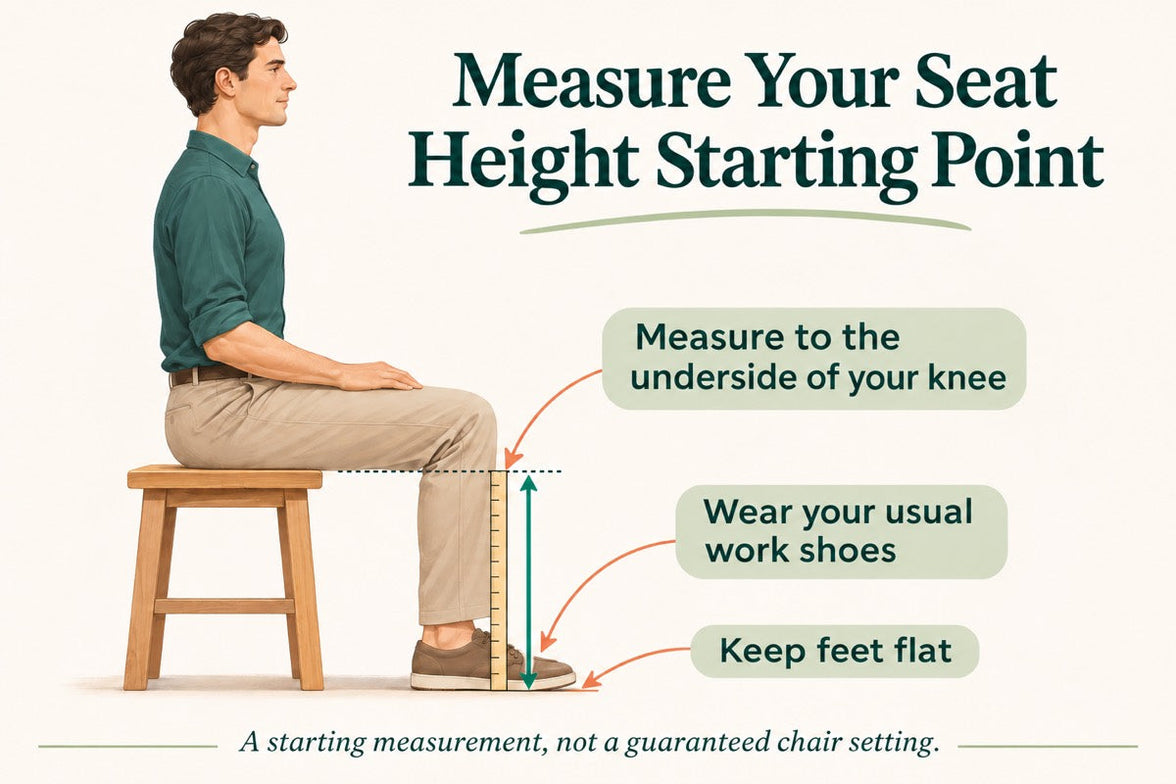
- Record seated lower-leg height. Measure from the floor to the underside of your knee with your feet supported. Use this as a starting point for checking seat height, not an exact purchasing formula.
- Record hip-to-knee length. Measure from the back of your buttocks to the back of your knee. The usable seat should support your thighs while leaving comfortable clearance behind the knees.
- Record elbow position and desk clearance separately. Note your relaxed elbow height above the seat. Then measure the space beneath your desk, including drawers, support rails and keyboard trays.
- Record seated hip width. Compare this with usable seat width and the space between the armrests. Overall chair width is a different measurement.
Our office chair fit guide explains how height, depth, width and lumbar position work together. Keep your measurements beside you when comparing product specifications.
03 / START FROM THE FLOOR
Seat Height: Check Both Ends of the Range

Seat height needs to work with your legs and workstation together. You should be able to support your feet without perching at the front of the seat to reach the floor.
Check what a published figure measures. “Floor to seat base” may not describe the same point as “floor to seating surface”. Mesh deflection and cushion compression can also change the occupied sitting position.
If you need a lower seat
Start with the minimum usable seat height, then check seat depth. A recommended-height range does not replace these measurements.
If you need a higher seat
Check the upper setting alongside thigh support and backrest position. A chair that rises high enough may still be too shallow for you.
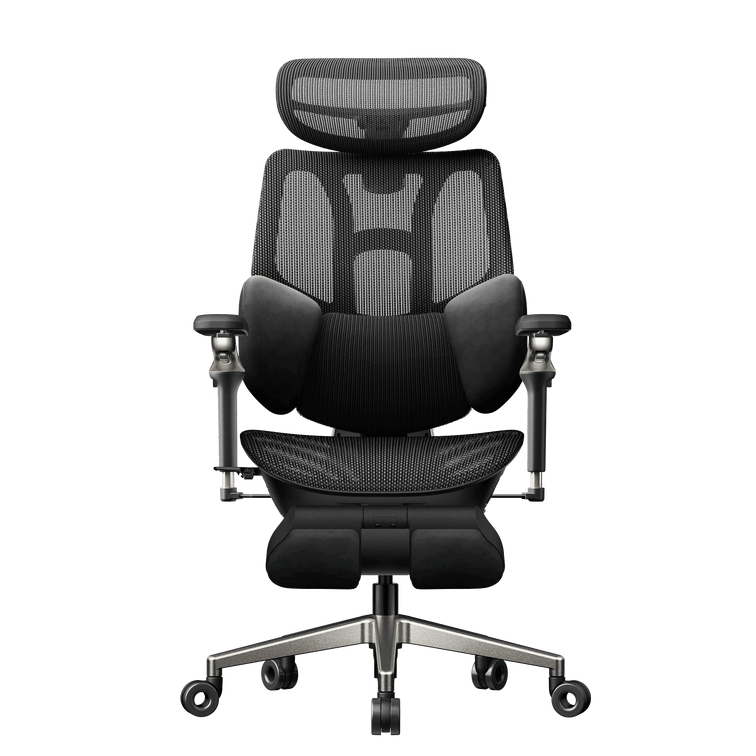
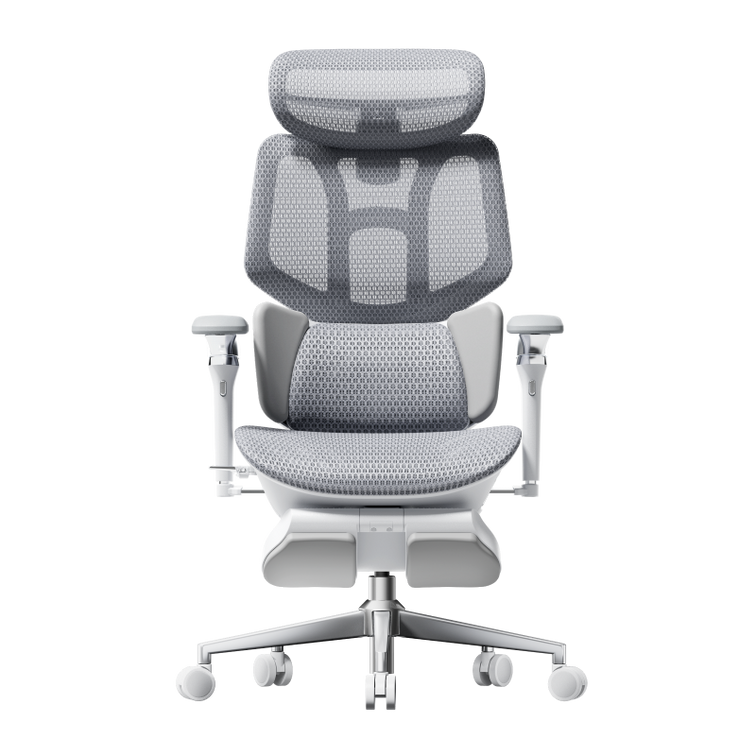
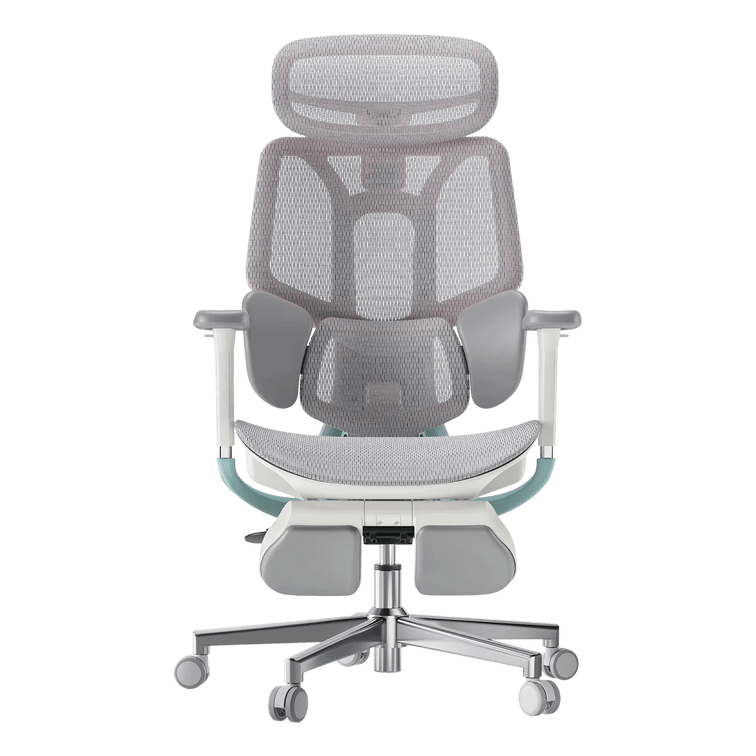
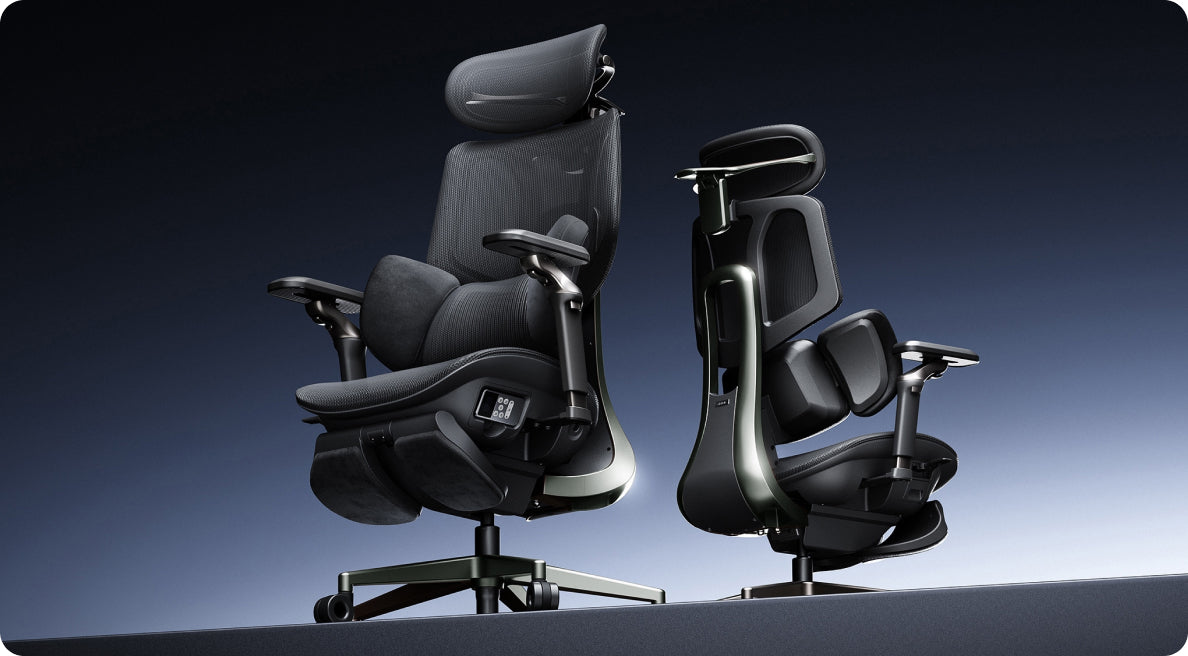
Compare the current EU specifications for the E3 Air 2026, E3 Pro 2026 and X7. Do not carry over dimensions from a different generation or regional listing.
04 / THE NUMBER PEOPLE MISS
Usable Seat Depth: Range Is Not the Same as Travel
Seat depth affects whether you can remain against the backrest while leaving comfortable space behind your knees. Three measurements are often confused during a chair comparison.
| Measurement | What it describes | What it does not establish |
|---|---|---|
| Overall chair depth | The chair's front-to-back footprint. | The usable surface supporting your thighs. |
| Usable seat-depth range | The minimum and maximum usable depth, with defined reference points. | Comfort without considering your body and backrest position. |
| Seat-slide travel | How far the seat moves between adjustment endpoints. | The absolute minimum or maximum usable depth. |
For shorter thighs, check the shallowest usable setting. For longer thighs, check the deepest. In both cases, the goal is support while remaining against the backrest—not simply selecting the largest number.
When a listing gives only seat-slide travel or seat-pan depth, confirm the usable endpoints before making a cross-brand size comparison.
05 / WHERE SUPPORT MEETS YOU
Backrest Shape, Lumbar Fit and Everyday Comfort

Lumbar support is intended to help support a comfortable sitting position. A well-matched setup may help ease sitting-related discomfort, but support-zone counts alone cannot predict the experience.
The important checks are where the support contacts your lower back, whether you can position it comfortably and how it feels when you change posture.
Adjustable support
Our E3 Pro 2026 offers three-zone lumbar support. Explore the controls gradually rather than assuming the strongest contact or highest setting will be the most comfortable.
Responsive support
The HBADA X7 uses AI-powered lumbar tracking. This is a different support approach, not a guarantee of a particular result for every user.
For a Hinomi comparison, keep the specific model and edition in view. Do not transfer backrest descriptions or adjustment details between H1 Pro V2, H2 Pro or other model families.
- Can you place the support at a comfortable height?
- Can you sit back without feeling pushed forward?
- Does contact remain comfortable as you change position?
- Are the controls accessible and practical to use?
06 / INCLUDE YOUR DESK
Armrest Position: Support and Clearance Are Separate Checks
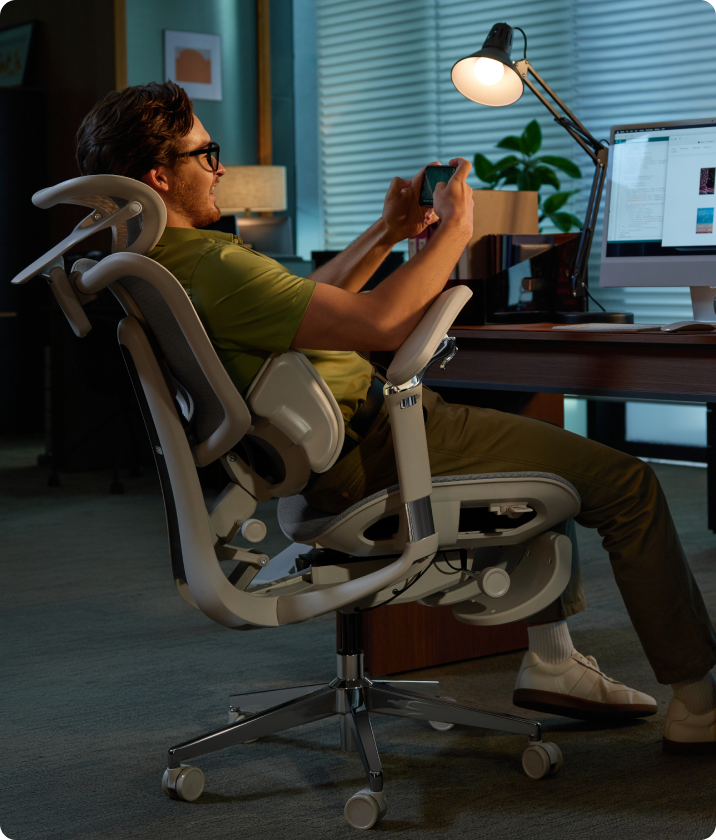
Armrests should work with your relaxed elbow position and the space beneath your desk. These are related questions, but they require different measurements.
Check whether an armrest height is measured from the floor or from the seat. A floor-to-armrest figure also depends on the seat-height setting.
For example, a desk with 70 cm of clear space underneath will not accommodate a 72 cm-high armrest in that position, even if the desktop itself is 75 cm high.
If a specific chair includes flip-up armrests, check how the function changes desk access and what support remains available while working. Labels such as “5D” or “720°” do not establish minimum elbow height or desk clearance.
07 / A FAIR SIDE-BY-SIDE CHECK
HBADA vs Hinomi: A Model-Specific Fit Worksheet
Apply the same criteria to both brands. Leave an unconfirmed field unconfirmed rather than borrowing a number from a different model or market.
| Fit check | HBADA model | Hinomi model | Decision rule |
|---|---|---|---|
| Identity | Record the model, edition and configuration. | Record the model, edition and size where applicable. | Do not mix specifications across versions. |
| Seat height | Check minimum, maximum and measurement point. | Check the same details for the selected version. | Look for supported feet and a workable desk position. |
| Usable depth | Separate usable depth from slide travel. | Separate usable depth from seat-pan dimensions. | Maintain backrest contact and comfortable knee clearance. |
| Seat width | Check usable width and armrest spacing. | Check the same measurements. | Overall chair width is not a substitute. |
| Lumbar contact | Check support position and available controls. | Check support position and controls for the exact model. | Panel or zone counts do not settle fit. |
| Armrests | Check elbow support and height at your seat setting. | Check the same, including any folding function. | Compare with the desk's lowest obstruction. |
| Weight limit | Use the published limit in kg for the selected model. | Use the published limit in kg for the selected model. | Capacity is not a comfort or durability ranking. |
| Purchase details | Check the selected EU configuration and delivery country. | Check the applicable regional configuration and terms. | Do not carry over prices or policies from another market. |
Swipe horizontally on smaller screens. This worksheet is a comparison method, not a completed product test.
08 / FROM MEASUREMENTS TO A SHORTLIST
Which Measurements Should Guide Your Choice?
Shorter lower legs
Prioritise minimum seat height, then confirm the seat is not too deep. A size label or recommended-height band is not enough on its own.
Longer thighs
Check maximum usable seat depth, not only slide travel. Confirm that you can still sit against the backrest comfortably.
A compact desk
Measure the lowest obstruction beneath the desk and the chair's width at the armrests. Check whether you can get close enough to the keyboard.
A shared workspace
Compare the ranges with both users' measurements. A broad range helps only if it covers the settings each person needs and is practical to reset.
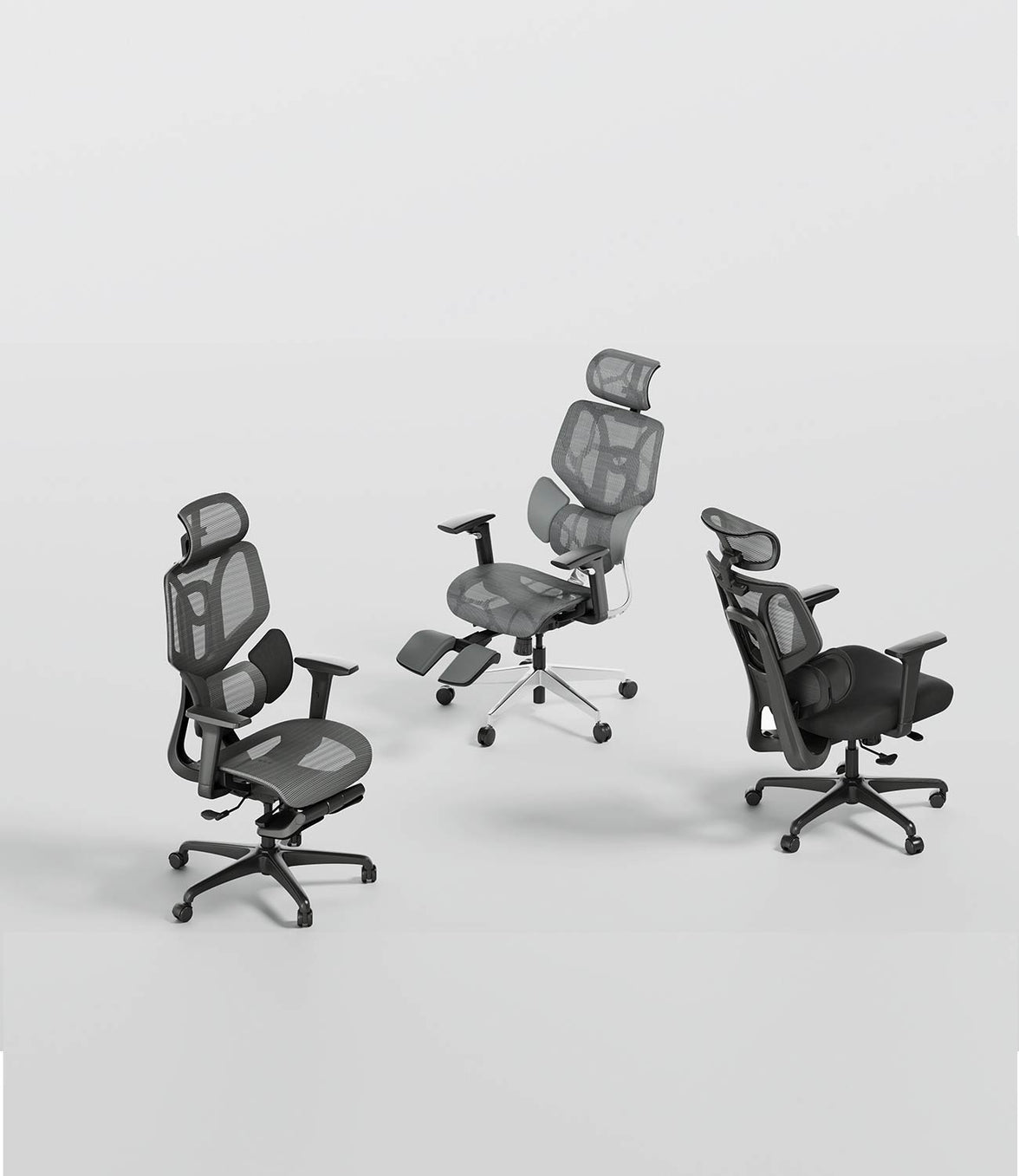
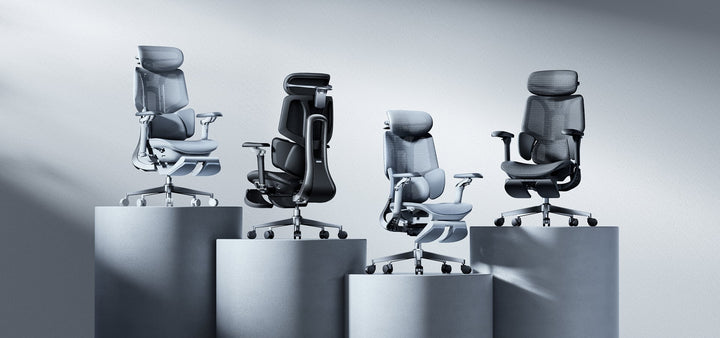
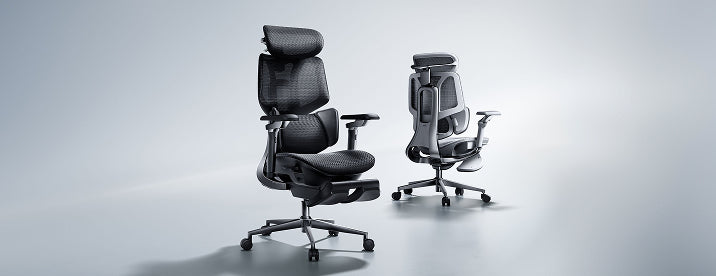
Within our range, explore the E3 Air 2026, E3 Pro 2026 and X7 to build a fit-led shortlist. Once the dimensions work, compare the support features and controls that matter to your routine.
09 / USEFUL ANSWERS
Frequently Asked Questions
Is HBADA or Hinomi better for my height?
Height alone cannot settle that question. Compare the exact models' seat height, usable depth, lumbar position and armrest settings against your proportions. Neither brand name establishes a universal fit.
Is this an independent comparison test?
No. We publish this guide as HBADA. It explains how to compare dimensions and adjustments; it does not report a controlled physical test or an independent comfort ranking.
Can suitable lumbar support help ease discomfort?
A well-matched chair and appropriate adjustments may help ease sitting-related discomfort and make a supported position more comfortable. Results vary. This is not a claim that a chair treats the underlying causes of back pain.
Are H1 Pro V2 and H2 Pro specifications interchangeable?
No. Treat them as separate models. Similar names or an updated product listing do not justify transferring dimensions, size bands or features between them.
Are multiple size options automatically better?
No. Each size has specific dimensions that need checking. Likewise, a chair with a wide adjustment range works only if that range includes the positions you need.
Does more seat travel mean a deeper seat?
Not necessarily. Travel describes how far the seat moves. You need the minimum and maximum usable depth to compare actual seating space.
Will an armrest fit under a standard-height desk?
Desktop height alone does not answer this. Measure the lowest obstruction beneath the desk, then compare it with the armrest at the seat-height setting you intend to use.
What if specifications conflict?
Check the model, edition, market, configuration and measurement definition. Ask for clarification before relying on a disputed figure. Do not average conflicting specifications.
What should I check when ordering in Europe?
Check the exact EU product configuration, price and applicable taxes, delivery availability for your country, and the relevant return and warranty terms. Do not apply another market's policies to your order.
10 / BRING IT TOGETHER
Fit Is a Match, Not a Feature Count
A practical HBADA vs Hinomi comparison begins with two clearly identified models and your own measurements. More features cannot compensate for a seat or armrest position that does not work for you.
- I know the exact model, edition and configuration.
- I have checked seat height and usable seat depth in centimetres.
- I have compared usable seat width and armrest spacing.
- I have measured the actual clearance beneath my desk.
- I understand the lumbar controls and support position.
- I have checked the purchase terms for my delivery country.
Once the dimensions work, explore the controls and refine the setup. Use our manual and assembly guide hub for the instructions matching your chair. Change one setting at a time so you can judge its effect.
Find the HBADA that fits your setup.
Compare the European range, check the dimensions and choose support that has a purpose in your working day.