


Safe, simple care for mesh, spills, stains, casters and smart-chair components.
What Can Damage a Mesh Chair?

Mesh is designed to breathe and flex, but it can be damaged by unsuitable cleaning methods. Bleach, strong chemicals, solvents, hot water and abrasive cleaners can weaken or discolour the fibres. Stiff brushes and hard scrubbing can also snag or stretch the weave.
Keep the chair out of prolonged direct sunlight, do not soak the mesh, and avoid spraying liquid directly onto it. Regular light cleaning is safer than occasional heavy cleaning.
How Do You Clean Everyday Dust?
Use a soft dry cloth
Wipe the mesh with a dry microfiber cloth to remove surface dust, lint and light debris.
Vacuum on a low setting
If dust is caught in the weave, use gentle suction and move across the surface without pressing into it.
A short weekly clean helps prevent dust and skin oils from building up, particularly when the chair is used every day.
How Do You Clean Spills and Stains?
For a fresh spill, dampen a soft cloth with mild soapy water and wring it out well. Blot the area from the outside of the mark toward the centre so it does not spread.
Do not soak the mesh or scrub hard. For a stubborn mark, test an alcohol wipe on a hidden area first, then dab gently. Let the chair air-dry completely in a ventilated room before use.
How Do You Care for the Frame, Armrests and Casters?

Use a separate soft, damp cloth for the frame, armrests and base. Keep water away from the gas lift, recline mechanism and other moving parts. Never attempt to open the gas cylinder.
Casters can collect hair and dust over time. Remove anything wrapped around the wheels, then wipe them clean so the chair can move smoothly.
Cleaning Methods at a Glance
| What to Clean | Safe Method | What to Avoid |
|---|---|---|
| Everyday dust | Soft dry cloth or low-suction vacuum | Hard brushing or scratching the mesh |
| Fresh spills | Blot with mild soapy water | Soaking or rubbing the mesh |
| Stubborn marks | Spot-test, then dab gently | Bleach, hot water or solvents |
| Frame and armrests | Soft damp cloth | Abrasive or harsh cleaners |
| Casters | Remove hair and debris, then wipe | Forcing debris deeper into the wheel |
How Do You Clean a Smart Chair With Electronics?
Use a dry cloth around controls, sensors, fans, batteries and powered adjustment areas. Never spray liquid directly onto the chair. Clean the mesh and non-electronic surfaces gently, then allow the chair to dry completely before use.
Step by Step: A Safe Deep Clean
- Switch off a smart or powered chair before cleaning.
- Vacuum or dry-dust the mesh to remove loose debris.
- Mix a small amount of mild soap with lukewarm water.
- Dampen and thoroughly wring out a soft cloth.
- Blot the mesh without soaking it.
- Spot-test before treating stubborn marks.
- Wipe the frame, armrests and base separately.
- Remove hair and dust from the casters.
- Let the chair air-dry away from direct sunlight.
Which HBADA Chairs Does This Apply To?
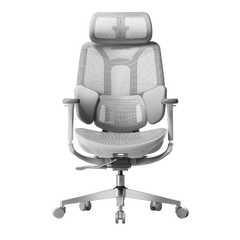
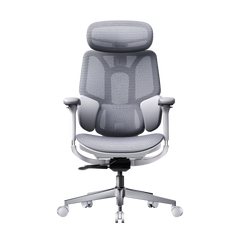
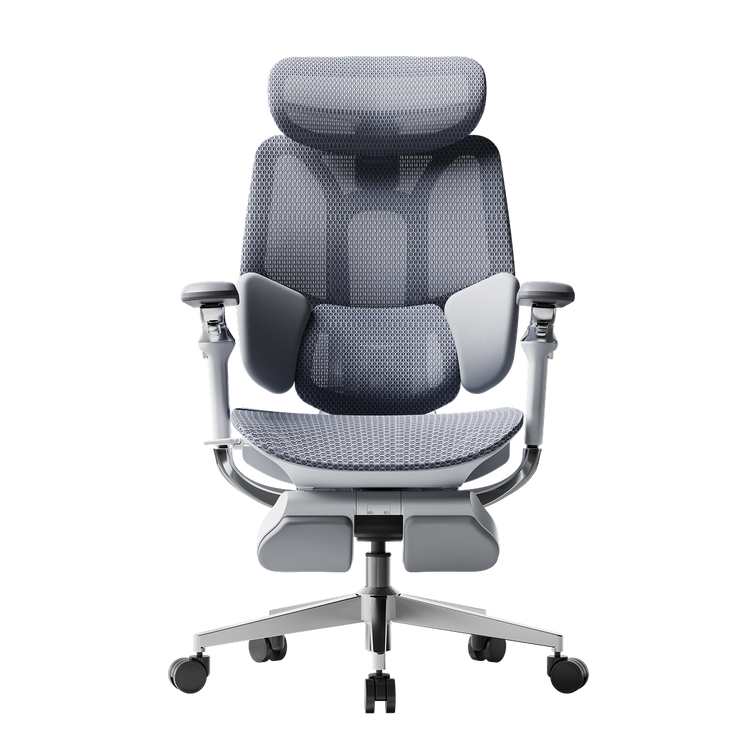
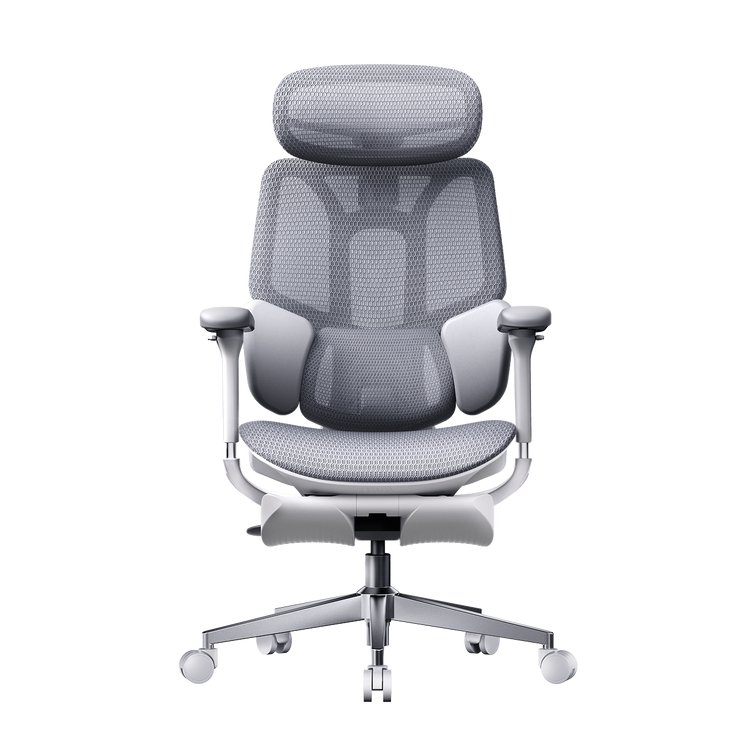
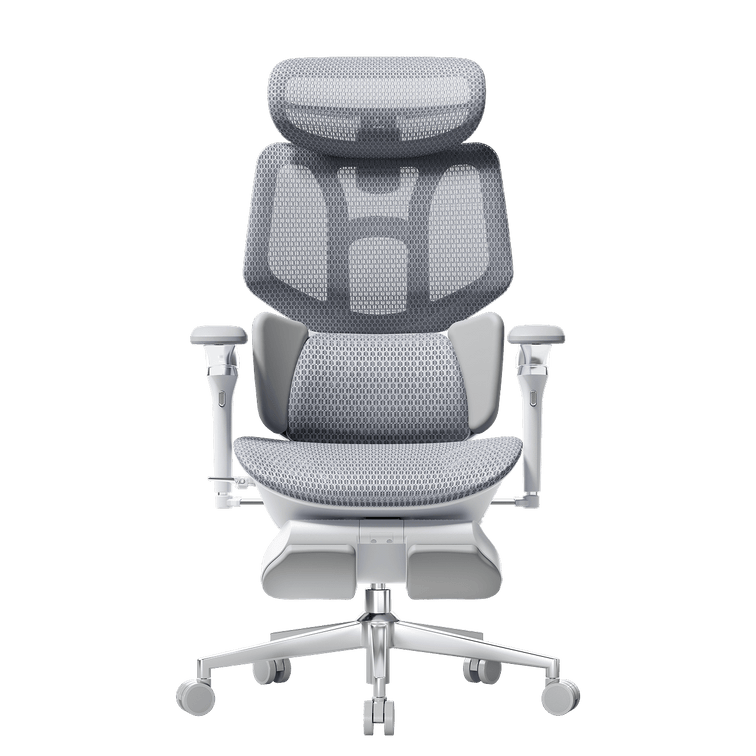
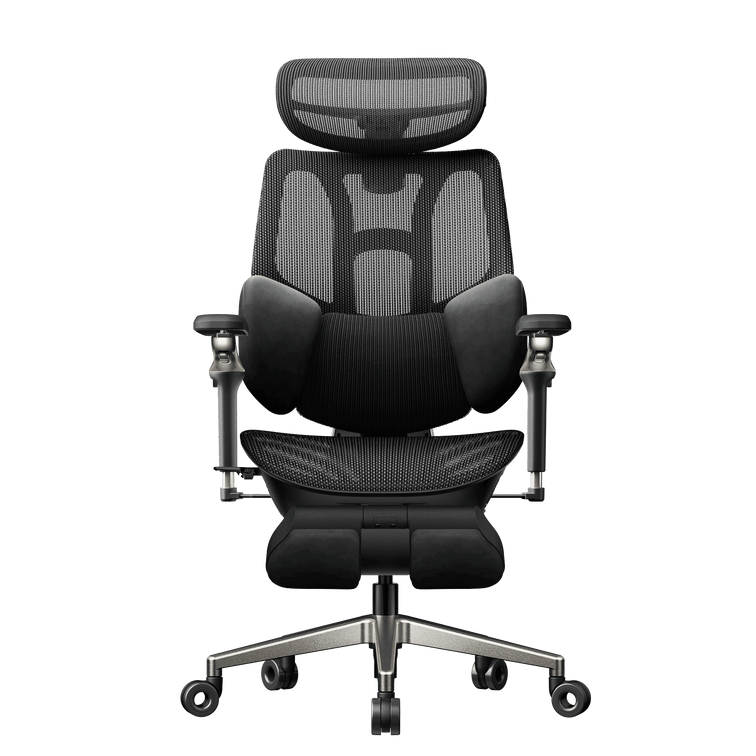
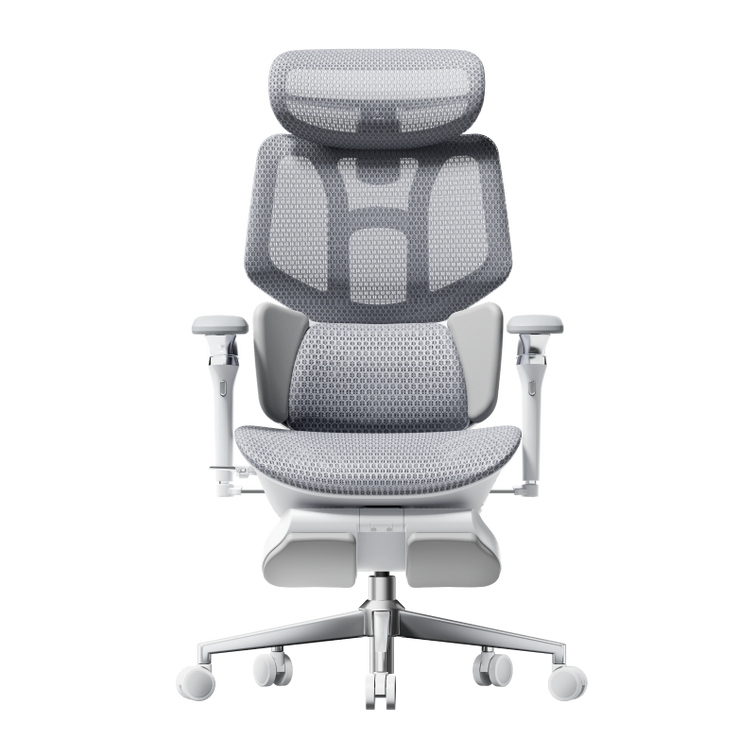
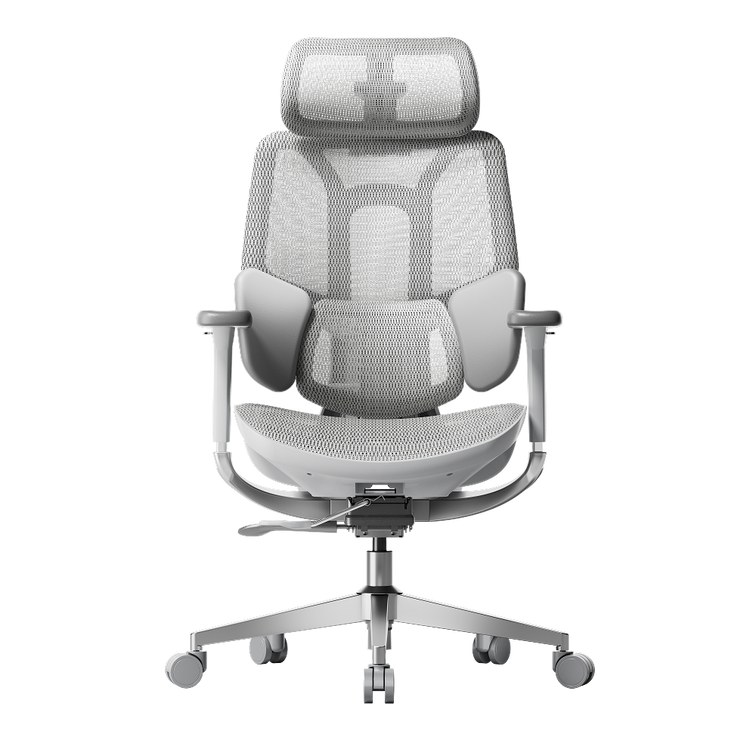
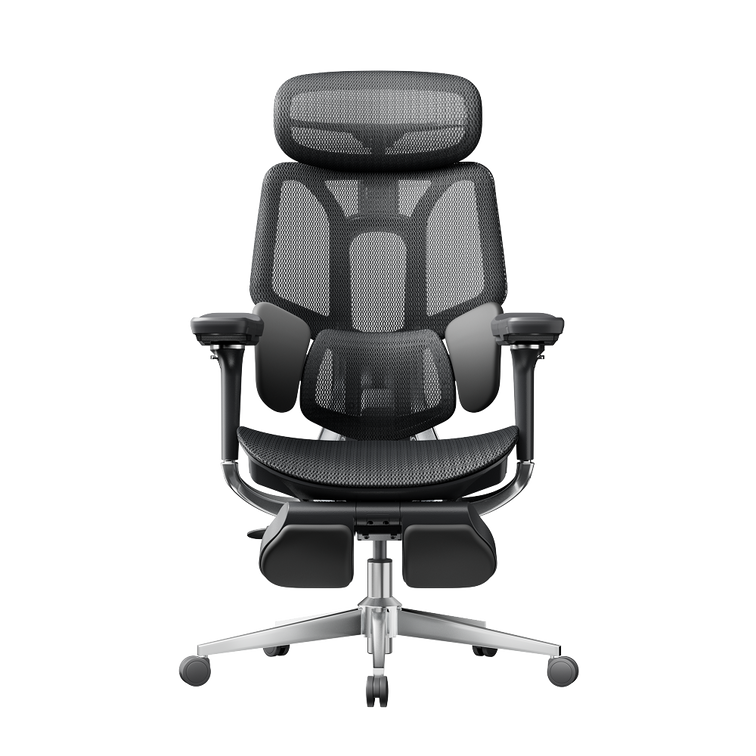
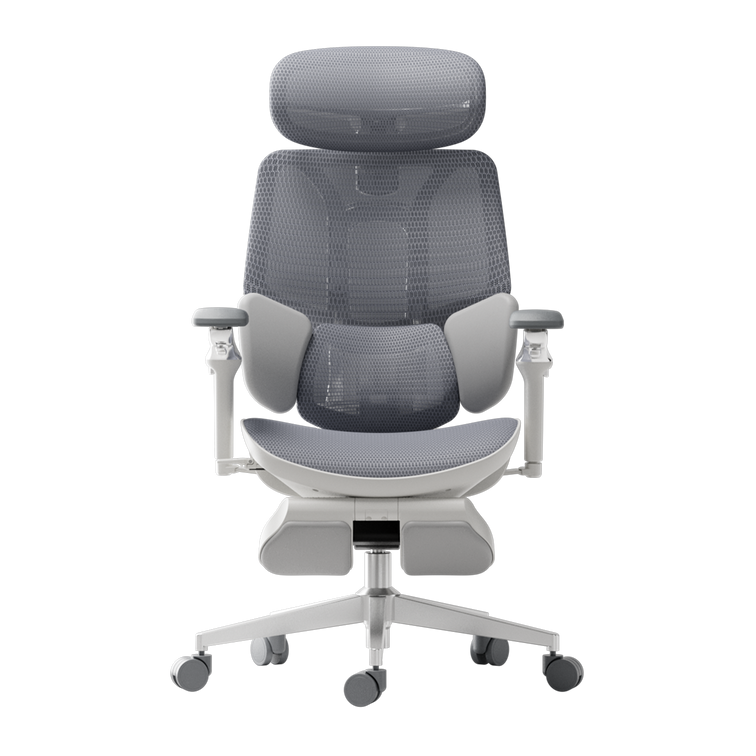
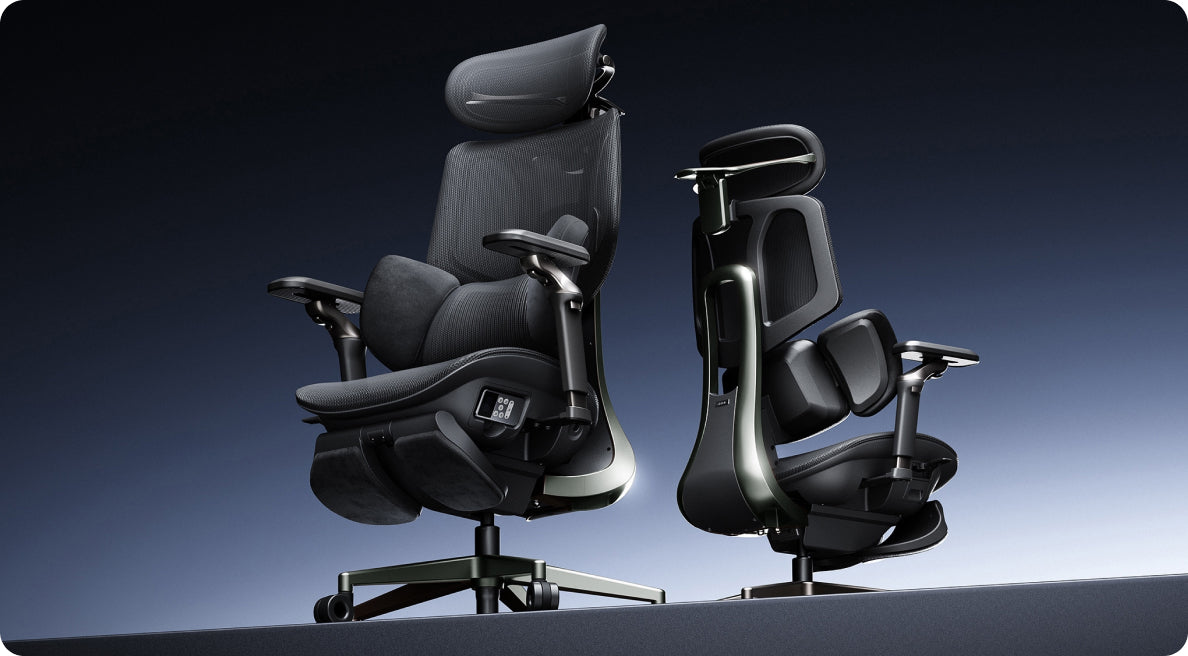
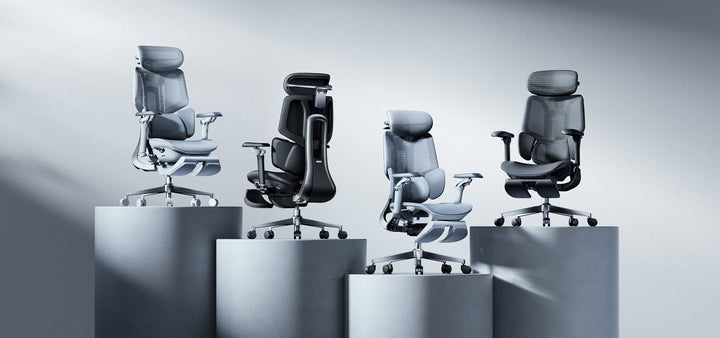
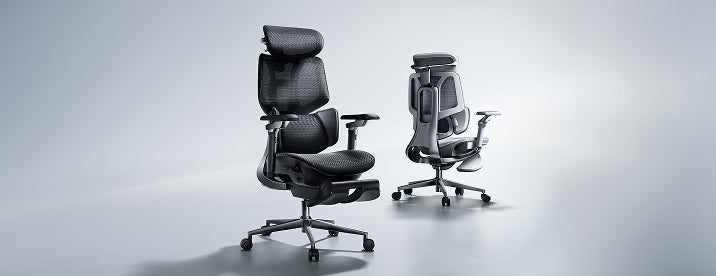
This guide is suitable for HBADA mesh office chairs sold through HBADA EU, including the E3 Pro and X7 Prestige.
For an E3 Pro, regular care means keeping the mesh clean and keeping moisture away from the gas lift and mechanism. For a smart or powered model, follow the model-specific guidance before cleaning around controls or powered areas.
Frequently Asked Questions
Can you wash a mesh office chair?
You can clean it, but you should not soak it. Vacuum or dry-dust the mesh first, blot it with mild soapy water, and let it air-dry completely.
What should you not use to clean a mesh chair?
Avoid bleach, hot water, solvents, abrasive cleaners, stiff brushes and hard scrubbing. These can weaken, discolour or snag the mesh.
How do you remove a stain from mesh?
Blot the stain with a well-wrung cloth and mild soapy water. For a stubborn mark, spot-test an alcohol wipe first, then dab gently rather than scrub.
How often should you clean a mesh office chair?
Dust or vacuum the mesh once a week, deal with spills promptly, and carry out a deeper clean whenever needed.
Does cleaning damage mesh over time?
Not when it is done gently. Mesh damage usually comes from harsh chemicals, excess water, heat or heavy scrubbing.
Sources
```