

Last reviewed: July 2026
You stand up, glance down, and notice a body-shaped dent in your office chair. This is usually caused by wear in the seat material—not by anything being wrong with your body.
In a padded office chair, the most common cause is foam compression set: the foam gradually loses its ability to return to its original shape after repeated pressure. Although no seat material lasts forever, choosing a well-built ergonomic office chair, adjusting it correctly and changing position regularly may help maintain more consistent support.
Quick answer: A permanent office chair seat dent normally means that the foam or seat suspension has started to wear. It cannot usually be restored completely. If the seat no longer distributes pressure comfortably, consider replacing the cushion, seat assembly or chair.
Table of Contents
What Are Office Chair Seat Imprints?
An office chair seat imprint is a visible depression in the cushion or suspended seat surface. In a foam seat, it often appears when the foam cells no longer recover fully after pressure is removed.
This process is commonly described as compression set. It is a form of material wear rather than a medical condition or a reflection of the user’s body shape.
A small temporary impression after sitting may be normal. A dent that remains after the chair has been unused for several hours is more likely to indicate permanent material fatigue.
What Causes Office Chair Seat Imprints?
Foam compression and material fatigue

Foam contains a network of cells that compress when you sit and recover when pressure is removed. With repeated use, some cells may lose elasticity and stop returning to their original form.
The speed at which this happens depends on several factors:
- Foam density and construction quality
- Daily sitting time
- User weight and sitting position
- Heat, humidity and direct sunlight
- Whether pressure is repeatedly concentrated in the same area
- The age and maintenance of the chair
Thin or low-quality cushioning may show permanent compression sooner. Higher-density or moulded foam may retain its form for longer, but no foam seat is completely immune to wear.
Pressure beneath the sit bones
When you sit, a significant part of your weight is transferred through the ischial tuberosities, commonly called the sit bones. This concentrates pressure around the centre-rear portion of the seat.
If the chair does not fit correctly—or if the user remains in one position for extended periods—the same area may be loaded repeatedly. Over time, this can contribute to uneven wear.
Incorrect seat depth
A seat that is too deep may prevent the user from sitting fully against the backrest. A seat that is too shallow may provide insufficient thigh support. Either situation can affect how pressure is distributed across the seat.
As a practical starting point, adjust the chair so that your feet are supported and there is a small gap between the front edge of the seat and the backs of your knees.
Are Chair Imprints Bad for You?
The imprint itself is not a health condition. However, a badly worn seat may become uncomfortable because it no longer distributes pressure as evenly as intended.
A collapsed seat may also change the position of the pelvis or make it harder to use the backrest correctly. This does not mean that the chair is necessarily causing an injury, but it may indicate that the seat is no longer providing suitable support.
An ergonomic office chair is not a medical treatment or medical device. If sitting causes persistent pain, numbness, weakness or other symptoms, seek advice from an appropriate healthcare professional.
Regardless of the chair used, avoid remaining in one posture all day. European workplace guidance emphasises varying posture and reducing prolonged static sitting as part of a healthier workstation routine.
Foam vs Mesh: Which Seat Is Less Likely to Develop a Dent?

Foam and elastic mesh behave differently under repeated pressure. Neither material is automatically better for every user, and the quality of the construction matters more than the material name alone.
| Factor | Foam Seat | Elastic Mesh Seat |
|---|---|---|
| Typical wear | Foam cells may gradually compress and form a permanent depression. | Mesh may gradually lose tension, stretch or become damaged. |
| Shape recovery | Depends on foam density, thickness, age and construction. | A properly tensioned elastic weave is designed to recover after pressure is removed. |
| Airflow | May retain more body heat, depending on the cover and foam. | Open construction generally allows more airflow. |
| Sitting feel | Often feels softer and more cushioned. | Often feels more responsive and supportive, but may feel firmer. |
| What to check | Foam quality, cushion thickness, cover material and warranty. | Mesh tension, frame support, pressure at the seat edge and warranty. |
The practical difference: a mesh seat does not develop foam compression set because it does not rely on a block of foam. Nevertheless, low-quality or damaged mesh can still stretch and lose support. Buyers should evaluate the complete chair rather than assuming that every mesh seat will perform in the same way.
How to Reduce Office Chair Seat Wear
You cannot prevent all normal material ageing, but the following steps may reduce concentrated wear and improve sitting comfort:
- Change position regularly. Alternate between sitting, standing and short movement breaks instead of maintaining one posture for several hours.
- Adjust the seat depth. Support the thighs without pressing the seat edge firmly against the backs of the knees.
- Sit against the backrest. Avoid repeatedly perching on one small section of the seat.
- Check the stated weight capacity. Choose a chair designed for the intended user and use conditions.
- Protect the chair from excessive heat and moisture. Avoid placing it in strong direct sunlight or close to a heat source.
- Inspect the seat regularly. Look for permanent dents, torn fabric, loose mesh, exposed structural components or uneven support.
- Do not rely on a very soft topper as a permanent repair. An additional cushion may alter the seat height and lumbar-support position.
When Should You Replace the Seat or Chair?
A visible mark alone does not always mean that the chair must be replaced. Consider replacement or professional inspection when:
- The dent remains after the chair has been unused for an extended period
- You can feel the hard structure beneath the cushion
- The seat slopes noticeably to one side
- The mesh has stretched, torn or separated from the frame
- The chair no longer allows a stable and comfortable sitting position
- The damage is accompanied by loose components, instability or unusual noises
If the chair is still covered by warranty, contact the manufacturer before attempting a repair. Altering the seat yourself may affect warranty coverage or chair safety.
Choosing an HBADA Ergonomic Office Chair

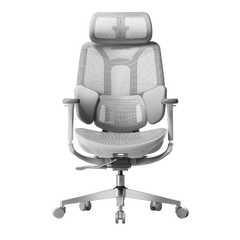
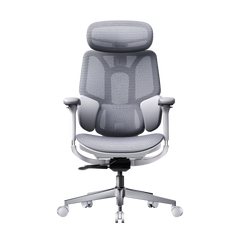
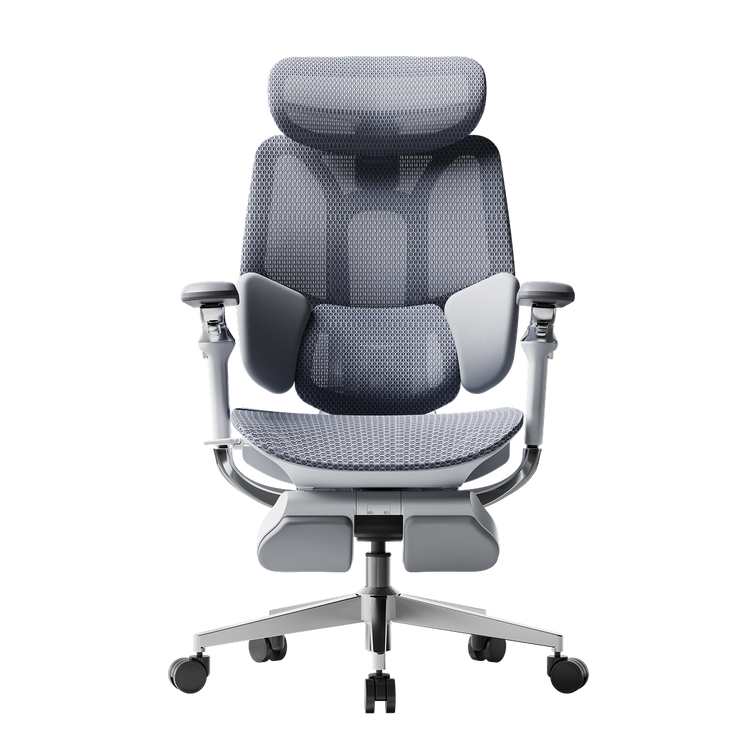
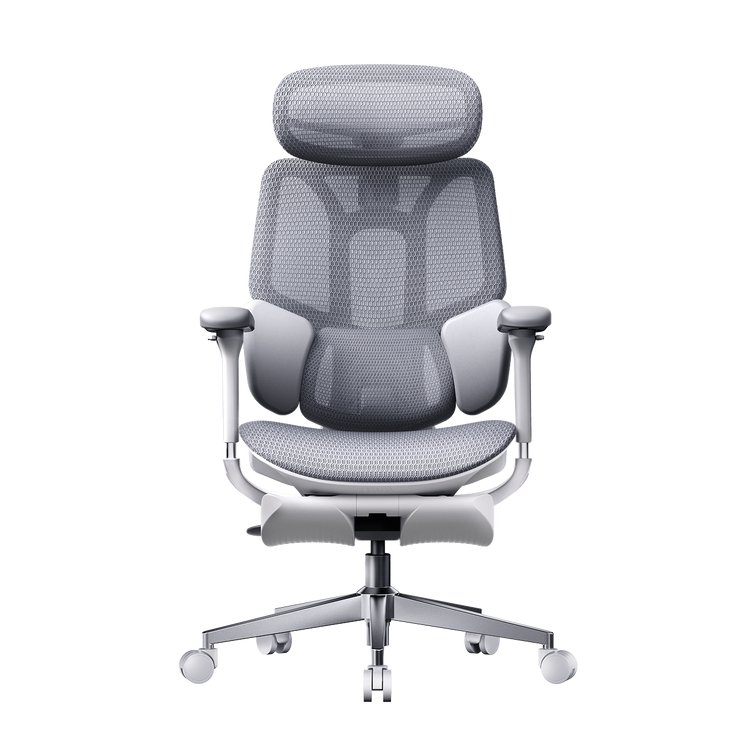
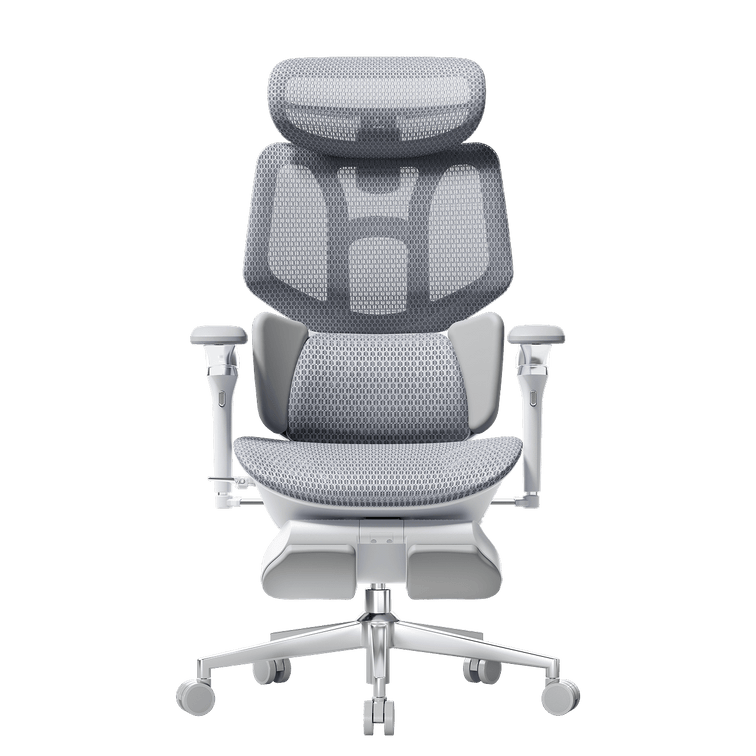
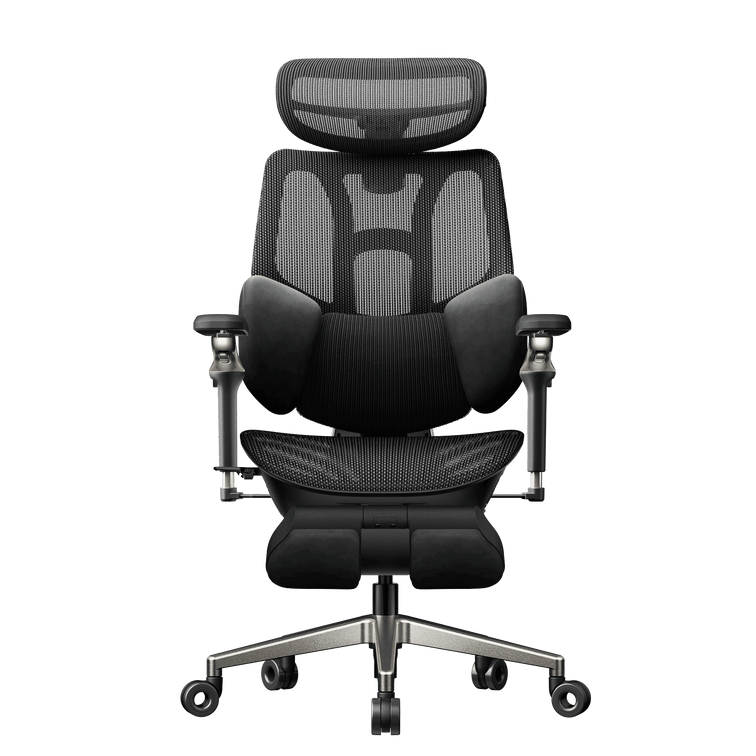
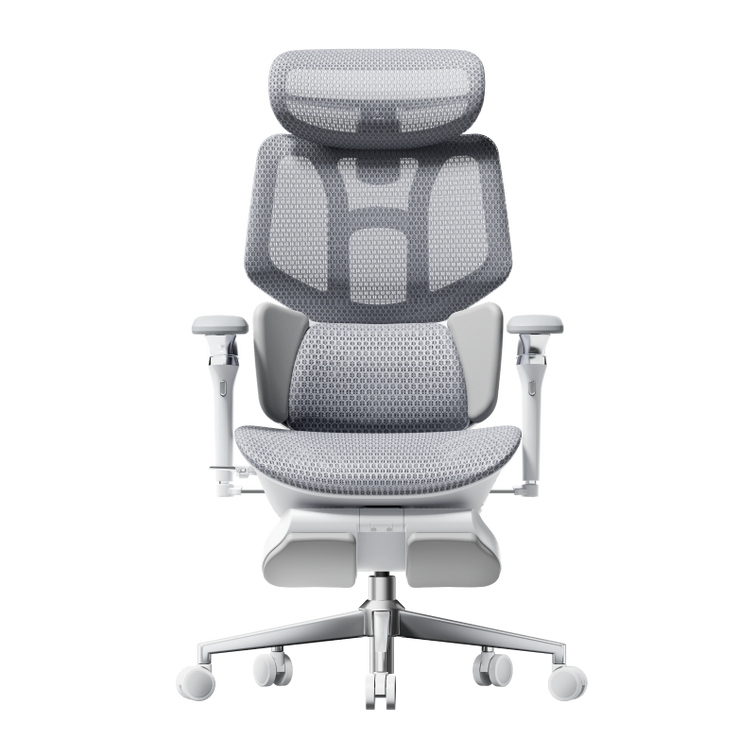
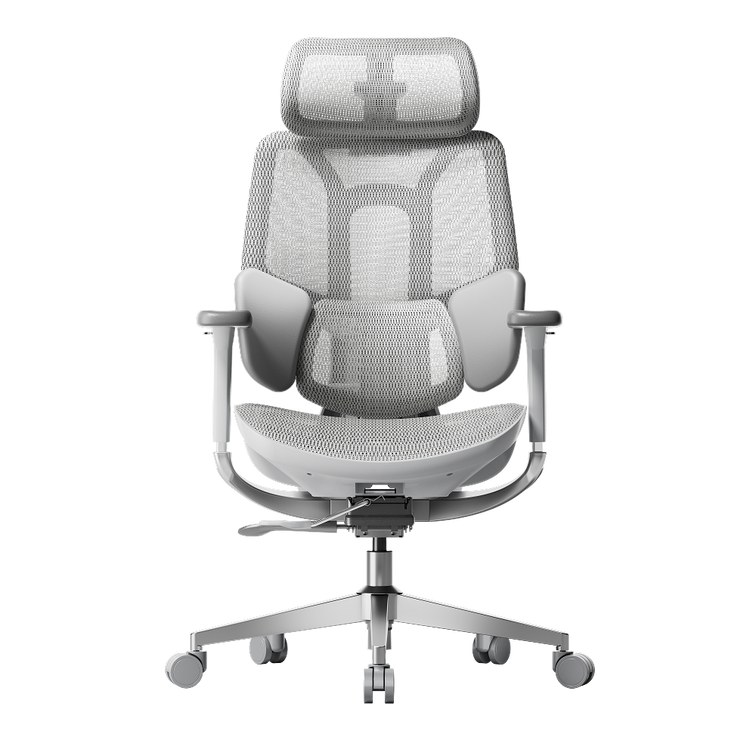
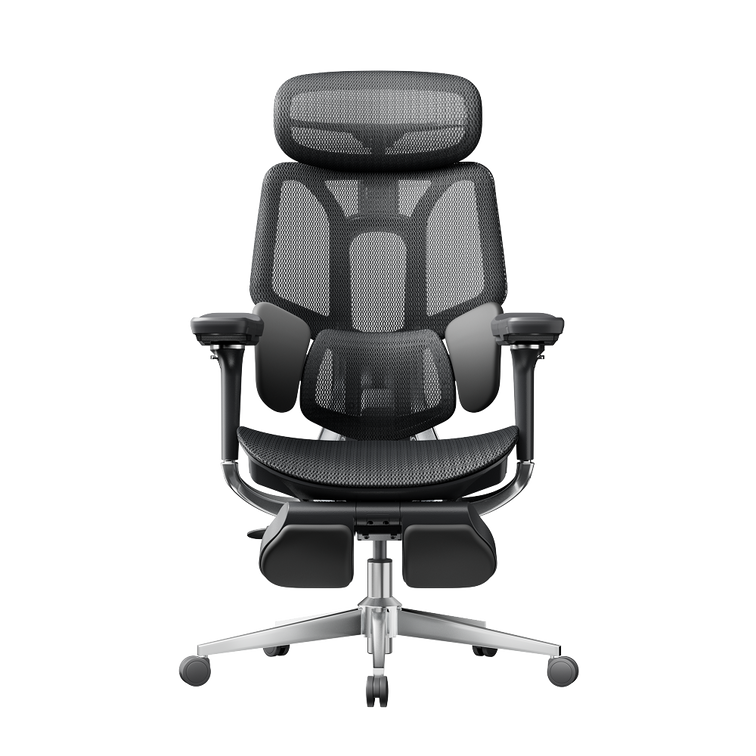
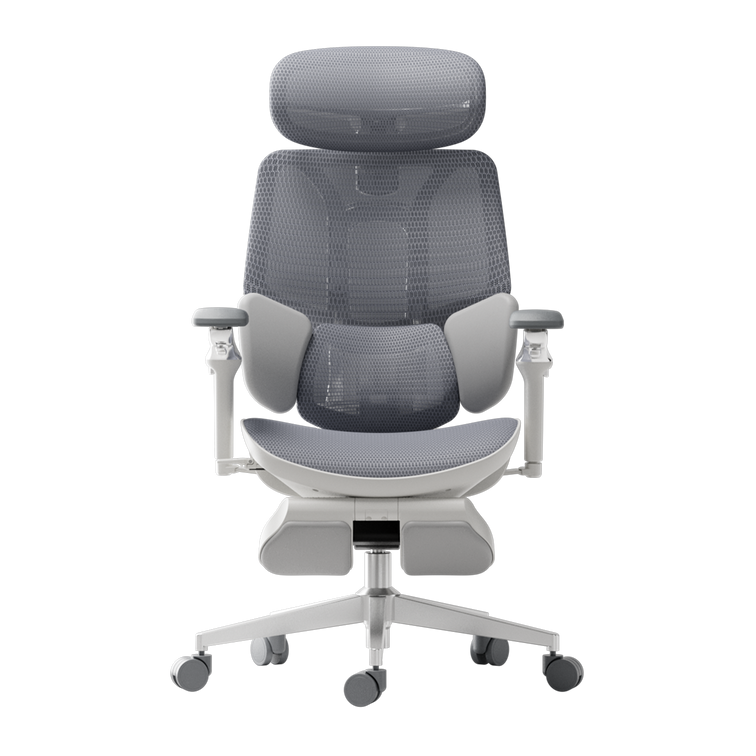
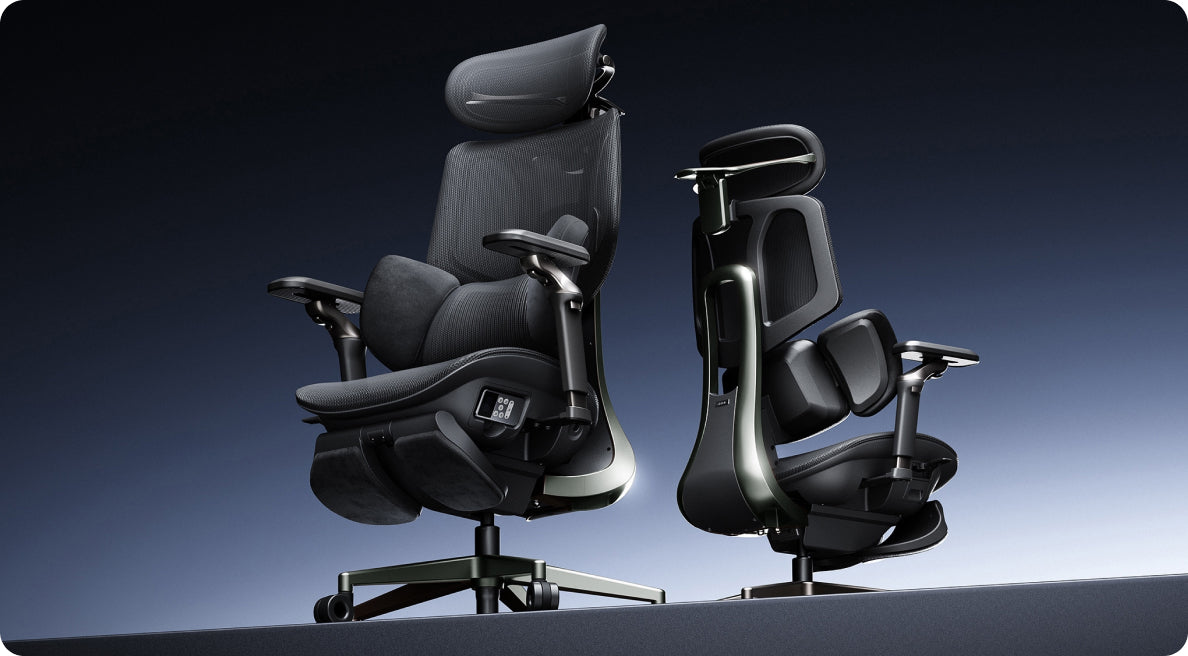
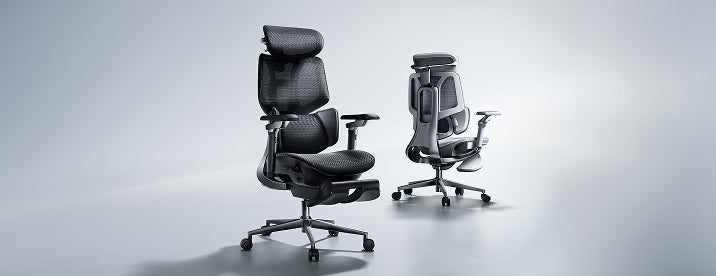
If permanent foam compression is your main concern, you may want to consider an ergonomic office chair with a properly tensioned mesh seat. Current HBADA EU options include the X7 Smart and E3 Pro 2026 Edition.
| Model | Seat and Support | Current Published Fit Information | Consider If You Want |
|---|---|---|---|
| HBADA X7 Smart | Breathable elastic mesh seat with powered lumbar tracking and adjustable seat depth. | Recommended height: 150–195 cm. Maximum load: 150 kg. Seat depth: 40.5–45.5 cm. | Automatic lumbar adjustment and a highly adjustable smart-chair configuration. |
| HBADA E3 Pro 2026 Edition | Breathable mesh construction, three-zone adaptive lumbar support and adjustable seat depth. | Recommended height: 155–195 cm. Maximum load: 150 kg. Seat-depth adjustment: 5 cm. | Manual ergonomic adjustment, reclining and an available footrest configuration. |
Explore the HBADA X7 Smart Ergonomic Office Chair
Explore the HBADA E3 Pro 2026 Edition
Compare HBADA ergonomic office chairs in Europe
Specifications, configurations, prices, stock, certifications and warranty coverage may change. Check the relevant HBADA EU product and policy pages before purchasing.
Frequently Asked Questions
Why does my office chair have a body-shaped dent?
A permanent dent commonly develops when the seat foam loses elasticity after repeated compression. Pressure is often concentrated beneath the sit bones, so the centre-rear part of the cushion may wear first.
Is a dented office chair bad for your back?
A dent is not automatically harmful, but a severely worn seat may distribute pressure unevenly or make it harder to use the backrest correctly. Replace or repair the seat if it no longer provides stable, comfortable support.
Can a sunken office chair cushion be repaired?
A removable cushion or seat pad may provide a temporary change in comfort, but permanently compressed foam does not usually return fully to its original structure. Replacing the foam, seat assembly or chair is generally a more reliable solution.
Do mesh office chairs develop seat imprints?
Mesh seats do not experience foam compression set. However, their weave can stretch or lose tension over time. Mesh quality, frame construction, daily use and the stated weight capacity all affect durability.
Is a mesh seat better than a foam seat for long working hours?
Neither material is best for everyone. Mesh usually provides more airflow and avoids foam compression, while foam may provide a softer initial feel. The correct seat dimensions, pressure distribution, adjustment range and regular movement are also important.
How often should I replace an office chair?
There is no universal replacement schedule. Inspect the chair according to its condition rather than age alone. Permanent seat collapse, stretched mesh, instability, broken adjustments or exposed structural parts are stronger replacement signals.
Can an ergonomic office chair prevent discomfort?
An ergonomic chair can help support a more suitable working position when it is correctly adjusted, but it cannot guarantee that discomfort will not occur. Workstation setup, movement, task duration and individual needs also matter.
What should I check before buying an ergonomic office chair in Europe?
Check the seat-height and seat-depth ranges, maximum load, lumbar-support position, armrest adjustment, recline, materials, warranty, returns policy and delivery coverage. Compare these measurements with the intended user instead of choosing by appearance alone.
Sources and Further Reading
- European Agency for Safety and Health at Work: Musculoskeletal Disorders
- HBADA EU: X7 Smart Ergonomic Office Chair
- HBADA EU: E3 Pro Ergonomic Office Chair 2026 Edition
This article provides general information about office-chair materials and workstation ergonomics. It is not medical advice, diagnosis or treatment.