

Updated July 29, 2026
Online videos and news reports sometimes claim that an office chair exploded while someone was sitting on it. Although a severe gas-lift failure is physically possible, it should not be confused with a fire or combustion explosion.
This guide explains how an office chair gas lift works, which warning signs require attention, how European chair-safety standards help and what to do with a damaged cylinder.
Can an Office Chair Really Explode?
Yes, a pressurised component can fail suddenly, but the word “explode” often creates the wrong impression. A gas-lift chair does not normally contain combustible fuel, and a cylinder failure is not the same as a fireball.
The more accurate description is a sudden mechanical rupture or separation involving a pressurised seat-height cylinder. If a cylinder, seal, connection point or surrounding chair structure is seriously defective, pressure may be released rapidly and components may move with force.
Reliable public data does not provide a precise global rate for severe office-chair gas-lift ruptures. It is therefore safer to describe these events as apparently very uncommon rather than claim a specific number of cases.
Ordinary faults such as gradual sinking are much more common than a violent rupture. Even so, a chair that behaves unpredictably should be removed from use until it has been inspected.
What Happens Inside the Gas Cylinder?

A gas lift is a sealed, pressurised cylinder positioned between the chair mechanism and the base. It contains a piston that allows the seat to move up or down when the height-adjustment control is activated.
The cylinder is designed to remain sealed during normal use. Its internal pressure, material strength, connection points and compatibility with the chair mechanism are therefore important safety considerations.
Users should never:
- Drill or puncture a gas cylinder
- Cut through the cylinder body
- Attempt to open the sealed cylinder
- Expose it to fire or excessive heat
- Strike it repeatedly with a hammer
- Fit an unverified cylinder that is incompatible with the chair
What Can Cause an Office-Chair Gas-Lift Failure?
A problem can involve the cylinder itself, the connection between the cylinder and chair, or another structural component. Potential contributing factors include:
- Manufacturing defects: A defective tube, weld, seal or connection can reduce the component’s ability to perform as intended.
- Using the wrong replacement part: A cylinder that does not match the chair mechanism, base or required load rating may create an unsafe installation.
- Exceeding the stated load: Regular use above the manufacturer’s maximum weight recommendation can place excessive stress on the chair structure.
- Severe corrosion: Long-term exposure to damp conditions can weaken metal components.
- Impact damage: Dropping the chair, striking the cylinder or using unsuitable removal tools can damage the component.
- Unauthorised modification: Cutting, drilling, welding or dismantling a pressurised cylinder creates an avoidable hazard.
- Age and wear: Seals, mechanisms and structural components can deteriorate over time.
- Incorrect assembly: A poorly seated cylinder or damaged base connection may affect stability and performance.
Heat should also be avoided because manufacturers generally instruct users to keep pressurised components away from fire and excessive temperature. However, normal use in a typical indoor office environment should not be presented as inherently dangerous.
Warning Signs Your Gas Cylinder or Chair May Be Failing
Not every symptom means that a cylinder is about to rupture. Some signs indicate a worn seal or another mechanical fault. They still require attention because the chair may no longer operate safely or reliably.
- The chair sinks gradually and will not remain at the selected height.
- The seat drops suddenly during normal use.
- A persistent hissing sound comes from the gas-lift area.
- The height adjustment becomes unusually stiff or unpredictable.
- The cylinder is visibly bent, deeply scratched, dented or corroded.
- The chair base is cracked or distorted around the cylinder connection.
- The seat develops excessive wobble that cannot be corrected through normal assembly checks.
- A previously repaired or second-hand chair contains an unidentified replacement cylinder.
What to Do if Your Office Chair Shows Warning Signs
- Stop using the chair. Remove your weight carefully and prevent other people from using it.
- Move away from a visibly damaged component. Do not touch a cylinder that is hot, severely deformed or actively separating from the chair.
- Treat any injury first. Contact the appropriate medical service in your country. For a serious or life-threatening emergency in the EU, call 112.
- Do not puncture or dismantle the cylinder. Internal pressure may remain even if the chair no longer rises.
- Contact the manufacturer or a qualified repair provider. Provide the model number, order details, photographs and a description of the problem.
- Use only an approved replacement. Confirm cylinder compatibility and load requirements before installation.
- Dispose of the old cylinder correctly. Ask your municipal recycling centre or local hazardous/pressurised-container facility how it accepts office-chair gas cylinders.
Do not place a pressurised cylinder in ordinary household waste, an incinerator or a compactor unless your local authority specifically confirms that method is permitted.
European Office-Chair Safety Standards
For European customers, the most relevant general office-chair standard family is EN 1335.
- EN 1335-1 covers office-chair dimensions and methods for determining those dimensions.
- EN 1335-2:2018 specifies safety, strength and durability requirements for office work chairs.
- EN 1335-3 provides mechanical test methods for assessing stability, strength and durability.
According to the British Standards Institution’s description of the European standard, EN 1335-2 addresses the safety, strength and durability of office work chairs. Testing is performed on the chair as a complete product rather than guaranteeing that every possible future failure is impossible.
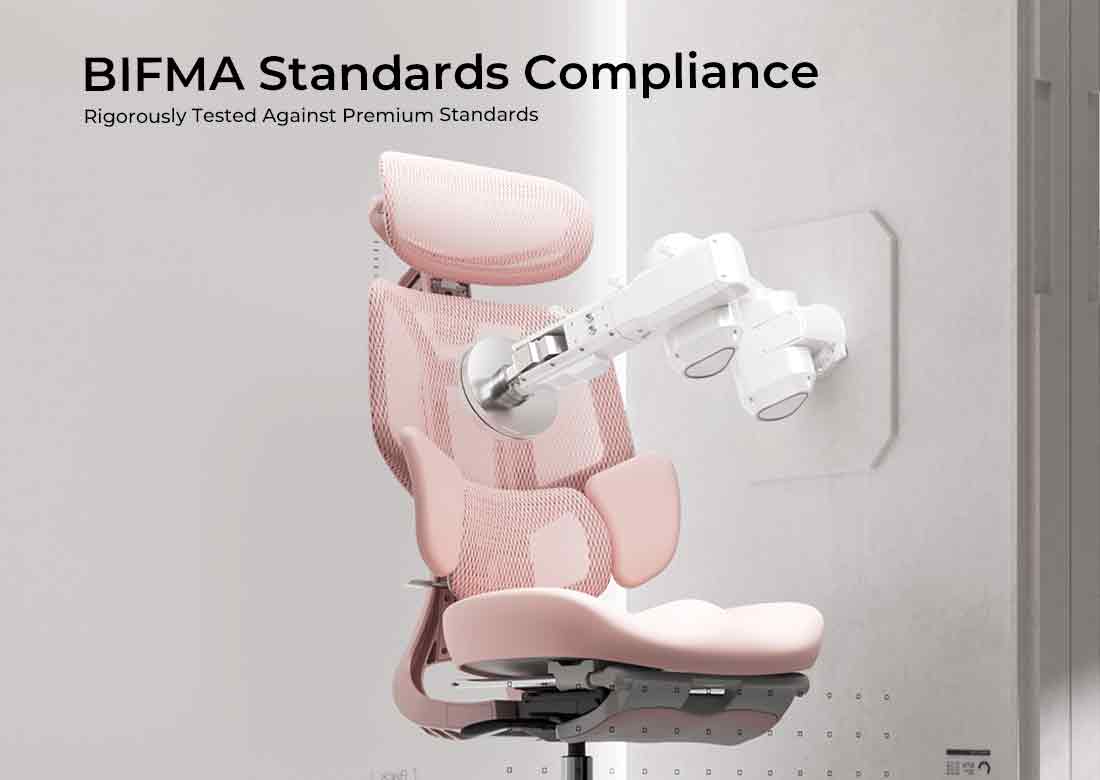
ANSI/BIFMA X5.1 is a separate American standard for general-purpose office chairs. BIFMA describes it as covering test procedures and minimum performance levels relating to safety, durability and structural adequacy. It can be a useful additional test signal, but it should not be described as the European office-chair standard.
Sources:
How to Reduce the Risk of Gas-Lift Failure

Safe chair use depends on suitable product design, correct assembly, regular inspection and sensible operation.
- Buy from a supplier that publishes product specifications, warranty information and contact details.
- Look for relevant chair testing or certification claims that can be supported by documentation.
- Check the maximum stated load and recommended user range.
- Follow the supplied assembly instructions exactly.
- Inspect the base, castors, mechanism and visible cylinder area periodically.
- Keep the chair away from fire, excessive heat and persistently damp storage conditions.
- Do not stand on the seat or use the chair as a step ladder.
- Do not continue using a chair with a cracked base or unstable connection.
- Use only a compatible replacement cylinder.
A safety standard or test result does not mean that a chair can never fail. It indicates that the tested product was evaluated against defined requirements under specified conditions. Proper use and maintenance remain important.
HBADA EU Chair Comparison
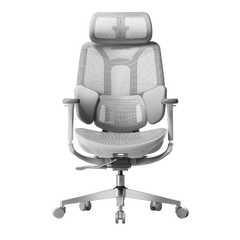
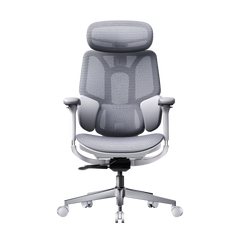
HBADA EU currently publishes BIFMA certification information for selected products and lists SGS-certified Class 4 gas lifts on relevant models. Customers should confirm the specific configuration and supporting documentation on the current product page before purchasing.
| Model | Published structural information | Support and adjustment | Maximum stated load | Best considered by |
|---|---|---|---|---|
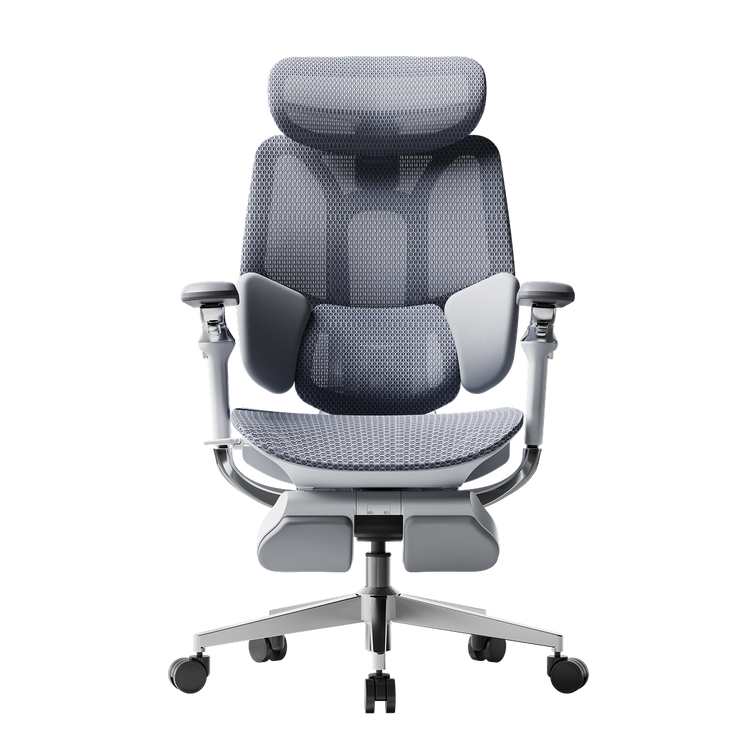
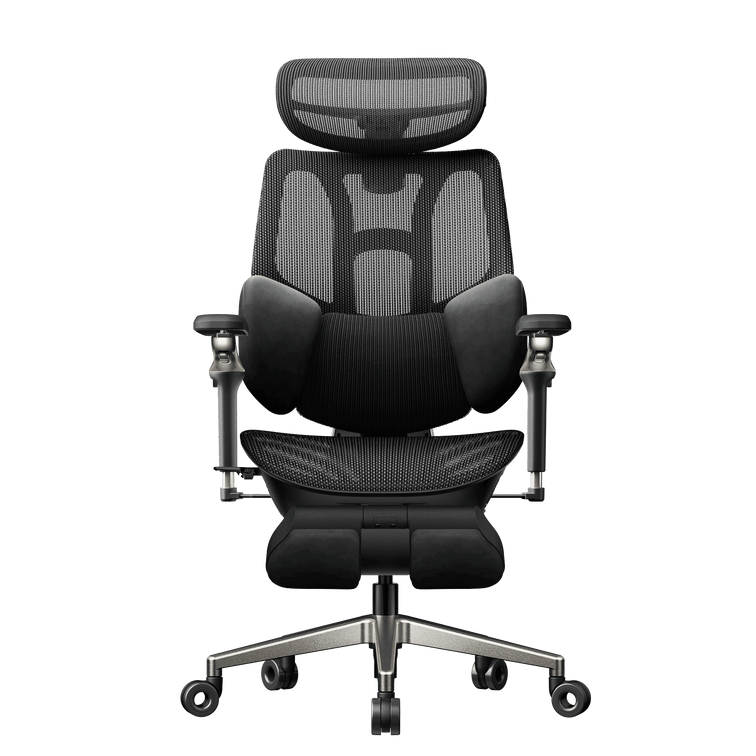
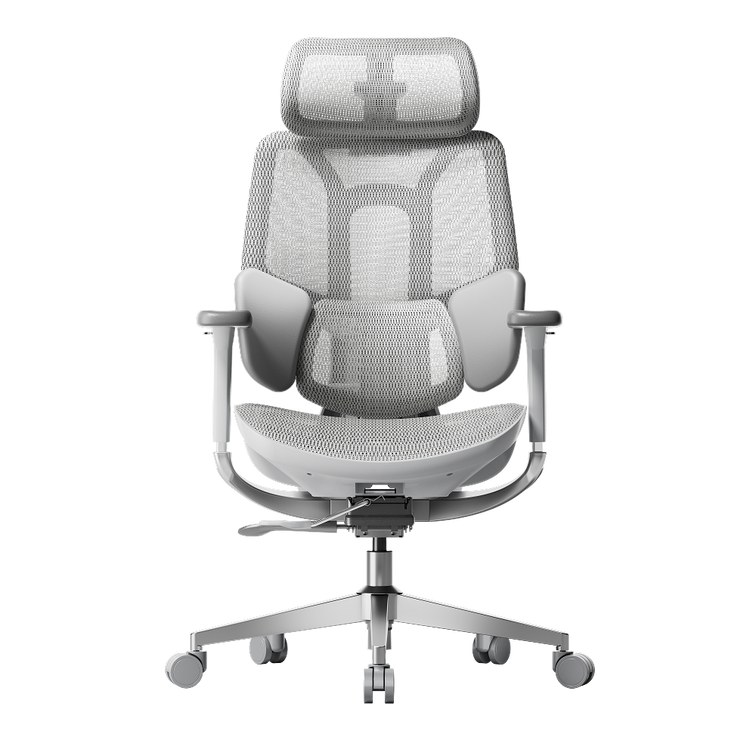
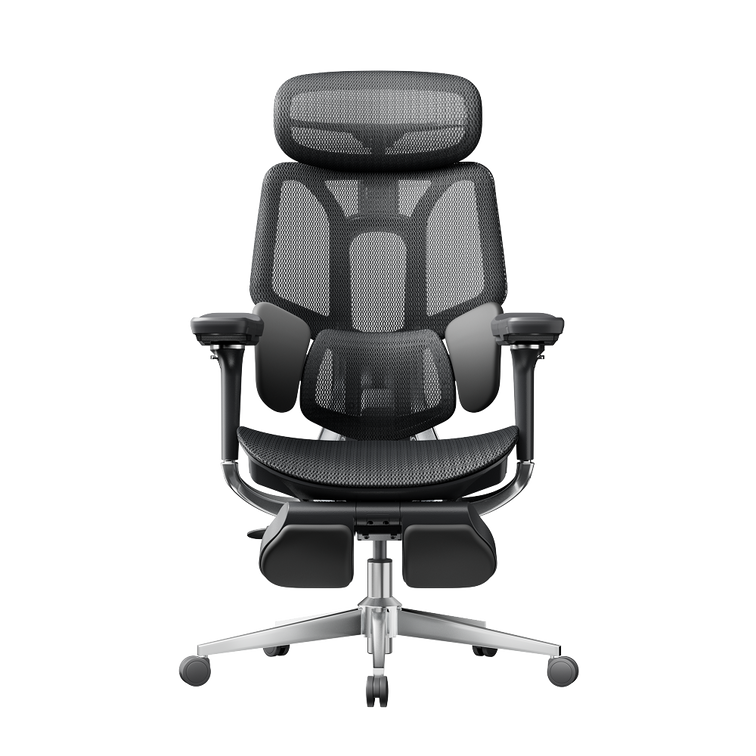
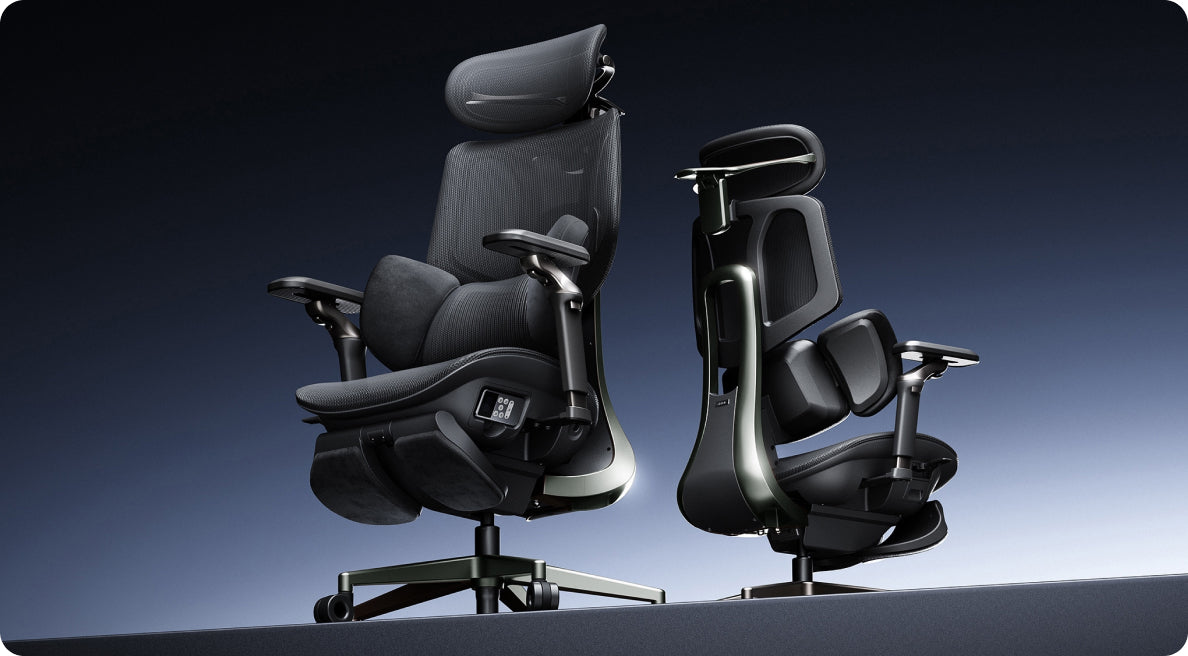
| HBADA X7 Smart | Reinforced aluminium-alloy backrest frame on X7; stainless-steel five-star base; BIFMA listed on the current EU page | AI lumbar tracking, 5cm seat-depth adjustment, dual-axis headrest and highly adjustable armrests | 150kg | Users who want powered lumbar tracking and advanced electronic comfort features |
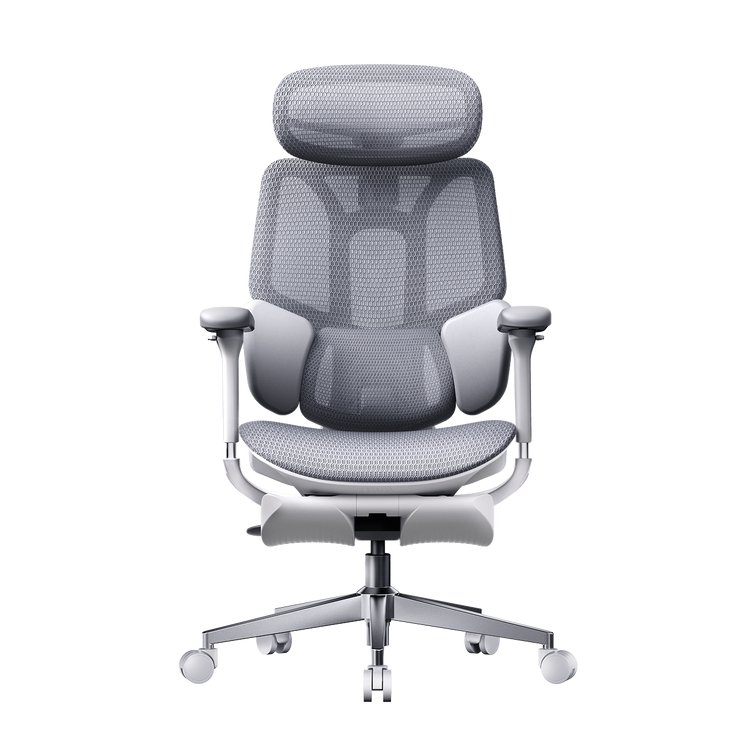
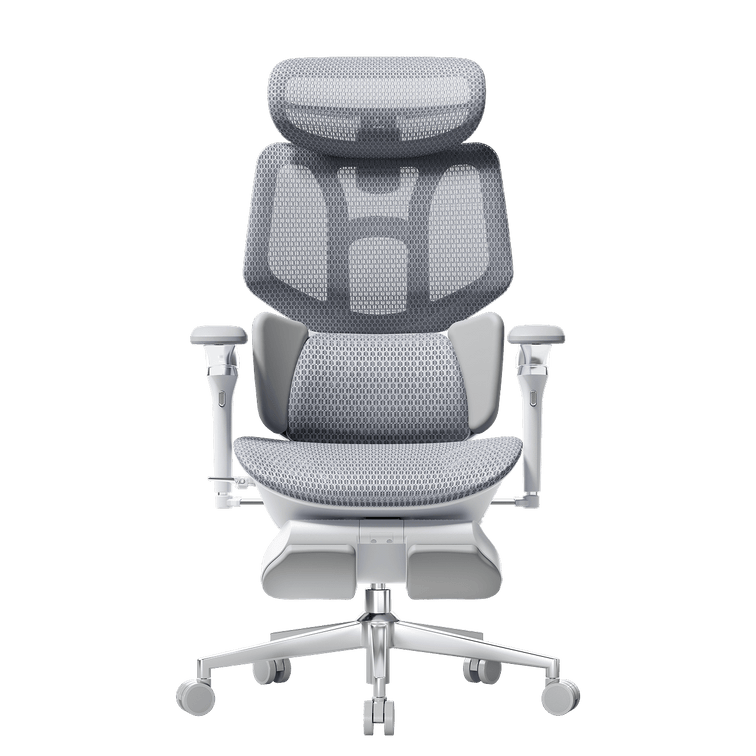
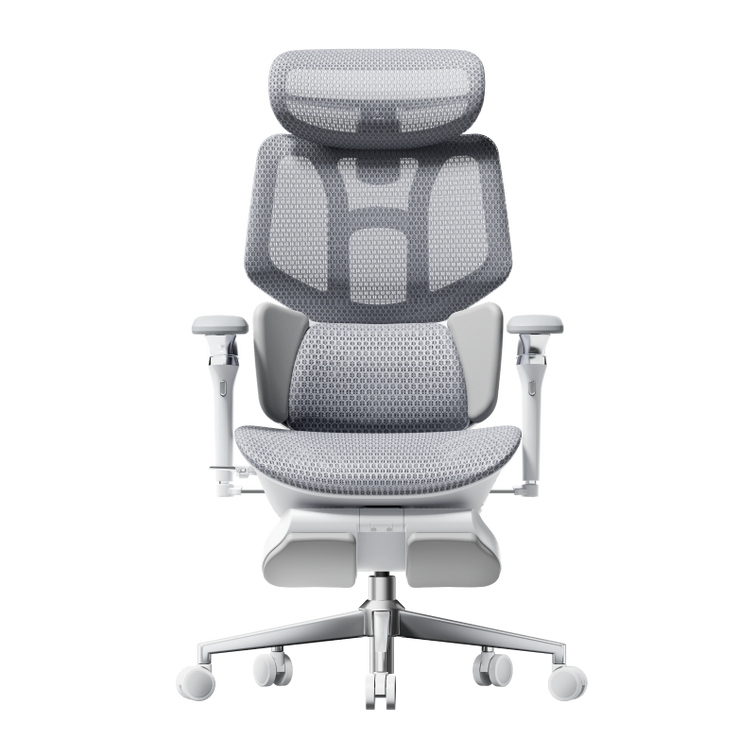
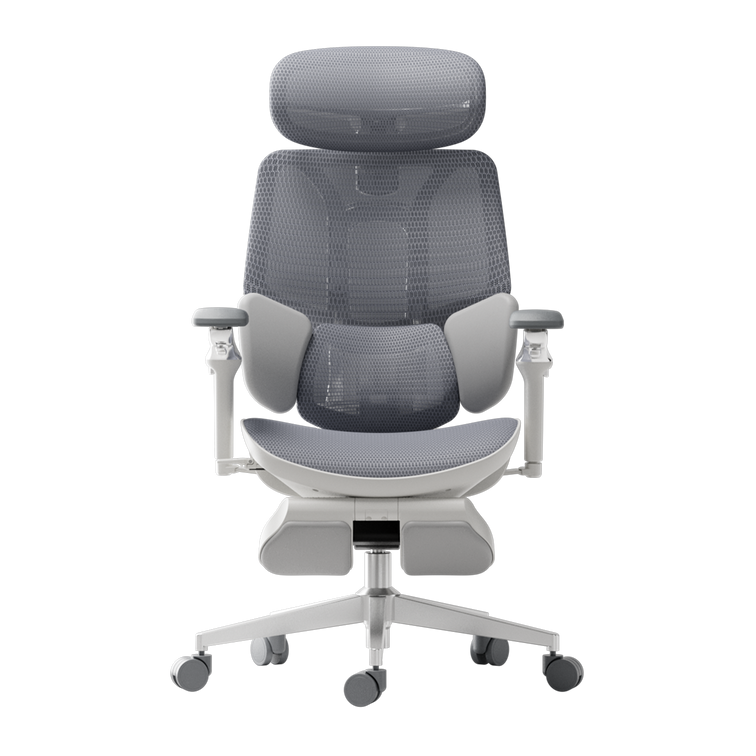
| HBADA E3 Pro 2026 Edition | Steel five-star base and SGS-certified Class 4 gas lift listed on the current EU page | Three-zone adaptive lumbar support, 5cm seat-depth adjustment, adjustable backrest, headrest and armrests | 150kg | Users who prefer extensive mechanical adjustment without battery maintenance |
| HBADA E3 Air 2026 Edition | Check the selected EU configuration for current base, gas-lift and certification information | Multi-zone lumbar support and a lighter overall configuration than the flagship models | Confirm on the current product page | Users who prioritise a lighter, more accessible ergonomic setup |
Product specifications, certifications, prices and availability can change. Always verify the relevant EU product page and user manual.
View the HBADA X7 Smart on the EU store, explore the HBADA E3 2026 collection, or compare all current models in the HBADA EU ergonomic chair collection.
Illustrative Safety Scenarios
These are general examples, not customer testimonials, accident reports or verified medical outcomes.
Scenario 1: A Chair That Begins to Sink
A user notices that an older office chair slowly loses height during the working day. The chair has also started to wobble around the centre column.
The correct response is to stop treating the problem as a minor inconvenience. The user should check the chair model, contact the manufacturer or an appropriate repair provider and replace the worn component with a verified compatible part. If the base or mechanism is also damaged, replacing the complete chair may be safer.
Scenario 2: A Corroded Second-Hand Cylinder
A second-hand chair has visible corrosion on the cylinder and no available service history. The replacement components and original load rating cannot be confirmed.
The safest approach is to remove the chair from use and request professional assessment. The cylinder should not be sanded, drilled or struck in an attempt to restore its appearance.
Scenario 3: A Chair Used Above Its Stated Load
A chair is regularly used above the maximum load shown by its manufacturer. Even if the gas lift still adjusts normally, the base, mechanism, castors and cylinder connections may be exposed to loads for which the chair was not designed.
The user should select a chair whose published capacity and dimensions are appropriate for their body. Load capacity should be treated as a limit, not as a target to exceed occasionally.
Which HBADA Chair Should You Choose?

Choose according to verified dimensions, adjustment needs and preferred operating system:
- Consider the HBADA X7 Smart if you want AI lumbar tracking, a reinforced flagship frame and optional powered massage, heating and ventilation.
- Consider the HBADA E3 Pro 2026 Edition if you want extensive mechanical adjustment, three-zone lumbar support and an SGS-certified Class 4 gas lift.
- Consider the HBADA E3 Air 2026 Edition if you prefer a lighter ergonomic model and do not need every flagship feature.
Before purchasing, compare the chair’s seat-height range, seat depth, recommended user height, maximum load and overall dimensions with your body and workspace.
The practical takeaway is simple: severe gas-lift failures appear to be very uncommon, but visible damage, sudden sinking and instability should never be ignored. Use the chair within its stated limits and do not modify a pressurised cylinder.
Frequently Asked Questions
Can an office chair actually explode?
A damaged or defective pressurised gas cylinder can theoretically rupture or separate suddenly. This is a mechanical pressure failure rather than combustion. Reliable public data does not provide a precise global incident rate, but serious events appear to be very uncommon.
How common are office-chair gas-lift explosions?
There is no reliable global database that allows a precise rate to be calculated. It is therefore better to describe serious ruptures as apparently very uncommon rather than claim that only a specific number has occurred.
Why does my office chair keep sinking?
A chair that gradually sinks commonly has a worn or leaking gas-lift seal. This does not necessarily mean the cylinder is about to rupture, but the chair is no longer functioning correctly and the component should be replaced with a verified compatible part.
Is a hissing office chair dangerous?
A persistent hissing sound may indicate escaping gas or another mechanical problem. Stop using the chair and contact the manufacturer or a qualified repair provider. Do not attempt to open the cylinder.
Are gas-lift office chairs safe?
Gas-lift technology is widely used in office seating. A properly manufactured, correctly assembled chair used within its stated limits is designed for normal office use. No product is risk-free, so damaged, corroded or unstable chairs should be removed from service.
What is EN 1335?
EN 1335 is a European standards series for office work chairs. It covers dimensions, safety requirements and mechanical test methods relating to stability, strength and durability.
Does EN 1335 mean a chair can never fail?
No. Standards define test methods and minimum requirements under specified conditions. They do not guarantee that a product can never be damaged, misused, incorrectly repaired or affected by wear.
Can I replace an office-chair gas cylinder myself?
A complete sealed gas lift can sometimes be replaced, but only with a compatible component and appropriate instructions. The cylinder itself must never be opened, drilled, cut or repaired internally. If you are unsure, use an authorised or qualified repair provider.
How should I dispose of an old gas cylinder in Europe?
Keep it intact and contact your local municipal recycling centre or waste authority. Rules for pressurised cylinders differ by country and municipality. Do not puncture the cylinder to prepare it for recycling.
Final Thoughts
A gas-lift office chair contains a pressurised component, but that does not make normal office seating inherently unsafe. The most important precautions are choosing a well-documented chair, staying within its stated load, following the assembly instructions and responding promptly to visible damage or unstable behaviour.
Never attempt to open or modify a pressurised cylinder. If your chair sinks, hisses, wobbles or shows corrosion, stop using it and contact an appropriate repair provider or the manufacturer.
Explore the current HBADA EU ergonomic office chair range and verify the published specifications for the exact model and configuration before purchasing.