
Are You at Risk of a Herniated Disc? How Your Chair Could Be the Cause

Are You at Risk of a Herniated Disc? How Your Chair Could Be the Cause

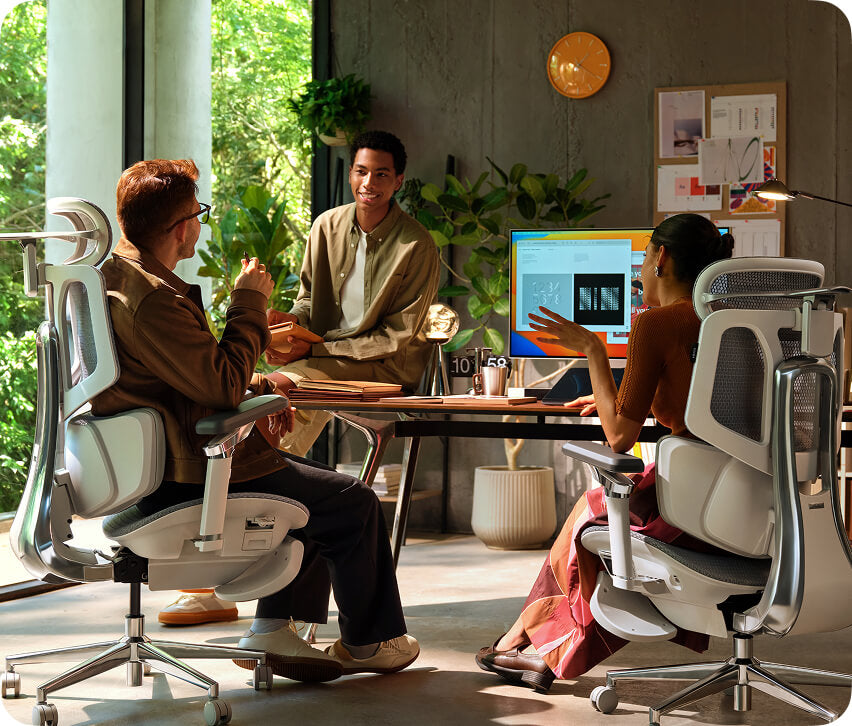
Sitting all day at work shouldn’t be risky, but for many people, it is. If you feel sharp pains or a dull ache in your lower back, your chair could be to blame. Learning how your workstation affects your spine is the first step to feeling better. Here’s how your chair can impact your discs and what you can do about it.


The Hidden Connection Between Sitting and Spinal Health

People often ask if office chairs can cause herniated discs. The answer is yes. While a chair doesn’t cause the injury right away, a poorly designed chair can set the stage for spinal problems. Sitting in a chair without good support flattens your spine’s natural S-shape into a C-shape, putting uneven pressure on your discs.

Understanding Spinal Compression from Sitting

When you sit still for hours, your spine gets compressed. This pressure pushes fluid out of your spinal discs, making them dry and more likely to tear. Over time, this ongoing stress can cause the soft center of a disc to bulge or leak, pressing on sensitive nerves and causing a herniation.

The Dangers of Bad Posture and Herniated Discs

Orthopedic specialists have shown that poor posture is closely linked to herniated discs. Slouching or sitting on the edge of your seat puts up to 150% more pressure on your lower back than standing. If you already feel a twinge, sitting without good support can turn a small problem into a serious one.


Identifying the Signs: Is Your Chair Causing Lower Back Pain?

If you find yourself constantly shifting, stretching, or standing up to escape discomfort, you are likely using a chair that causes lower back pain. This discomfort is your body’s early warning system.

From Aches to Sciatica

If you ignore back fatigue, it can turn into nerve problems like radiculopathy. Many people look for office chairs that relieve sciatica because their current chair puts pressure on the sciatic nerve. This can cause numbness, tingling, or a sharp, shooting feeling down your leg. Without proper lumbar support, your lower back takes all the weight, which can lead to these symptoms.


The Solution: Engineering Support for a Healthy Spine

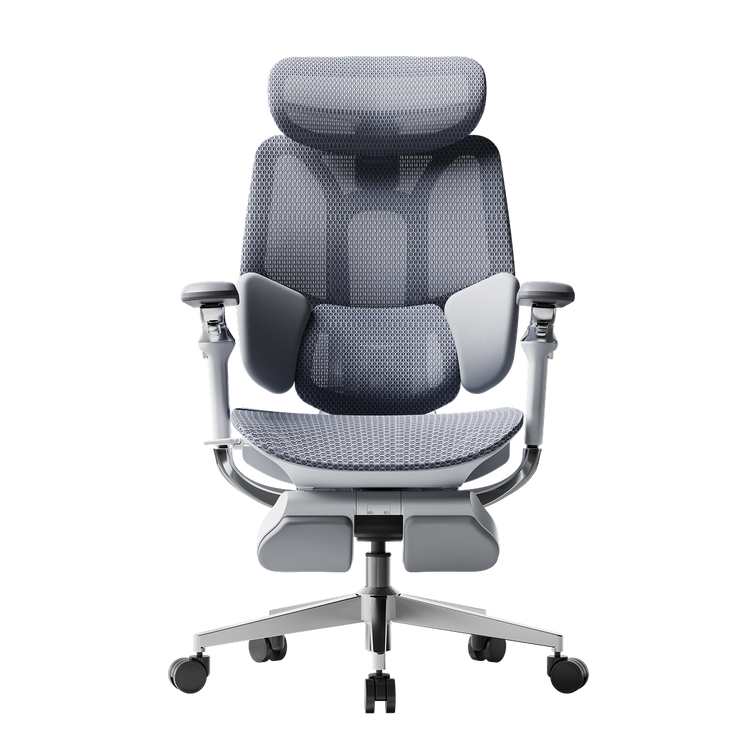
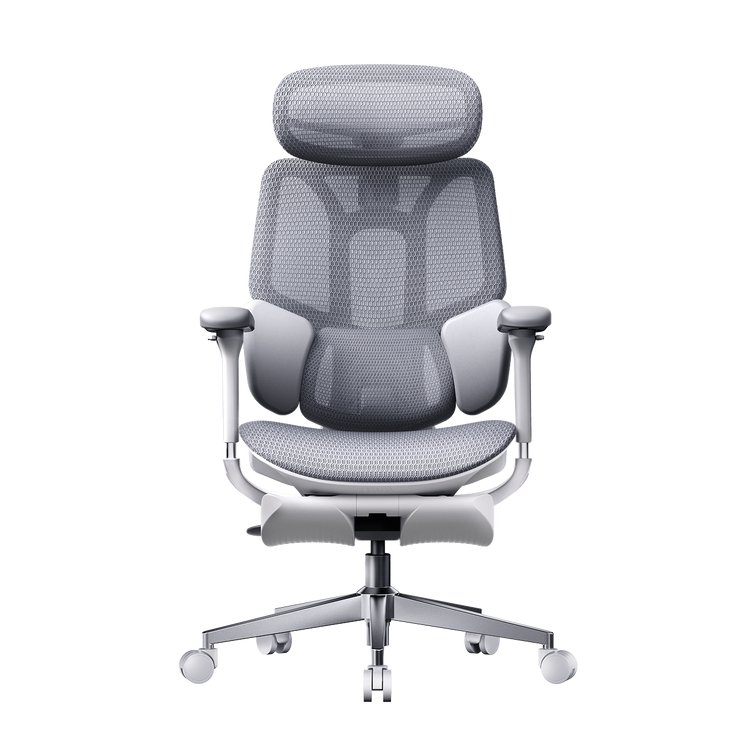
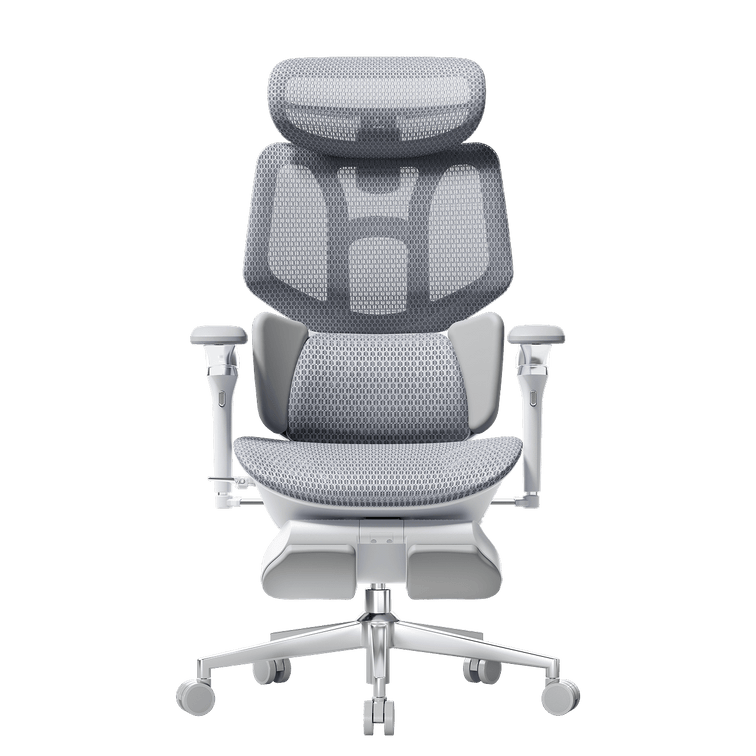
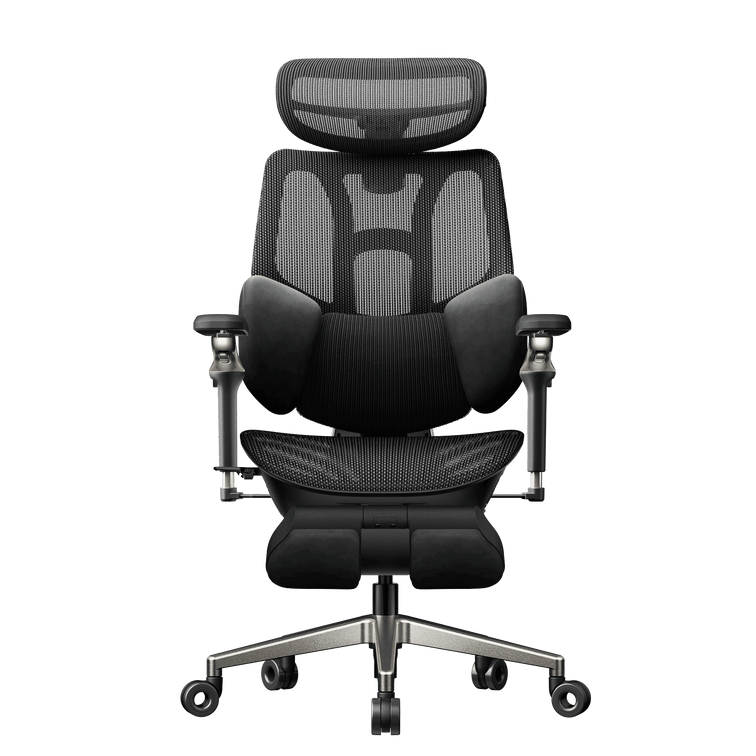
To protect your back, you need more than a simple cushion. At Hbada, we focus on Bio-Synchronization, which means designing chairs that move with your body.

The Power of an Adaptive Lumbar Tracking Ergonomic Chair

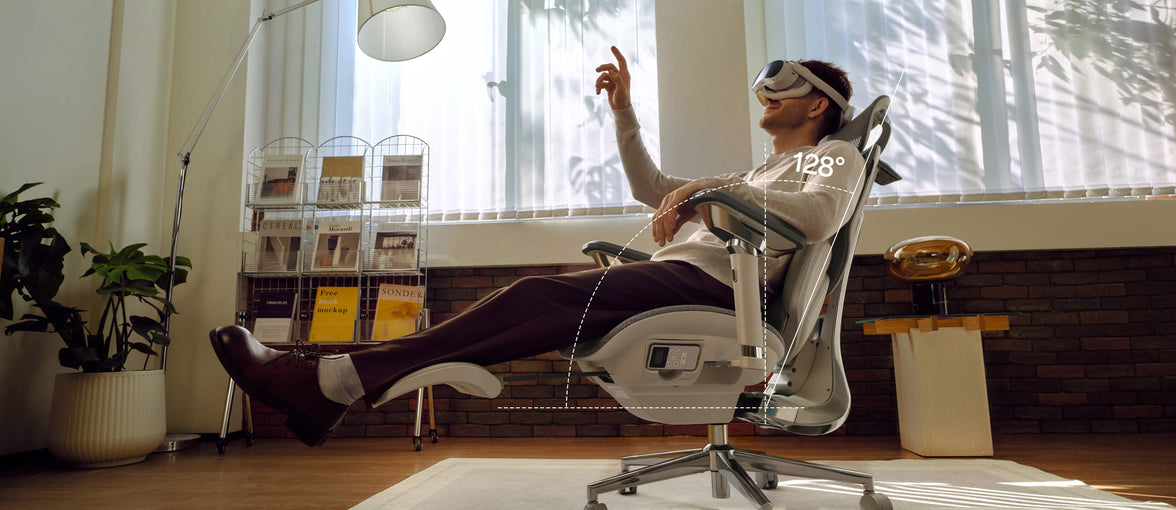
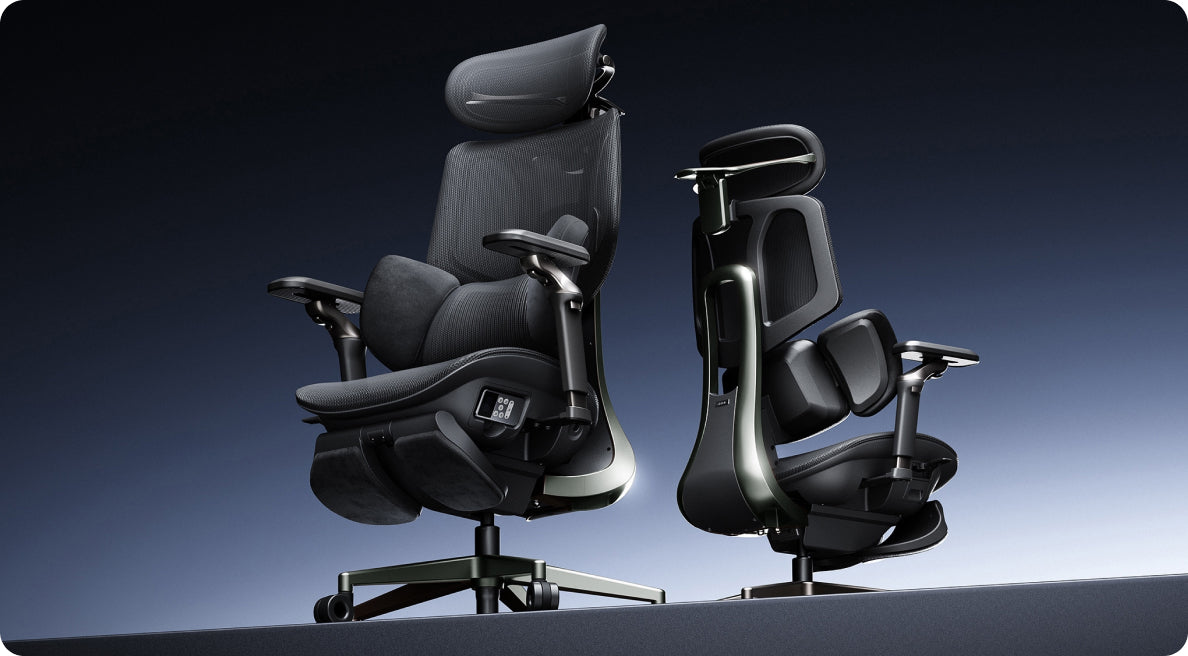
A regular chair only supports you if you sit completely still, but work involves movement. An adaptive lumbar tracking ergonomic chair has a backrest that moves with your spine. Whether you lean forward or recline, the support stays in place, helping keep your lower back supported and closing the gap that can cause injuries.

Benefits of a 3-Zone Dynamic Lumbar Support Chair

If you already have back pain, a dynamic lumbar support chair can make a big difference. A 3-zone lumbar support chair gives targeted relief: the middle zone supports your spine, and the side zones support your waist muscles. This spreads your weight out, reducing pressure on any one disc and helping your back stay healthy over time.


Mastering Your Workday: How to Sit with a Herniated Disc

If you already have a back injury, it’s important to set up your workspace carefully. Knowing how to sit at your desk with a herniated disc can help you avoid more pain and recover faster.

What is the Best Sitting Position for a Herniated Disc?

When people ask, “What is the best sitting position for a herniated disc?” we suggest the Neutral Reach position. Line up your ears, shoulders, and hips vertically. Keep your feet flat on the floor and your knees just below your hips. This helps open your pelvis and lowers pressure on your spinal discs.

Does Lumbar Support Help a Herniated Disc?

You might wonder, “Does lumbar support help a herniated disc?” The answer is yes. Good support works like a brace for your spine. It maintains the natural curve of your lower back, spreading your weight evenly across the disc rather than putting pressure on the edges where herniations often occur.


Choosing the Right Hbada Chair for Spinal Protection

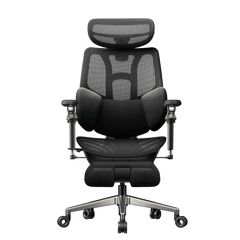
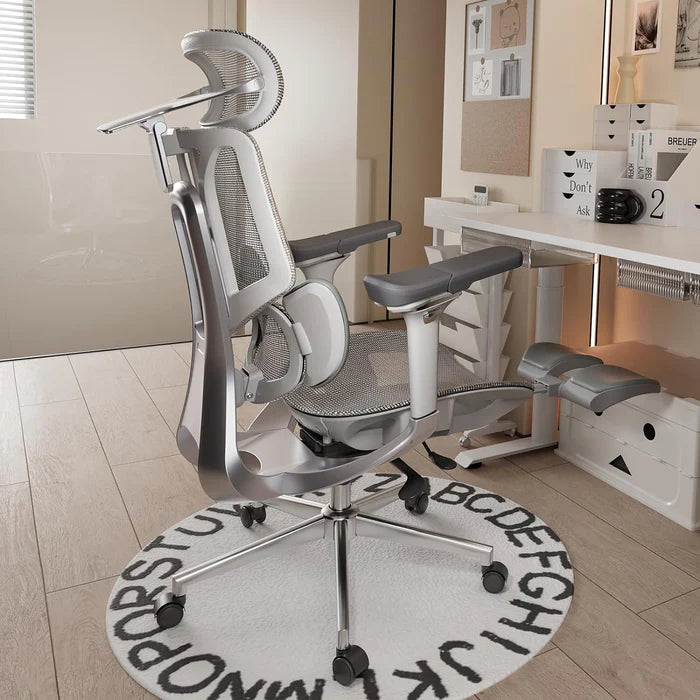
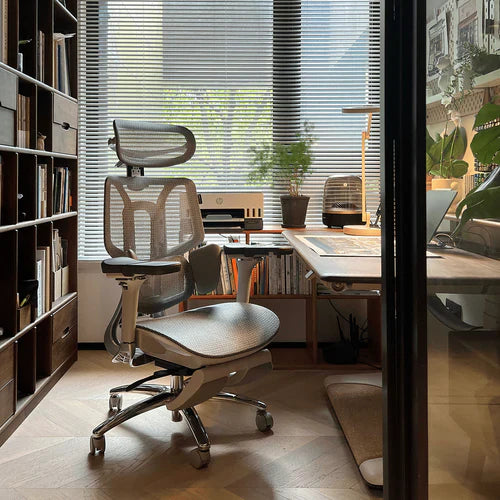
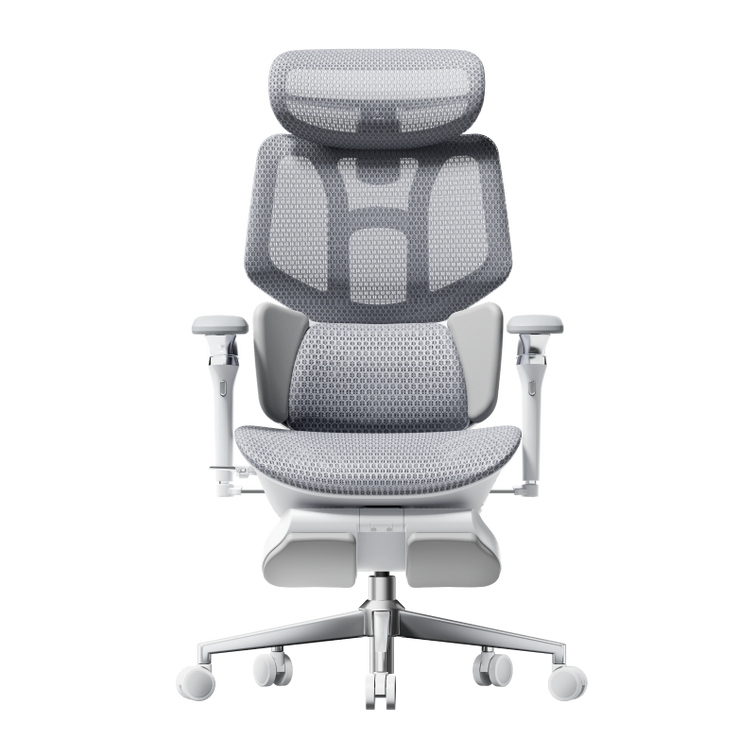
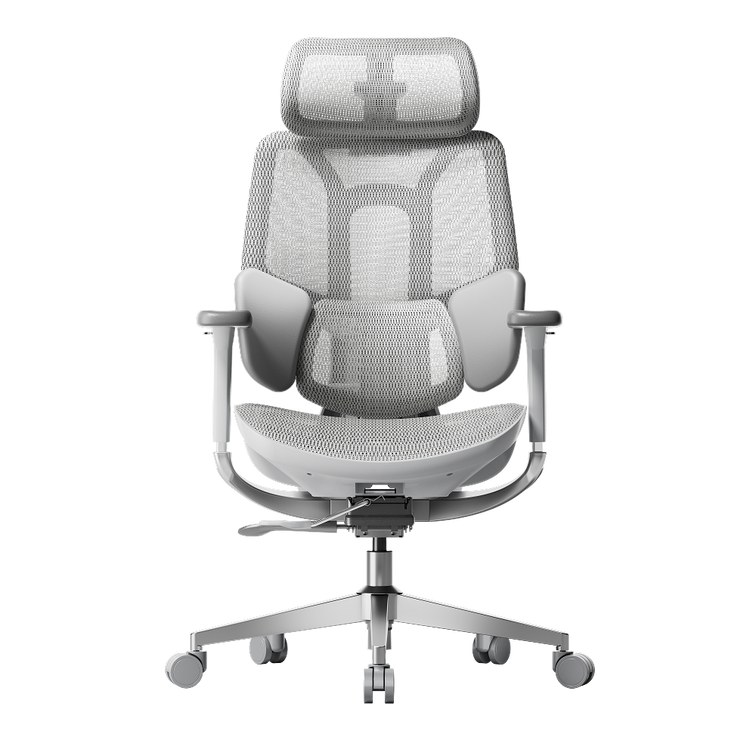
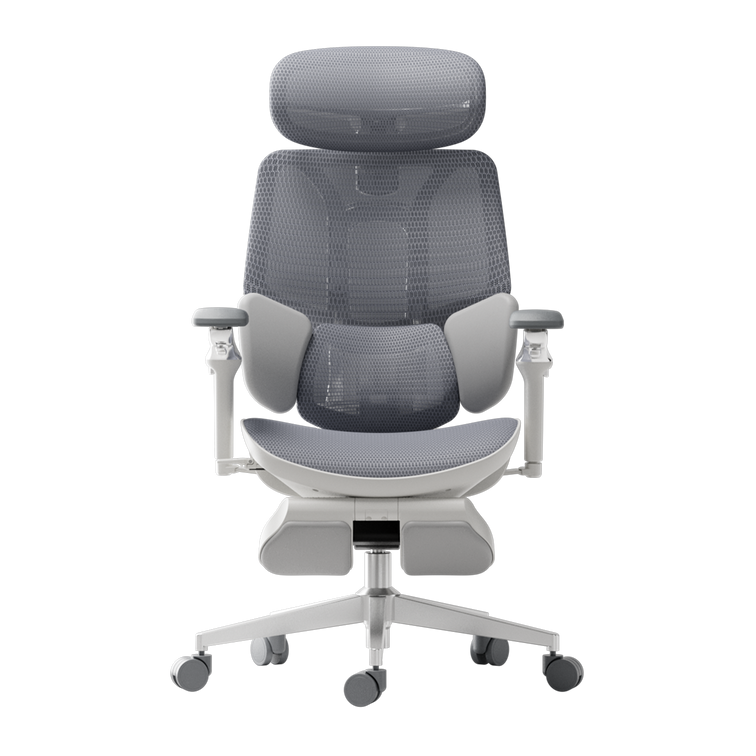
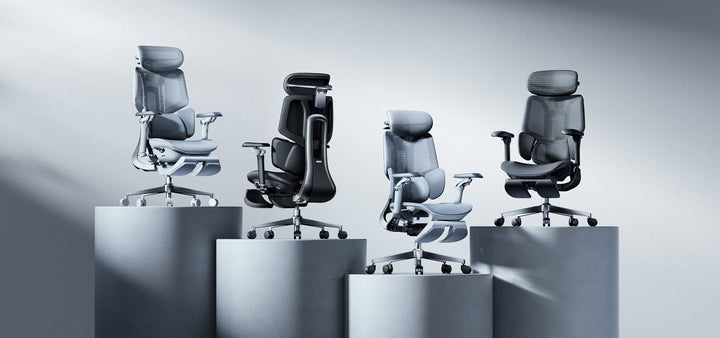
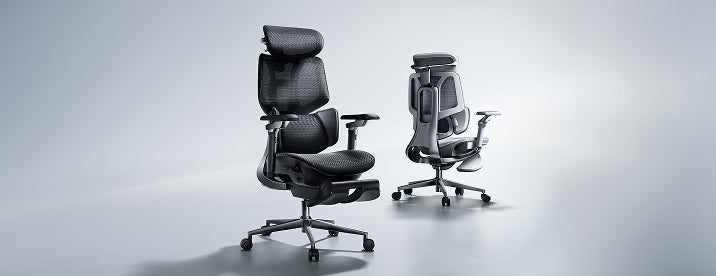
We have developed a range of chairs designed specifically for proper sitting posture for office workers with back pain. Use the table below to find the best fit for your specific needs.

Feature

Hbada E3

Hbada E3 Pro

Hbada AI-Powered

Primary Focus

Daily Comfort

Advanced Pain Relief

Maximum Posture Correction

Lumbar Tech

Dynamic Support

3-Zone Support

AI Bio-Synchronized

Ideal For

General Office Work

Existing Back Pain

Office chair sciatica relief

Adjustment

4D Armrests

5D Armrests + Leg Rest

Fully Automated Tracking

When you use an ergonomic chair to improve your posture, you go from just managing pain to actively preventing injuries. Our AI-powered chairs can even remind you to move if you’ve been sitting too long, helping keep your discs healthy.


Frequently Asked Questions (FAQ)

Q: Can a good chair really fix a herniated disc?
A: A chair won’t cure a herniated disc, but it’s an important part of recovery. An ergonomic chair lowers the stress on your discs each day, which helps inflammation go down. Without good support, you might keep hurting your disc every time you sit at your desk.

Q: How do I know if my lumbar support is in the right place?
A: The lumbar support should fit comfortably in the small of your back, just above your belt. It should feel like a firm hand supporting your spine, helping you sit upright without straining your muscles. If it pushes against your ribs, it’s set too high.

Q: Why does my back hurt more in a “comfy” plush chair?
A: Soft, plush chairs usually don’t give enough support. They let your pelvis tilt backward, causing your spine to slouch. This slumping puts more pressure on your discs than a firm, supportive ergonomic chair, which keeps your body in the right position.

Q: How often should I adjust my chair settings?
A: Adjust your chair whenever you switch tasks. For example, if you go from typing to a long video call, you should also change your recline and lumbar support. Our adaptive lumbar tracking chair makes this easy by adjusting automatically for you.


Conclusion

A herniated disc is a serious condition, but it is often preventable with good habits and the right equipment. Your chair is a key part of your work life, so make sure it supports you. Choosing a chair with active, 3-zone support and bio-synchronized movement helps protect your spine for the long term. Don’t wait for the pain to get worse. Invest in your health now.

For more information, please click here:

https://www.hbada.eu/products/e3-pro-ergonomic-office-chair

https://www.hbada.eu/products/hbada-x7-smart-ergonomic-chair
Relevant Product

You May Also Like

​​HBADA E3 Cadeira de Escritório Ergonómica: Design Profissional Aliado à Tecnologia de Ponta​ ​​HBADA E3 Cadeira de Escritório Ergonómica: Design Profissional Aliado à Tecnologia de Ponta​ A Cadeira de Escritório Ergonómica HBADA E3 foi concebida para melhorar o conforto e o suporte com funcionalidades ergonómicas avançadas. A HBADA, uma marca com 16 anos de foco em inovação ergonómica, apresenta a cadeira E3 com um Sistema de Suporte em Forma de T que se adapta a várias posturas, reduzindo a tensão nas costas, pescoço e ombros. O seu Suporte Lombar Elástico em Três Zonas oferece apoio direcionado para aliviar a dor lombar, enquanto a Almofada Cefálica Ajustável 4D garante o alinhamento da cabeça e pescoço através de ajustes personalizáveis de altura, profundidade e rotação. Os Apoios de Braços 6D Versáteis ajustam-se em seis direções, proporcionando suporte para os braços durante o trabalho, jogos ou relaxamento. A cadeira promove uma postura sentada saudável, tornando-a ideal para uso prolongado em diferentes ambientes. Disponível para compra no website da HBADA.​ Co-criação em pesquisa médica: A tecnologia por trás da Cadeira Ergonómica Hbada Co-criação em pesquisa médica: A tecnologia por trás da Cadeira Ergonómica Hbada Com o rápido desenvolvimento da produtividade social, um número crescente de trabalhadores mantém diariamente uma posição sentada prolongada. Os 'sedentários' tornaram-se uma parte indissociável da sociedade moderna. Paralelamente ao progresso dos benefícios sociais, os problemas de saúde associados ao sedentarismo têm vindo a merecer cada vez mais atenção. É urgente prestar atenção à saúde postural ​​"A região lombar é a zona do corpo humano que sofre maior stress na posição sentada. Muitas pessoas padecem de distensões musculares lombares leves, sendo que até indivíduos jovens e cheios de energia frequentemente desconhecem que já desenvolveram estas pequenas lesões ou mesmo outras patologias relacionadas com a coluna vertebral.​​ A Hbada investiga profundamente os problemas dos sedentários, comprometendo-se com um esforço contínuo pela saúde humana. A colaboração e comunicação com cirurgiões ortopédicos constitui um pilar fundamental da investigação e desenvolvimento da empresa."​ Médicos em Primeiro Lugar: Análise Profunda dos Problemas dos Sedentários A Hbada reconhece que os cirurgiões ortopédicos identificam com precisão os problemas dos utilizadores de cadeiras ergonómicas. Através desta colaboração, a marca aprofunda o conhecimento biomecânico e compreende de forma mais clara e objetiva as necessidades dos utilizadores - um investimento a que a Hbada dedica tempo e recursos significativos.​​ O modelo E3 é o resultado deste compromisso: uma cadeira ergonómica desenvolvida após três anos de investigação técnica, incorporando soluções validadas por especialistas. Suporte Lombar em Três Zonas: A Inovação em Cadeiras Ergonómicas A série E3 sempre se diferenciou de outras cadeiras ergonómicas pelo seu suporte lombar adaptativo em três zonas, sendo que este suporte lombar adaptativo em três zonas apresenta um design de separação em três zonas fabricado em couro e malha de alta elasticidade. Em comparação com cadeiras tradicionais, a E3 implementou inovações e melhorias tecnológicas que levaram a uma reforma no setor, o que se reflete no facto de partir de dois aspetos fundamentais - a "dor lombar" dos trabalhadores de escritório e a saúde da coluna vertebral - para desenvolver um suporte lombar central e laterais esquerdo e direito. A zona da cintura é apoiada de forma eficaz no centro e nos lados esquerdo e direito, os músculos lombares recebem suporte adequado e o apoio ajusta-se dinamicamente conforme os movimentos da cintura. O design de inovação técnica da zona de suporte concretiza o modo ideal de "suporte lombar em três zonas". Atualização Tecnológica: A E3 Conquista Mais Um Marco Revolucionário ​​"Um bom design de produto consiste em satisfazer as necessidades das pessoas de forma tão intuitiva que passa despercebido — como um fato feito sob medida. Na Hbada, aspiramos precisamente a isso: antecipar comportamentos inconscientes e resolver problemas que os utilizadores nem sempre identificam. Conservamos o que há de mais valioso no produto e apresentamo-lo com um estilo clean e natural, que os consumidores apreciam", explicou o responsável de mercado da Hbada.​​ "Em agosto, lançaremos uma versão melhorada do nosso produto, que responde às questões identificadas na geração anterior da E3. Esta nova versão integra uma atualização técnica relevante: o chassi de inclinação sincronizada. A E3 equipada com este sistema suporta agora uma gama mais ampla de pesos e ajusta-se automaticamente a diferentes biótipos, controlando a força necessária para reclinar. Desta forma, cada pessoa encontra o ângulo ideal para a sua saúde postural, adaptando-se melhor às necessidades de diversos grupos de utilizadores", acrescentou.​​ Num mundo em constante evolução tecnológica, a Hbada pretende oferecer uma experiência mais confortável e saudável. A marca acredita que os produtos devem nascer para resolver problemas reais dos utilizadores, e não apenas para cumprir uma lista de funcionalidades.​   Best Ergonomic Chairs for Small Apartments in 2026 Best Ergonomic Chairs for Small Apartments in 2026 Introduction Limited space doesn’t mean compromising posture. Compact ergonomic chairs offer complete support without crowding your room. In 2026, leading chairs feature smart design, space-saving profiles, and strong posture support, so you can work efficiently and protect your spine.   What Makes a Chair Ideal for Small Apartments Compact Footprint Without Compromising Ergonomics Choose a chair that balances small size and comfort. Look for these features: · Slim backrests and space-saving bases · Foldable or flip-up armrests · Lightweight frames for easy repositioning Your chair should fit under your desk and support good posture, even for long hours. Multi-Functional Adjustability In a small space, versatility is key. Pick a chair that adjusts as you move between tasks. · Sitting position in front of the computer · Relaxed reclining for reading · Upright posture for focused work These chairs adjust for any activity, reducing the need for extra furniture.   Ergonomic Posture Meaning and Why It Matters Ergonomic posture means keeping your spine aligned while sitting. This reduces strain on muscles, joints, and spinal discs. Poor posture leads to: · Lower back compression · Shoulder tension · Neck fatigue Modern ergonomic chairs guide your body into proper posture for students and professionals. HBADA chairs are engineered to adapt to your body instead of forcing a fixed position, improving long-term spinal health.   Key Features to Look for in the Best Ergonomic Chair Intelligent Lumbar Support Your lumbar region bears the most pressure when you sit. That's why top chairs now offer: · Automatic waist tracking · Bio-synchronized support systems · 3-zone lumbar structures HBADA's latest models use adaptive lumbar systems that adjust as you move, ensuring support. Ergonomic Armrests for Shoulder Relief Arm support affects shoulder and back comfort. Seek chairs with height-adjustable armrests. · Forward/backwards sliding. · Rotation and tilt functions. Set your chair’s armrests so your elbows are at 90 degrees. This small change can ease shoulder tension and make typing easier. Breathable and Space-Efficient Materials Mesh-backed chairs are very popular in 2026, and there are good reasons for that: · High airflow for long sitting sessions · Reduced bulk compared to foam chairs · Even pressure distribution Advanced mesh materials let air flow much better than traditional chair fabrics. Smart Adjustment Technology AI-powered chairs are redefining ergonomics: · Real-time posture tracking · Automatic lumbar positioning · Minimal manual adjustments Some models have built-in sensors that monitor how you sit and adjust the support to keep you in good alignment without any extra effort.     Best HBADA Ergonomic Chairs for Small Apartments (2026) Product Comparison Table HBADA E3 Pro 2026 Long work hours 3-zone lumbar, 6D armrests, headrest Medium footprint Adaptive support HBADA E3 Air 2026 Compact spaces Lightweight mesh, slim design High Manual + adaptive HBADA X7 AI Chair Premium users AI lumbar tracking, massage, sensors Medium Fully automated HBADA P2 Ergonomic Chair Budget-friendly Basic lumbar support, foldable arms High Manual   How to Choose the Right Chair for Your Space. Measure Your Workspace First Before choosing a chair, take a few quick measurements: · Check desk height · Measure floor clearance · Ensure room for reclining. Your chair should let you move and lean back easily, without hitting walls or furniture. This matters even more in small rooms. Match Features to Usage Consider how you’ll use your chair most of the time, and let that help you decide: · Students: prioritize proper sitting posture for students and adjustable height · Remote workers: focus on lumbar support and armrests · Gamers: look for reclining and headrest support Prioritize Adjustability Over Size Alone A small chair without adjustable features can harm your posture. Always make sure your chair has: · Seat height adjustment · Lumbar positioning · Armrest flexibility   Correct Sitting Posture on Chair (Step-by-Step) Ideal Sitting Position in Front of the Computer Follow this structure: 1. Feet flat on the floor 2. Knees at hip level 3. Back fully supported 4. Screen at eye level 5. Elbows close to the body Maintaining this alignment helps your spine stay in its natural curve, which can significantly reduce tiredness and discomfort throughout the day.   Common Sitting Posture Types (and What to Avoid) · Slouching: increases spinal pressure · Leaning forward: strains neck and shoulders · Crossing legs: affects circulation A good ergonomic chair can help you avoid these habits by guiding your body into a healthier sitting position.   Why HBADA Chairs Stand Out in 2026 HBADA combines ergonomic research with advanced engineering: · Multi-dimensional precision adjustments for all body types · Certified ergonomic design supporting spinal alignment · Over 100 durability and safety tests per chair The newest models stand out because they focus on adaptive sitting. Instead of locking you into one position, these chairs move with you and support your body as you shift throughout the day.   Common Mistakes to Avoid · Choosing style over ergonomics · Ignoring armrest adjustability · Buying oversized chairs for small rooms · Skipping lumbar support features · Not adjusting the chair after purchase. Even the best chair only works well if you adjust it to fit your body and maintain good posture throughout the day.   FAQ What is the best ergonomic chair for small apartments? The best ergonomic chair combines compact design with full adjustability. Look for slim profiles, foldable armrests, and strong lumbar support. Models with adaptive features provide better long-term comfort without requiring extra space. How do I maintain correct sitting posture on a chair daily? Keep your back aligned with the backrest, feet flat, and screen at eye level. Adjust armrests to support your elbows. A well-designed ergonomic chair helps maintain this posture naturally throughout the day. Are ergonomic chairs worth it for students? Yes. Proper sitting posture for students reduces fatigue and improves focus. Ergonomic chairs support spinal alignment during long study sessions, preventing discomfort and long-term posture issues. What features matter most in a compact ergonomic chair? Prioritize lumbar support, adjustable armrests, breathable materials, and space-saving design. Smart adjustment features are a bonus but not essential for effective ergonomic support.   Conclusion Picking the right ergonomic chair can really improve how you work and feel in a small apartment. I suggest looking for a chair that adapts to you, supports your posture, and fits your space, instead of just choosing the smallest one. Find a chair that fits your space and your body. When your chair supports your posture, you’ll notice comfort and productivity come more easily. For more information, please click here: https://www.hbada.eu/products/e3-pro-ergonomic-office-chair https://www.hbada.eu/products/e3-air-ergonomic-office-chair https://www.hbada.eu/products/hbada-x7-smart-ergonomic-chair