

Blogue

How to Disassemble an Office Chair Safely, Any Model, Step by Step

How to Disassemble an Office Chair Safely, Any Model, Step by Step
HBADA Europe Practical Guide

Moving your desk, replacing a worn part or freeing up storage space? This step-by-step guide explains how to separate the castors, base, gas lift, seat, backrest, armrests and headrest without damaging the chair.

Quick Answer Most office chairs can be taken apart with an Allen key, screwdriver, rubber mallet and suitable wrench. Work from the bottom upwards, label every bolt and treat the gas cylinder as a sealed pressurised component. Never cut, drill, heat, puncture or open the cylinder.

What You’ll Need: Tools for Office Chair Disassembly

Gather the appropriate tools before starting so the chair can be disassembled in a controlled order without stripped screws or damaged parts.

Tool What it is used for
Flat-head screwdriver Releasing removable clips or cover plates and gently helping loosen a stuck castor.
Allen key or hex-key set Removing compatible bolts from the seat, armrests, backrest and mechanism.
Rubber mallet Applying controlled taps around an approved metal joint without striking or denting the gas-cylinder body.
Adjustable or pipe wrench Gripping the outside of a removable gas cylinder near its joint. Protect the finish and use only reasonable force.
Suitable penetrating oil Helping release a seized external metal joint. Keep it away from upholstery, mesh, electronics and braking surfaces.
Work gloves and eye protection Protecting hands and eyes while handling heavy, greasy or tightly fitted components.
Labelled bags and a blanket Keeping bolts organised and protecting the chair and floor.
Model-specific manual Confirming the correct bolt locations, removable parts and assembly sequence for the exact chair model.

Before You Start: The Safety Rule That Matters Most

Never open a gas cylinder. An office-chair gas lift is a sealed pressurised component. Never cut, drill, puncture, crush, heat or hammer the cylinder body. If it is bent, corroded, leaking or visibly damaged, stop and contact the manufacturer, a qualified repairer or an authorised local recycling facility.

Only separate parts that the chair manual identifies as removable. Certain tilt mechanisms, powered components and moulded back panels may be factory-assembled. If a part does not move with reasonable effort, stop and check the manual instead of applying additional force.

Disconnect any power supply before working on a powered chair. If the chair contains a battery, follow the model-specific shutdown and battery instructions. Take a photograph at every stage so cable routing, washers, brackets and bolt positions can be restored correctly.

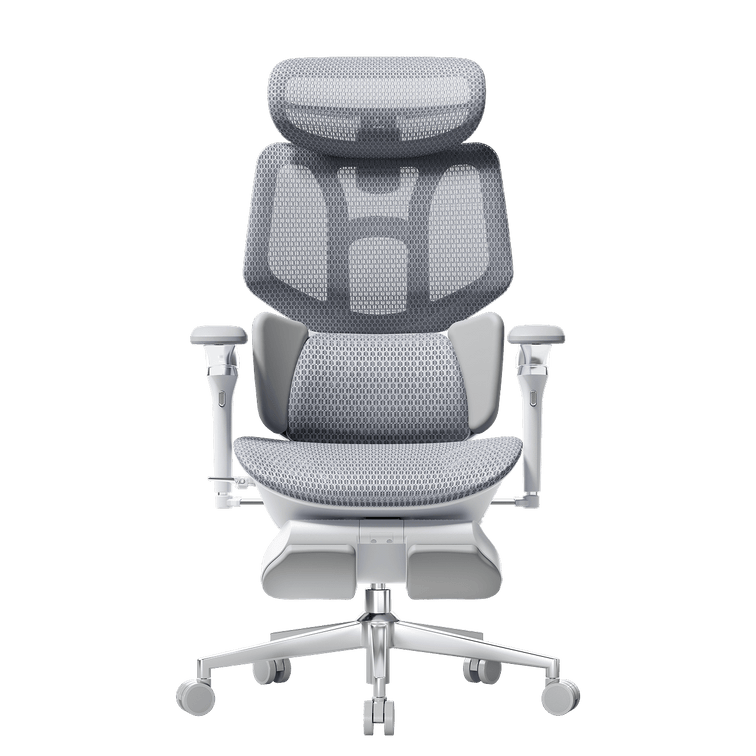
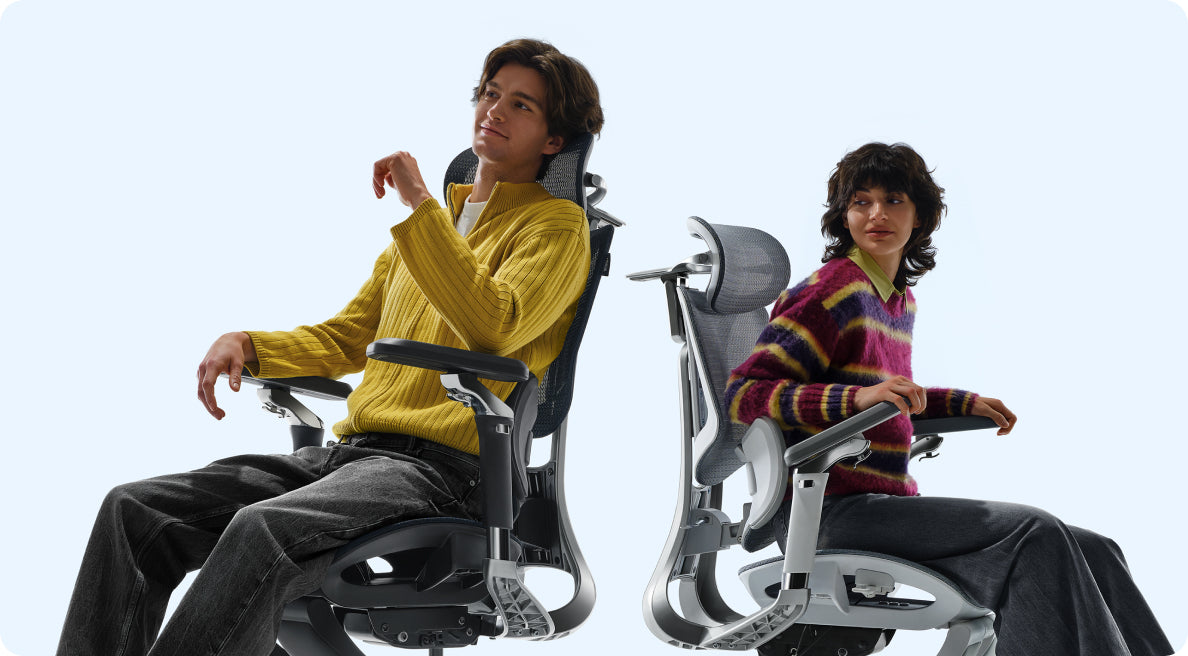
Close-up of the breathable mesh used on a HBADA ergonomic office chair

How to Disassemble an Office Chair Step by Step

Begin at the bottom of the chair and work upwards. The precise sequence may differ by model, so the supplied assembly manual always takes priority.

  1. Remove the Castors or Wheels

    Place the chair on its side on a blanket. On chairs with push-fit castors, hold one castor close to the base and pull it straight out. Avoid pulling only on the wheel rim.

    If a castor is difficult to remove, confirm that it is not retained by a clip or screw. A screwdriver may help release a compatible push-fit stem, but protect the surrounding material and do not twist hard enough to crack the base.

  2. Separate the Five-Star Base From the Gas Lift

    Turn the chair over on a protected surface. Check the manual for a retaining clip, cover or model-specific connection before attempting to separate the base.

    Where the manual permits removal, support the base and apply light, even taps around the metal joint or collar using a rubber mallet. Never strike the cylinder body. If the joint remains seized, stop rather than escalating to heavy impacts.

  3. Remove the Sealed Gas Lift From the Seat Mechanism

    Grip the external cylinder near the mechanism using a suitable protected wrench, then use slow rotational pressure to release the taper fit. Keep your face and body away from the direction in which the cylinder may release.

    Once removed, keep the gas lift sealed and store it upright in a stable location away from heat, children and heavy objects.

    If the cylinder is damaged, leaking or cannot be released with reasonable force, use a qualified repair service. Do not attempt to dismantle the cylinder itself.
  4. Unbolt the Seat and Mechanism

    Support the seat before removing its final bolts. Locate the fasteners that connect the seat mechanism to the seat pan and loosen them using the correct Allen key or tool.

    Place each bolt, washer and spacer in a labelled bag. Do not mix fasteners from the seat, armrests and backrest, as they may use different lengths or thread types.

  5. Detach the Backrest, Armrests and Headrest

    Support the backrest while loosening its bracket. Remove the armrests at their intended attachment points and detach the headrest only if the manual shows it as a removable component.

    Keep the components in removal order. Photograph any cables or connectors before unplugging powered features, and never pull a connector by its wire.

How to Reassemble Your Office Chair

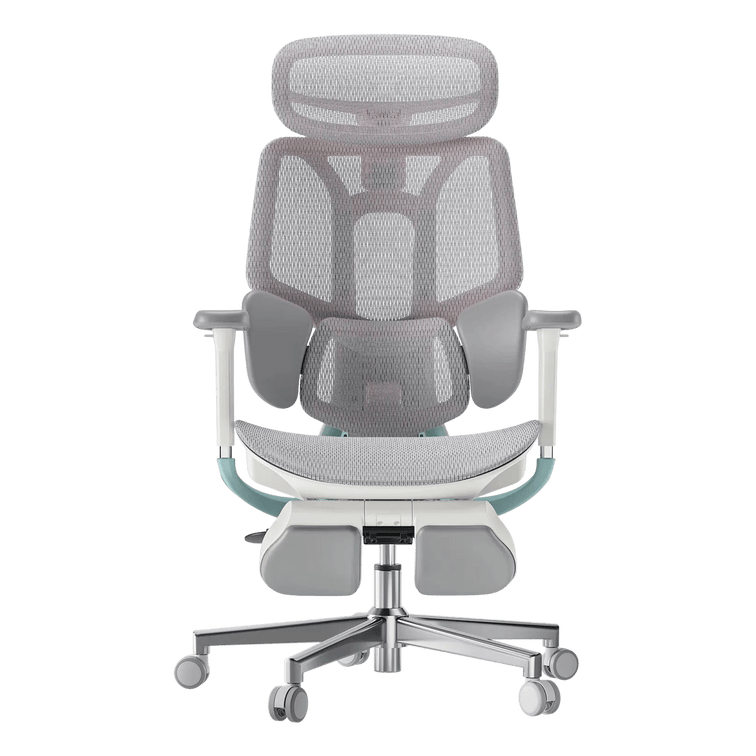
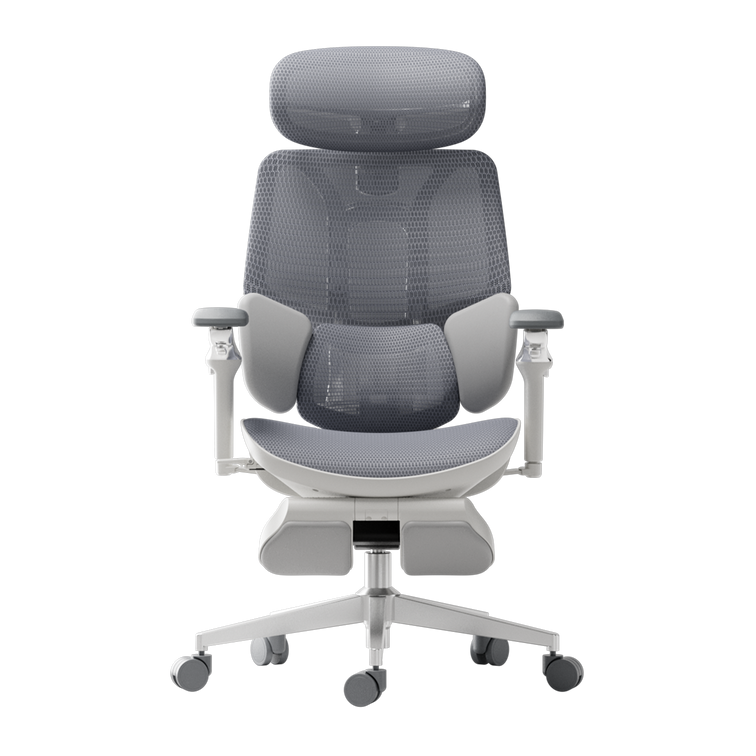
HBADA ergonomic office chair showing adjustable comfort and support features

Follow the manufacturer’s assembly instructions and use your photographs to restore every bracket, washer and cable to its original position. Reassembly is usually completed in the reverse order:

  1. Attach the headrest, backrest and armrests to the seat as instructed.
  2. Reinstall the seat mechanism in its original orientation.
  3. Start all related bolts by hand before tightening any one bolt fully.
  4. Tighten paired bolts gradually and evenly.
  5. Fit the sealed gas lift and five-star base according to the manual.
  6. Push each compatible castor completely into the base.
  7. Reconnect approved powered components before restoring power.
After reassembly, place the chair on a level surface and test it without reclining aggressively. Confirm that the castors, height control, tilt lock, armrests and backrest operate correctly. Stop using the chair if it leans, cracks, sinks unexpectedly or feels structurally unstable.

Disposing of or Recycling Office-Chair Parts in Europe

Waste and recycling arrangements differ among EU countries and municipalities. Before transporting a chair, contact your local municipal recycling centre or bulky-waste service and describe the materials and components you need to dispose of.

Chair component Recommended next step
Reusable chair or components Consider repair, donation or reuse if the chair remains safe and the parts are in serviceable condition.
Metal base and mechanism Ask the local recycling centre whether it accepts separated metal chair components.
Sealed gas lift Tell the facility that it is a pressurised office-chair gas cylinder. Do not place it in household recycling or attempt to depressurise it yourself.
Mesh, foam and upholstered sections Follow local bulky-furniture or residual-waste instructions. Acceptance and separation requirements vary by municipality.
Powered or electronic components Use the applicable separate e-waste or WEEE collection route rather than mixed household waste.
Rechargeable battery Follow the manufacturer’s removal instructions and use an authorised battery collection point. Do not puncture, crush or place the battery in general waste.

EU rules require separate collection and appropriate treatment of electrical and electronic waste. National and local implementation can differ, so your municipal authority or authorised collection facility should confirm the correct route.

When to Repair an Office Chair—and When to Replace It

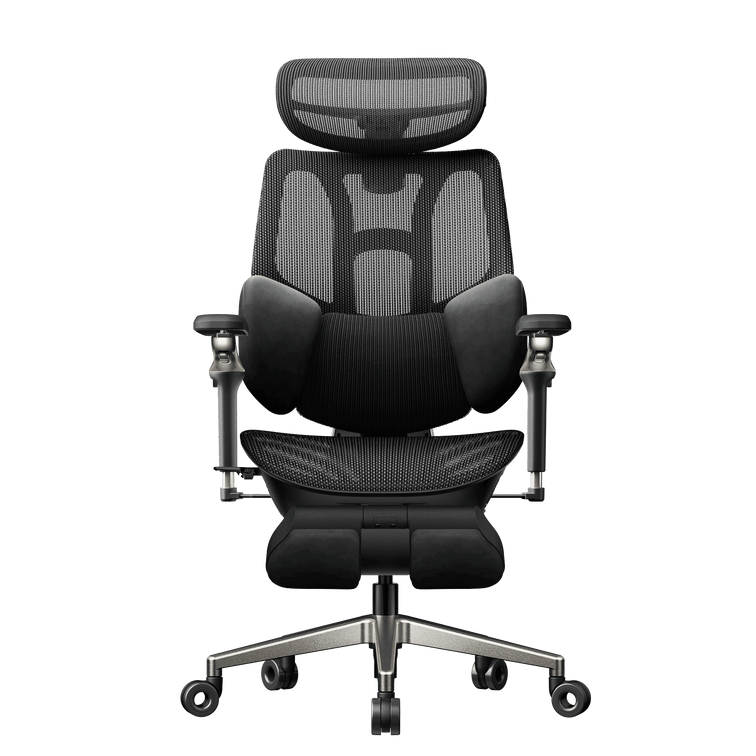
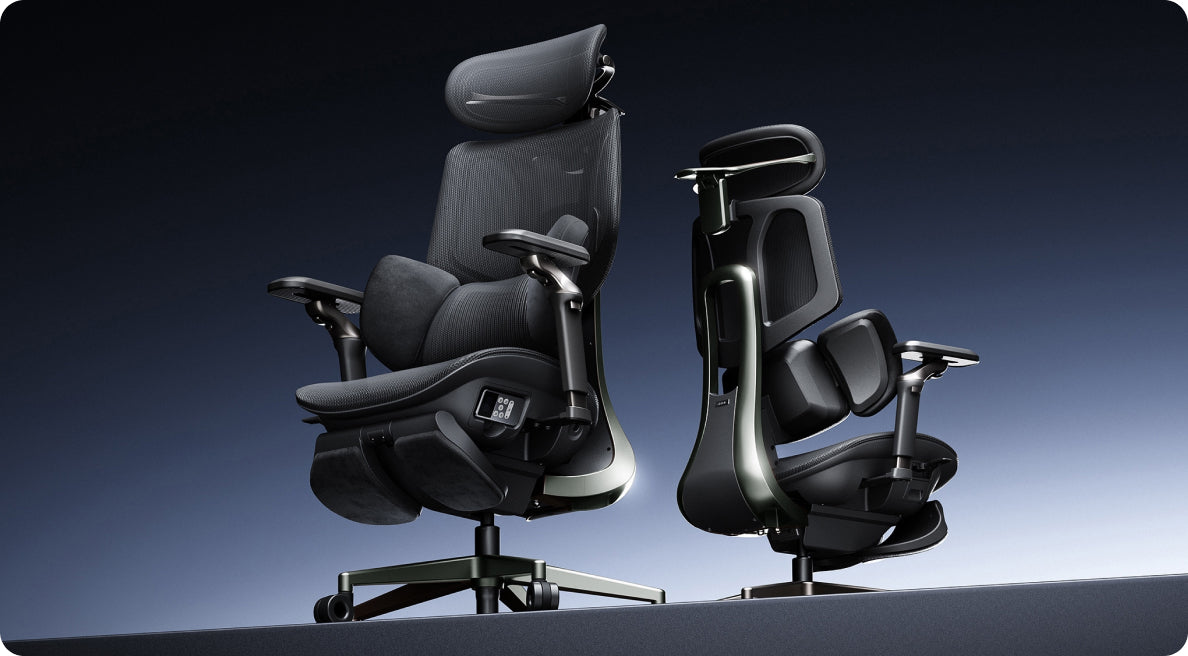
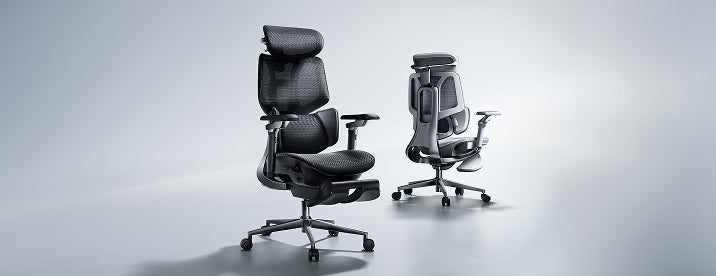
Black HBADA X7 smart ergonomic office chair

A worn castor, missing fastener or model-compatible arm pad may be an economical repair. Replacement becomes more sensible when the chair has structural damage, several recurring faults or no safe compatible parts.

Situation Usually repairable Consider replacement
Castors One or more worn castors with confirmed compatible replacements Base sockets are cracked or distorted
Gas lift A correct replacement is available and the surrounding structure is sound The base or seat mechanism is also damaged
Armrests or headrest A replaceable pad, bracket or model-specific component has failed Multiple mounting points or the main frame are cracked
Seat or backrest Minor replaceable trim or a removable component is worn The supporting frame, mesh structure or mechanism is unsafe
Powered features HBADA confirms a compatible module or authorised repair Battery damage, overheating or repeated electrical faults occur

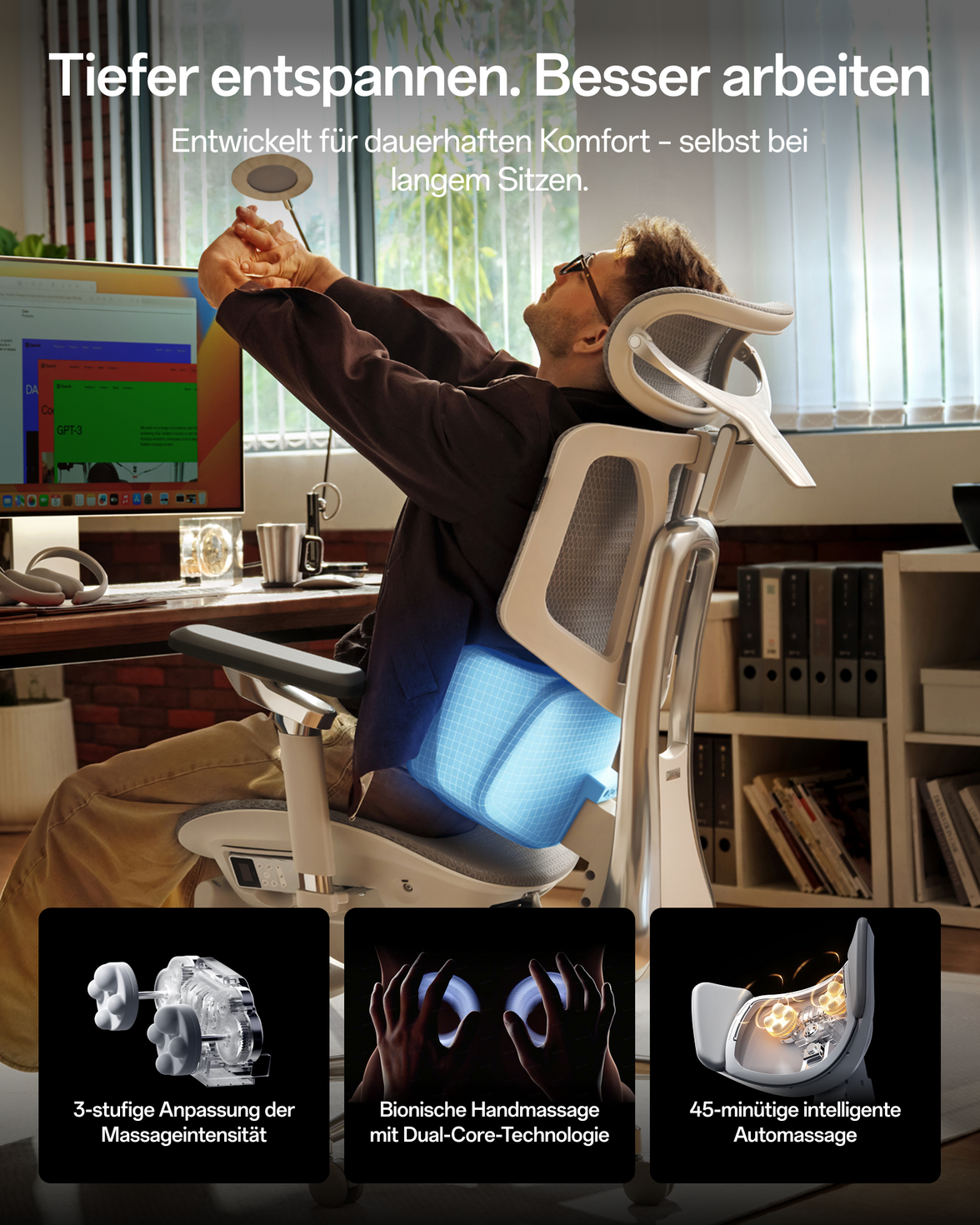
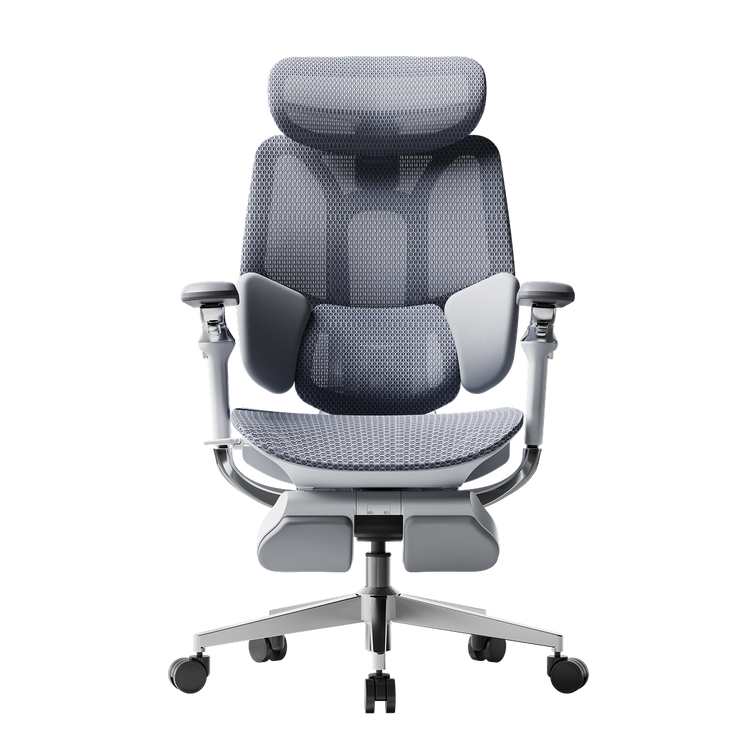
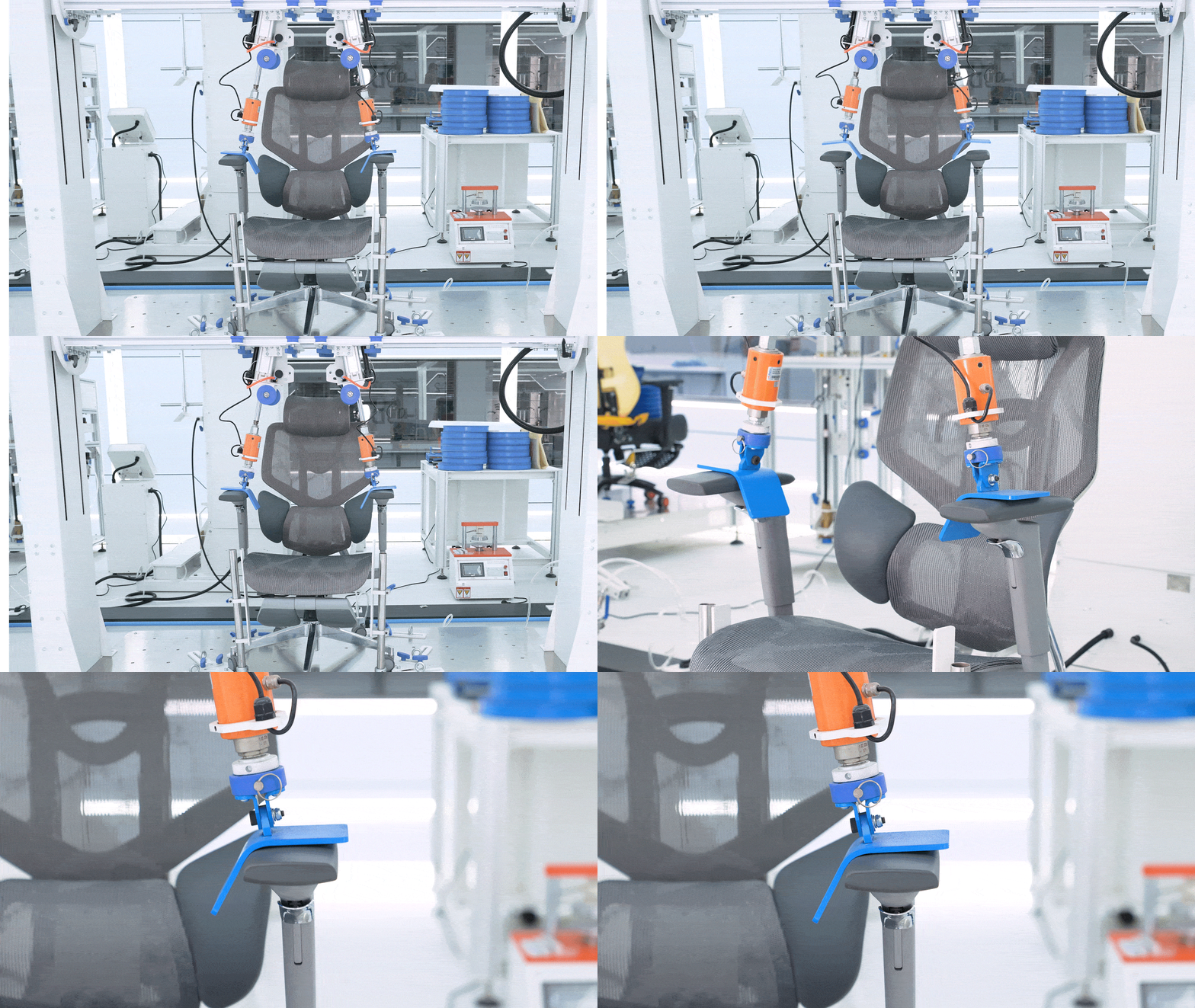
The HBADA X7 Smart Ergonomic Chair is one current EU option for users seeking powered lumbar tracking, a ventilated seat, highly adjustable armrests and a stated maximum load of 150 kg. HBADA states that the model is certified to the BIFMA X5.1 standard and tested for an intended ten-year service life under individual-use scenarios. Actual service life still depends on body weight, frequency of use, maintenance and environmental conditions.

Product configurations, specifications, prices and availability can change. Confirm the current details on the relevant HBADA EU product page before purchasing.

Which HBADA EU Chair Should You Choose?

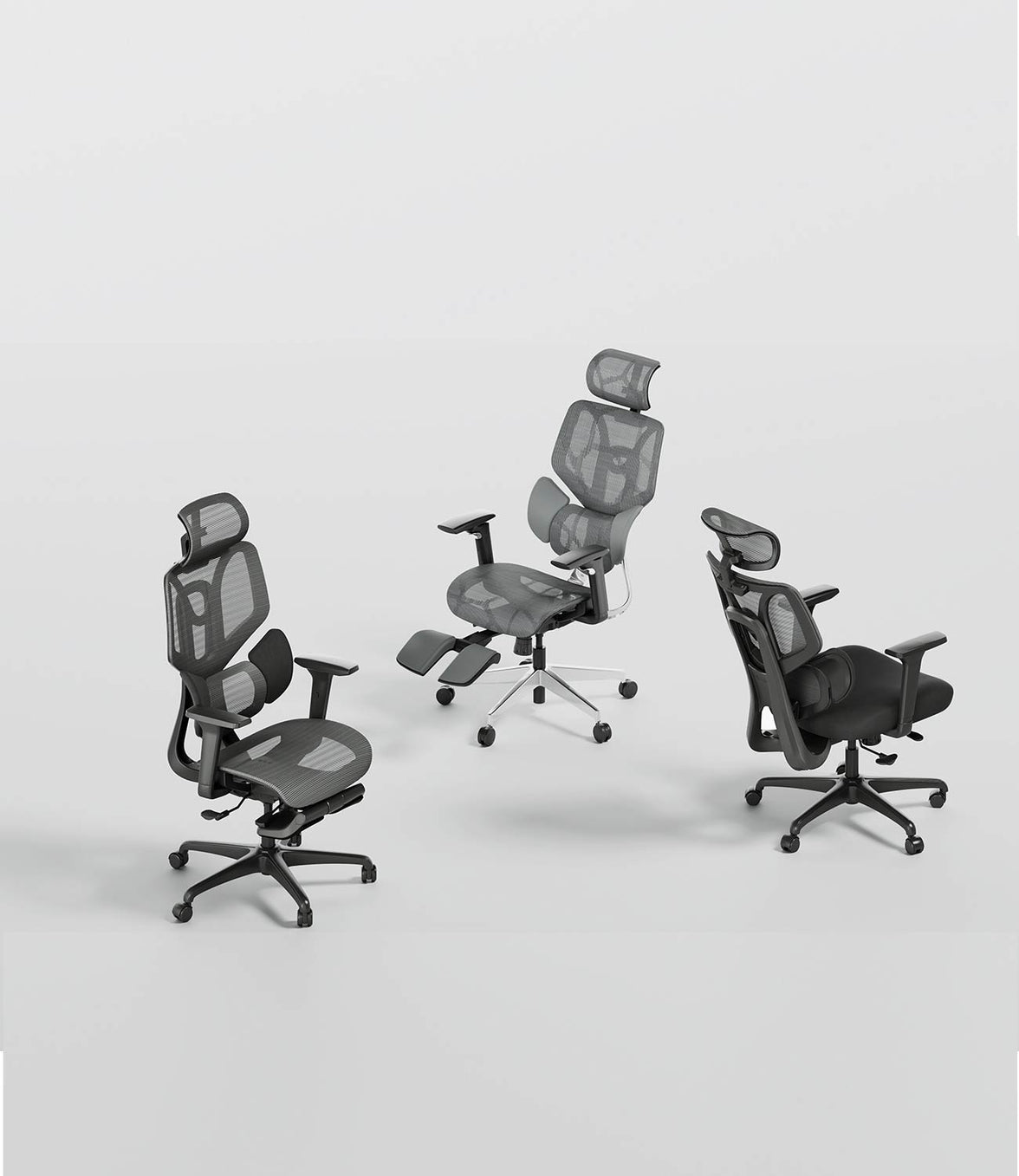
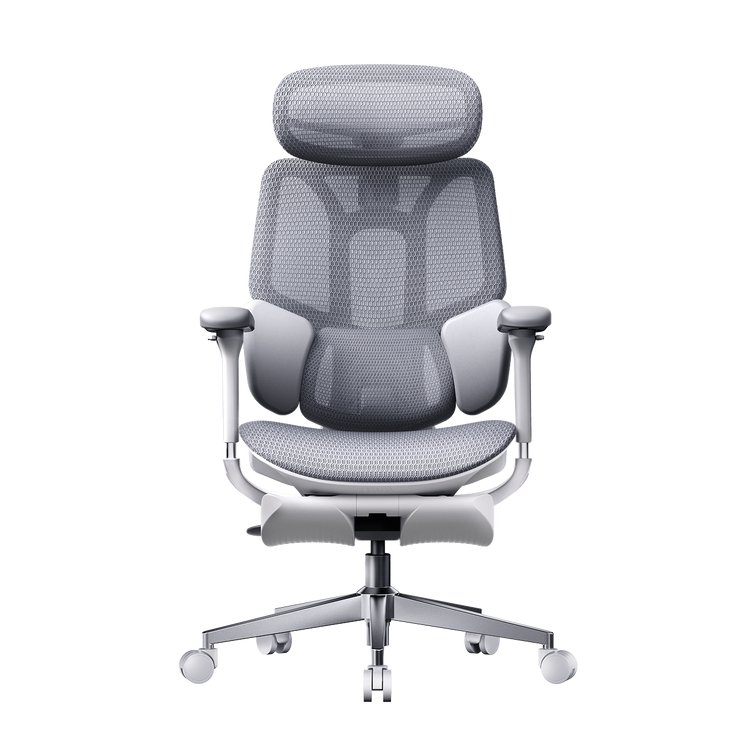
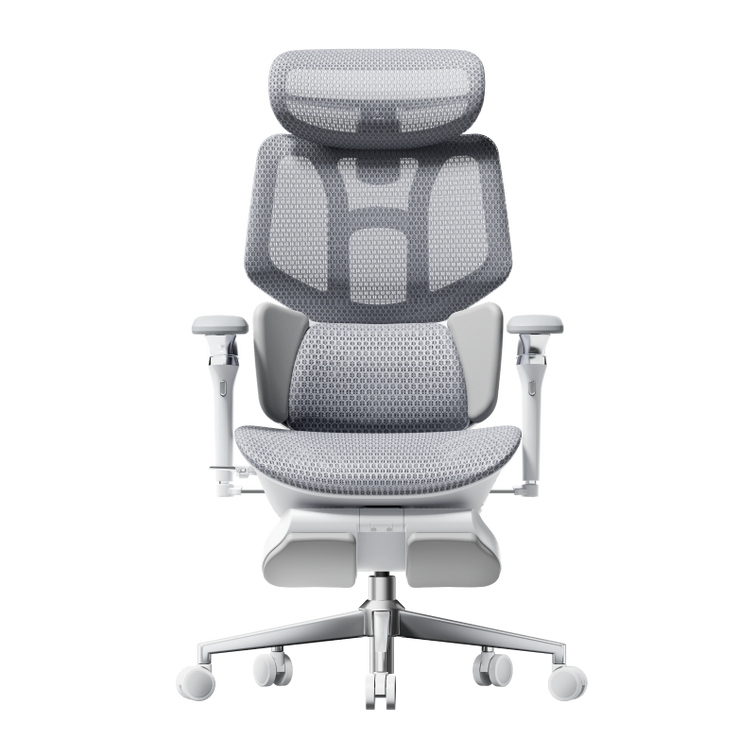
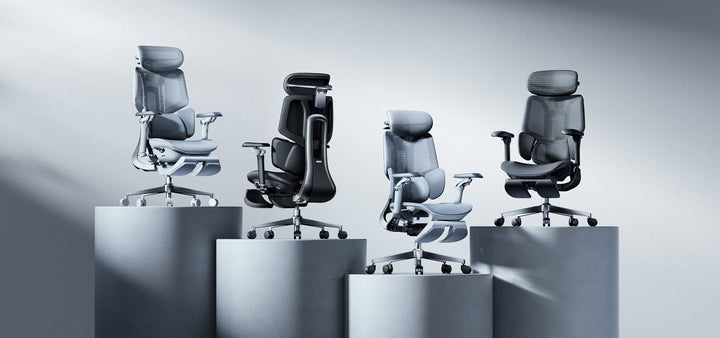
Comparison of HBADA X7 Air and X7 smart ergonomic office chairs

Compare body-fit ranges and the type of adjustment you prefer rather than choosing on appearance alone.

Model Support and adjustment highlights Recommended height Maximum stated load Best considered by
HBADA X7 Smart Powered lumbar tracking, ventilated seat, 720° armrests, adjustable headrest and up to 140° recline 150–195 cm 150 kg Users who value responsive powered support and additional smart comfort features
HBADA E3 Pro 2026 Edition Three-zone adaptive lumbar support, adjustable seat depth, 720° mechanical armrests and up to 140° recline 155–195 cm 150 kg Users who prefer extensive mechanical adjustment without relying on powered lumbar functions
HBADA E3 Air 2026 Edition Three-zone lumbar system, adjustable seat depth, flexible armrests, breathable CloudMesh and up to 140° recline 155–195 cm 150 kg Users looking for a lighter everyday ergonomic chair with extensive adjustment

Illustrative Heavy-Use Scenario

A user around 190 cm tall and close to 140 kg discovers that an older chair has both a failing gas lift and a cracked base. Replacing only the cylinder would leave the structural fault unresolved. A chair with a confirmed 150 kg load rating and suitable seat dimensions would be the safer comparison point.

Illustrative Smaller-Frame Scenario

A user around 158 cm tall may find that a wide inherited chair places the lumbar support too high and the armrests too far apart. Before buying, the user should compare seat height, seat depth, armrest positioning and the model’s recommended height range.

For Powered Support

Consider the X7 Smart if adaptive powered lumbar support and additional electronic comfort functions are priorities.

View HBADA X7 Smart

For Mechanical Adjustment

Consider the E3 Pro 2026 Edition if you prefer broad mechanical adjustment and detailed control over chair fit.

View HBADA E3 Pro

For Everyday Flexibility

Consider the E3 Air 2026 Edition for breathable support and flexible adjustment in home and professional workspaces.

View HBADA E3 Air

Frequently Asked Questions

Can you take apart an office chair?

Yes. Many office chairs can be partly disassembled for moving, repairs or component replacement. Removable parts commonly include the castors, base, sealed gas lift, seat, backrest, armrests and headrest. Check the exact chair manual because some mechanisms, panels and powered components are not intended for user removal.

How do you remove a gas cylinder from an office chair?

Follow the chair’s manual. Where removal is permitted, separate the base at the metal joint without striking the cylinder body. Grip the exterior of the sealed cylinder near the seat mechanism with a protected suitable wrench and use slow rotational pressure to release the taper fit.

Never cut, puncture, heat or open the cylinder. If it is damaged, leaking or seized, contact a qualified repairer or the manufacturer.

How do you remove the base from an office chair?

Place the chair securely on a protected surface and check for a retaining clip or other model-specific connection. If the manual permits removal, support the five-star base and apply controlled, even taps around the appropriate metal joint with a rubber mallet. Never strike the pressurised cylinder body.

Can office-chair castors be removed?
Close-up of an adjustable component on a HBADA ergonomic chair

Many office-chair castors use push-fit stems. Lay the chair on its side and pull the castor straight out while holding it close to the base. Some models use different retaining systems, so check the manual before using a tool or fitting replacement castors.

Is it safe to disassemble a gas lift yourself?

You may be able to remove the complete sealed gas lift from a chair when the manufacturer’s instructions permit it. It is not safe to disassemble the cylinder itself.

Wear appropriate protection, keep the part away from heat and never cut, drill, puncture, crush or hammer the cylinder body. Stop if the component is damaged, leaking or cannot be released safely.

Can I replace an office-chair gas lift with any cylinder?

No. Dimensions, taper fit, class, travel range and load requirements must be compatible with the chair. Contact the manufacturer with the exact model and order information before buying or installing a replacement.

Will taking my chair apart affect its warranty?

Normal model-approved assembly or removal of intended service parts is different from modifying a mechanism or opening a sealed component. Unauthorised modification or damage caused during disassembly may affect warranty eligibility.

For an HBADA chair under warranty, contact service@hbada.eu before attempting a structural or gas-lift repair.

Need a Model-Specific Part or Assembly Guide?

Contact HBADA EU with your order number, exact chair model, product-label photo and a clear image or video of the component. This helps the support team confirm whether the part is removable and identify the correct replacement.

Email HBADA EU Support View Assembly and Maintenance Help

Sources and Product Information

Product specifications, configurations, warranty terms and availability may change. Confirm current details on the applicable HBADA EU product and policy pages. Local waste-disposal requirements vary across European countries and municipalities.
Produto Relevante

Também pode gostar

How Long Does an Office Chair Last? Repair or Replace Guide How Long Does an Office Chair Last? Repair or Replace Guide A few creaks and malfunctions don’t necessarily mean it’s time to replace an office chair.Here’s how to tell if your chair needs a good service or you should invest in a new one. HBADA Chair FAQ: Warranty, Returns, Setup and Support HBADA Chair FAQ: Warranty, Returns, Setup and Support HBADA Europe Support Guide Clear answers to common questions about HBADA ergonomic chairs purchased through HBADA.eu, including returns, warranty coverage, delivery, assembly, maintenance, adjustments and replacement parts. Quick Answer HBADA.eu provides a 30-day return period from receipt. E3 and X7 Series chairs include five-year coverage for the base, gas lift and casters, while other components are covered for three years. For model-specific support, contact service@hbada.eu with your order number, chair model, photos or video and a description of the issue. In This Guide 1. Warranty and Returns 2. Shipping and Tracking 3. Quality Issues and Parts 4. Assembly and Maintenance 5. Ergonomic Adjustments 6. Footrests and Special Features 7. Contact HBADA EU Warranty and Returns Return eligibility and warranty coverage are different. Returns apply during the initial 30-day period, while warranty coverage applies to eligible manufacturing defects during the relevant warranty term. What does the HBADA EU 30-day return policy cover? Products purchased from HBADA.eu may be returned within 30 days of receipt, subject to the conditions in the official EU return policy. The return may relate to comfort, fit, size, appearance or another personal preference. Contact service@hbada.eu before disassembling or sending the chair. Do not return it to an address on the parcel or a previous return label without authorisation. Who pays the return shipping cost? If the chair arrives damaged, defective or incorrect, HBADA covers the eligible return-shipping cost after the issue has been verified. For a standard change-of-mind return involving preference, comfort, fit or size, the customer is responsible for part of the return cost. HBADA may provide a discounted prepaid label and deduct its cost from the final refund. Can I return a chair after assembling or testing it? An assembled chair may still be eligible for return within 30 days, provided it meets the return-policy conditions and is returned with all components, accessories and documentation. Keep the original box and protective packaging for at least 30 days. Missing packaging or damage caused by inadequate repacking may result in a loss-of-value or restocking deduction. How long does an approved refund take? Once the returned item has been received, inspected and approved, HBADA.eu states that the refund is normally processed within 5–7 business days. The payment provider may require additional time before the credit appears in your account. Will the original delivery cost be refunded? The final refund depends on the reason for return, the original order and any applicable delivery or return-label cost. Contact HBADA EU support for a calculation before sending the chair back. Does HBADA really provide a five-year warranty? Yes, but the five-year term does not apply to every component of every chair. Current HBADA.eu coverage is divided by product series and component type. Product series Base, gas lift and casters Other components E3 Series: E3 Pro, E3 Ultra and E3 Air 5-year extended warranty 3-year warranty X7 Series 5-year extended warranty 3-year warranty Other series, including P, J and E2 3-year warranty 3-year warranty Coverage begins from the delivery date and applies to eligible manufacturing defects under normal, non-commercial use. What is not normally covered by the warranty? Normal ageing, wear, fading or pilling of mesh and fabric Scratches, stains or dents occurring after assembly and use Damage caused by incorrect assembly, misuse or modification Damage caused by exceeding the chair’s specified weight limit High-traffic commercial or rental use Purchases from unauthorised third-party sellers Is warranty registration required? The current HBADA.eu warranty page bases coverage on the purchase, delivery date and proof of purchase. Keep your order-confirmation email and order number. If your product documentation contains an additional registration instruction, follow that model-specific instruction as well. How do I submit a warranty claim? Email service@hbada.eu. Include the order number or other proof of purchase. State the exact chair model and describe the problem. Attach clear photos or a short video showing the fault. Wait for diagnosis and the authorised repair, part or return instructions. For a verified covered defect, HBADA may provide a replacement part and installation guidance instead of requiring the complete chair to be returned. Shipping and Tracking When will my HBADA.eu order be delivered? HBADA.eu currently states a processing time of approximately one business day and delivery within about five business days for supported EU destinations. Actual timing may vary by product, location, stock and carrier conditions. Most supported areas receive free delivery. If a delivery fee applies to a particular product or postcode, it should be displayed during checkout. Why has my tracking information not updated? A tracking number may be created before the carrier completes its first physical scan. Check again later and use the tracking number on the carrier’s official website. If the status remains unchanged or the delivery estimate has passed, contact HBADA EU with your order number and tracking number. What does my tracking status mean? Label created: shipment information has been submitted. In transit: the carrier is moving the parcel through its network. Out for delivery: delivery is expected that day. Delivery attempted: follow the carrier’s redelivery instructions. Exception or delayed: the shipment has encountered a temporary issue. Returned to sender: contact HBADA EU before placing another order. The parcel says delivered, but I cannot find it. What should I do? Check the entrance, safe place, reception desk and nearby delivery points. Ask household members, building staff or neighbours. Review the carrier’s proof of delivery. Contact the carrier using the tracking number. If it remains missing, email HBADA EU with the order details. What if the parcel was returned to the sender? Contact HBADA EU with your order number and confirmed delivery address. Support can investigate why it was returned and explain the available redelivery or refund solution. I did not receive an order-confirmation email. How can I check the order? Check the spam or junk folder and confirm that the email address used at checkout was entered correctly. If the message is still missing, contact support with your name, delivery address and approximate purchase time. Do not publish payment information in a public message. After-Sales Support and Replacement Parts What happens if something goes wrong with my chair? Stop using the chair if the issue affects stability, the base, gas lift, mechanism or another safety-related component. Record the fault with photos or video and contact HBADA EU. The support team may diagnose the issue remotely and provide a compatible replacement part, installation guide, repair solution or authorised return instructions. How do I find compatible replacement casters? Caster stems and dimensions can vary by model and production version. Do not rely on a universal size unless it has been confirmed for your exact chair. Send the chair model, order number, caster photos and the product barcode to service@hbada.eu. HBADA can confirm the correct replacement specification. Can I use third-party replacement parts? Use model-compatible parts that meet the chair’s original load and safety requirements. An incorrect gas lift, base, mechanism or caster may affect stability and could influence warranty eligibility. Confirm compatibility with HBADA before installation. Assembly, Maintenance and Troubleshooting How should I assemble my HBADA chair? Match all components and hardware to the model-specific manual. Place the seat and backrest on a clean, protected surface. Start every screw by hand before tightening it fully. Tighten paired screws gradually and evenly. Install the gas lift and base in the orientation shown in the manual. Check every adjustment and confirm that the chair stands level before use. Model-specific videos may be available from the official HBADA YouTube channel. What should I do if a screw is missing or does not fit? Do not force the screw or substitute hardware with an unknown grade or length. Confirm the part number in the manual, check the packaging and take a photo of the installation position. Contact support for the correct hardware if necessary. Why is my chair squeaking? Squeaking may be caused by a loose fastener, debris around a moving joint or friction between fitted components. Identify the sound while another person gently moves the chair. Check and evenly tighten the relevant accessible bolts. Remove visible dust or debris. Use only a manufacturer-approved lubricant on an appropriate moving joint. Do not dismantle, drill, heat or lubricate the pressurised gas cylinder. Contact HBADA if the sound comes from the gas lift or tilt mechanism. My chair keeps sinking. What should I do? First check that the height-adjustment lever is returning to its neutral position and is not continuously pressing the gas-lift actuator. If the chair still loses height during normal use, stop repeatedly operating it and contact HBADA EU. The gas lift may require model-specific inspection or replacement. The reclining mechanism is stuck. How do I unlock it? Return the backrest to an upright position and remove pressure from it. Operate the recline lock according to the manual, then lean back gently. Some mechanisms must be unloaded before the lock can release. Do not force the lever. Why is the seat tilted or leaning to one side? Place the chair on a level floor, check that all casters are fully seated and inspect the base, gas lift and seat mechanism. Recheck that paired mounting bolts were tightened evenly. Stop using the chair and contact support if a structural component appears bent or damaged. How often should bolts and screws be checked? Inspect accessible fasteners after the initial assembly period and periodically thereafter. Frequency depends on use, movement and the chair model. Tighten only to the manual’s requirements and avoid overtightening plastic-mounted components. How should I clean the mesh? Remove loose dust with a soft brush or low-suction vacuum attachment. Test a small hidden area before using any cleaning solution. Blot lightly with a soft cloth dampened with water and mild cleaner. Do not soak, scrub aggressively or use bleach and harsh solvents. Allow the chair to air-dry completely away from direct heat. How can I reduce long-term mesh sagging? Stay within the specified weight limit, avoid placing concentrated loads or sharp objects on the mesh and do not use the chair as a step. Keep it away from prolonged direct sunlight and heat sources. Will a small snag affect the mesh? A minor surface snag may be cosmetic, but it should not be pulled, cut or burned. Photograph the area and monitor it. Stop using the chair and contact support if the opening expands, the surrounding mesh loses tension or the seat/backrest no longer feels secure. How should I store the chair? Store it indoors on a dry, level surface, away from direct sunlight, heaters, high humidity and corrosive chemicals. Do not place heavy objects on the seat, armrests or mesh. Ergonomic Adjustments Adjustment ranges vary by model. Use the following as setup guidance and confirm each control in your chair’s manual. How should I adjust the lumbar support? Sit fully against the backrest and position the lumbar support around the natural inward curve of the lower back. Begin with moderate support, then make small changes while seated. The support should feel present without creating a concentrated pressure point. How should I position the headrest? Adjust the headrest so it supports the back of the head or upper neck without pushing the head forward. During focused computer work, keep the ears generally aligned over the shoulders and avoid leaning continuously into the headrest. How do I lock the headrest? Headrest locking methods differ by model. Move it through the permitted height and angle range until the intended detent or lock engages. Do not force it beyond the stops. Consult the model manual if it moves after adjustment. How does dynamic lumbar support work? On equipped models, the lumbar structure follows or responds to changes in sitting posture. It does not eliminate the need for correct seat height, seat depth and desk positioning. Product functions vary, so confirm the system used by your specific chair. How do I lock the backrest at a reclining angle? Lean to the desired supported position and operate the recline-lock control shown in the manual. Before unlocking, reduce pressure against the backrest and return toward an upright position. Not every model locks at every point in its recline range. What do 4D armrests adjust? Depending on the model, 4D armrests may adjust in height, forward/backward position, inward/outward position and angle. Set them so the forearms are lightly supported while the shoulders remain relaxed. How should I set the armrests for desk work? Keep the elbows close to the body and the wrists in a neutral position. The armrests should support the forearms without lifting the shoulders. Lower or reposition them if they prevent the chair from approaching the desk. Why are the armrests at different heights? Return both armrests to their lowest setting, then raise each by the same number of adjustment positions. Check that both assemblies are fitted correctly. Contact support if one side does not engage or remains visibly uneven. What is the correct chair height? Begin with the feet supported, thighs approximately level and knees comfortably bent. Then align the desk and monitor so you can work without lifting the shoulders or bending the wrists excessively. A footrest may help if the desk cannot be lowered. Why does the chair feel unstable or wobble? Check the floor, casters, five-star base, gas-lift seating and accessible fasteners. Some movement in adjustable components can be normal, but pronounced instability, cracking or structural movement requires immediate inspection. Stop using the chair until the cause has been confirmed. How do I clean noisy or slow-moving casters? Turn the unoccupied chair carefully according to the manual, then remove visible hair, thread and debris from the caster axles. Wipe the wheels with a slightly damp cloth and dry them. Replace cracked, detached or deformed casters with model-compatible parts. Footrests and Special Features How do I deploy and retract the built-in footrest? On models equipped with a retractable footrest, sit upright and pull the footrest outward using the designated handle or frame. Rotate or extend it only in the direction shown in the model manual. Before standing, return it fully to its stored position. Do not stand or sit on the footrest. It is intended to support the lower legs while the user remains seated. Why is the footrest difficult to pull out? Check that the chair is upright, nothing is blocking the rail and the footrest is being pulled evenly rather than twisted sideways. Do not force it. If the rail appears bent, misaligned or damaged, photograph the mechanism and contact HBADA EU. Where can I find instructions for model-specific smart features? Refer to the manual supplied with the chair and the official HBADA video channel. Smart, powered, heating, massage and ventilation functions differ by model. Use only the supplied or specified power accessories. Still Need Help? Contact HBADA EU and include enough information for the support team to identify the correct chair and component. Order number or proof of purchase Exact chair model and colour Photo of the product label or barcode Clear description of the problem Photos or a short video showing the issue Current delivery address if a replacement part may be required Email HBADA EU Support View Maintenance Help Official HBADA EU Policies Return and Refund Policy Warranty and Service Shipping Policy Order Tracking Assembly, Maintenance and Troubleshooting Policy terms and product specifications may change. The official policy and product pages in effect when support is requested take precedence. Office Chair Safety Checklist: Gas Lift, Base, Casters, and Fasteners Office Chair Safety Checklist: Gas Lift, Base, Casters, and Fasteners European Quarterly Chair Care Guide A practical inspection routine for identifying loose, worn or damaged office-chair components before they affect everyday stability. ✓ Quick Answer Inspect your office chair every three months and whenever you notice a wobble, sinking seat, unusual noise or damaged part. Check that the gas lift holds its height, the five-star base has no cracks, the casters roll securely and all accessible fasteners remain tight. Never puncture, heat or disassemble a pressurised gas lift. What this guide covers Why quarterly checks matter Inspecting the gas lift Checking the base and casters Checking fasteners and mechanisms Complete safety checklist When to stop using the chair HBADA EU component information Frequently asked questions Why Check Your Office Chair Every Quarter? An ergonomic office chair contains moving and load-bearing components that experience normal wear. Bolts can loosen, caster stems can collect debris and a gas lift can eventually lose its ability to hold the selected seat height. A short inspection every three months helps identify these warning signs before they affect the chair’s stability or operation. European Agency for Safety and Health at Work guidance identifies the work chair as part of the complete display-screen workstation. Council Directive 90/270/EEC establishes minimum safety and health requirements for work with display-screen equipment and requires employers to assess workstations and address identified risks. Quarterly is a practical inspection schedule for normal home-office use. A chair used intensively across multiple shifts may require more frequent checks. Inspect the chair immediately after moving or reassembling it, or whenever you notice a new lean, wobble, noise or change in seat height. How to Inspect an Office Chair Gas Lift The gas lift is the pressurised cylinder that controls seat height. A basic inspection does not require removing or opening it. 1 Test the Seat Height Set the chair to a comfortable height and remain seated for several minutes. Check whether the seat stays in position. 2 Test the Adjustment Use the height lever normally. The seat should raise and lower without repeated sticking, sudden movement or unusual resistance. 3 Look for Visible Damage Check the exposed cylinder area for bending, corrosion, oil residue or other obvious signs of damage. 4 Act on Repeated Sinking If the seat continues to sink after checking the lever for obstruction, contact HBADA EU for the correct replacement process. Important gas-lift safety warning Never puncture, cut, heat, clamp or disassemble a gas lift cylinder. It is a pressurised component. Follow the maintenance and replacement instructions for your exact chair model. What Does “Class 4 Gas Lift” Mean? Class 4 is a gas-lift specification used by many office-chair manufacturers. Construction, testing documentation and certification claims can differ between suppliers and markets. A Class 4 label alone should not be treated as proof that every cylinder has identical materials or certifications. The current HBADA E3 Pro 2026 Edition product page specifies an SGS-certified Class 4 gas lift. If that component requires service, use a replacement approved for the exact model instead of selecting a cylinder based only on its class label. How to Check the Five-Star Base and Casters The base and casters support the chair during movement, reclining and everyday position changes. Perform the first part of the inspection with the chair unloaded and placed on a clear, level floor. Inspect the Five-Star Base Look for cracks, splits, bends or deformation. Pay particular attention to the points where each leg joins the centre hub. Confirm that all five points sit evenly on the floor. Check for side-to-side rocking that is not caused by an uneven surface. Stop using the chair if the base is visibly cracked or structurally damaged. Inspect Each Caster Roll the chair slowly and listen for scraping, sticking or clicking. Remove accessible hair, thread, dust and grit from around each wheel. Check that every caster remains seated firmly in its socket. Look for cracked wheels, excessive wobble or damaged caster stems. Use model-compatible replacement casters when a wheel is damaged. How to Check Fasteners and Moving Mechanisms Loose fasteners are a common source of chair wobble, movement and squeaking. Use the tool and tightening sequence supplied with the chair manual. Tighten fasteners until secure, but do not force or over-tighten them. Check accessible bolts and screws around the seat, backrest, armrests, mechanism and base connection. Confirm that the armrests move and lock as intended. Test the recline and tilt-lock functions without forcing the mechanism. Investigate a new squeak or clicking sound instead of waiting for it to worsen. Stop if an adjustment mechanism is jammed, bent or unusually difficult to operate. Current HBADA EU maintenance guidance recommends checking and tightening bolts and screws every one to three months, depending on how intensively the chair is used. If hardware is missing, stripped or damaged, request the correct replacement rather than installing an unverified fastener. The Complete Quarterly Office Chair Safety Checklist Use this table during each inspection. If a load-bearing component is cracked, bent or unstable, stop using the chair until the correct repair or replacement has been arranged. Chair part What to inspect Action if the check fails Gas lift Holds the selected height, adjusts normally and has no visible damage or leakage Check the lever for obstruction and contact HBADA EU if the chair continues to sink Five-star base No cracks, bends, deformation or uneven contact with the floor Stop using the chair if the base is cracked or unstable Casters Roll freely, remain firmly seated and are clear of debris Clean the wheel or install a model-compatible replacement Seat and base fasteners Secure, correctly seated and free from stripped threads Tighten according to the manual or request replacement hardware Backrest and armrests Connections remain stable and adjustments move and lock normally Stop using the affected adjustment and arrange service if it remains loose Recline and tilt lock Engages, releases and holds without sticking or unexpected movement Check for an obstruction and contact support if the mechanism does not operate correctly What Should You Never Do With an Office Chair? Never puncture, heat, modify or disassemble the gas cylinder. Never continue using a chair with a cracked or unstable base. Never stand on the chair or use it as a step stool or ladder. Never sit on the armrests or allow more than one person to use the chair. Never force a jammed recline, height, headrest or armrest mechanism. Never exceed the load limit stated for the exact chair model. Stop using the chair if you find a cracked base, severely loose component, caster that will not remain seated, visibly damaged cylinder or recline mechanism that cannot hold securely. HBADA EU Chair Components and Warranty Information When comparing ergonomic office chairs, look beyond comfort features. Review the stated maximum load, gas-lift specification, base material, caster design, warranty terms and availability of model-specific support. Model Current EU specifications Current EU warranty coverage HBADA E3 Pro 2026 Edition SGS-certified Class 4 gas lift, steel five-star base, PA+PU casters and maximum load listed as 150 kg Five-year extended warranty for eligible core load-bearing components, including the base, gas lift and casters; three-year warranty for eligible other components HBADA X7 Smart Stainless-steel five-star base, maximum load listed as 150 kg and BIFMA certification stated on the EU product information Five-year extended warranty for eligible core load-bearing components, including the base, gas lift and casters; three-year warranty for eligible other components Specifications and warranty terms can vary by model, version and sales region. Check the current EU product page, warranty policy and documentation supplied with your chair before relying on a specification. When Should You Contact HBADA EU Support? Contact support when a gas lift repeatedly sinks, a structural part appears damaged, a mechanism cannot lock or the required replacement part is unclear. For a chair under warranty, contact HBADA EU before attempting to replace a safety-related component. For model-specific setup, maintenance and troubleshooting instructions, visit the HBADA EU Assembly, Maintenance & Troubleshooting Guide . Email: service@hbada.eu Office Chair Safety: Frequently Asked Questions How often should I inspect my office chair? For a chair used every day, perform a basic inspection about every three months. Check it sooner if you notice a new wobble, squeak, sinking seat, loose part or change in how an adjustment works. Chairs used intensively may require monthly fastener checks. Why does my office chair keep sinking? A chair that gradually lowers may have a worn or faulty gas lift. First check that the height lever is fully released and that nothing is obstructing the mechanism. If the seat continues to sink, contact HBADA EU rather than opening the pressurised cylinder. Are office chair gas lifts dangerous? Gas lifts are designed for normal chair operation, but they are pressurised components. Do not puncture, disassemble, modify or expose one to heat. A visibly damaged or failing gas lift should be handled through the manufacturer’s recommended service process. How do I know if an office chair base is unsafe? A visible crack, bend, uneven stance, persistent wobble or damaged caster socket is a reason to stop using the chair. Inspect the points where each base leg meets the centre hub, as these areas carry significant load. Can I replace office chair parts myself? Follow the manual and warranty terms for your exact model. Casters and some fasteners may be user-serviceable, but replacement parts must be compatible with the chair. Contact support before replacing a gas lift, base or other safety-related component. Does an ergonomic chair prevent back pain? An adjustable chair can support a better workstation setup, but it is not a medical treatment and cannot guarantee pain prevention. Adjust the complete workstation to your needs, change position regularly and seek qualified advice for persistent pain or injury. Does EU law require quarterly chair inspections? This article uses quarterly inspection as a practical maintenance schedule, not as a statement that every EU workplace is legally required to inspect every chair at three-month intervals. Employers should follow applicable national requirements, workplace risk assessments, equipment instructions and internal safety procedures. Make Chair Inspection Part of Your Routine Set a quarterly reminder, act promptly on damage or instability and use the correct support process for replacement parts. A few minutes of routine inspection can help keep your chair operating as intended. Explore Ergonomic Office Chairs Sources and EU Product References European Agency for Safety and Health at Work: Office Ergonomics HBADA EU: Assembly, Maintenance & Troubleshooting HBADA EU: Warranty & Service HBADA E3 Pro 2026 Edition specifications HBADA X7 Smart specifications Product specifications and warranty terms referenced in this article were checked on September 1, 2026. Confirm the current EU product page, regional policy and documentation supplied with the chair before purchase or service.