

Review of the Hbada E3 Ergonomic Office Chair — Worth Buying?

Review of the Hbada E3 Ergonomic Office Chair — Worth Buying?

Recently, many people have been asking me to recommend an ergonomic office chair that is both affordable and highly comfortable. After extensive research, I discovered a chair that stands out due to its impressive customizable adjustment features. Once you experience it, you'll definitely want to recommend it to your friends.

Today, I will review the Hbada E3 Ergonomic Office Chair from three aspects. I will break it down into several sections, starting with its ergonomic design, specifically its adjustable features. Next, I'll discuss the sitting experience, and finally, I'll examine the materials used in the chair. Make sure to read to the end.

Features

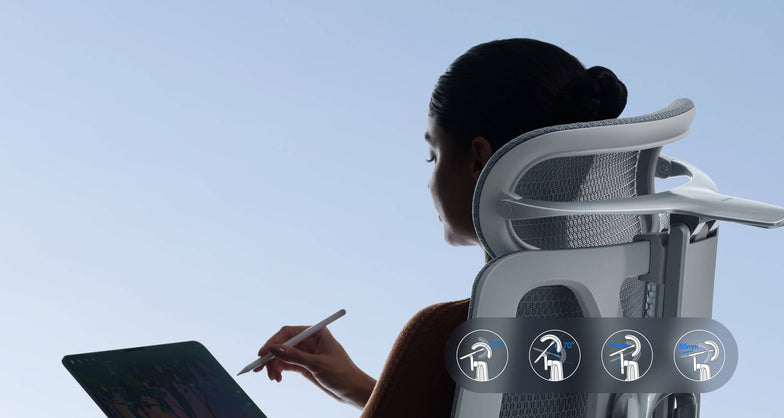
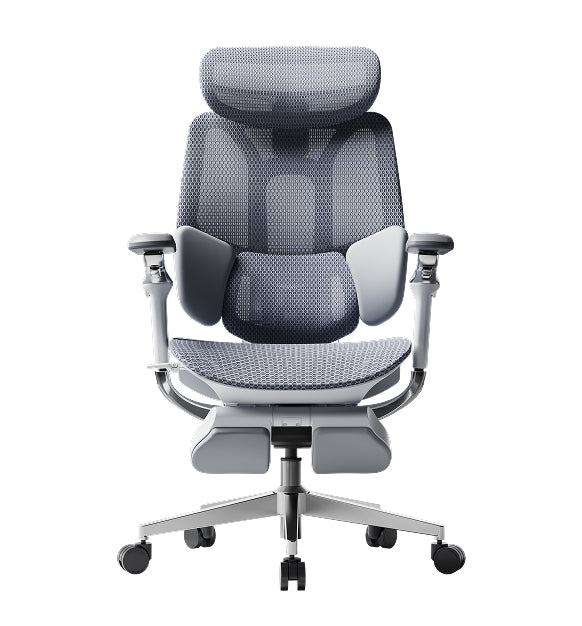
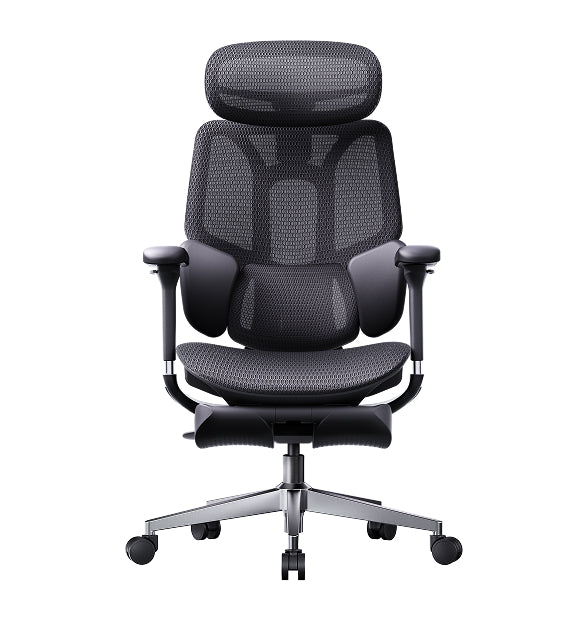
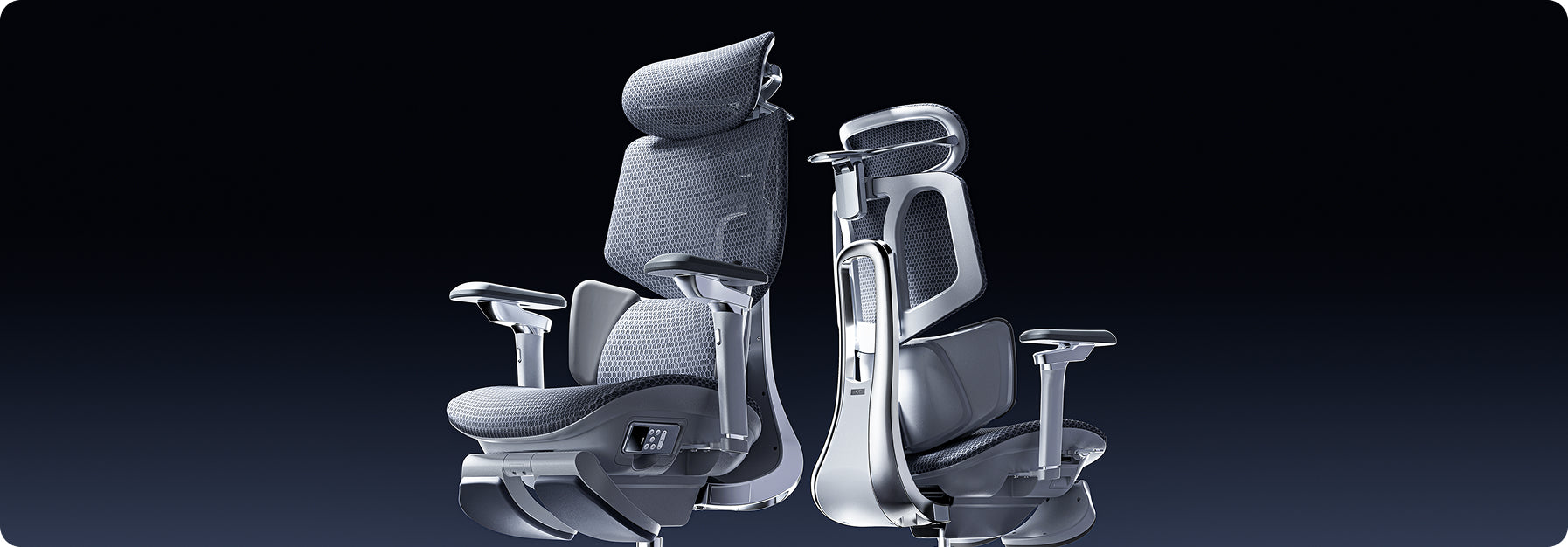
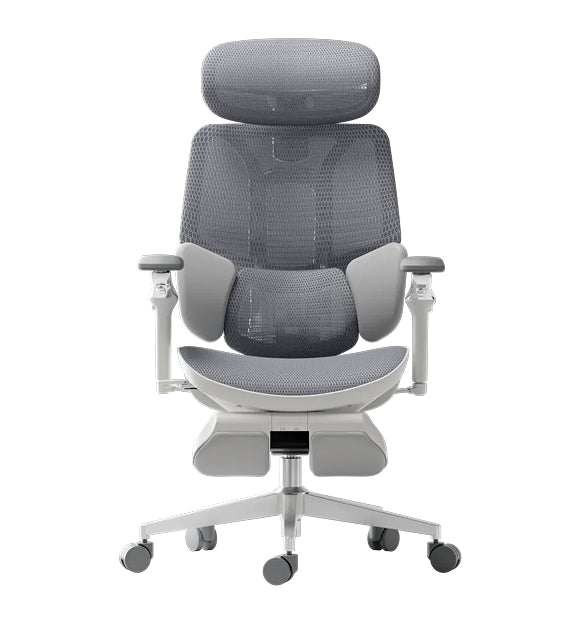
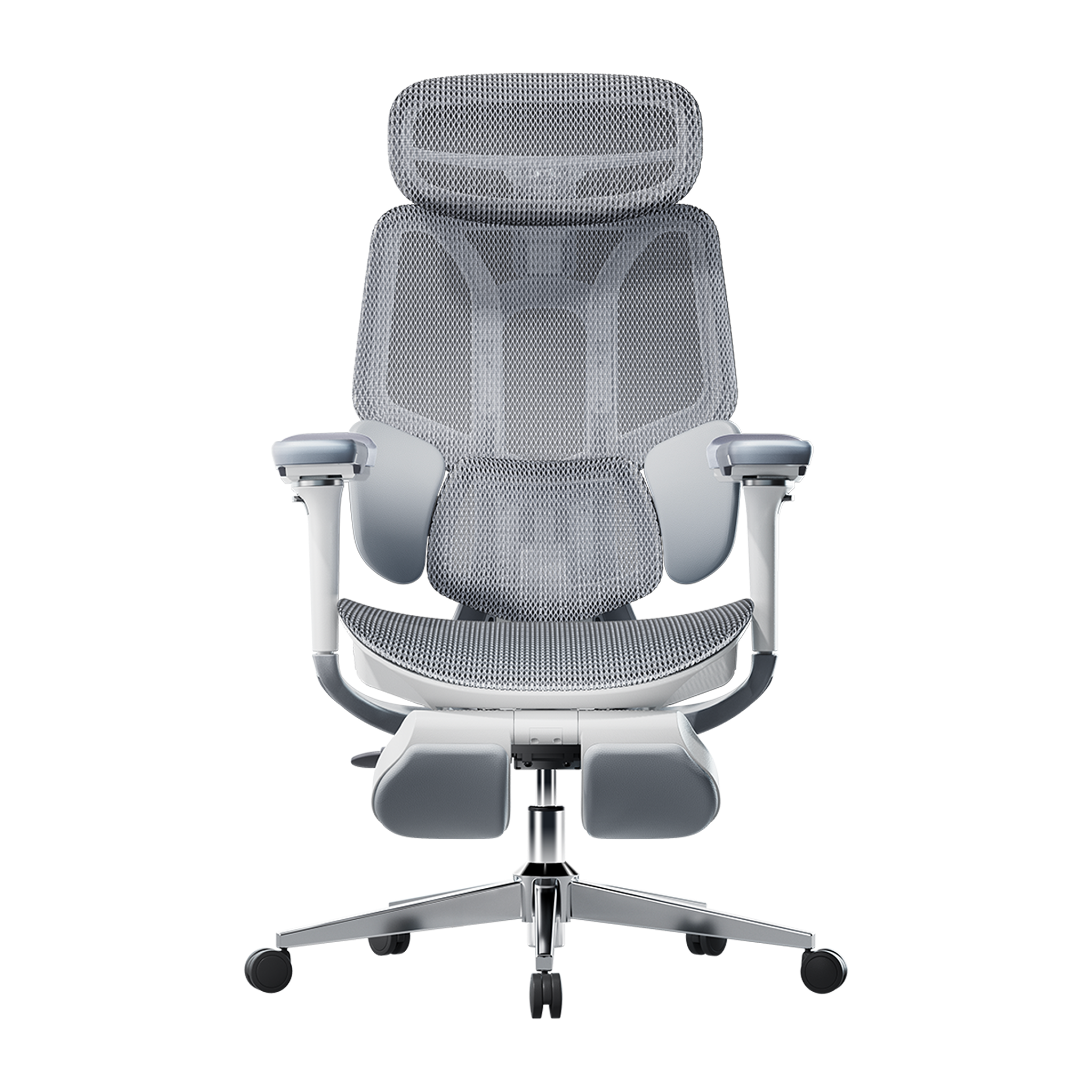
In terms of functionality, this chair is exceptionally well-equipped for its price range. Let's start with the headrest. The headrest has basic height adjustment features, dual-joint angle adjustments, and can also be adjusted forward and backward. The backrest can be independently adjusted in height as well. The lumbar support is particularly versatile; it can be adjusted up and down, as well as forward and backward. Additionally, it features an adaptive function. The lumbar support consists of three parts, with the sides adjustable to wrap around your waist like small wings.

The armrests are among the widest I've encountered, with comprehensive adjustment capabilities. They can be raised and lowered, rotated at a large angle, adjusted forward and backward, and also adjusted left and right. The front end can be folded upwards as well. The armrests feature a 6D adjustment design, offering maximum flexibility.

The base of the chair does not use a cable-controlled switch; all controls are located on the right side of the seat. The front switch adjusts seat depth, while the rear switch, when pulled out, unlocks the recline function and can be lifted to adjust seat height. The chair also includes a drawer-style footrest that can be pulled out and flipped up for use.

Experience

Next, let's delve into the seating experience of this chair.

Firstly, the lumbar support is much more comfortable than that of the first generation. The height adjustment allows it to be positioned lower, providing support to my sacral region. The forward and backward adjustments offer the precise lumbar support I need. The upper part of the lumbar support adapts its angle, ensuring a smooth transition between the lumbar support and the backrest without noticeable discontinuities. The floating wing-like sides are particularly beneficial for individuals with a broader build, providing an enveloping support that enhances overall comfort. The backrest adheres well to the back, making for a very comfortable experience.

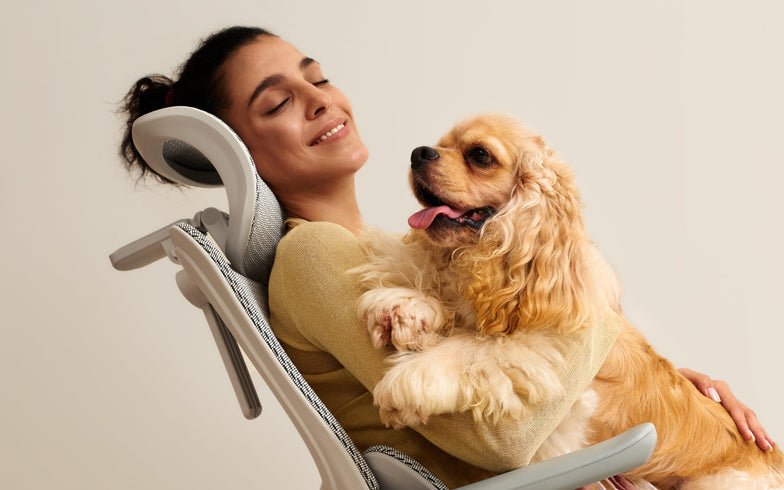
The headrest is notably impressive in size and design. It is large, with a curve that ensures comfort without any pressure points. The height and angle adjustments of the headrest add to its overall comfort.

The seat cushion is relatively flat, ensuring that it doesn't feel too shallow nor excessively deep. However, those with very long legs might find the depth slightly lacking.

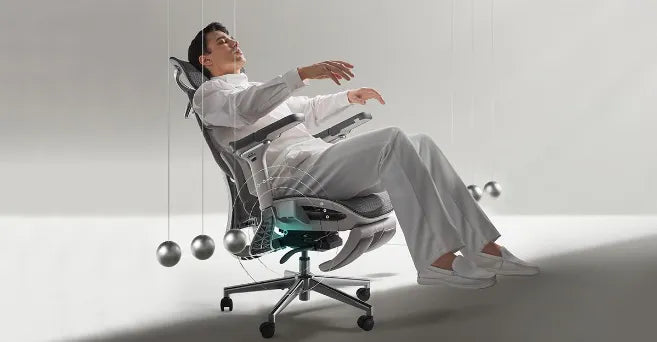
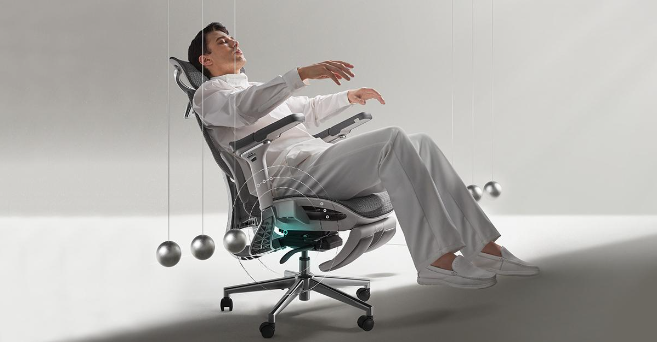
Now, let's consider its dynamic seating comfort, particularly when reclining. The armrests move in sync with the recline, providing continuous elbow support. The lumbar area maintains support without creating gaps. The seat pan features a dynamic balance mechanism; as I recline, the base moves upward in sync with the backrest, ensuring continuous comfort. The reclining experience is excellent, and with the footrest extended, it's very comfortable for resting.

Overall, both in terms of ergonomic design and sitting experience, this chair excels.

Evaluation
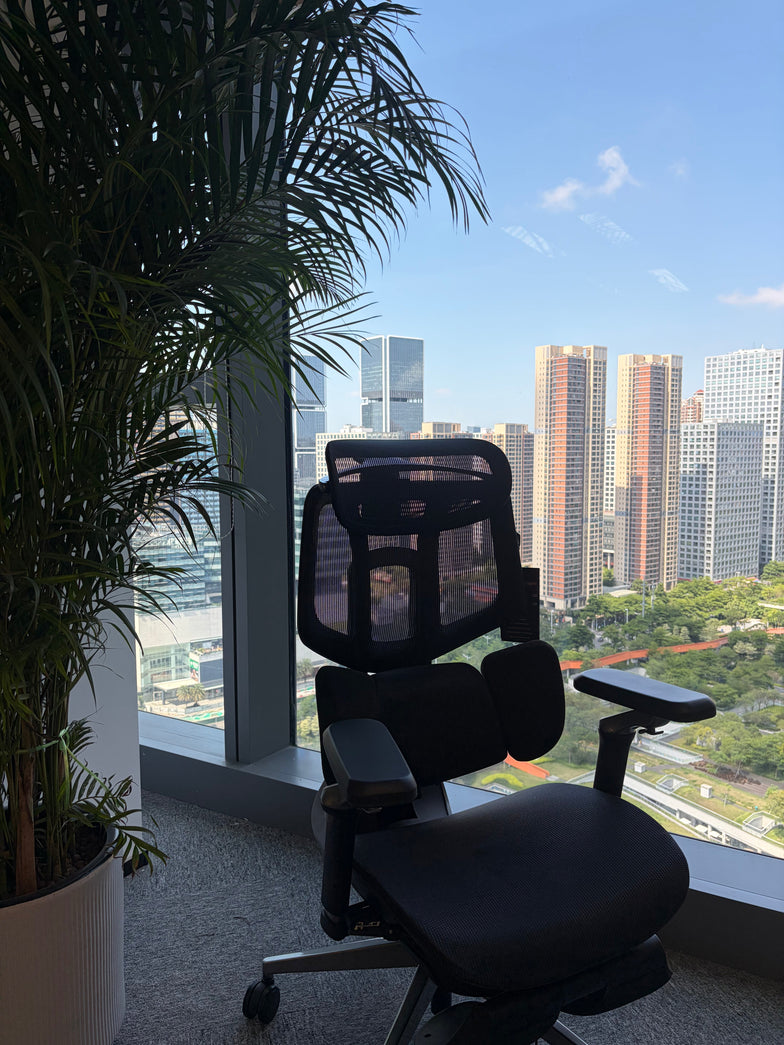
Hbada E3 Ergonomic Office Chair

Now, let's discuss the footrest. The material is highly satisfactory, appearing very premium. Its adjustments are smooth, although there is slight friction when retracting it.

The armrest adjustments are generally smooth, but the forward and backward adjustments are a bit tight, making it less convenient for those with less strength. While the armrests, main supporting structure, and back frame look premium, they are actually made of nylon. Although they support normal weight without issue, pressing down on the front end of the armrests causes slight wobbling. Unlike aluminum, nylon isn't as sturdy. If the material were upgraded to aluminum, it would significantly enhance the chair's value.

The headrest, with its stylish design and combination of painted finish, nylon, and aluminum materials, looks impressive. However, it occasionally gets stuck during adjustments, which doesn't meet my expectations for a flagship model in terms of material or feel.

The chair's height is friendly for shorter individuals, but it comes with a compromise: the five-star base appears to be aluminum but is actually made of steel, designed with a seamless, weld-free finish. The gas lift is a four-stage design by Qiang, a reputable domestic brand.

Summary

Overall, the Hbada E3 Ergonomic Office Chair offers a wide range of adjustment features and a very comfortable sitting experience. It is suitable for a broad audience, comfortably supporting individuals up to 240 pounds and those up to 188 cm in height. You can learn more about it or purchase the chair at Hbada.
Relevant Product

You May Also Like

Upgrading from Other Brands to Hbada: Experience the Difference in Bio-Synchronized Support Upgrading from Other Brands to Hbada: Experience the Difference in Bio-Synchronized Support Many people think their current office chair is good enough, but still end up with lower back pain after a full workday. Most traditional chairs, even expensive ones, use stiff frames and manual levers that keep you stuck in one position, causing fatigue over time. Switching to a more advanced chair gives you real support that moves with your body. Investing in bio-synchronized seating ensures your back remains continuously protected across every task, making it the best ergonomic office chair 2026 has to offer for long-term health and focus.   Static Posture vs. Dynamic Sitting: Why Traditional Chairs Fail To see why upgrading your chair matters, consider how sitting still compares to moving naturally. The Hidden Toll of Sustained Static Loading When analyzing dynamic sitting vs static posture, medical data highlights a clear problem with standard corporate furniture. Traditional task chairs keep your pelvis locked in a single position. This forces your paraspinal muscles to fire continuously to maintain balance, leading to rapid muscle fatigue, deep-tissue inflammation, and restricted blood circulation. Our advanced furniture lines fix this problem by incorporating a highly responsive anti-gravity recline mechanism. This custom structural system perfectly balances your physical center of mass, taking the heavy downward pressure off your hips and upper thighs. Transitioning to Continuous Movement To stay healthy during long hours at your desk, your body needs to move rather than stay stiff. Regular chairs only support you if you sit up straight the whole time. Our chairs use gravity-sensing systems that adjust the seat and backrest together as you move. This takes pressure off your spine, improves blood flow, and helps prevent pain from old-fashioned chairs.   The Bio-Synchronized Advantage: Real-Time Spine Tracking Traditional chairs make your body adjust to them, but our advanced models move with you and support your spine. How Bio-Synchronized Seating Optimizes Your Recline Pivot Our design is built around bio-synchronized seating. In a regular chair, leaning back pulls the backrest away from your lower back, leaving it unsupported. Our chairs use a special mechanism that moves the seat forward and down as you lean back, up to 140°. This keeps the lumbar support in contact with your lower back at every angle. Mechanical Adaptation: The HBADA E3 Pro If you prefer a pure mechanical workspace that does not require charging cables or manual adjustment knobs, the HBADA E3 Pro offers exceptional structural performance. This professional model uses our patented 3-zone adaptive lumbar support framework to protect your spine. The central zone stabilizes your vertebrae, while twin bionic adaptive backrest panels flex up to 40° automatically to wrap around your lower back muscles. Whenever you twist, lean to the side, or adjust your typing habits, the spring-loaded wings track your movements instantly, distributing your upper body weight evenly and providing a reliable ergonomic chair upgrade for back pain relief.   The Ultimate Premium Upgrade: Settle into the Hbada AI-Powered x7 If you want a chair that handles everything for you, our top model removes the need for any manual adjustments. Active Automated Posture Care The Hbada AI-Powered x7 represents the absolute peak of modern active office ergonomics. This advanced model replaces traditional mechanical springs with an integrated automotive-grade compute chip and microsecond-level Hall magnetic pressure sensors. As an office chair with active lumbar tracking, the Hbada AI-Powered x7 scans your exact sitting pressure 1,000 times per second. The chair’s system moves the lumbar support forward or back up to 50mm as needed. This keeps your pelvis upright and helps stop the slouching that can harm your back over time. Comprehensive Therapeutic Recovery Beyond automated posture correction, the chair functions as an active spinal decompression office chair by incorporating a professional therapeutic recovery suite into the mesh frame. Powered by a high-capacity, removable 5,200 mAh USB-C battery pack, the system features: · 8D Bionic Hand Massage: Dual-core mechanical rollers mimic the kneading motions of a professional masseur to relieve deep tissue tightness. · Graphene Heat Therapy: Built-in heating elements warm your lower back to 129°F, increasing blood circulation to stiff lumbar muscles. · Dual Fan Ventilation: Integrated 3,000 RPM fans pull fresh air through the mesh seat cushion, eliminating trapped body heat during intense tasks.   Beyond the Lower Back: Complete Mechanical Personalization To really protect your body, your chair should adjust to fit you from head to arms. Eliminating Shoulder Hunching and Neck Strain Standard office setups often overlook the strain on your upper body, leading to severe tension headaches and rounded shoulders. Our advanced seating configurations solve this by using an extra-wide, 4-way dual-axis headrest that precisely targets and cradles the cervical vertebrae. To complement this neck care, our chairs feature 720-degree, omni-adjustable armrests. These mechanical supports lift, widen, slide, and rotate a full 360°, letting you position your elbows comfortably whether you are typing on a keyboard, using a mouse, or reviewing a document on a tablet.   Technical Comparison Matrix: Hbada Tiers vs. Traditional Standards Performance Feature Standard Task Chair HBADA Mechanical Tier (E3 Pro) Advanced Smart Tier (X7) Ergonomic Strategy Rigid Static Support Adaptive Mechanical Alignment Automated Robotic Personalization Lumbar Mechanics Fixed Plastic Pad 3-Zone Spring-Loaded Floating Wings Motorized AI Active Tracking Recline Integration Manual Tension Knobs Weight-Sensing Recline Tension Posture Memory + Active Calibration Armrest Flexibility Basic 1D/2D Arms Multi-Axial 6-Way Adjustment 720 Degree Omni Adjustable Armrests Thermal Control Thick Foam Padding High-Elasticity CloudMesh Panel Dual 3,000 RPM Cushion Cooling Fans Therapeutic Care None Ergonomic Muscle Stabilization 8D Bionic Massage & Infrared Heat   Frequently Asked Questions (FAQ) Why does a bio-synchronized seating system perform better for back pain than standard foam chairs? Old foam chairs wear out, making your muscles work harder to keep your back straight. Bio-synchronized chairs always support your lower back, no matter how you sit. This spreads your weight, takes pressure off your spine, and helps prevent back pain. How long does it take for my body to adjust to an upgrade to an advanced ergonomic chair for back pain? Most people need about 7 to 14 days to get used to a new ergonomic chair. During this time, your back muscles adjust to better posture. After that, sitting with good support feels natural. Does the integrated technology on the Hbada AI-Powered x7 complicate daily operations? Not at all. The Hbada AI-Powered x7 is built to operate completely automatically. The internal sensors and active tracking motors read your height and weight distribution the moment you sit down, and handle the fine-tuning for you. You can adjust the heating, cooling fans, and bionic massage features using a simple side-mounted remote control. What is the structural advantage of an anti-gravity recline mechanism for office workers? Standard office chairs require you to manually adjust heavy tension knobs to change your recline angle. An anti-gravity recline mechanism features a built-in weight-sensing chassis that automatically reads your weight, applying the ideal resistance to keep your body balanced and weightless at any recline angle.   Conclusion When upgrading your workspace, you can either keep struggling with a stiff chair or choose one that supports you. If you want a strong, fully mechanical chair with flexible support, the HBADA E3 Pro is a reliable option. If you want a chair that adjusts on its own, the Hbada AI-Powered x7 is the answer. It uses strong materials and smart software to track your posture and help you stay healthy and focused. Prevent Hair in Chair Wheels: Maintenance Tips for Pet Owners & Long Hair Prevent Hair in Chair Wheels: Maintenance Tips for Pet Owners & Long Hair Learn how to get hair out of office chair wheels quickly. Master simple maintenance steps to prevent hair from getting caught in chair wheels for a smoother, cleaner workspace. Why Ergonomics is Your SMB’s Most Strategic Asset Why Ergonomics is Your SMB’s Most Strategic Asset Discover why ergonomic seating is a strategic growth asset for SMBs. Upgrade your existing workspace instantly with HBADA’s plug-and-play bulk solutions. No expensive design teams required. Get your corporate quote today.