
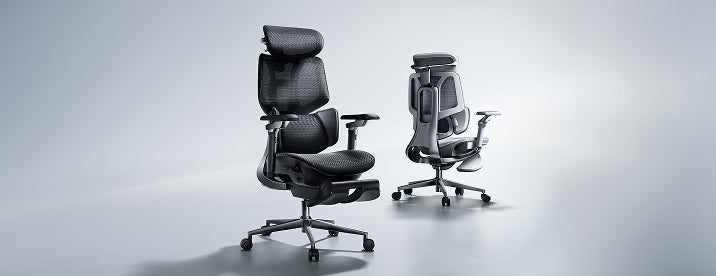


A desk that is too high can force you to lift your shoulders, reach upwards for the keyboard or raise your chair until your feet no longer rest comfortably on the floor. Replacing the entire desk is one option, but it is not always necessary. A suitable chair, footrest, keyboard tray or desk converter may allow you to adapt the workstation you already have.
Which Solution Is Best for a Desk That Is Too High?
The right option depends on your height, available space, budget and whether you want to alternate between sitting and standing. The comparison below provides a practical starting point.
| Setup | Best suited to | Main advantage | Important limitation |
|---|---|---|---|
| Raised chair and footrest | Fixed high desks and limited budgets | Simple and relatively affordable | The footrest must be stable and correctly positioned |
| Low chair and keyboard tray | Users who mainly work while seated | Brings the keyboard closer to elbow height | Does not provide a standing position |
| Chair and desk converter | Existing desks that cannot be replaced | Supports both sitting and standing | Monitor and keyboard heights may not adjust independently |
| Sit-stand desk and monitor arm | Long-term or shared workstations | Offers the widest adjustment range | Usually requires the largest investment |
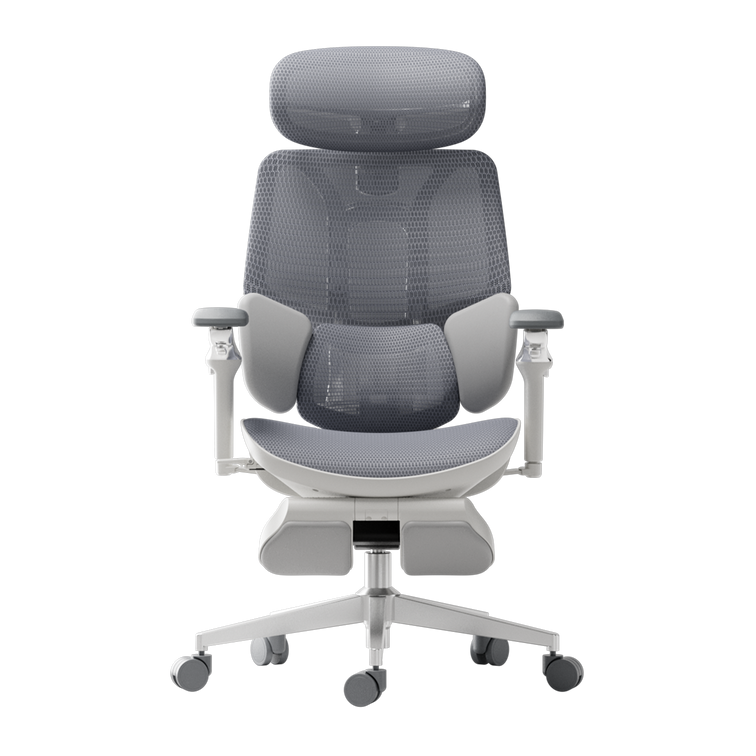
Medium-Height Chair with a Footrest
Best for: people who need a quick way to reach a fixed, higher-than-ideal desktop.
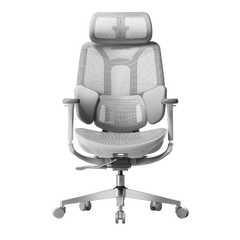
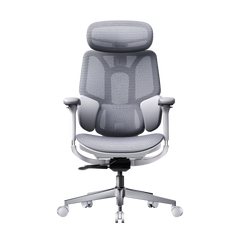
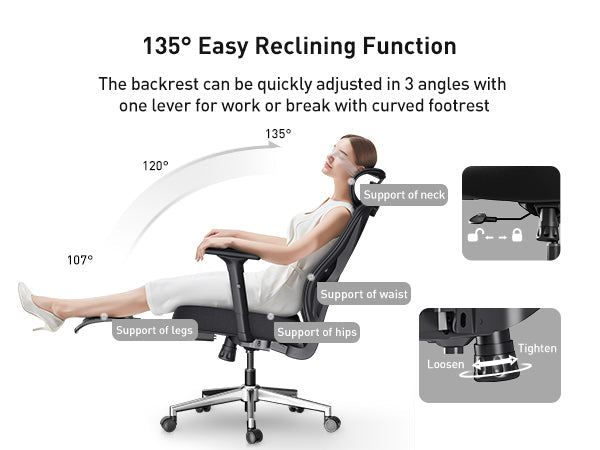
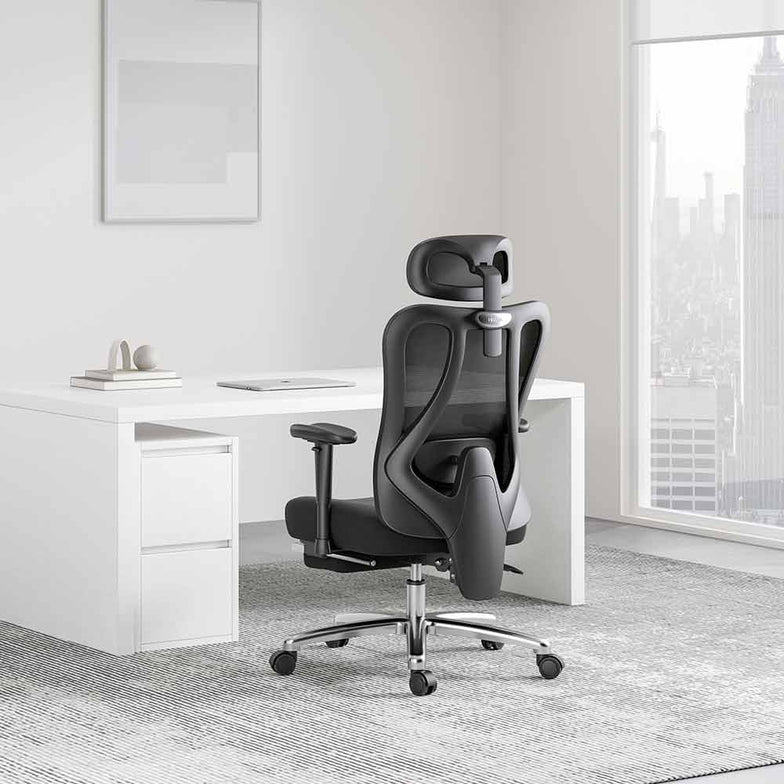
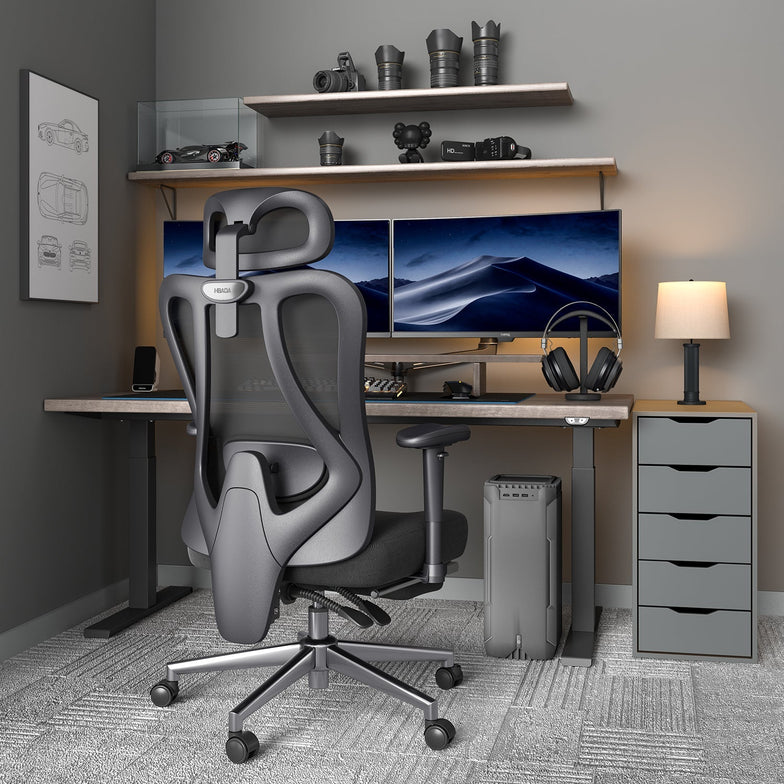
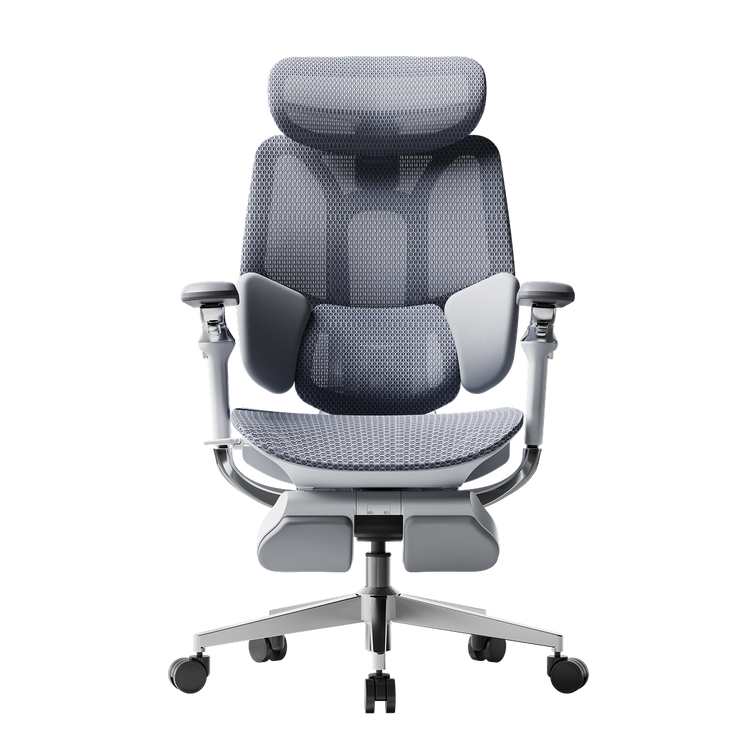
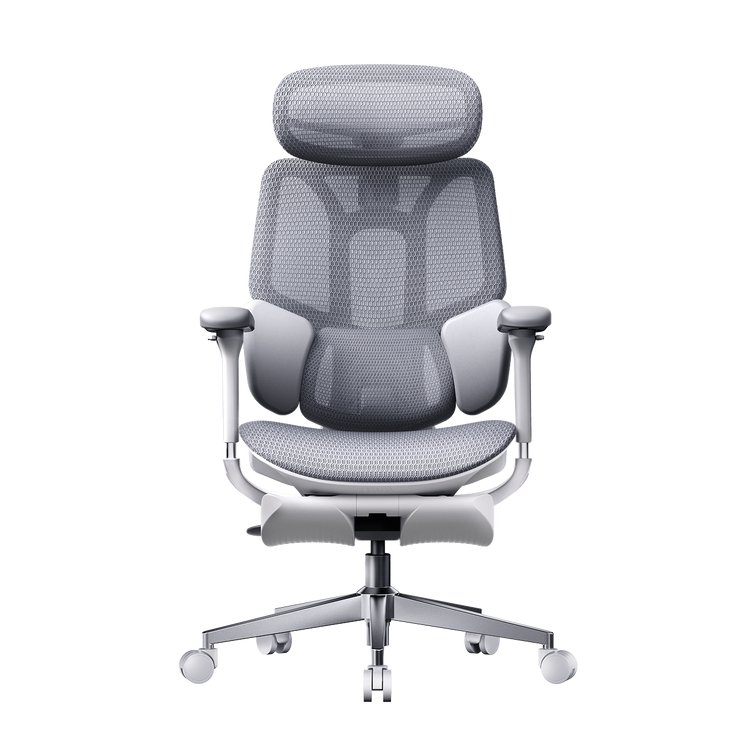
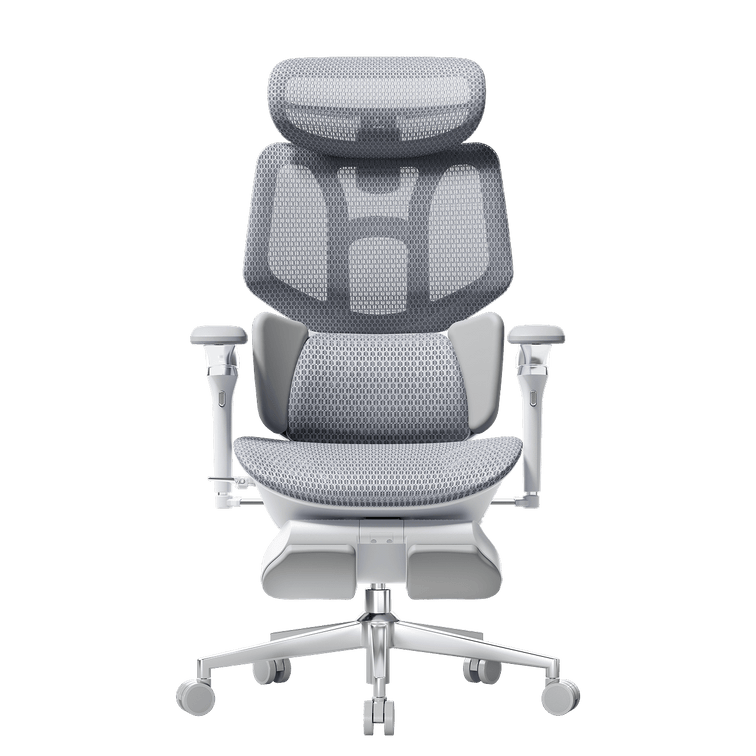
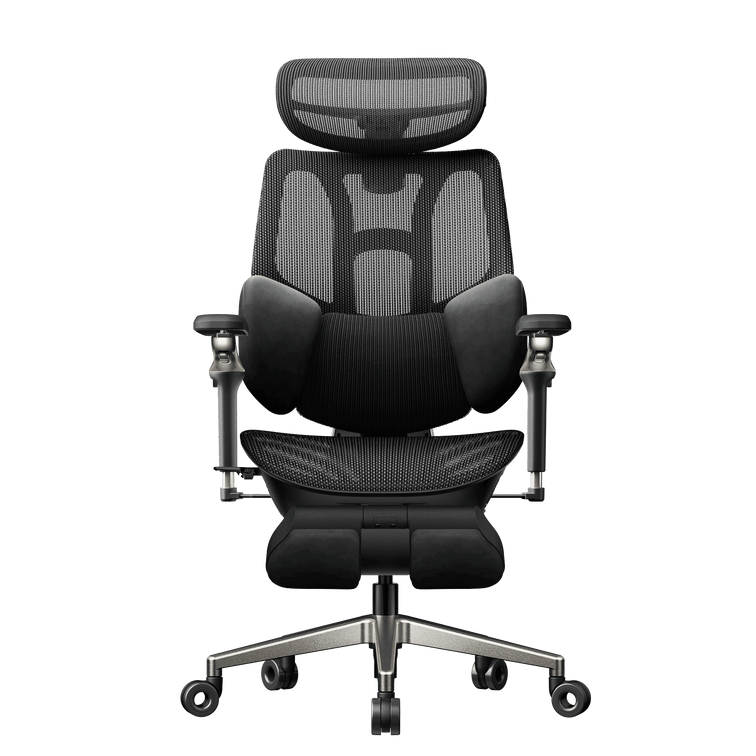
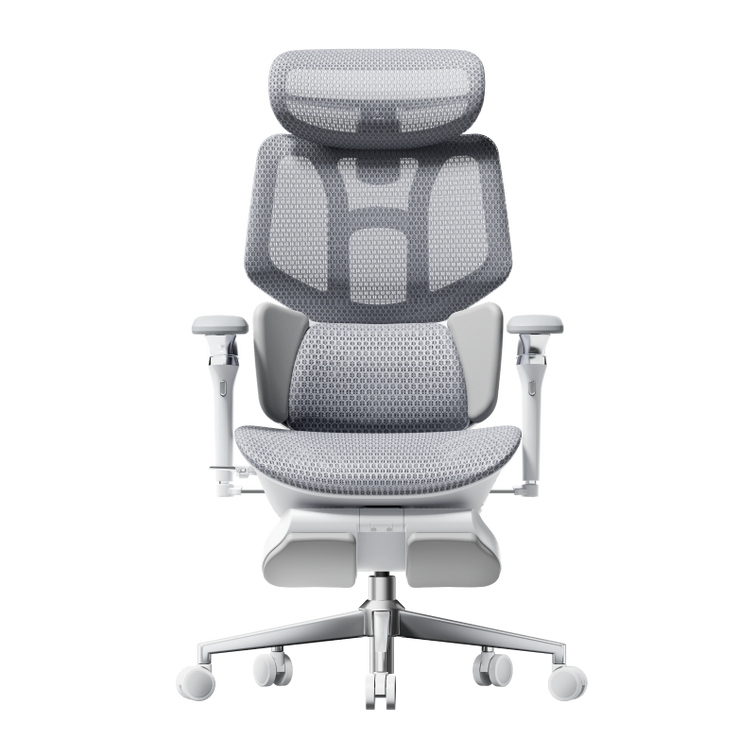
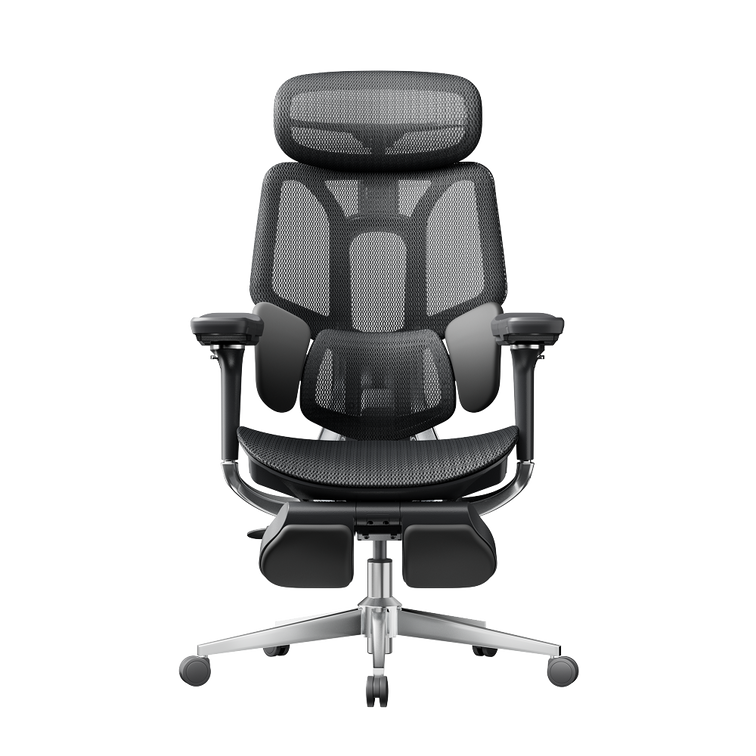
Raising the chair can bring your elbows and keyboard into a more comfortable relationship. If your feet no longer reach the floor, a properly sized footrest should support them rather than leaving them to dangle.
A chair fitted with a medium-height gas lift—approximately 12 to 13 cm, depending on the chair design—may provide the additional height required. Measurements vary between manufacturers, so check the complete seat-height range rather than relying only on the cylinder measurement.
- Raises the seated position without replacing the desk.
- A stable footrest provides support when the floor cannot be reached.
- Usually costs less than replacing the complete workstation.
- An unstable or undersized footrest may move during use.
- The chair should remain stable and suitable for its intended height range.
- This arrangement does not reduce the amount of time spent sitting.
Low-Height Chair with an Under-Desk Keyboard Tray
Best for: shorter users and seated workstations where the desktop cannot be lowered.

Instead of raising the user to the desk, an under-desk tray lowers the keyboard and mouse towards the user. This can make it easier to work with relaxed shoulders, elbows close to the body and wrists in a comfortable position.
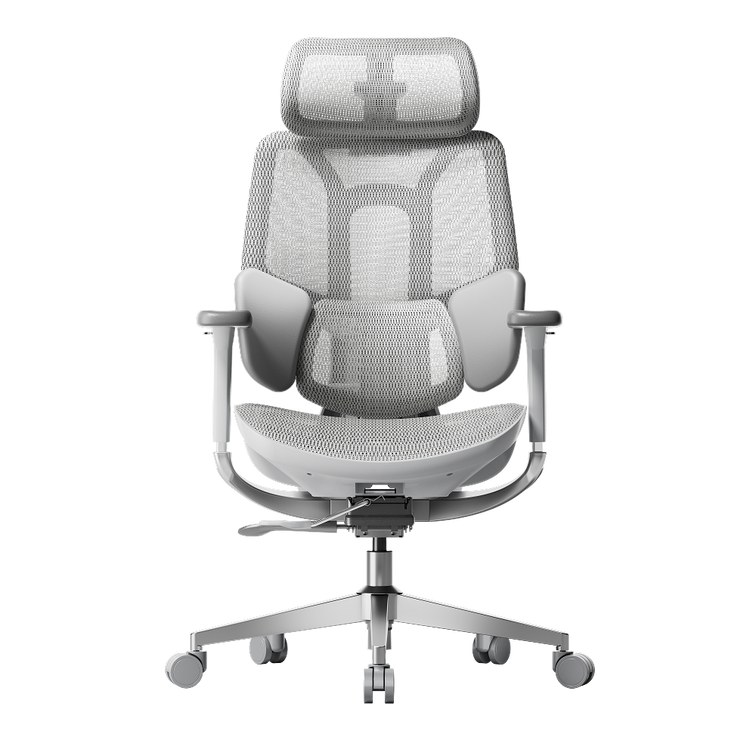
A lower chair configuration may also allow the feet to remain flat on the floor. Before installation, check that the tray provides enough room for both the keyboard and mouse and does not reduce knee clearance.
- Moves the keyboard closer to the user instead of forcing the arms upwards.
- May suit people who cannot comfortably reach the floor from a raised chair.
- Can free additional working space on the main desktop.
- A narrow tray may leave insufficient room for the mouse.
- Some trays can reduce legroom beneath the desk.
- A fixed seated setup should still be combined with regular movement and changes of activity.
Low-Height Chair with a Desk Converter
Best for: adapting an existing desk for both seated and standing work.

A desk converter sits on the existing desktop and raises or lowers the working surface. It can provide a relatively straightforward way to alternate between sitting and standing without purchasing a completely new desk.
When lowered, the converter should place the keyboard at a suitable seated height. When raised, it should allow you to work without lifting your shoulders or bending your wrists excessively.
- Allows changes between sitting and standing positions.
- Can be installed on many existing desks.
- Often costs less than a complete height-adjustable desk.
- The screen may be too low or too high if its position cannot be adjusted separately.
- The converter takes up desktop space and has a maximum weight capacity.
- The lowest setting may still be too high for some users.
Sit-Stand Desk with a Monitor Arm
Best for: permanent workstations that need a wide adjustment range.

A height-adjustable desk allows the working surface to be set for both seated and standing tasks. Adding a monitor arm makes it possible to adjust the screen independently from the keyboard and mouse.
This is usually the most flexible option for shared workstations or users whose equipment and working position change throughout the day.
- Provides separate adjustments for the desk, chair and screen.
- Accommodates a wider range of user heights.
- Makes it easier to vary posture and working position.
- Usually costs more than a footrest or keyboard tray.
- The desk still needs to be adjusted correctly in both positions.
- Standing continuously is not the goal; changing position regularly is more practical.
The Benefits of an Under-Desk Keyboard Tray
A keyboard tray can be useful when the desktop is too high but the chair is already correctly positioned for the user’s legs and feet. By lowering the keyboard and mouse, the tray can reduce the need to raise the shoulders or reach forwards.
A suitable tray should:
- provide enough room for the keyboard and mouse;
- allow the mouse to remain close to the keyboard;
- support a comfortable wrist position without forcing the wrists upwards;
- remain stable while typing or using the mouse;
- leave sufficient clearance for the knees and thighs; and
- fit the desk frame without interfering with drawers or support rails.
If drilling into the desk is unsuitable, a clamp-on tray may be an alternative. Check the desktop thickness, clamp capacity and available clearance before ordering. Models with two secure mounting points generally provide better resistance to sideways movement.
Ergonomic Setup Checklist for a Tall Desk
Check these seven points
- Keep the shoulders relaxed rather than lifted towards the ears.
- Position the keyboard around or slightly below elbow height.
- Keep the keyboard and mouse close enough to avoid reaching forwards.
- Support both feet on the floor or on a stable footrest.
- Leave a small gap between the seat edge and the back of the knees.
- Place the main screen directly in front of the user.
- Change posture and activity periodically instead of remaining fixed all day.
There is no single measurement that works for every person. Body proportions, equipment, desk construction and the type of work all affect the ideal setup. Make one adjustment at a time and check whether you can work without lifting the shoulders, stretching forwards or placing uncomfortable pressure behind the legs.
Frequently Asked Questions
What should I do if my desk is too high?
Adjust the chair until the keyboard is close to elbow height. If this leaves your feet unsupported, use a stable footrest. Alternatively, lower the keyboard with an under-desk tray rather than continuing to raise the chair.
How high is a standard office desk in Europe?
Many fixed office desks are approximately 72 to 75 cm high, although dimensions vary. A standard-height desk may still be too high or too low for an individual user, so the complete workstation should be adjusted to the person rather than relying only on the desk measurement.
Should I raise my chair if the desk is too high?
Raising the chair can help align the elbows with the keyboard, but the chair must remain stable and the feet must be supported. Use a footrest if the feet cannot rest flat on the floor.
Is a keyboard tray suitable for a tall desk?
Yes. A keyboard tray can lower the keyboard and mouse without changing the desktop. Choose a stable tray that accommodates both devices and leaves enough clearance for the user’s legs.
Is a desk converter better than a keyboard tray?
A desk converter is more suitable if you want to alternate between sitting and standing. A keyboard tray may be the simpler option when you mainly work while seated and only need to lower the keyboard and mouse.
Can an ergonomic chair fix a desk that is too high?
An adjustable chair can improve the relationship between the user and the desk, but it cannot correct every workstation mismatch. A footrest, keyboard tray, monitor arm or adjustable desk may also be required.
Can poor desk height cause repetitive strain symptoms?
Workstation layout, repeated movements, prolonged fixed postures and individual factors can all contribute to discomfort. If pain, tingling, weakness or other symptoms persist or worsen, seek advice from a qualified healthcare professional and request a workplace assessment where applicable.