
Blog

Cómo ajustar una silla ergonómica para mayor comodidad

Cómo ajustar una silla ergonómica para mayor comodidad

Ajusta con facilidad

Nuestras sillas ergonómicas te ayudan a encontrar tu posición ideal para sentarte — adaptada a tu cuerpo y flujo de trabajo — de forma rápida y natural.
Mira nuestros videos guía para consejos simples sobre cómo ajustar tu modelo específico.
¡Por días de trabajo mejores! 

Reloj Video de uso de la silla ergonómica HBADA E3 Pro

 No todas las sillas se sienten bien para todos los cuerpos. Si te sientas durante muchas horas, la forma en que configures tu silla puede hacer una gran diferencia en cómo se sienten tu espalda, hombros y piernas al final del día.

Por eso la ajustabilidad es importante. Una buena silla ergonómica debe ayudarte a sentarte de una manera que se sienta natural, apoyada y cómoda. En esta guía, repasaremos los principales ajustes de la silla y te mostraremos cómo lograr una mejor configuración para el trabajo diario.

Por qué es importante la ajustabilidad de la silla

Una silla que parece ergonómica no siempre es suficiente. Lo que realmente importa es si se adapta a tu cuerpo y a tu forma de trabajar. Cuando una silla puede ajustarse correctamente, puede ayudar a reducir la presión en la parte baja de la espalda, aliviar la tensión en los hombros y hacer que las sesiones largas de sentado sean menos cansadas.

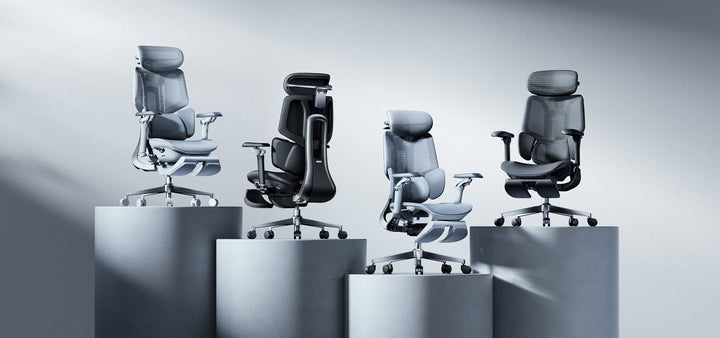
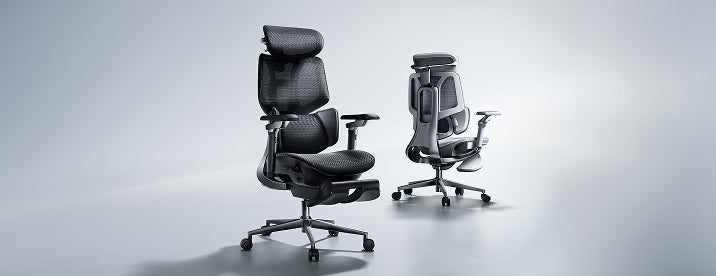
Esto es especialmente importante si trabajas en un escritorio la mayor parte del día. Cambios pequeños como la altura del asiento, el soporte lumbar y la posición del reposabrazos pueden afectar qué tan estable y relajado te sientes. Si buscas una silla diseñada con estos detalles en mente, la colección de sillas ergonómicas HBADA es un buen lugar para comenzar.

1. Ajusta la altura del asiento

Comienza primero con la altura del asiento. Tus pies deben descansar planos en el suelo y tus muslos deben mantenerse aproximadamente paralelos al suelo. Tus rodillas deben sentirse relajadas, no levantadas ni apretadas.

Si el asiento está demasiado alto, tus pies pueden quedar colgando y ejercer presión en la parte trasera de tus piernas. Si está demasiado bajo, tus caderas pueden quedar más bajas que tus rodillas y afectar tu postura. Ajustar bien la altura del asiento es una de las formas más sencillas de que tu silla se sienta mejor.

Si quieres ver cómo manejan esto las sillas HBADA, puedes consultar el Colección de sillas ergonómicas HBADA.

2. Ajusta la profundidad del asiento

La profundidad del asiento es fácil de pasar por alto, pero importa más de lo que muchas personas piensan. El objetivo es dejar un pequeño espacio entre el borde del asiento y la parte trasera de tus rodillas. Eso brinda suficiente apoyo a tus piernas sin crear presión.

Si el asiento se siente demasiado profundo, puedes terminar deslizándote hacia adelante o sentado demasiado lejos del respaldo. Si se siente demasiado superficial, tus muslos pueden no recibir el soporte que necesitan. Una profundidad de asiento adecuada te ayuda a sentarte de forma más natural y mantenerte cómodo por más tiempo.

Para sillas con más opciones de ajuste, HBADA’s sillas de oficina ajustables están diseñadas para dar a los usuarios más control sobre su posición al sentarse.

silla con cojín deslizante ergonómico rosa

3. Coloca correctamente el soporte lumbar

El soporte lumbar debe situarse en la curva natural de la parte baja de tu espalda. Debe sentirse de apoyo, no agresivo. Cuando está bien posicionado, ayuda a mantener tu columna en una forma más natural y reduce la necesidad de encorvarse.

Si el soporte está demasiado alto o demasiado bajo, puede sentirse incómodo y perder su efecto. Un pequeño ajuste puede hacer una gran diferencia. Para las personas que suelen sentir molestias en la parte baja de la espalda durante el día, esta suele ser la característica más importante.

Guía de ajuste lumbar de la silla HBADA P2 Ultra

Hbada E3 | Demostración de ajuste del soporte lumbar

Soporte lumbar con seguimiento inteligente completando la configuración ergonómica ideal de tu silla de oficina.

4. Ajusta los reposabrazos

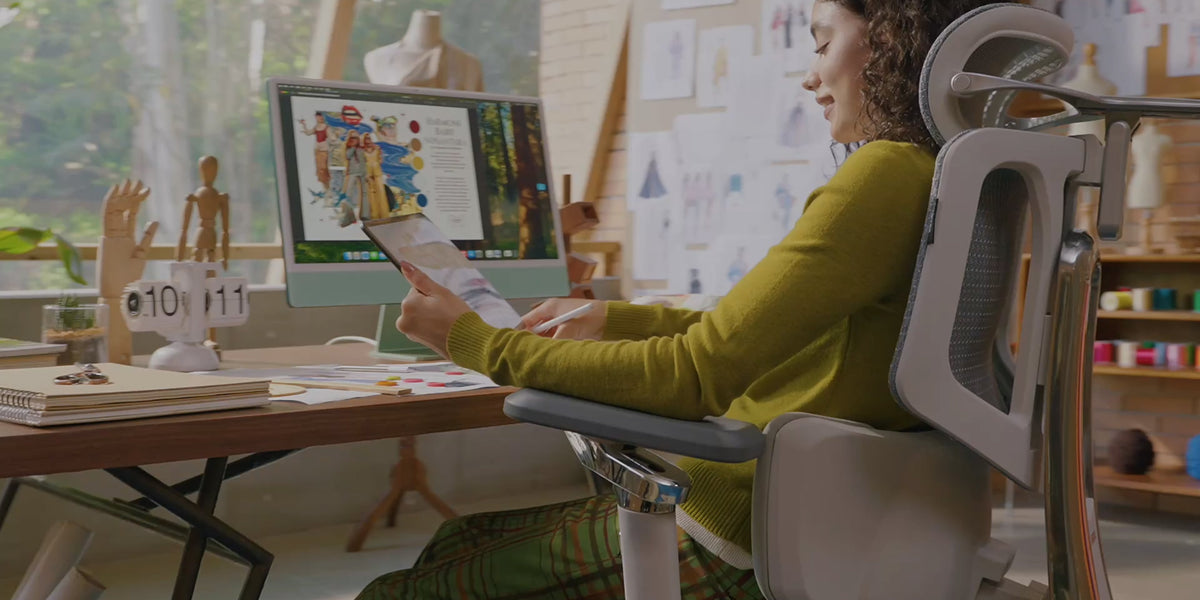
Los reposabrazos deben ayudar a que tus hombros se mantengan relajados. Cuando están bien ajustados, tus codos pueden descansar cómodamente cerca de tus costados y tus brazos se sienten apoyados mientras escribes o lees.

Si los reposabrazos están demasiado altos, tus hombros pueden empezar a elevarse. Si están demasiado bajos, tus brazos pueden no recibir suficiente soporte. La posición correcta ayuda a reducir la tensión en el cuello y la parte superior del cuerpo, especialmente durante largas sesiones de trabajo.

Si tu configuración necesita más flexibilidad, HBADA’s opciones de asientos ergonómicos incluyen sillas con reposabrazos ajustables diseñados para el uso diario.

5. Ajusta finamente la inclinación

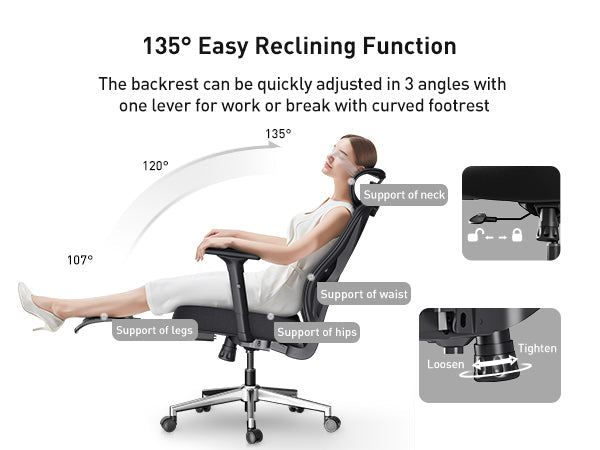
Reclinarse no es solo inclinarse hacia atrás. Te ayuda a cambiar de posición y reducir la presión que se acumula al estar sentado en una postura durante mucho tiempo. Un buen ajuste de inclinación debe moverse suavemente y sentirse controlado.

Si la resistencia está demasiado floja, la silla puede sentirse inestable. Si está demasiado apretada, reclinarse puede resultar rígido y antinatural. Una vez bien ajustada, la inclinación añade una sensación más relajada a tu jornada laboral sin sacrificar el soporte.

Hbada E3 | Demostración de la función de reclinación

Hbada E3 | Demostración de operación deslizante del chasis

 silla ergonómica rosa cerca de mí

6. Usa el reposacabezas cuando sea necesario

Si tu silla tiene reposacabezas, debe apoyar la parte trasera de tu cabeza o cuello cuando te recuestas. Nunca debe empujar tu cabeza hacia adelante. La posición correcta le da a tu cuello un lugar para descansar durante los descansos o momentos de trabajo ligero.

Un reposacabezas es especialmente útil si pasas muchas horas en tu escritorio o te gusta recostarte ocasionalmente durante el día. Añade otra capa de comodidad, especialmente cuando se combina con un soporte lumbar y reclinación adecuados.

Hbada E3 | Demostración de ajuste del reposacabezas

Cómo encontrar la configuración adecuada

La mejor configuración de silla no es única para todos. Depende de tu altura, la altura del escritorio, tus hábitos de trabajo y cuánto tiempo te sientas cada día. Una buena forma de empezar es ajustar una característica a la vez y notar cómo responde tu cuerpo.

En la mayoría de los casos, la altura del asiento es lo primero, seguido por la profundidad del asiento, el soporte lumbar, los reposabrazos y la reclinación. Una vez que estos están configurados, puedes hacer pequeños ajustes hasta que la silla se sienta natural. Si una silla tiene suficiente flexibilidad, es mucho más fácil crear una configuración que funcione para ti.

Video de uso de la silla ergonómica HBADA E3 Pro

 Quién se beneficia más de la ajustabilidad

Las sillas ajustables son especialmente útiles para personas que:

Trabaja muchas horas en un escritorio.

Quiere un mejor soporte lumbar.

Comparte una silla con otros.

Alterna entre trabajo concentrado y sentarse relajado.

Prefiere una experiencia de asiento más personalizada.

 ~escena

Por eso HBADA diseña sillas pensando en la ajustabilidad. El objetivo no es solo la comodidad por unos minutos, sino un soporte que dure durante toda la jornada laboral.

Una silla debería facilitar sentarse, no hacerlo más difícil. Cuando los ajustes están correctamente configurados, puedes mejorar la comodidad, reducir la tensión y mantenerte más concentrado durante todo el día. Ay HBADA siempre está aquí para ayudar, ya sea antes o después de la venta.

Si buscas una silla que te brinde más control sobre cómo te sientas, vale la pena explorar la colección de sillas ergonómicas de HBADA. Comienza con las características que más importan y crea una configuración que se adapte a tu cuerpo, tu escritorio y tu rutina.
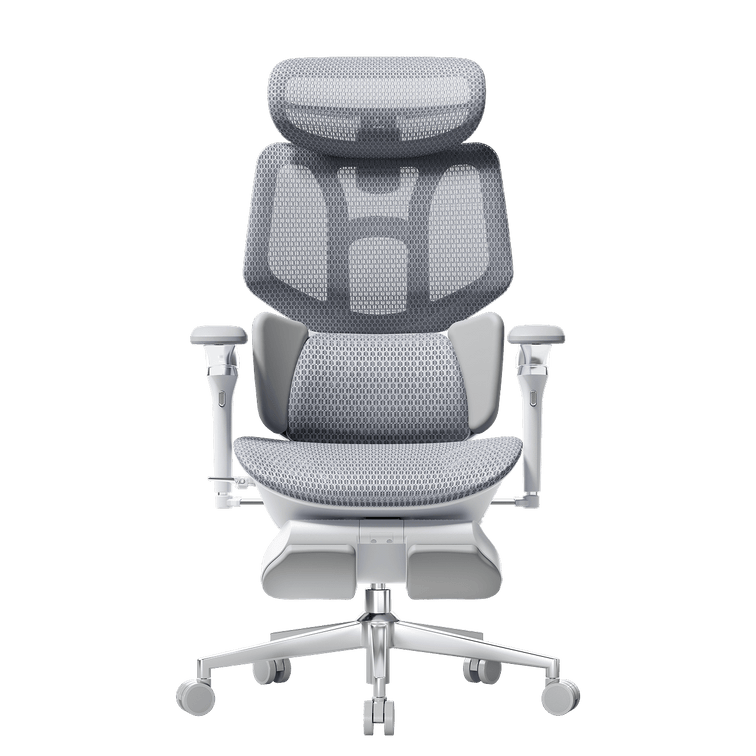
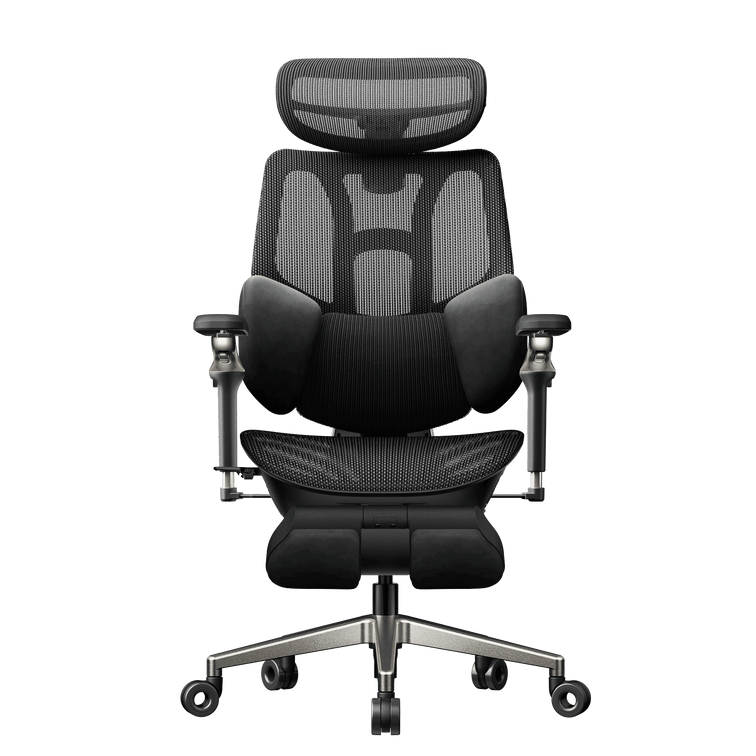
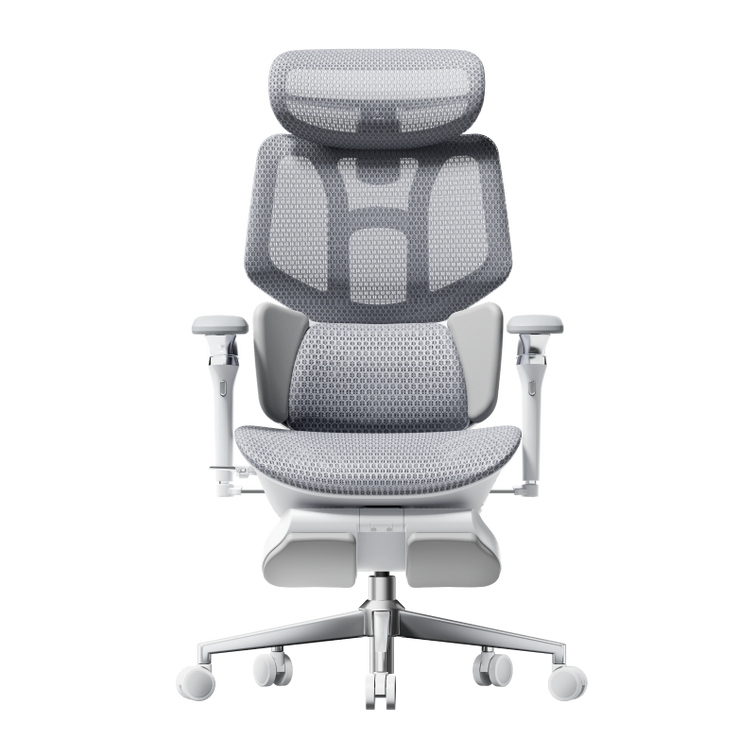
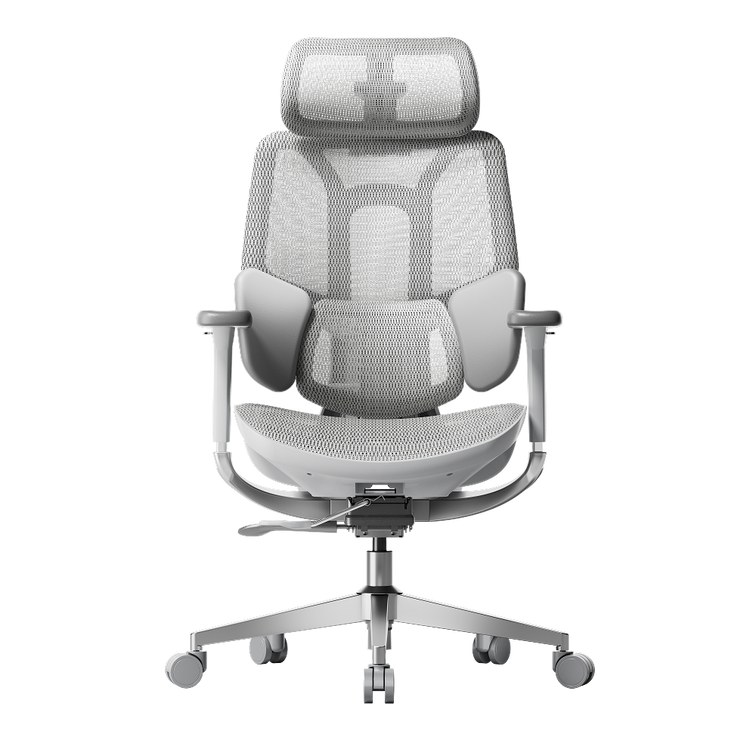
Producto relevante

También te puede gustar

How to Clean a Mesh Ergonomic Office Chair Without Damaging the Material How to Clean a Mesh Ergonomic Office Chair Without Damaging the Material Safe, simple care for mesh, spills, stains, casters and smart-chair components. Quick answer: Remove dust with a soft dry cloth or a vacuum on a low setting. Blot spills with a well-wrung cloth and mild soapy water, then let the mesh air-dry naturally. Avoid bleach, hot water, solvents and abrasive cleaners. Contents What can damage mesh? How to remove everyday dust How to clean spills and stains Frame, armrests and casters Cleaning methods at a glance How to clean a smart chair Safe deep-clean routine HBADA chair care FAQs What Can Damage a Mesh Chair? Mesh is designed to breathe and flex, but it can be damaged by unsuitable cleaning methods. Bleach, strong chemicals, solvents, hot water and abrasive cleaners can weaken or discolour the fibres. Stiff brushes and hard scrubbing can also snag or stretch the weave. Keep the chair out of prolonged direct sunlight, do not soak the mesh, and avoid spraying liquid directly onto it. Regular light cleaning is safer than occasional heavy cleaning. How Do You Clean Everyday Dust? Use a soft dry cloth Wipe the mesh with a dry microfiber cloth to remove surface dust, lint and light debris. Vacuum on a low setting If dust is caught in the weave, use gentle suction and move across the surface without pressing into it. A short weekly clean helps prevent dust and skin oils from building up, particularly when the chair is used every day. How Do You Clean Spills and Stains? For a fresh spill, dampen a soft cloth with mild soapy water and wring it out well. Blot the area from the outside of the mark toward the centre so it does not spread. Do not soak the mesh or scrub hard. For a stubborn mark, test an alcohol wipe on a hidden area first, then dab gently. Let the chair air-dry completely in a ventilated room before use. How Do You Care for the Frame, Armrests and Casters? Use a separate soft, damp cloth for the frame, armrests and base. Keep water away from the gas lift, recline mechanism and other moving parts. Never attempt to open the gas cylinder. Casters can collect hair and dust over time. Remove anything wrapped around the wheels, then wipe them clean so the chair can move smoothly. Cleaning Methods at a Glance What to Clean Safe Method What to Avoid Everyday dust Soft dry cloth or low-suction vacuum Hard brushing or scratching the mesh Fresh spills Blot with mild soapy water Soaking or rubbing the mesh Stubborn marks Spot-test, then dab gently Bleach, hot water or solvents Frame and armrests Soft damp cloth Abrasive or harsh cleaners Casters Remove hair and debris, then wipe Forcing debris deeper into the wheel How Do You Clean a Smart Chair With Electronics? Important: Switch the chair off and follow its supplied care instructions before cleaning around powered components. Use a dry cloth around controls, sensors, fans, batteries and powered adjustment areas. Never spray liquid directly onto the chair. Clean the mesh and non-electronic surfaces gently, then allow the chair to dry completely before use. Step by Step: A Safe Deep Clean Switch off a smart or powered chair before cleaning. Vacuum or dry-dust the mesh to remove loose debris. Mix a small amount of mild soap with lukewarm water. Dampen and thoroughly wring out a soft cloth. Blot the mesh without soaking it. Spot-test before treating stubborn marks. Wipe the frame, armrests and base separately. Remove hair and dust from the casters. Let the chair air-dry away from direct sunlight. Which HBADA Chairs Does This Apply To? This guide is suitable for HBADA mesh office chairs sold through HBADA EU, including the E3 Pro and X7 Prestige. For an E3 Pro, regular care means keeping the mesh clean and keeping moisture away from the gas lift and mechanism. For a smart or powered model, follow the model-specific guidance before cleaning around controls or powered areas. Frequently Asked Questions Can you wash a mesh office chair? You can clean it, but you should not soak it. Vacuum or dry-dust the mesh first, blot it with mild soapy water, and let it air-dry completely. What should you not use to clean a mesh chair? Avoid bleach, hot water, solvents, abrasive cleaners, stiff brushes and hard scrubbing. These can weaken, discolour or snag the mesh. How do you remove a stain from mesh? Blot the stain with a well-wrung cloth and mild soapy water. For a stubborn mark, spot-test an alcohol wipe first, then dab gently rather than scrub. How often should you clean a mesh office chair? Dust or vacuum the mesh once a week, deal with spills promptly, and carry out a deeper clean whenever needed. Does cleaning damage mesh over time? Not when it is done gently. Mesh damage usually comes from harsh chemicals, excess water, heat or heavy scrubbing. Sources HBADA EU E3 Pro Ergonomic Office Chair HBADA EU X7 Prestige Smart Ergonomic Chair HBADA EU FAQs ``` How to Set Up an Ergonomic Office Chair for Laptop Work How to Set Up an Ergonomic Office Chair for Laptop Work A more comfortable home office Start with the chair, then separate screen height from typing height. Adjust your seat to the desk, support your feet and lower back, and keep your shoulders relaxed. For longer laptop sessions, use a stand with a separate keyboard and mouse so you can position the screen without lifting your arms to type. In this guide The laptop setup challenge Five chair adjustments Screen and keyboard position Common problems and fixes Your setup checklist Choosing an HBADA chair Limitations and when to get help Final thoughts Frequently asked questions Sources Why Can Laptop Work Feel Uncomfortable? A laptop is easy to move between rooms, but its screen and keyboard remain joined together. A comfortable keyboard position can leave the screen too low. Raising the laptop may improve the view while making the keys harder to reach. An ergonomic office chair helps you build a supported sitting position. It does not solve this screen-and-keyboard trade-off on its own. For regular work at one desk, a separate keyboard and mouse allow more flexibility. Whether your workspace is a dedicated home office or a shared desk, check how the chair, work surface and laptop fit together. Comfortable working also depends on changing position, not holding one posture all day. How Should You Set Up the Chair First? Use the keyboard position and desk height as your starting points. Then adjust the chair to support you without making you reach or raise your shoulders. Step 01 Match the seat height to the work surface Adjust the seat until you can type with your shoulders relaxed, elbows close to your body and wrists roughly straight. If the desk height is adjustable, use both adjustments to find a comfortable position. Step 02 Support your feet Your feet should rest securely on the floor or a suitable footrest. If a fixed desk requires a higher seat position, a footrest can bridge the gap without forcing you to lower the chair below a comfortable typing height. Step 03 Check the seat depth Sit against the backrest and check the space behind your knees. Around two to three fingers is a useful starting point. If the model allows seat-depth adjustment, use it to avoid pressure from the front edge. Step 04 Align the lumbar support Position the support against your lower-back curve. It should not feel as though it is pushing you away from the backrest. Adjust the available settings gradually and recheck them during normal work. Step 05 Keep the armrests clear of the desk Set the armrests for light support with relaxed shoulders. Make sure they do not stop you moving close enough to the keyboard. Lower or reposition them if they catch on the desk edge. How Should You Position the Laptop Screen and Keyboard? With the chair adjusted, place the laptop on a stable stand and connect a separate keyboard and mouse. Start with the top of the screen at or just below eye level, roughly an arm's length away. Adjust text size and screen distance until you can read without moving your head forwards. Place the mouse beside the keyboard, rather than far to one side, and keep enough desk space for comfortable use. Working without extra equipment? Avoid raising the built-in keyboard to a height that makes you lift your shoulders. Keep the laptop in a manageable typing position and change tasks or take breaks regularly. A stand and separate input devices are worth considering when the same space becomes your everyday workstation. Common Laptop Setup Problems and Their Fixes Use these checks to review your workspace. They do not identify the medical cause of pain or discomfort. What you notice What to check Adjustment to try You look down for long periods Screen height and readability Use a stand with an external keyboard, and adjust text size. You lift your shoulders to type Keyboard and seat height Rebalance the chair and desk heights while keeping your feet supported. Your feet do not reach the floor Desk height and foot support Add a stable under-desk footrest if the working height requires it. You sit on the front edge of the seat Equipment reach and seat depth Move the keyboard closer and check whether you can use the backrest. Your armrests hit the desk Armrest height and width Lower or reposition them to allow closer access. You feel stiff after a long session Time spent sitting still Change position and include short walking or standing breaks. Your Laptop Workstation Checklist Adjust the seat for comfortable access to the keyboard. Keep both feet securely supported. Leave room behind your knees. Set the lumbar support against your lower back. Check that the armrests do not prevent desk access. Use a separate keyboard and mouse when raising the laptop. Adjust screen distance and text size for easy reading. Make time for movement and changes of task. Which HBADA Chair Suits Laptop Work? The right model is the one that fits both you and your desk. Before choosing from the HBADA EU office chair range, compare the adjustments available on the exact product and configuration. If you are considering an E3 or X7 model, check its regional product information rather than relying on specifications from another market. Seat dimensions, adjustment options and footrest availability should be confirmed for the version you intend to order. What to compare What to look for Seat-height range A suitable working height for your desk with stable support for your feet. Seat dimensions Enough room to sit comfortably while reaching the backrest. Lumbar support A support position and adjustment range that suit your lower back. Armrest adjustments Comfortable forearm support without blocking access to the work surface. Footrest type Distinguish a reclining leg rest from a footrest used during upright typing. Regional configuration Confirm the selected model, dimensions, capacity and availability on HBADA EU. No chair feature removes the need to position the laptop correctly. Reserve space in your setup for a stable stand, keyboard and mouse as well as the chair. Limitations and When to Get Help Chair adjustments support your working position; they do not treat medical conditions. Screen placement and equipment reach still need separate attention. A reclining position is not automatically suitable for keyboard work at a fixed desk. Speak to a qualified healthcare professional if discomfort persists or becomes severe. For an employer-provided workstation, ask about the assessment and guidance applicable in your country. Final Thoughts A practical laptop workstation starts with a chair that fits the desk and supports your feet and back. Keep the keyboard close, position the screen independently where possible, and check that your armrests do not get in the way. Small adjustments are useful, but regular movement remains part of the setup. Frequently Asked Questions How should you sit when working on a laptop? Sit back with your lower back supported and your feet stable. Keep your shoulders relaxed and the keyboard close enough to reach without leaning forwards. A separate keyboard and mouse allow you to raise the screen while keeping a comfortable typing height. Do you need a footrest for laptop work? Only if your feet lack stable support at the seat height needed for your desk. Check the chair and desk adjustments first. If the desk is fixed and your feet still dangle, an under-desk footrest can help support them. Is an ergonomic chair enough for working on a laptop all day? No. The chair supports your sitting position, but screen height, keyboard reach and movement breaks also matter. For regular desk work, consider a laptop stand with a separate keyboard and mouse. Can you use the same setup at a dining table? Check the table height, legroom and how close the chair can move to the edge. If the surface is too high, raising the chair may require a footrest. A table that prevents comfortable keyboard access may not suit extended work, even with an adjustable chair. How often should you move during laptop work? Include short, regular opportunities to move rather than staying in one position until you feel uncomfortable. Stand, walk or switch tasks when practical. Follow any workstation guidance provided by your employer and applicable in your country. Sources and Product Information HSE: Working with display screen equipment — a UK practical reference, not a statement of legal requirements across the EU. HBADA EU: Current office chair range and product information Availability and specifications vary by model and configuration. Use the relevant HBADA EU product page to check the version available for your delivery location. How to Choose the Right HBADA Task Chair for Your Office How to Choose the Right HBADA Task Chair for Your Office A task chair is the piece of furniture you use through meetings, focused work and everyday desk tasks. Choosing the right one means matching its adjustments, materials and support to your body and the way you work. Which task chair should you choose? Consider the HBADA X7 for automatic lumbar tracking and powered comfort features. Compare the E3 Pro for adjustable lumbar support and the E3 Air for breathable everyday seating. If a footrest and reclined breaks matter to you, check the available E3 Ultra configuration. Your dimensions, preferred controls and budget should guide the final choice. Contents What is a task chair? Features to look for HBADA task chair comparison HBADA X7 HBADA E3 Pro HBADA E3 Air HBADA E3 Ultra HBADA P2 Choose by work style Task chair setup tips Frequently asked questions Final thoughts What Is a Task Chair? A task chair is an office chair designed for focused work at a desk. It commonly includes adjustable seat height, a swivel base and other adjustments that help accommodate different users and working positions. The term covers a broad range of chairs. A basic model may offer only seat-height adjustment, while an ergonomic task chair may also provide adjustable lumbar support, armrests, seat depth and recline. Compare the actual controls rather than choosing by appearance alone. Features to Look for in a Task Chair Lumbar Support Lumbar support should feel comfortable against the lower back. Height, depth or adaptive movement can help different users find an appropriate position. More pressure is not necessarily better: the support should not push you away from the backrest or create an uncomfortable pressure point. Seat Height and Depth Check the seat-height range and usable seat depth in centimetres. Your feet should have support, and the front edge should leave space behind your knees. A recommended user-height range is only a starting point because people of the same height can have different body proportions. Breathable Materials Mesh allows airflow, but the feel of the seat also matters. Consider its firmness, edge shape and support alongside breathability. If possible, assess the chair during ordinary desk tasks rather than judging comfort from a brief sit. Recline and Movement Compare how the recline works, the available lock positions and any tension adjustment. A larger maximum angle is not automatically more useful for typing or meetings. Choose controls that suit both focused work and changes of position. Armrest Adjustment Check whether the armrests can sit at a comfortable height and clear your desk. Width, depth and rotation adjustments may also help, depending on your keyboard, mouse and other daily tasks. Build, Capacity and After-Sales Support Compare the stated weight capacity in kilograms, assembly instructions and replacement-part support. Read the EU warranty and return terms for the exact model before ordering. HBADA Task Chair Comparison Model Why consider it? What to confirm HBADA X7 Automatic lumbar tracking and powered comfort features. Seat dimensions, controls and power requirements. HBADA E3 Pro Adjustable support for a primary desk-work chair. Edition, lumbar adjustments and selected footrest option. HBADA E3 Air Breathable mesh and everyday ergonomic adjustments. Edition, armrest controls and footrest configuration. HBADA E3 Ultra An alternative for users comparing additional comfort and adjustment options. The current EU model’s features, recline and footrest details. HBADA P2 An option to assess if the required EU variant is available. Current listing, specifications, price and local support. Edition and availability note: E3 Pro and E3 Air listings may include different generations, including 2026 editions. Do not assume identical specifications across editions. Prices in euros, colours, stock and footrest options depend on the selected configuration and delivery destination. Automatic support HBADA X7: For Users Who Prefer Powered Adjustment The HBADA X7 Smart Ergonomic Chair is the technology-focused option in this comparison. Its EU product page describes automatic lumbar tracking, seat ventilation and massage functions. Consider it if you prefer automatic lumbar support to repeated manual adjustment. Check the controls and seat dimensions carefully: powered features do not replace the need for a chair that fits your body and desk. Consider the X7 if: You prefer automatic lumbar tracking. Seat ventilation matters in your workspace. You want powered comfort functions. The dimensions and operating requirements suit your setup. Adjustable lumbar support HBADA E3 Pro: For a More Adjustable Seated Setup The HBADA E3 Pro Ergonomic Office Chair is worth comparing if lumbar support and adjustable seating are priorities. Check how the support contacts your back and which adjustments are available on the selected edition. The Pro name appears across different configurations. Compare the exact product rather than transferring specifications from another market or generation. Consider the E3 Pro if: Lumbar fit is a priority when choosing a chair. You want to adjust the seating position to your desk. You alternate between focused work and reclined breaks. You have compared the available E3 Pro editions. Everyday mesh seating HBADA E3 Air: For Everyday Office Work The HBADA E3 Air Ergonomic Office Chair combines breathable mesh with lumbar, headrest and armrest adjustment. The linked EU listing describes a recline of up to 140°. It is a model to compare when you want everyday ergonomic controls without making powered comfort functions the focus of the purchase. Check the selected version carefully, including whether it has a footrest. Consider the E3 Air if: You prefer breathable mesh seating. You want adjustments for ordinary desk work. You are comparing value within the E3 range. You have checked the current price and chosen edition. Work and seated breaks HBADA E3 Ultra: Check the Current EU Configuration Include the HBADA E3 Ultra in your shortlist if you are comparing comfort features for desk work, reading and short seated breaks. Use the current EU listing to confirm its adjustment system, recline range and whether the selected configuration includes a footrest. Specifications from a similarly named .com product should not be treated as interchangeable. Consider the E3 Ultra if: You want to compare additional comfort features. You use your chair for both work and reading. The selected configuration includes the features you need. The required variant is available for your destination. Availability-dependent option HBADA P2: Confirm EU Availability First If you are considering the P2 for an occasional or secondary workspace, first confirm that an appropriate EU variant is available. Lumbar support, armrests, recline and footrest specifications should be checked on that exact listing. If the P2 is not listed in the current EU range, contact service@hbada.eu before relying on pricing or specifications from another market. Consider the P2 only after confirming: The model is available for your delivery country. The seat dimensions and adjustment range fit your needs. The selected variant includes your required features. EU after-sales support and applicable terms are clear. Choose a Task Chair by Work Style There is no single best task chair for every office. Identify the adjustments you will actually use before comparing additional features. Long desk sessions: Prioritise fit, usable adjustments and ease of changing position. Compare X7 automatic support with the controls offered by E3 models. Everyday home-office work: Compare E3 Air and E3 Pro against your desk height, body dimensions and budget. Reading and short reclined breaks: Check recline controls and the exact footrest configuration, including E3 Ultra options. A secondary workspace: Focus on essential fit and adjustments. Consider P2 only when EU availability and specifications are confirmed. For a shared workspace, choose controls that each user can understand and reach. Check the minimum and maximum dimensions rather than assuming one saved position will suit everyone. Task Chair Setup Tips Set the seat height. Keep your feet supported by the floor or a suitable footrest. Check the seat depth. Sit back and leave a small gap between the seat edge and your knees. Position the lumbar support. Adjust it gradually and avoid excessive pressure. Set the armrests. Support your forearms without lifting your shoulders or blocking access to the desk. Check keyboard and mouse reach. Keep both within comfortable reach during your usual tasks. Adjust the screen. Position it so you can read without repeatedly leaning forward or bending your neck. Change position regularly. Combine seated work with movement and changes of activity. Frequently Asked Questions Which HBADA task chair should I consider for long desk sessions? Compare the X7 if you prefer automatic lumbar tracking, or E3 models if their adjustments better match your needs. Seat fit, desk compatibility and preferred controls matter more than the number of features. Which chair should I choose if lumbar support is my priority? Start by comparing the E3 Pro’s support and adjustments with the X7’s automatic tracking. Choose the option that makes comfortable contact with your lower back without pushing you into an awkward position. Is the E3 Air a value-focused option? The E3 Air is an option for buyers prioritising breathable seating and everyday adjustments. Compare current EU prices and editions before deciding which model offers the features you need within your budget. Does every HBADA task chair include a footrest? No. Footrest availability depends on the model and selected configuration. Check the option shown on the product page and in your basket before ordering. Do I need the deepest possible recline? Not necessarily. Compare the lock positions, movement and support you can use during work. A deeper recline may suit short breaks, but the maximum angle alone does not determine whether a chair is a good fit. Can a task chair treat back pain? A task chair is not a medical treatment. A suitable setup may feel more comfortable, but persistent, severe or worsening pain should be assessed by a qualified healthcare professional. Are EU and US versions always the same? Do not assume that they are. Model names, editions, configurations and availability can differ. Use the EU product page and applicable EU terms for your purchase. Final Thoughts Choosing a task chair starts with fit. Compare the seat dimensions, lumbar support and controls against your body, desk and everyday routine. Shortlist the X7 for automatic support, the E3 Pro for adjustable seating and the E3 Air for everyday mesh comfort. Check the current E3 Ultra configuration if additional comfort features matter to you, and confirm local availability before considering the P2. Compare the current EU range, select the exact edition and configuration, and review delivery, returns and warranty information for your destination before ordering. Explore HBADA EU Office Chairs Product links refer to HBADA EU listings. Features and availability may change by edition and configuration. This guide is a product-selection overview, not a hands-on comparative test.