

Last updated: July 2026
If you are building a premium home office, HBADA and Herman Miller may both appear on your shortlist. However, the two brands approach ergonomic seating differently.
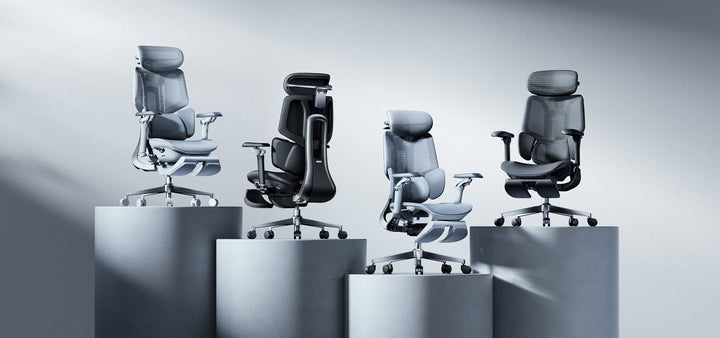
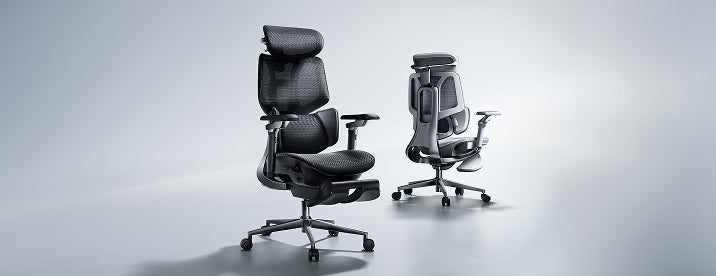
Herman Miller is known for established task-chair designs such as the Aeron and Embody, while HBADA offers highly adjustable chairs such as the E3 series and technology-focused models such as the X7. The better choice depends on whether you prioritize an established task-chair platform, integrated relaxation features, powered functions, sizing options or budget.
How We Compared the Brands
This article compares publicly listed characteristics across representative models rather than claiming that every chair from one brand has the same features. The main reference products are:
- HBADA E3 Ultra and HBADA X7
- Herman Miller Aeron and Herman Miller Embody
We considered lumbar support, seat and armrest adjustment, recline, headrest and footrest availability, powered features, sizing and published warranty information. This is not a laboratory test or a medical assessment.

HBADA vs Herman Miller at a Glance
| Comparison area | HBADA E3 Ultra / X7 | Herman Miller Aeron / Embody |
|---|---|---|
| General approach | Extensive adjustment, integrated head support and selected relaxation or powered features | Established task-chair platforms focused on responsive support, movement and model-specific fit |
| Lumbar and back support | Three-zone lumbar designs on selected E3 models; powered lumbar tracking on the X7 | PostureFit SL is available on Aeron; Embody uses its Backfit and pixelated support design |
| Headrest | Included on the compared E3 Ultra and X7 configurations | Not included as a standard component on Aeron or Embody |
| Footrest | Available on selected models or variants; verify the exact configuration | Not integrated into the standard Aeron or Embody design |
| Powered functions | X7 includes powered lumbar tracking, heating, massage and seat ventilation | Aeron and Embody primarily use mechanical adjustment and responsive materials |
| Fit approach | Broad adjustment ranges within each model; published user ranges vary by product | Aeron is offered in Sizes A, B and C; Embody uses adjustable seat depth and Backfit |
| Warranty | Varies by model and market; check the relevant HBADA product page | Herman Miller states that most products have a 12-year warranty, subject to terms and exceptions |
| Best suited to | Buyers seeking multiple integrated features and a wide range of adjustments | Buyers seeking an established premium task chair and long published warranty coverage |
Features differ by model, configuration and sales region. See the HBADA chair collection , the official Aeron page and the official Embody page for current configurations.
Design and Ergonomic Approach
Herman Miller: established task-chair design
Herman Miller’s Aeron and Embody are designed as premium task chairs, but they do not use exactly the same support system. Aeron uses a suspension material and is available in three frame sizes. Depending on configuration, it can include adjustable PostureFit SL support.
Embody uses a different construction with Backfit adjustment and a responsive support surface. Its seat depth can be adjusted, allowing users to configure the seat for their leg length.
It would therefore be inaccurate to describe all Herman Miller chairs as rigid or intended to hold the body in one fixed position. Both Aeron and Embody are designed to accommodate movement, but their mechanisms differ from HBADA’s adjustable lumbar wings and powered features.
HBADA: integrated adjustment and multi-use features
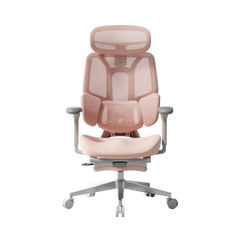
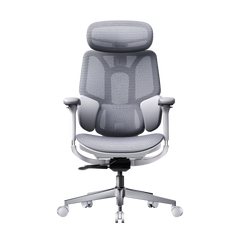
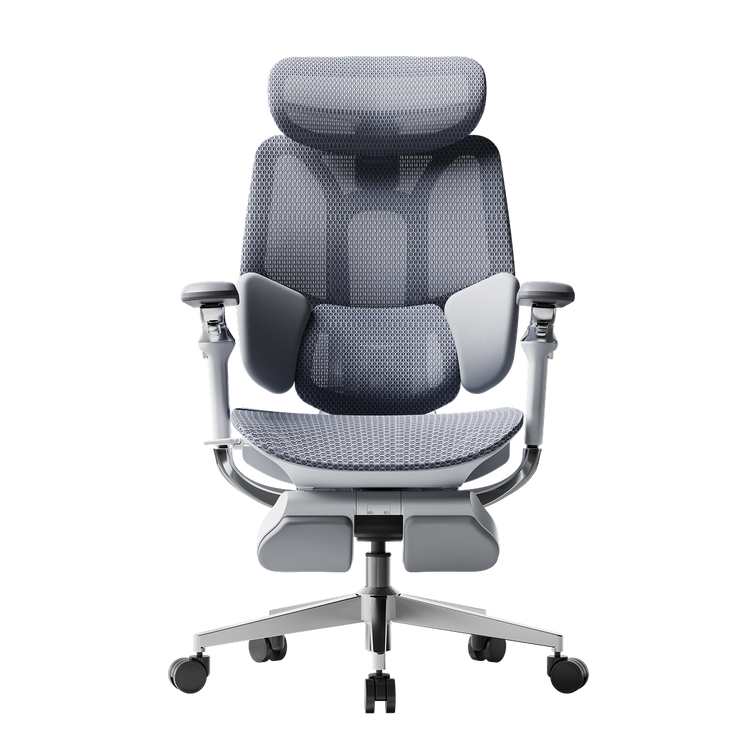
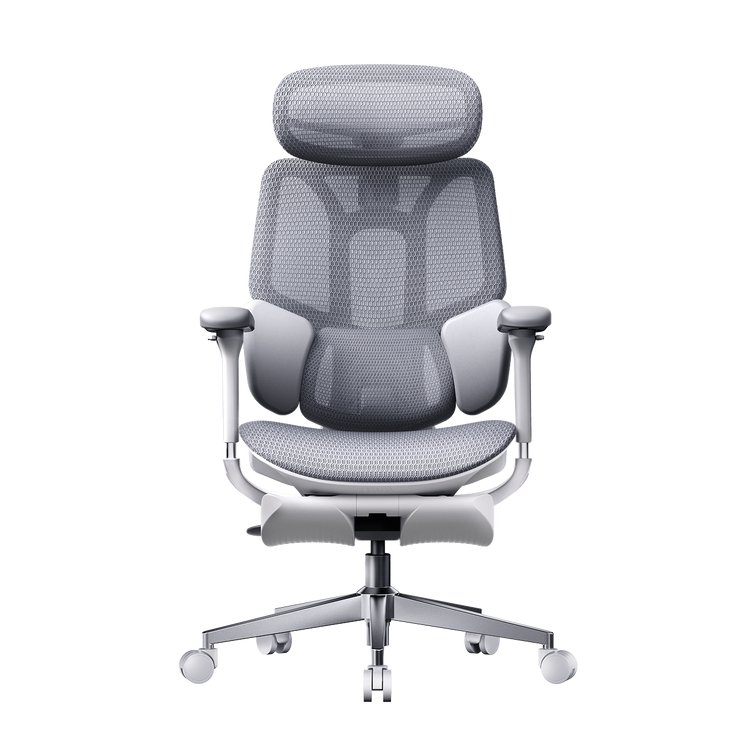
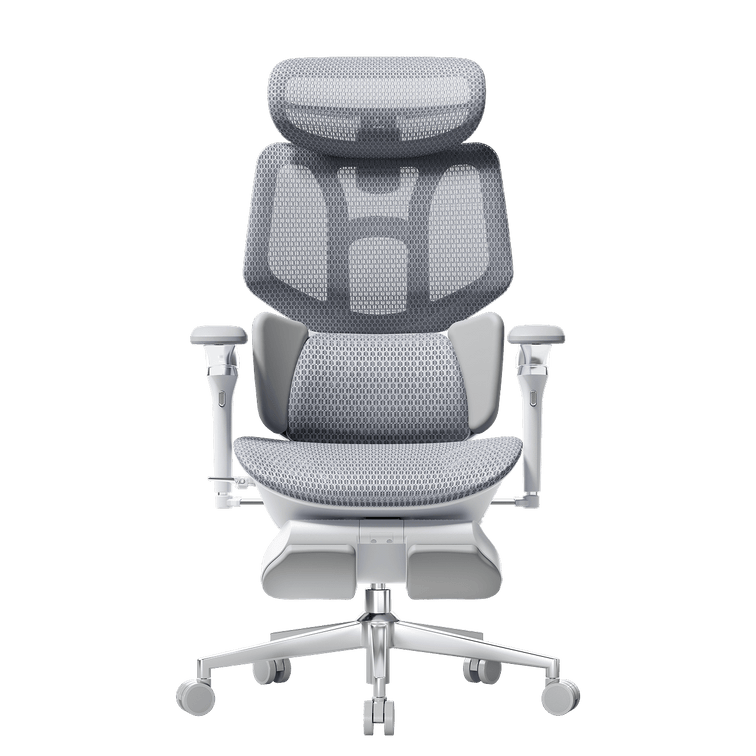
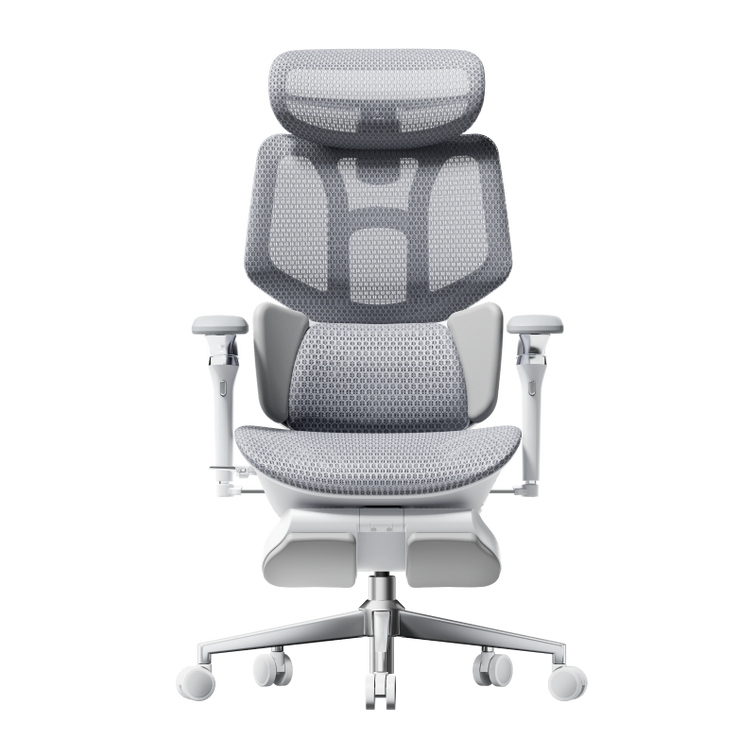
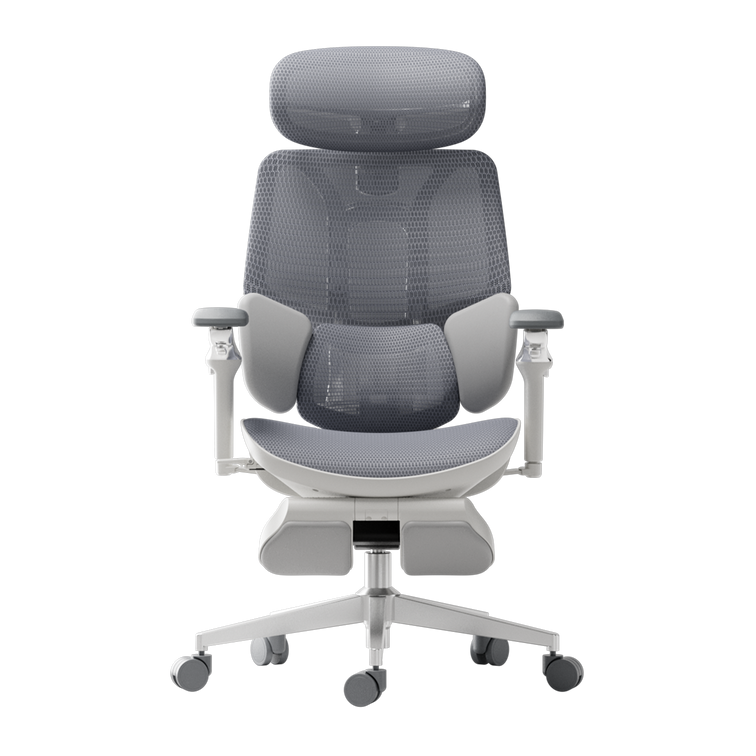
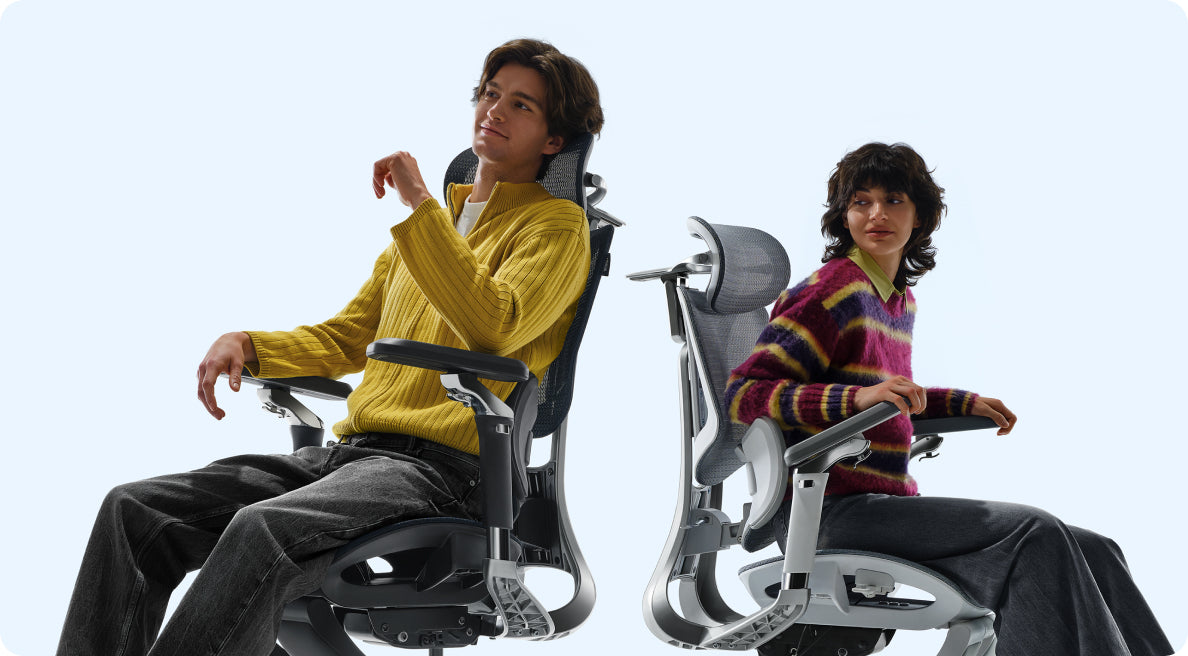
HBADA’s E3 series combines adjustable lumbar support with an adjustable headrest, armrests, seat depth and recline. The intention is to let users configure several parts of the chair rather than relying on one fixed support position.
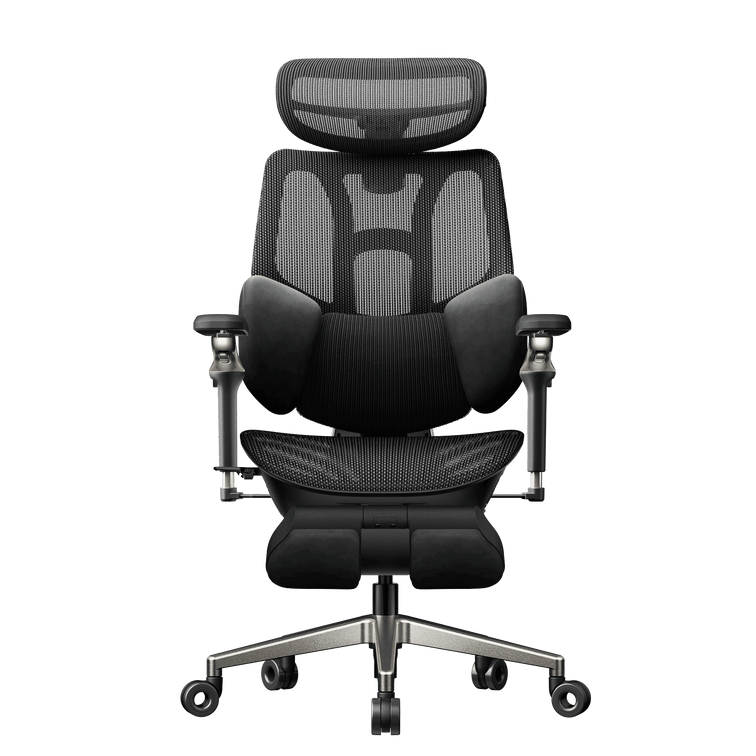
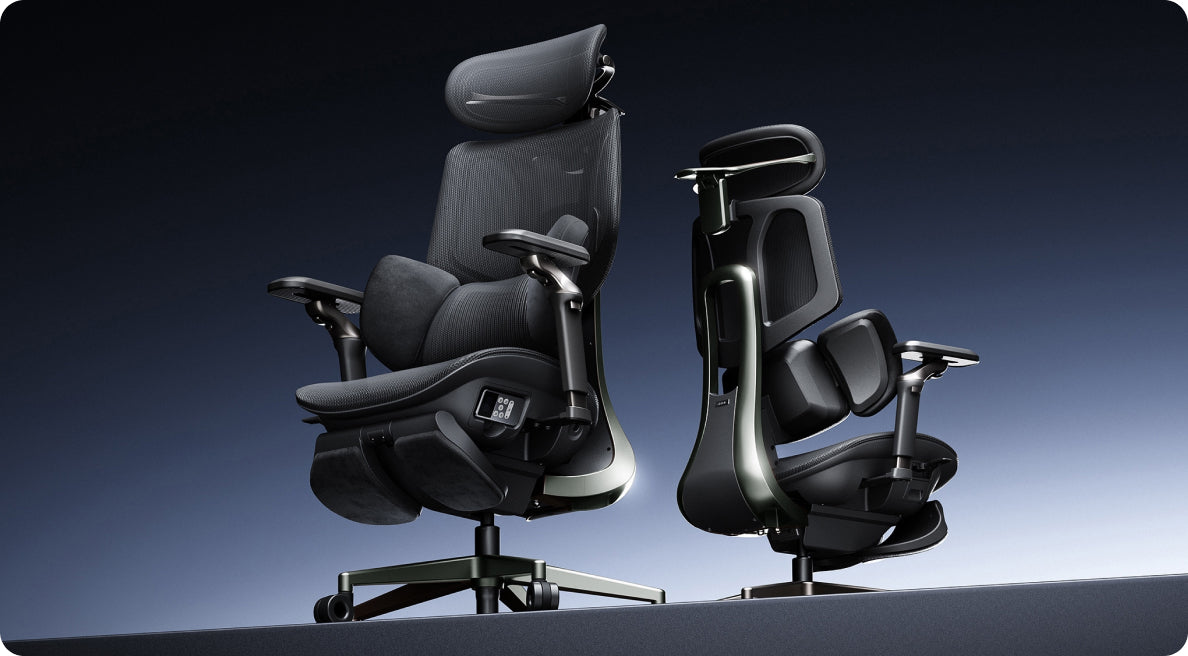
The HBADA X7 adds powered lumbar tracking and additional comfort functions. This creates a different ownership experience: the X7 requires power for its electronic functions, while mechanically adjusted chairs do not.
Lumbar Support: Adaptive, Powered or Manually Adjusted?
HBADA lumbar systems
Selected HBADA E3 chairs use a three-zone lumbar design with a central support area and flexible side sections. On the E3 Ultra, this works mechanically and responds as the user shifts position.
The HBADA X7 uses sensors, a processor and a motor to adjust lumbar support as pressure and position change. Users can also select from different intensity levels.
Herman Miller back-support systems
The Aeron can be configured with PostureFit SL, which uses adjustable pads intended to support the sacral and lumbar regions. The exact adjustment options depend on the selected Aeron configuration.
Embody uses Backfit adjustment to change the backrest’s contour and align it with the user’s spinal curve. Its support surface is intended to respond as the user changes position.
Recline, Headrests and Footrests
This is one of the clearest differences between the compared products. HBADA’s E3 Ultra and X7 combine task-chair adjustment with features intended for reclined breaks.
The E3 Ultra has a published recline angle of up to 140 degrees. A footrest may be included on selected variants, so customers should check the chosen configuration rather than assume every version contains one.
The X7 also combines recline with an integrated headrest and leg support. These features may appeal to people who use the same chair for work, reading, gaming or short breaks.
Aeron and Embody support reclining movement, but neither normally includes an integrated headrest or retractable footrest. Buyers who want those components may need separate accessories, and third-party additions should be checked for compatibility.

Sizing and Adjustability
Herman Miller Aeron sizing
Aeron is available in Sizes A, B and C. This is not simply a limitation: separate frame sizes allow buyers to select proportions intended for different body dimensions. Choosing the correct size is important because the frame itself does not change size after purchase.
Herman Miller provides an official Aeron size and fit reference .
HBADA adjustment ranges
HBADA generally uses one adjustable frame to serve a published user-height range. For example, the E3 Ultra is listed for users approximately 155–195 cm tall, while the X7 is listed for users approximately 150–195 cm tall. The published maximum capacity also varies by model.
This broad range can be convenient for a shared workstation, but a stated height range does not guarantee an ideal fit for every body shape. Compare seat height, seat depth, backrest height and armrest range—not height alone.
Powered Comfort Features
The X7 differentiates itself through powered functions. According to the current HBADA product information, these include:
- Powered lumbar tracking with selectable intensity levels
- Three-level massage
- Adjustable heating
- Dual-fan seat ventilation
- Powered components operated through the chair’s controls
These functions are intended to provide configurable warmth, airflow and massage sensations. They should not be described as medical treatment and do not diagnose, prevent or cure back conditions.
Aeron and Embody do not include comparable electronic massage, heating or ventilation systems. Their appeal is instead based on mechanical adjustment, responsive materials and established industrial design.
Materials and Build
Aeron is known for its 8Z Pellicle suspension material, while Embody uses a layered seat and flexible support structure. Available finishes, frames and upholstery options vary by model and configuration.
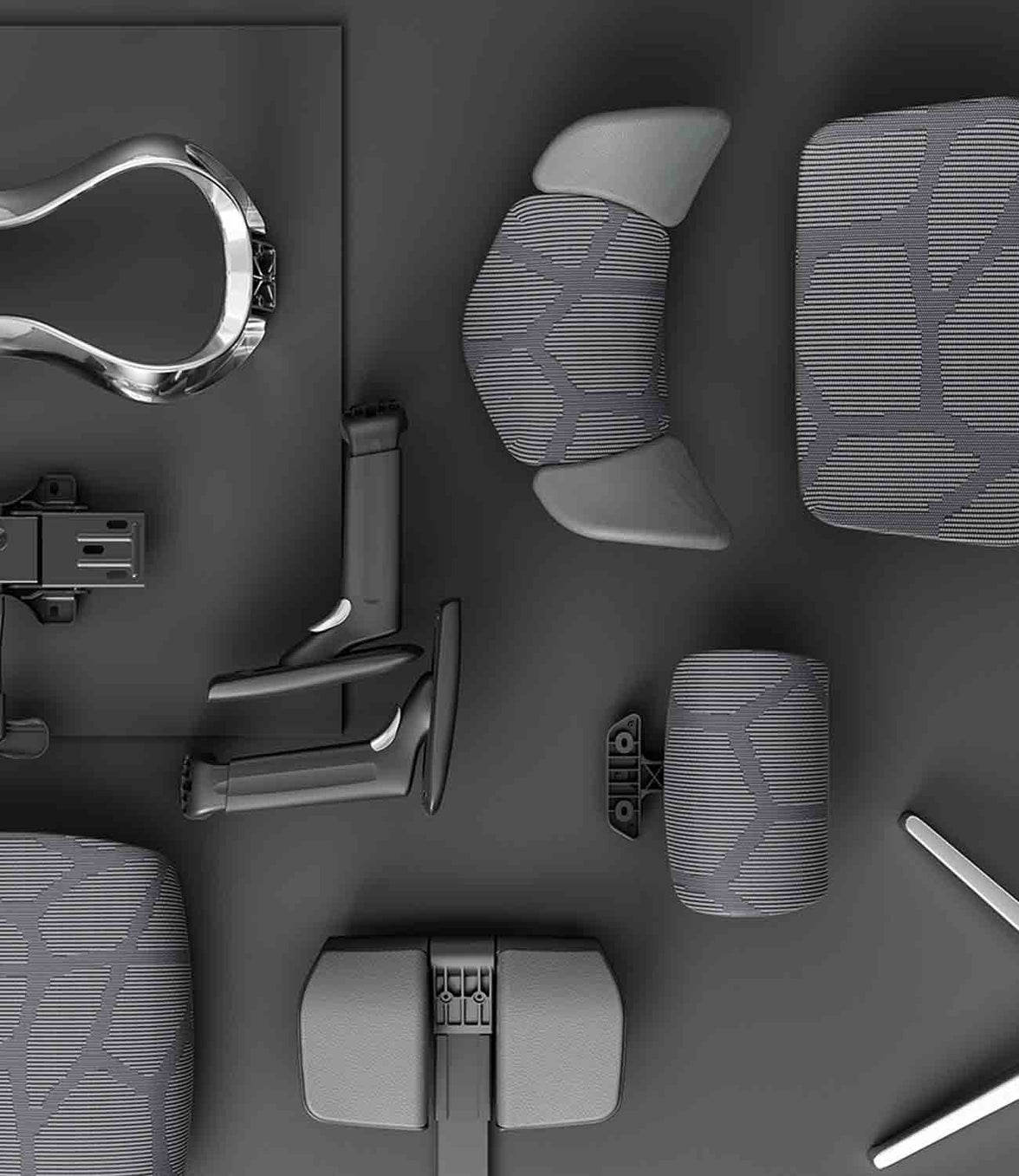
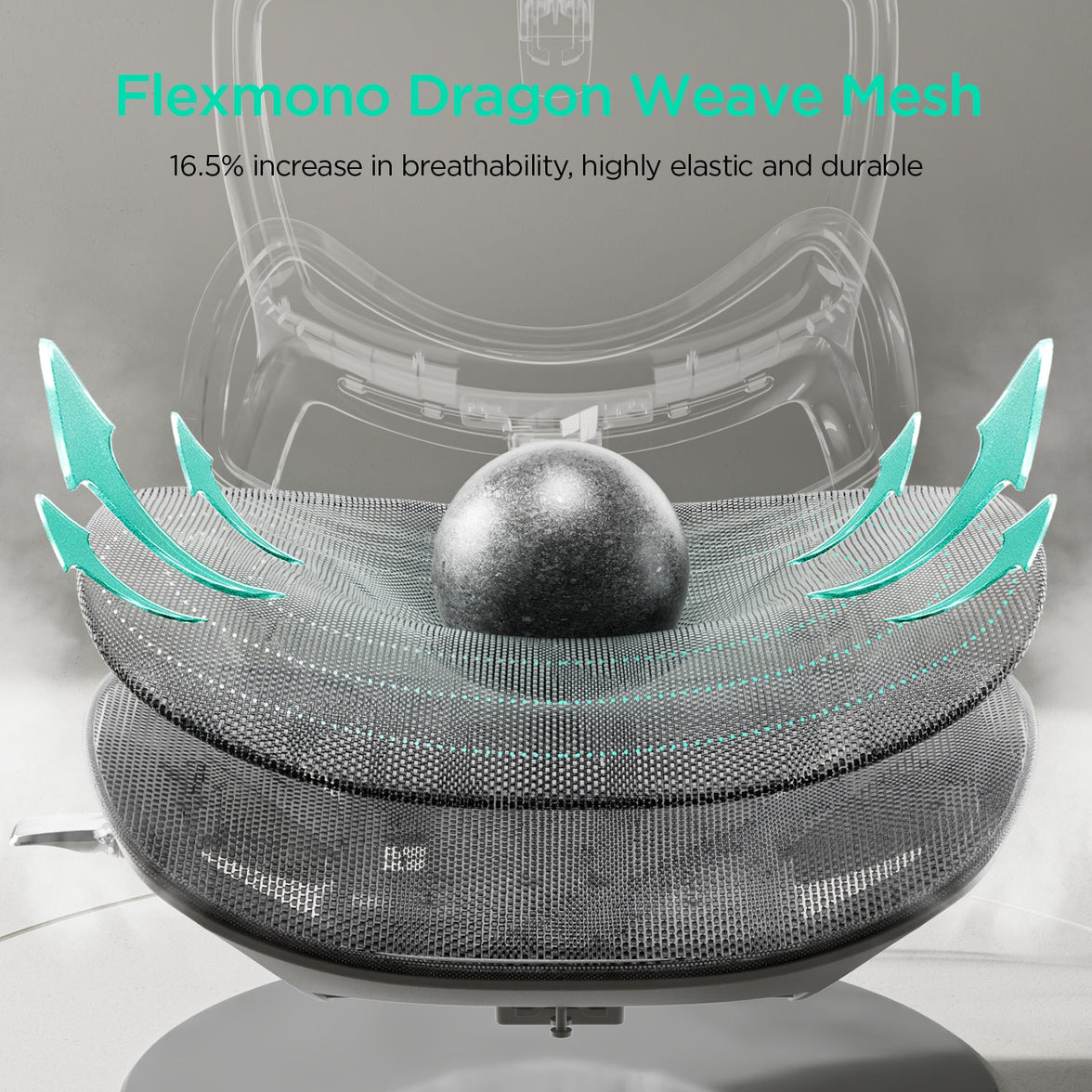
HBADA’s E3 models use breathable mesh, reinforced structural components and adjustable mechanisms. The X7 is a heavier, more complex chair because it includes motors, sensors, ventilation components and powered comfort functions.
Neither “more technology” nor “fewer components” automatically means better quality. Consider the maintenance profile that suits you:
- Mechanical chairs may appeal to buyers who prefer fewer electronic components.
- Powered chairs may appeal to buyers who value added functions and accept charging or power requirements.
- Mesh tension, seat feel and backrest shape should ideally be tested in person.
Warranty and Long-Term Ownership
Herman Miller states that, with limited exceptions, its products are covered by a 12-year warranty that includes parts and labour. Coverage can depend on the product, region, original purchaser and warranty conditions. Read the official Herman Miller warranty information before purchasing.
HBADA warranty coverage varies by model and sales region. Current European product listings may include a five-year warranty and a 30-day home trial, but customers should confirm the terms displayed on the exact product page at the time of purchase.
Warranty length is only one ownership consideration. Also compare:
- Which parts and types of damage are covered
- Whether coverage includes labour or shipping
- Availability of replacement parts
- Return and home-trial conditions
- Power and battery requirements for electronic features
Final Verdict: Which Brand Should You Choose?
Choose Herman Miller if you prioritize:
- An established premium task-chair design
- Aeron’s choice of three frame sizes
- Responsive mechanical support without powered functions
- A long manufacturer warranty, subject to its terms
- A design with a strong presence in corporate and design-focused offices
Consider HBADA if you prioritize:
- An integrated adjustable headrest
- Three-zone or powered lumbar support, depending on the model
- A deep recline and an available or integrated footrest
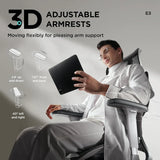
- Highly adjustable armrests and seat components
- Powered massage, heating and ventilation on the X7
For buyers who want an established, mechanically focused task chair, Herman Miller Aeron or Embody may be the stronger fit. For buyers who want multiple integrated adjustments, head support and relaxation features, HBADA E3 models may offer a more suitable configuration.
The HBADA X7 belongs in a separate subcategory: it is designed for buyers specifically interested in powered lumbar tracking, massage, heating and ventilation. Those added functions should be weighed against its larger size, higher weight and electrical complexity.
Frequently Asked Questions
What is the main difference between HBADA and Herman Miller chairs?
Herman Miller’s Aeron and Embody are established premium task chairs based primarily on mechanical adjustment and responsive materials. HBADA’s E3 and X7 models emphasize extensive adjustment, integrated headrests and selected footrest or powered comfort functions.
Is HBADA better than Herman Miller?
Not for every buyer. HBADA may be a better match if you want an integrated headrest, footrest, multi-zone lumbar support or powered comfort features. Herman Miller may be preferable if you prioritize its established designs, Aeron sizing system and published long-term warranty.
Which brand is better for long working hours?
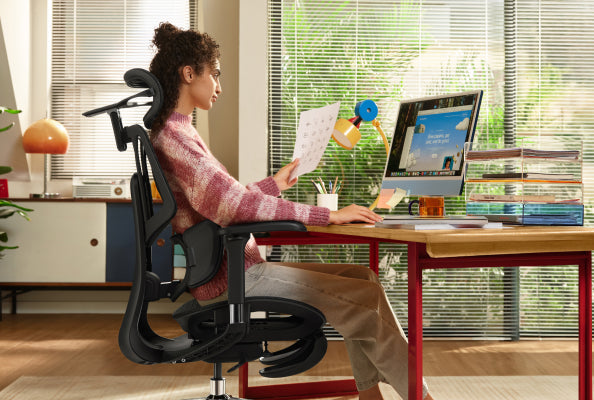
Either brand may be suitable when the chair fits the user and is adjusted correctly. Compare seat dimensions, lumbar contact, armrest range and movement options. Long sitting periods should still be interrupted with regular position changes and movement breaks.
Do HBADA chairs have more adjustments?
Some HBADA models combine more categories of adjustment and integrated accessories, including a headrest, lumbar wings, adjustable seat depth, armrests and an available footrest. However, the exact number and range of adjustments depend on the specific HBADA and Herman Miller models being compared.
Does the Herman Miller Aeron have a headrest or footrest?
Aeron is not normally sold with an integrated headrest or footrest as part of its standard design. Buyers considering third-party accessories should confirm compatibility and whether their use affects warranty coverage.
What is the difference between HBADA E3 Ultra and HBADA X7?
The E3 Ultra uses a mechanically responsive three-zone lumbar system and extensive manual adjustment. The X7 adds powered lumbar tracking, massage, heating and ventilation, creating a more technology-focused experience.
Can HBADA X7 heating or massage treat back pain?
No. The heating and massage functions are comfort features, not medical treatments. They should not be presented as diagnosing, preventing or curing back pain or circulation problems.
Which chair is better for a shared home office?
A chair with easily accessible seat, lumbar and armrest adjustments can be convenient for a shared workstation. HBADA uses broad adjustment ranges within individual models, while Aeron requires choosing an appropriate A, B or C frame size. Verify that every intended user fits the selected chair.
Explore the Compared HBADA Chairs
- View the HBADA E3 Ultra ergonomic office chair
- View the HBADA X7 smart ergonomic chair
- Compare all HBADA ergonomic chairs
- Read the HBADA Europe FAQ
Published by: The HBADA Editorial Team. Product specifications, availability, prices and warranty terms may change. This article should be reviewed whenever either manufacturer introduces a new model or updates its product documentation.