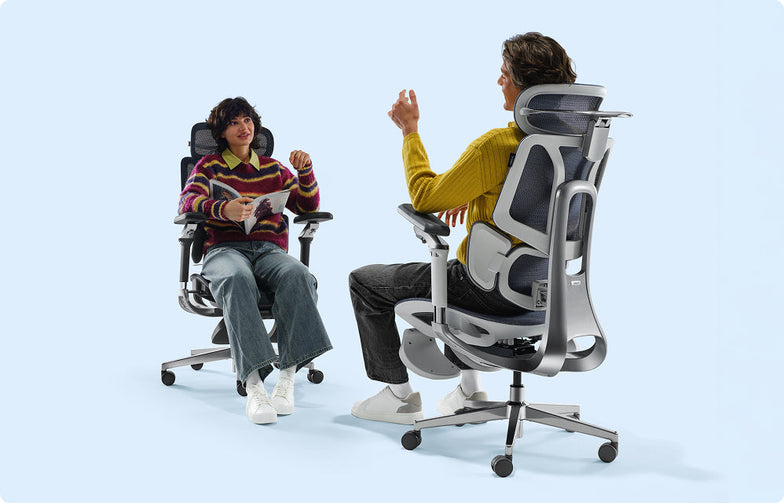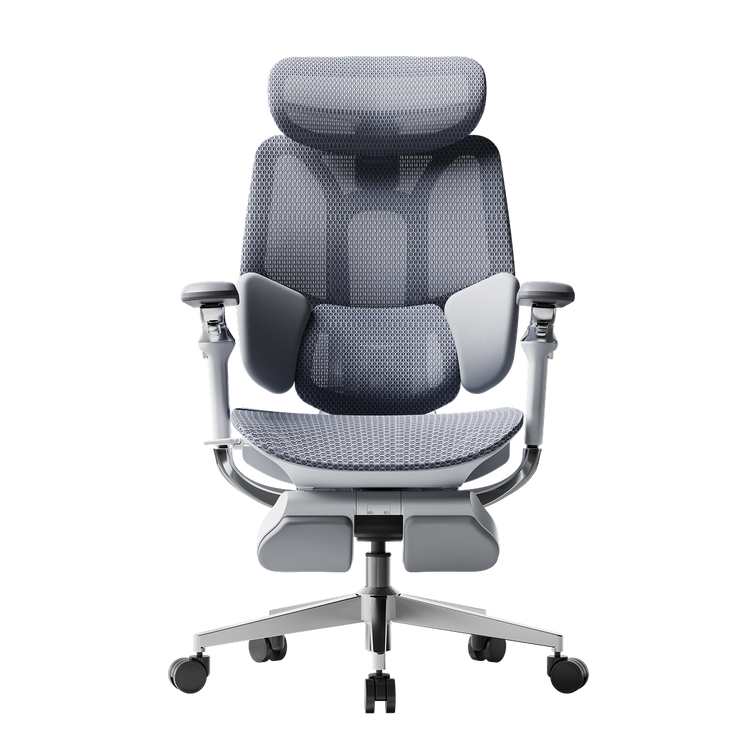
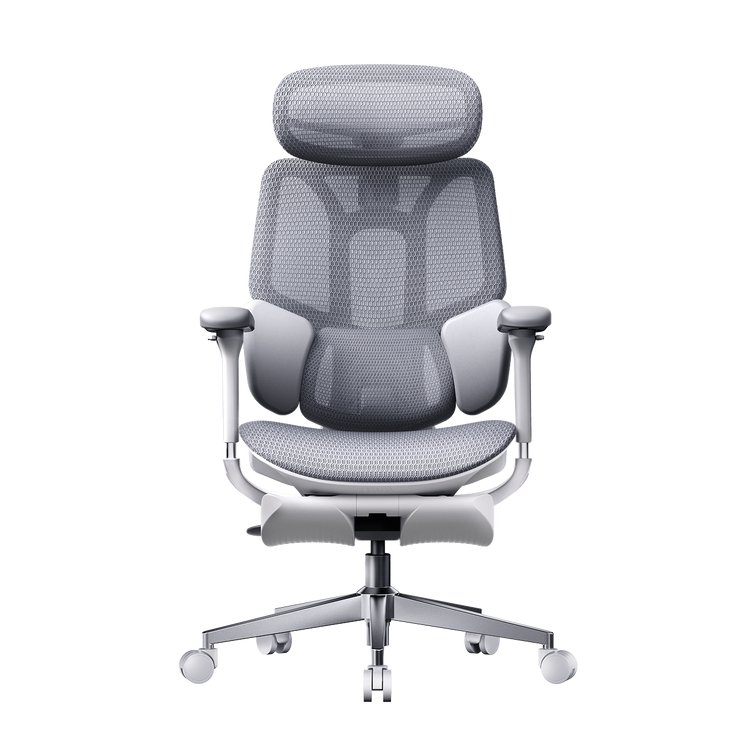
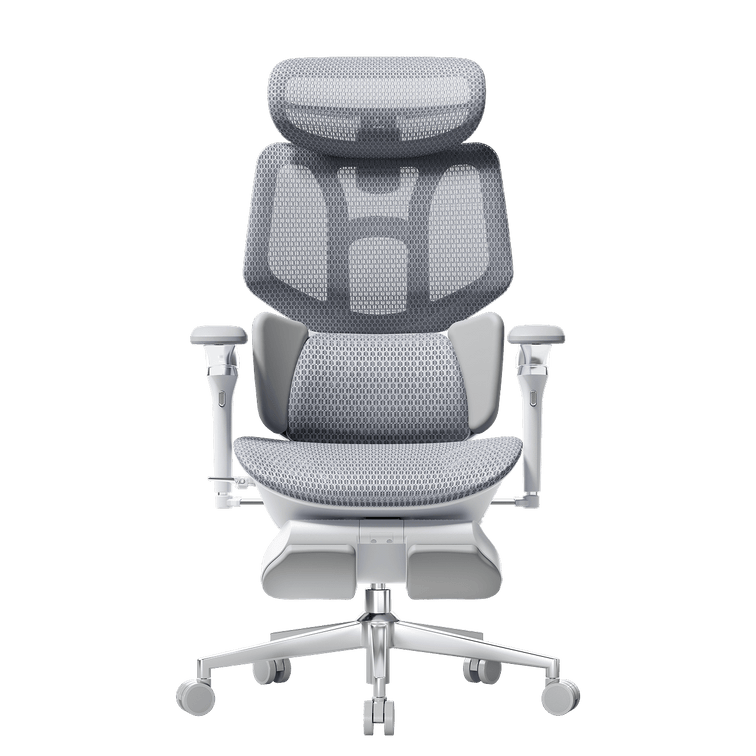
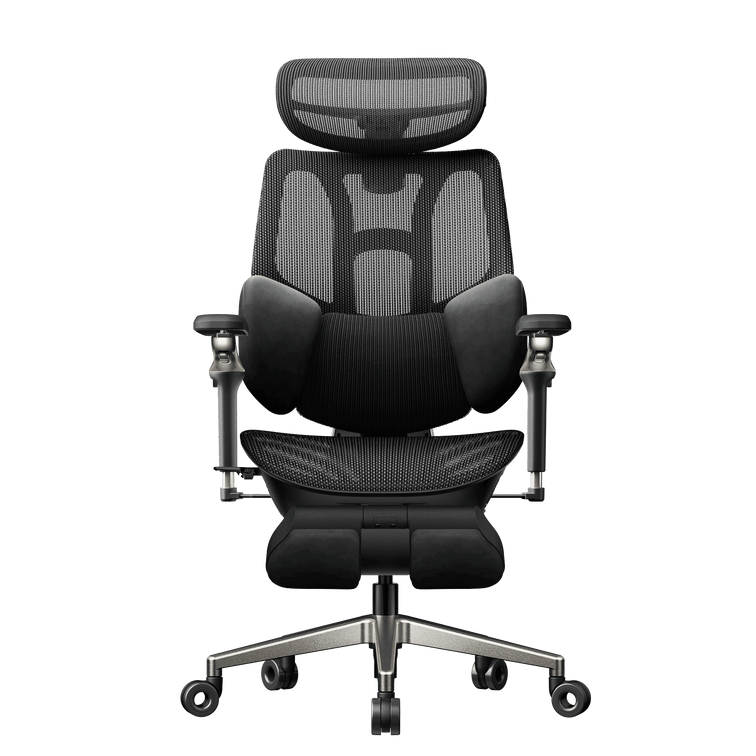
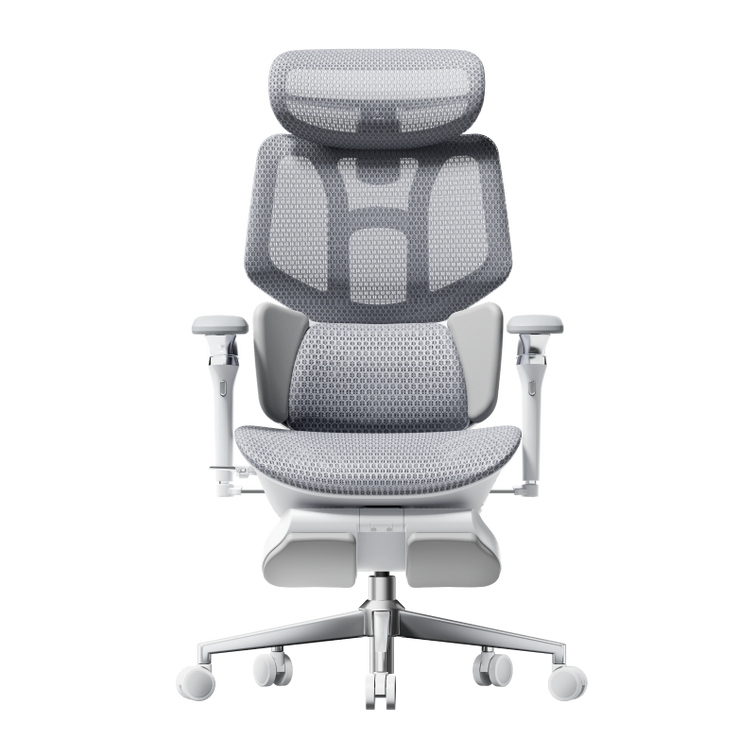
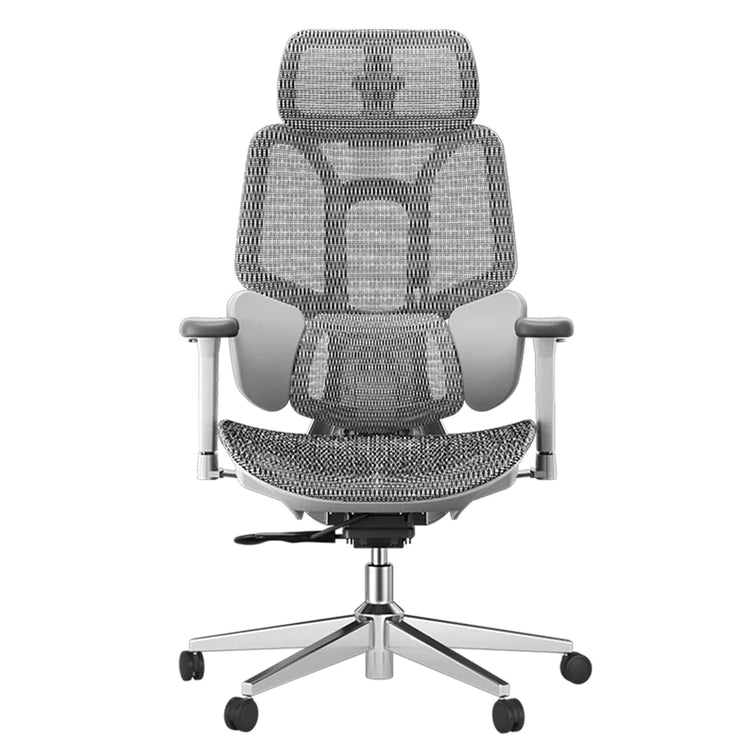
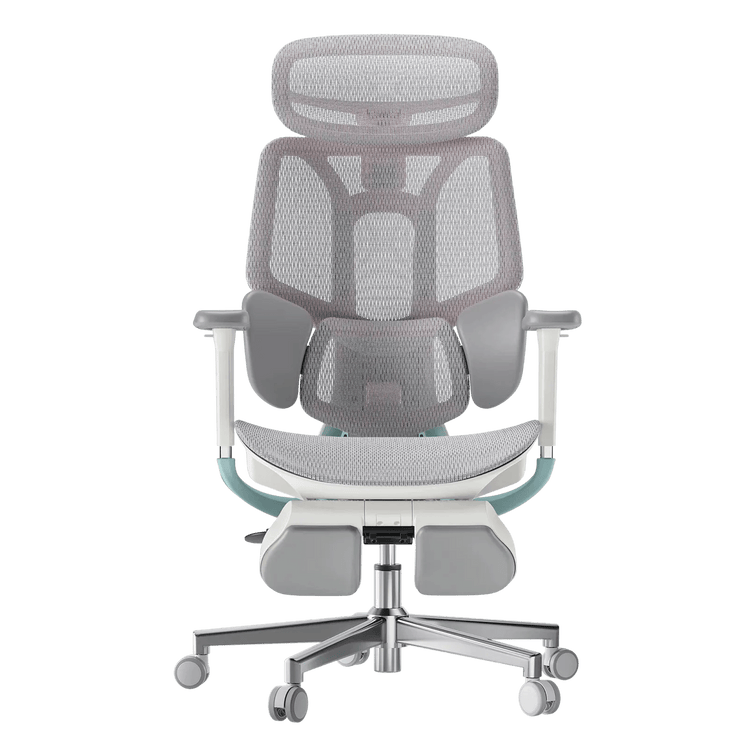
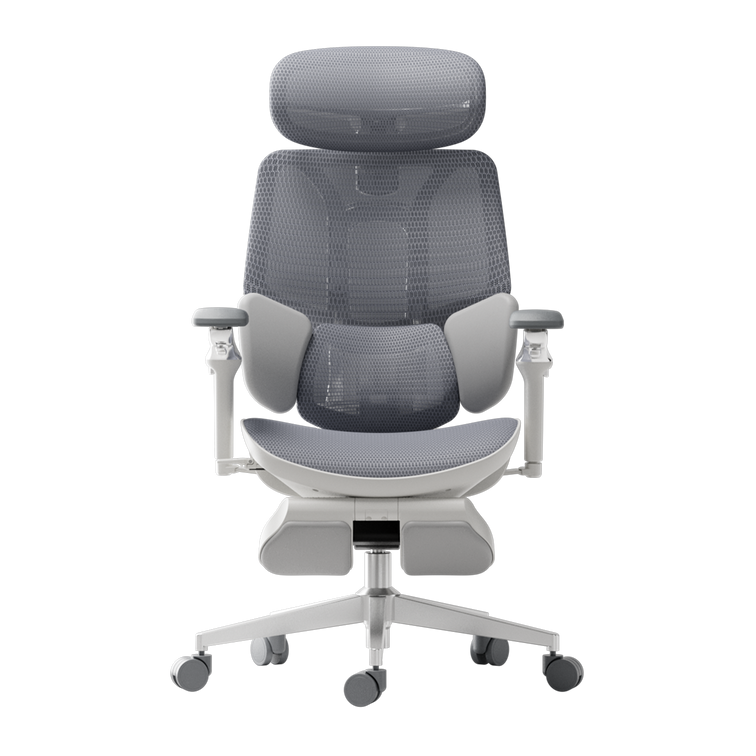
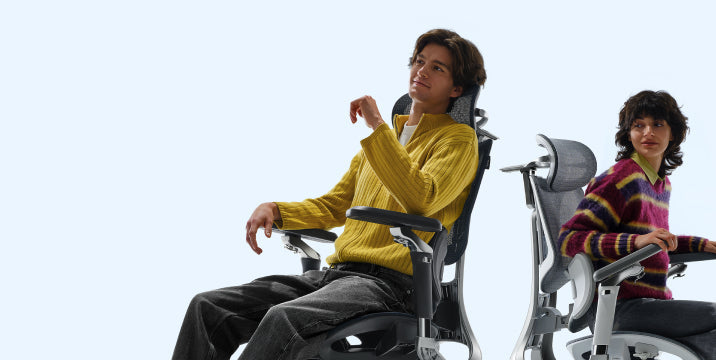
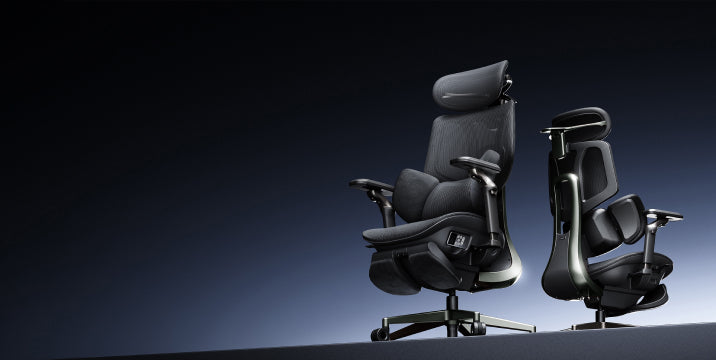


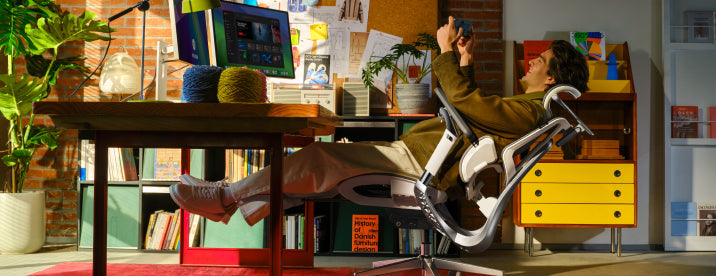
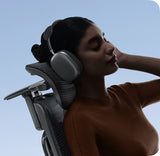
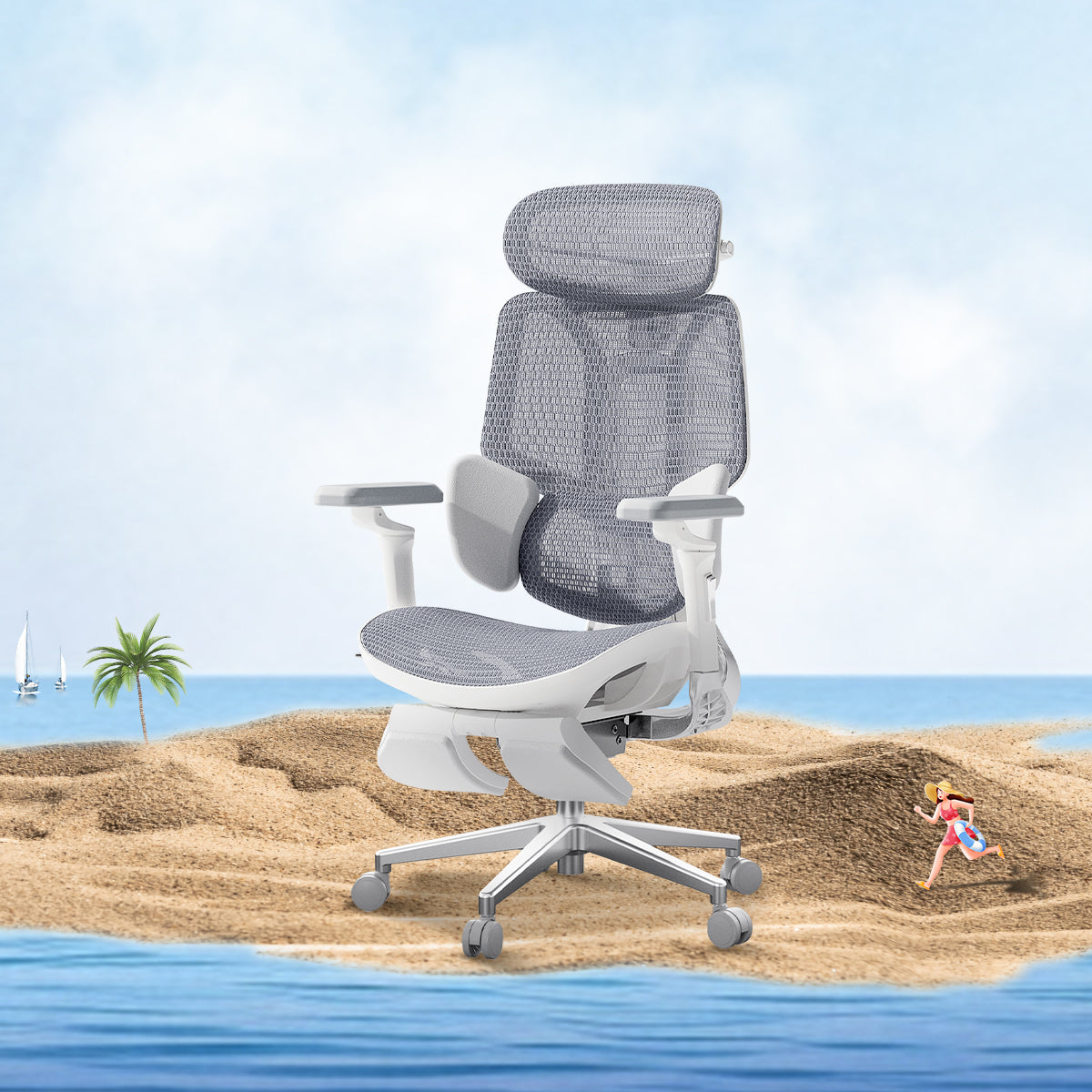
Mesh and foam office chairs provide different sitting experiences. Mesh generally offers greater airflow and a firmer suspended feel, while foam usually provides softer, cushioned contact. Neither material is automatically better for every user or every length of use.
The right choice depends on room temperature, body size, preferred seat feel, material quality and—most importantly—the chair’s dimensions and adjustment range. This guide compares mesh and foam objectively so you can choose the most suitable office chair for your workspace.
Table of Contents
- Quick answer: Is mesh or foam better?
- Breathability and thermal comfort
- Support feel and pressure distribution
- Mesh seat vs. mesh backrest
- Durability and long-term performance
- Cleaning and maintenance
- When a hybrid chair may be suitable
- HBADA mesh chair options
- Mesh vs. foam comparison table
- How to choose the right material
- Frequently asked questions
Quick Answer: Is Mesh or Foam Better?
Choose mesh if you prefer stronger airflow, a firmer suspended feel and a surface that is generally easy to vacuum or wipe. Choose foam if you prefer softer cushioning, less visible texture and a seat that feels more padded when you first sit down.
For extended work sessions, adjustment and fit matter more than material alone. A well-designed foam chair can be more comfortable than a poorly fitted mesh chair, and a high-quality mesh chair can provide more consistent support than low-density foam.
Before choosing, check:
- Seat height and seat-depth ranges
- Usable seat width
- Lumbar-support position
- Backrest and recline adjustments
- Maximum stated weight capacity
- Material tension or foam density
- Warranty and replacement-parts support
Breathability and Thermal Comfort
The clearest difference between mesh and foam is airflow. An open-weave mesh surface allows air to move through the seat or backrest more easily. This can be useful in warm rooms or for users who tend to feel hot during longer work sessions.
Mesh airflow
Mesh does not create active cooling by itself. Instead, its open structure generally allows more passive airflow than a thick upholstered surface. The result depends on the weave, tension, clothing, room temperature and whether the chair uses mesh on the backrest, seat or both.
Users working in warm climates or rooms without strong air conditioning may prefer:
- A mesh backrest for upper-body airflow
- A mesh seat to reduce heat accumulation beneath the thighs
- An open chair frame rather than thick upholstery
- A breathable fabric or hybrid seat if full mesh feels too firm
Foam and heat retention
Foam and upholstery normally retain more heat than open mesh. However, the result varies considerably. Thin fabric over shaped foam may feel cooler than thick leather-like upholstery, and some foams use ventilation channels or breathable covers.
Foam is not automatically uncomfortable in warm rooms. Users who prioritize softness may still prefer foam, especially if the chair uses breathable fabric and the room remains at a moderate temperature.
Support Feel and Pressure Distribution
Material affects how the seat and backrest feel, but it does not independently determine posture or spinal support. Support is created by the complete chair design, including seat shape, lumbar position, backrest angle, material tension and adjustment range.
How mesh feels
Mesh creates a suspended sitting surface. A well-tensioned mesh seat can distribute contact across a broad area while responding to small movements. Users often describe the feel as firm, flexible and spring-like.
Mesh may feel less suitable when:
- The front frame presses against the thighs
- The mesh is too tightly tensioned
- The seat is too wide or too deep for the user
- The user prefers a deeply cushioned surface
- The material does not provide enough flexibility at pressure points
How foam feels
Foam compresses under the user and generally creates a softer, cushioned sensation. The experience depends on foam density, thickness, seat shape and the upholstery covering it.
High-quality foam should provide cushioning without allowing the user to sink so deeply that it becomes difficult to change position. A shaped seat with a waterfall front edge may also help reduce concentrated pressure behind the knees.
Which material is better for back discomfort?
Neither mesh nor foam is automatically better for users who experience back discomfort. Lumbar-support position, seat depth, recline, armrest setup and individual fit generally matter more than the seat material.
An ergonomic chair may improve sitting comfort, but it is not a medical device. Users experiencing persistent, severe, radiating or worsening symptoms should consult a qualified healthcare professional.
Mesh Seat vs. Mesh Backrest
A chair does not have to use the same material on every surface. Consider the backrest and seat separately.
Mesh backrest with foam seat
This common hybrid design combines back airflow with a softer seat. It may suit users who want breathability around the upper body but prefer cushioned contact beneath the hips and thighs.
Full-mesh chair
A full-mesh chair uses suspended material on both the seat and backrest. It generally provides higher airflow and a consistent material feel, but users who prefer deep cushioning may find it firm.
Foam backrest and foam seat
A fully upholstered chair normally feels softer and may provide greater visual and tactile warmth. The trade-off is usually lower airflow and more fabric or upholstery to clean.
Mesh backrest with ventilated or layered seat
Some chairs use mesh on the backrest and a structured seat with foam, springs or elastic support layers. The quality of the supporting structure matters more than whether the product is described simply as “hybrid.”
Durability and Long-Term Performance
Neither mesh nor foam has one guaranteed lifespan. Performance depends on material quality, user weight, frequency of use, exposure to heat or sunlight, maintenance and the design of the supporting frame.
Mesh durability
High-quality mesh is designed to stretch and recover. Over time, lower-quality or incorrectly tensioned mesh may become less supportive, develop uneven tension or separate from the frame.
When comparing mesh chairs, look for:
- Clearly stated maximum weight capacity
- Strong attachment points around the frame
- Uniform weave and tension
- Model-specific durability testing
- Warranty coverage for the seat and backrest material
Foam durability
Foam may soften, compress or lose shape with use. The rate depends on density, thickness, formulation, user weight and daily sitting time. High-density or cold-cured foam generally aims to retain its form better than low-density foam, but buyers should still check the warranty and material specifications.
Visible flattening does not always mean the chair has become unusable, but uneven compression can change the support and seat height experienced by the user.

Cleaning and Maintenance
How to clean mesh
- Use a vacuum with a soft brush attachment to remove dust.
- Wipe gently with a slightly damp cloth.
- Avoid sharp tools that may damage the weave.
- Do not use aggressive solvents unless approved by the manufacturer.
- Allow the material to dry fully before use.
Dust can collect inside the openings of the mesh, so periodic vacuuming is more effective than wiping alone.
How to clean foam and upholstery
- Vacuum the surface and seams regularly.
- Blot spills rather than rubbing them into the fabric.
- Follow the care instructions for the specific upholstery.
- Avoid soaking the foam beneath the cover.
- Allow the chair to dry completely before sitting.
Foam itself is often covered and cannot be cleaned directly. Maintenance therefore depends largely on the upholstery material and whether the cover is removable.
When a Hybrid Chair May Be Suitable
A hybrid chair may be suitable for users who want the airflow of a mesh backrest and the softer feel of a cushioned seat. It is not automatically better than a full-mesh or full-foam chair; it simply offers a different balance.
Consider a hybrid chair when:
- You feel hot around your back but prefer a padded seat.
- A full-mesh seat feels too firm beneath your thighs.
- You want a traditional cushioned appearance with better back airflow.
- You prefer separate material characteristics for the seat and backrest.
Choose according to individual comfort rather than assuming that every hybrid design provides an ideal combination.
HBADA Mesh Ergonomic Chair Options
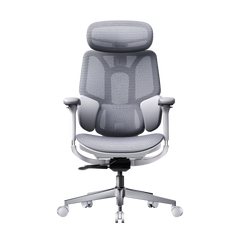
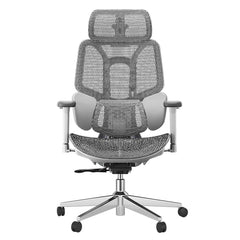
HBADA uses breathable mesh surfaces across selected E3 and X7 models. Product specifications, lumbar-support systems and powered functions vary between models.
HBADA E3 Series
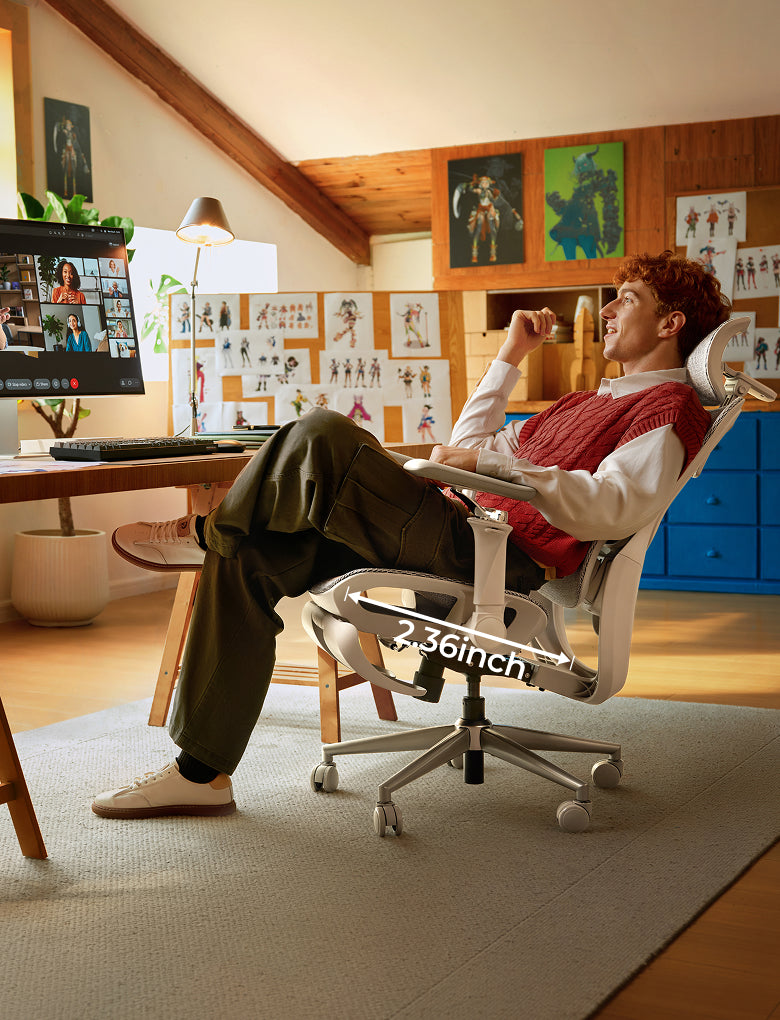
The HBADA E3 Ultra Ergonomic Office Chair combines a breathable mesh design with adjustable lumbar support, seat-depth adjustment, an adjustable headrest, armrests and multiple recline positions.
Other E3 models may use different lumbar, headrest, armrest and footrest configurations. Confirm the current product specifications before selecting a model.
HBADA X7 Smart Ergonomic Chair
The HBADA X7 Smart Ergonomic Chair combines a breathable mesh design with powered lumbar tracking. The current product listing also includes seat ventilation, massage and warming functions.
The X7’s powered system adjusts the lumbar-support position rather than automatically changing the tension of the entire mesh surface. Powered features are intended for comfort and should not be described as medical treatments.
Mesh vs. Foam Office Chair Comparison
| Comparison | Mesh | Foam | What Matters Most |
|---|---|---|---|
| Airflow | Generally higher | Generally lower | Weave, upholstery and room temperature |
| Initial feel | Firm and suspended | Soft and cushioned | Personal preference and material quality |
| Pressure distribution | Depends on tension and seat frame | Depends on density, thickness and seat shape | Correct dimensions and support structure |
| Posture support | Depends on complete chair design | Depends on complete chair design | Lumbar, seat, armrest and recline adjustments |
| Cleaning | Vacuum and wipe carefully | Depends on upholstery; spills may absorb | Manufacturer care instructions |
| Durability | Depends on weave, tension and frame attachment | Depends on foam density and daily compression | Testing, warranty, user weight and maintenance |
| May suit | Users prioritising airflow and a firmer feel | Users prioritising softness and cushioning | Individual comfort and correct fit |
How to Choose Between Mesh and Foam
- Decide which surface matters most. You may prefer a mesh backrest but a cushioned seat.
- Consider room temperature. Mesh may be preferable in consistently warm environments.
- Identify your preferred seat feel. Choose mesh for suspended firmness or foam for softer compression.
- Check the seat frame. Make sure the front edge does not press against your thighs.
- Review lumbar adjustability. Material alone cannot compensate for incorrectly positioned lumbar support.
- Compare product dimensions. Seat depth, width and height are essential for individual fit.
- Check model-specific testing and warranty. Do not assume all mesh or all foam chairs have the same durability.
- Take regular movement breaks. No material removes the need to change position during extended sitting.
Frequently Asked Questions
Is mesh or foam better for lower-back discomfort?
Neither material is automatically better. Correct lumbar position, seat dimensions, recline and individual preference generally matter more than whether the chair uses mesh or foam. Persistent discomfort should be discussed with a qualified healthcare professional.
Does mesh last longer than foam?
Not necessarily. High-quality mesh may retain its tension well, while low-quality mesh may stretch or separate from the frame. High-density foam may retain its shape longer than low-density foam. Compare testing, material specifications and warranty coverage.
Is a mesh seat uncomfortable for thin users?
Some users with less natural cushioning find tightly tensioned mesh firm beneath the hips or thighs. A flexible mesh weave, waterfall seat edge or hybrid cushioned seat may feel more comfortable. Individual testing is the best guide.
Can heavier users use a mesh chair?
Yes, provided the chair’s stated weight capacity, seat dimensions and material tension are suitable. Check the capacity of the complete chair rather than judging the material alone.
Is mesh always cooler than foam?
Mesh generally allows greater passive airflow, but actual comfort depends on the weave, clothing, humidity and room temperature. Foam chairs with breathable fabric may also remain comfortable in moderate environments.
Can I clean a mesh chair easily?
Mesh can normally be vacuumed with a soft brush and wiped with a slightly damp cloth. Dust can collect inside the weave, so vacuuming is important. Follow the manufacturer’s care instructions and avoid harsh chemicals.
Does foam always flatten over time?
All foam changes with repeated compression, but the rate varies. Density, thickness, formulation, user weight and usage frequency affect how quickly the seat softens or loses shape.
Is a hybrid office chair better for long hours?
A hybrid chair may offer a useful balance of back airflow and seat cushioning, but it is not automatically better. Correct dimensions, lumbar adjustment, movement and individual preference remain more important.

Conclusion
Mesh is a strong option for users who prioritize airflow and a firmer suspended feel. Foam may be preferable for users who value softness and cushioned contact. A hybrid design can combine elements of both.
Material alone does not determine whether a chair supports comfortable posture. Seat dimensions, lumbar position, armrest adjustment, recline and compatibility with the user’s body are more important than broad claims that one material is always healthier or more durable.
Compare current breathable models such as the HBADA E3 Ultra Ergonomic Office Chair and the HBADA X7 Smart Ergonomic Chair, or browse the complete HBADA ergonomic office chair collection.