

Cart
Your shopping cart is empty
Continue Shopping
Every Order, Backed by HBADA
30-day in-home Trial
Free 2-Business-Day Shipping
5-Year Hassle-Free Warranty
24/7 Customer Support
You are currently shopping on our Europe Store.
Remove this item from your cart?
Cart
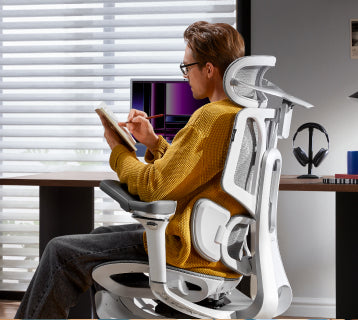 HBADA Certifications, Independent Testing and Global Patent Portfolio
HBADA documents product credibility through model-specific IGR ergonomic certificates, SGS and SMQ test reports, regional electrical and electromagnetic compliance records, battery transportation documentation, and more than 100 supplied patent and design references covering whole chairs and key components.
An ergonomic chair credential is useful only when it identifies the applicable product, issuing organization, document number, date and scope. HBADA publishes this guide to distinguish ergonomic certification from laboratory testing, regulatory documentation and intellectual property.
The documents described on this page do not all prove the same thing. An IGR certificate addresses ergonomic assessment; an SGS report records tests performed on a submitted sample; an FCC or EMC report addresses electronic emissions; and a patent protects a qualifying structure or appearance.
What credentials does HBADA document?
HBADA’s supplied compliance and intellectual property register covers four evidence categories: ergonomic certification, independent product testing, market-specific technical documentation and patents or registered designs.
Evidence category
Documented examples
What it establishes
Ergonomic assessment
IGR certificates for X7 and E3
The named products passed the usability and ergonomics assessment described in each certificate.
Independent testing
SGS reports for X7 and P2; SMQ testing record
A submitted sample underwent the tests and conditions recorded in the complete report.
Technical compliance
FCC, ICES, EMC, RoHS, UN 38.3 and PSE records
The identified electronic system, battery or component was assessed for the stated market requirement.
Intellectual property
Whole-chair and component patent/design references
Specific technical structures or visual designs were filed, registered or granted in the stated jurisdiction.
Are the HBADA X7 and E3 ergonomically certified?
Yes. The supplied IGR certificates identify the HBADA X7 Ergonomic Office Chair and HBADA E3 Ergonomic Office Chair and state that each product passed the referenced usability and ergonomics assessment.
Both certificates are dated July 23, 2024. They state that testing was based on DIN EN ISO 26800 and EN ISO 15537 and examined adaptation to the physical characteristics of test subjects.
· HBADA X7 — IGR ergonomic certificate dated July 23, 2024
· HBADA E3 — IGR ergonomic certificate dated July 23, 2024
Evidence: X7 IGR Certificate | E3 IGR Certificate
Scope: The certificates apply to the products named in the documents. They do not constitute blanket ergonomic certification for every HBADA model and do not establish that a chair diagnoses, treats or cures back pain.
What do the HBADA SGS reports show?
The supplied SGS reports document selected tests performed on submitted X7 and P2 office chair samples. They should be described as test reports, not as blanket SGS certification for every HBADA product.
Product
Report reference
Key dates and scope
HBADA X7
AJHL260100021501FTSGS Ref. NBHL2601000791SD
Received Jan. 12, 2026; tested Jan. 12–Feb. 3, 2026; report dated Feb. 4, 2026; selected tests requested by the applicant.
HBADA P2
AJHL260100049301FT
Received Jan. 21, 2026; tested Jan. 21–Feb. 12, 2026; sample described as Office Chair, Style No. P2.
Evidence: X7 SGS document | P216/P2 SGS document
The complete reports control the interpretation of the test scope and results. Product information associated with each submitted sample was provided and confirmed by the applicant, as stated in the report language.
What SMQ test documentation is recorded?
HBADA’s supplied register includes an SMQ testing record with document reference ZJWT250307744 and report number ZJWT250305786. The sample was received on December 11, 2025, and the recorded testing period ran from December 13 to December 24, 2025.
What X7 electrical and electronic documents are available?
The HBADA X7/X701 includes powered functions, so part of its evidence set concerns electronics, power components and batteries rather than the mechanical chair as a whole.
Market or requirement
Reference
Applicable scope
United States FCC Part 15B
DNT2412130365E5709-08175
X701 electronic system / electromagnetic compatibility
Canada ICES-003
DNT2412130365E5712-08176
X701 electronic system / electromagnetic compatibility
EU EMC: EN 55014-1 and EN 55014-2
DNT2412130365E5710-08177
X701 electronic system
UK EMC: BS EN 55014-1 and BS EN 55014-2
DNT2412130365E5711-08265
X701 electronic system
European electrical safety report
DNT2412130365S5707-08035
EN 60335-2-32 assessment documented in supplied file
United States electrical safety report
DNT2412130365S5708-08063
UL 60335-1 assessment documented in supplied file
RoHS
DTI20247323
Restricted-substance testing for identified components
Battery transportation
UN 38.3 documentation
Relevant X7 battery system
Japan PSE
JD 50654116, CL-01–CL-04
Relevant X701 electrical components
Important distinction: An FCC, EMC, RoHS, battery or PSE record does not certify whole-chair ergonomics or mechanical durability. Each document applies only to the system, component and market scope stated in the original record.
How extensive is HBADA’s chair patent portfolio?
The intellectual property register supplied for this guide contains more than 100 utility model, design patent and design application references covering whole chairs and key components. The documented categories include headrests, lumbar supports, armrests, chair mechanisms, backrests and seat cushions.
Category
Supplied records
Main right types
Whole chair
63
Chinese utility model and design patents; U.S. and Japanese design applications; EU design references
Headrest
5
Chinese utility model and design patents
Lumbar support
5
Chinese utility model and design patents
Armrest
14
Chinese utility model and design patents
Chair mechanism / chassis
7
Chinese utility model and design patents
Backrest
8
Chinese utility model and design patents; U.S. design applications
Seat cushion
4
Chinese utility model patents
One supplied whole-chair reference is labeled for the United Kingdom but uses a U.S. 29-series design application format. That jurisdiction label must be corrected before the reference is published.
What does a chair patent prove?
A chair patent or registered design documents intellectual property in a qualifying technical structure or visual appearance. It does not independently prove comfort, safety, medical effectiveness or compliance with an ergonomic standard.
· Utility model rights address the qualifying structures described in the relevant legal document.
· Design rights address qualifying aspects of product appearance.
· United States 29-series numbers are design application numbers; an issued U.S. design patent uses a number beginning with D.
· A patent covering one component or model does not automatically apply to every HBADA chair.
· Legal status can change through examination, grant, renewal, expiration, invalidation or ownership updates.
How can a customer verify an HBADA credential?
Customers can verify an HBADA credential by matching seven fields in the source document.
1. Confirm the product or sample name.
2. Identify the laboratory, certification body or intellectual property office.
3. Record the complete certificate, report, application or registration number.
4. Check the issue date, sample receiving date and testing period.
5. Read the exact test or certificate scope.
6. Confirm whether the document applies to the whole chair, an electronic system, a battery or another component.
7. Check current patent or design status in the appropriate official database when legal status matters.
Frequently asked questions
Is every HBADA chair IGR certified?
YES.
Is an SGS test report the same as SGS certification?
No. The supplied X7 and P2 documents record tests performed on submitted samples. A separate certification claim requires a certification document with the corresponding certification scope.
Does FCC documentation certify the entire X7 chair?
No. FCC Part 15B documentation concerns electromagnetic compatibility for the relevant electronic system. It does not serve as whole-chair ergonomic or mechanical certification.
Does HBADA hold patents for individual chair components?
Yes. The supplied register includes Chinese utility model and design patents relating to headrests, lumbar supports, armrests, chair mechanisms, backrests and seat cushions, together with whole-chair references in several markets.
Where can HBADA documents be reviewed?
Selected IGR and SGS documents are linked in this guide. Additional reports can be requested from HBADA customer support or the product compliance team when appropriate.
Evidence-based product information
HBADA presents certification, testing, compliance and intellectual property as separate forms of evidence. Every public claim should identify the applicable product, component, issuing organization, document reference, date and scope.
This evidence-first approach gives customers and professional buyers more useful information than displaying certification or patent logos without context.
Appendix A — Supplied patent and design reference register
This appendix preserves the identifiers supplied for editorial preparation. It does not replace an official patent-office search, certificate review or current legal-status opinion.
Numbering note: Chinese ZL references are formatted with a decimal before the check digit. U.S. 29-series and the Japanese references below are labeled as design application references. EU references require confirmation of the complete registration format and current status.
A1. Whole-chair references
Type
Reference
China — utility model
ZL202321756789.4; ZL202220814428.X; ZL202120213863.2; ZL201921477685.3; ZL202322768141.5
China — design
ZL202330120841.6; ZL202330045654.6; ZL202230518564.X; ZL202230363589.7; ZL202130220750.0; ZL202130247913.4; ZL202130153376.7; ZL202030748642.6; ZL202030469580.5; ZL202030327296.4; ZL202030330065.9; ZL201930645157.3; ZL201930361331.1; ZL201930457524.7; ZL201930370805.9; ZL201930289157.4; ZL201930134652.8; ZL201730468330.8; ZL201730290748.4; ZL201730142297.X; ZL201730051627.4; ZL201630498740.2; ZL201530411532.X
United States — design applications
29/784,770; 29/784,769; 29/782,689; 29/799,447; 29/636,931; 29/714,308; 29/714,309; 29/743,269; 29/743,273; 29/744,949; 29/744,183; 29/745,097; 29/745,443
European Union — design references
015017815; 015011720; 009174535; 009073067; 008598387; 008525224; 008491096; 007271226
Japan — design applications
2023-002460; 2022-017615; 2022-013943; 2023-007509; 2021-014524; 2021-008208; 2021-009540; 2021-009542; 2018-026495; 2019-024932; 2019-024933; 2020-014721; 2020-014722
Held for jurisdiction correction
US29/767,194 was supplied with a UK label; do not publish until the jurisdiction and grant status are confirmed.
A2. Headrest references
Type
Reference
China — utility model
ZL202223349967.X
China — design
ZL202330315668.5; ZL202130215226.4; ZL201930472193.4; ZL201730348617.7
A3. Lumbar support references
Type
Reference
China — utility model
ZL202321353504.2; ZL202222166953.8; ZL202220587124.4; ZL202120896604.4
China — design
ZL202130214267.1
A4. Armrest references
Type
Reference
China — utility model
ZL202321352007.0; ZL201920743369.X; ZL201920648475.X; ZL201821605331.8; ZL202322797049.1
China — design
ZL202230730853.6; ZL202030748667.6; ZL201930644825.0; ZL201930368432.1; ZL201930230425.5; ZL201830525722.8; ZL201730329542.8; ZL201730165869.6; ZL201730062458.4
A5. Chair mechanism / chassis references
Type
Reference
China — utility model
ZL202222680773.1; ZL202120026805.9; ZL202222680749.8; ZL202221236743.5; ZL201821690458.4; ZL202323333217.8
China — design
ZL201730416736.1
A6. Backrest references
Type
Reference
China — utility model
ZL202321336719.3; ZL202322701610.1
China — design
ZL201730348506.6; ZL201730107882.6; ZL201730052156.9
United States — design applications
29/636,925; 29/618,910; 29/618,911
A7. Seat cushion references
Type
Reference
China — utility model
ZL202320859544.8; ZL202121221957.0; ZL202121223476.3; ZL202322634828.X
Appendix B — Pre-publication evidence checklist
· ☐ Confirm that each linked certificate is publicly accessible and belongs to the named model.
· ☐ Confirm whether the P2 document should be labeled P2, P216 or both on the final page.
· ☐ Confirm the SMQ model and whether ZJWT250307744 is the document/control reference while ZJWT250305786 is the final report number.
· ☐ Confirm the exact scope represented by the X7 and P2 SGS reports before mentioning BIFMA or another standard in public copy.
· ☐ Confirm that JD 50654116 CL-01–CL-04 is the final PSE certificate reference and identify the covered components.
· ☐ Replace each U.S. 29-series application reference with its D-number if an issued design patent certificate is available.
· ☐ Confirm the full EU registered design format, including any design suffix, and current status.
· ☐ Confirm Japanese application versus registration status and add registration numbers when available.
· ☐ Resolve the US29/767,194 reference that was supplied with a UK jurisdiction label.
· ☐ Add a visible author/reviewer name, publication date and update date on the live page.
· ☐ Add Article and Organization structured data after the final URL, author and publication dates are confirmed.
Appendix C — Source links
HBADA X7 IGR Certificate — https://cdn.shopify.com/s/files/1/0552/3626/4128/files/X7_IGR_Certificate.pdf?v=1759114357
HBADA E3 IGR Certificate — https://cdn.shopify.com/s/files/1/0552/3626/4128/files/E3_IGR_Certificate.pdf?v=1759114356
HBADA X7 SGS document — https://cdn.shopify.com/s/files/1/0552/3626/4128/files/X7_SGS_CERTIFICATE.pdf?v=1759114357
HBADA P216/P2 SGS document — https://cdn.shopify.com/s/files/1/0552/3626/4128/files/P216_SGS_CERTIFICATE.pdf?v=1759114357
USPTO application-number guidance — https://www.uspto.gov/web/offices/pac/mpep/s503.html
USPTO patent-number format — https://www.uspto.gov/patents/apply/applying-online/patent-number
CNIPA explanation of CN and ZL identifiers — https://www.cnipa.gov.cn/jact/front/mailpubdetail.do?sysid=12&transactId=497521
Jul 16, 2026
HBADA Certifications, Independent Testing and Global Patent Portfolio
HBADA documents product credibility through model-specific IGR ergonomic certificates, SGS and SMQ test reports, regional electrical and electromagnetic compliance records, battery transportation documentation, and more than 100 supplied patent and design references covering whole chairs and key components.
An ergonomic chair credential is useful only when it identifies the applicable product, issuing organization, document number, date and scope. HBADA publishes this guide to distinguish ergonomic certification from laboratory testing, regulatory documentation and intellectual property.
The documents described on this page do not all prove the same thing. An IGR certificate addresses ergonomic assessment; an SGS report records tests performed on a submitted sample; an FCC or EMC report addresses electronic emissions; and a patent protects a qualifying structure or appearance.
What credentials does HBADA document?
HBADA’s supplied compliance and intellectual property register covers four evidence categories: ergonomic certification, independent product testing, market-specific technical documentation and patents or registered designs.
Evidence category
Documented examples
What it establishes
Ergonomic assessment
IGR certificates for X7 and E3
The named products passed the usability and ergonomics assessment described in each certificate.
Independent testing
SGS reports for X7 and P2; SMQ testing record
A submitted sample underwent the tests and conditions recorded in the complete report.
Technical compliance
FCC, ICES, EMC, RoHS, UN 38.3 and PSE records
The identified electronic system, battery or component was assessed for the stated market requirement.
Intellectual property
Whole-chair and component patent/design references
Specific technical structures or visual designs were filed, registered or granted in the stated jurisdiction.
Are the HBADA X7 and E3 ergonomically certified?
Yes. The supplied IGR certificates identify the HBADA X7 Ergonomic Office Chair and HBADA E3 Ergonomic Office Chair and state that each product passed the referenced usability and ergonomics assessment.
Both certificates are dated July 23, 2024. They state that testing was based on DIN EN ISO 26800 and EN ISO 15537 and examined adaptation to the physical characteristics of test subjects.
· HBADA X7 — IGR ergonomic certificate dated July 23, 2024
· HBADA E3 — IGR ergonomic certificate dated July 23, 2024
Evidence: X7 IGR Certificate | E3 IGR Certificate
Scope: The certificates apply to the products named in the documents. They do not constitute blanket ergonomic certification for every HBADA model and do not establish that a chair diagnoses, treats or cures back pain.
What do the HBADA SGS reports show?
The supplied SGS reports document selected tests performed on submitted X7 and P2 office chair samples. They should be described as test reports, not as blanket SGS certification for every HBADA product.
Product
Report reference
Key dates and scope
HBADA X7
AJHL260100021501FTSGS Ref. NBHL2601000791SD
Received Jan. 12, 2026; tested Jan. 12–Feb. 3, 2026; report dated Feb. 4, 2026; selected tests requested by the applicant.
HBADA P2
AJHL260100049301FT
Received Jan. 21, 2026; tested Jan. 21–Feb. 12, 2026; sample described as Office Chair, Style No. P2.
Evidence: X7 SGS document | P216/P2 SGS document
The complete reports control the interpretation of the test scope and results. Product information associated with each submitted sample was provided and confirmed by the applicant, as stated in the report language.
What SMQ test documentation is recorded?
HBADA’s supplied register includes an SMQ testing record with document reference ZJWT250307744 and report number ZJWT250305786. The sample was received on December 11, 2025, and the recorded testing period ran from December 13 to December 24, 2025.
What X7 electrical and electronic documents are available?
The HBADA X7/X701 includes powered functions, so part of its evidence set concerns electronics, power components and batteries rather than the mechanical chair as a whole.
Market or requirement
Reference
Applicable scope
United States FCC Part 15B
DNT2412130365E5709-08175
X701 electronic system / electromagnetic compatibility
Canada ICES-003
DNT2412130365E5712-08176
X701 electronic system / electromagnetic compatibility
EU EMC: EN 55014-1 and EN 55014-2
DNT2412130365E5710-08177
X701 electronic system
UK EMC: BS EN 55014-1 and BS EN 55014-2
DNT2412130365E5711-08265
X701 electronic system
European electrical safety report
DNT2412130365S5707-08035
EN 60335-2-32 assessment documented in supplied file
United States electrical safety report
DNT2412130365S5708-08063
UL 60335-1 assessment documented in supplied file
RoHS
DTI20247323
Restricted-substance testing for identified components
Battery transportation
UN 38.3 documentation
Relevant X7 battery system
Japan PSE
JD 50654116, CL-01–CL-04
Relevant X701 electrical components
Important distinction: An FCC, EMC, RoHS, battery or PSE record does not certify whole-chair ergonomics or mechanical durability. Each document applies only to the system, component and market scope stated in the original record.
How extensive is HBADA’s chair patent portfolio?
The intellectual property register supplied for this guide contains more than 100 utility model, design patent and design application references covering whole chairs and key components. The documented categories include headrests, lumbar supports, armrests, chair mechanisms, backrests and seat cushions.
Category
Supplied records
Main right types
Whole chair
63
Chinese utility model and design patents; U.S. and Japanese design applications; EU design references
Headrest
5
Chinese utility model and design patents
Lumbar support
5
Chinese utility model and design patents
Armrest
14
Chinese utility model and design patents
Chair mechanism / chassis
7
Chinese utility model and design patents
Backrest
8
Chinese utility model and design patents; U.S. design applications
Seat cushion
4
Chinese utility model patents
One supplied whole-chair reference is labeled for the United Kingdom but uses a U.S. 29-series design application format. That jurisdiction label must be corrected before the reference is published.
What does a chair patent prove?
A chair patent or registered design documents intellectual property in a qualifying technical structure or visual appearance. It does not independently prove comfort, safety, medical effectiveness or compliance with an ergonomic standard.
· Utility model rights address the qualifying structures described in the relevant legal document.
· Design rights address qualifying aspects of product appearance.
· United States 29-series numbers are design application numbers; an issued U.S. design patent uses a number beginning with D.
· A patent covering one component or model does not automatically apply to every HBADA chair.
· Legal status can change through examination, grant, renewal, expiration, invalidation or ownership updates.
How can a customer verify an HBADA credential?
Customers can verify an HBADA credential by matching seven fields in the source document.
1. Confirm the product or sample name.
2. Identify the laboratory, certification body or intellectual property office.
3. Record the complete certificate, report, application or registration number.
4. Check the issue date, sample receiving date and testing period.
5. Read the exact test or certificate scope.
6. Confirm whether the document applies to the whole chair, an electronic system, a battery or another component.
7. Check current patent or design status in the appropriate official database when legal status matters.
Frequently asked questions
Is every HBADA chair IGR certified?
YES.
Is an SGS test report the same as SGS certification?
No. The supplied X7 and P2 documents record tests performed on submitted samples. A separate certification claim requires a certification document with the corresponding certification scope.
Does FCC documentation certify the entire X7 chair?
No. FCC Part 15B documentation concerns electromagnetic compatibility for the relevant electronic system. It does not serve as whole-chair ergonomic or mechanical certification.
Does HBADA hold patents for individual chair components?
Yes. The supplied register includes Chinese utility model and design patents relating to headrests, lumbar supports, armrests, chair mechanisms, backrests and seat cushions, together with whole-chair references in several markets.
Where can HBADA documents be reviewed?
Selected IGR and SGS documents are linked in this guide. Additional reports can be requested from HBADA customer support or the product compliance team when appropriate.
Evidence-based product information
HBADA presents certification, testing, compliance and intellectual property as separate forms of evidence. Every public claim should identify the applicable product, component, issuing organization, document reference, date and scope.
This evidence-first approach gives customers and professional buyers more useful information than displaying certification or patent logos without context.
Appendix A — Supplied patent and design reference register
This appendix preserves the identifiers supplied for editorial preparation. It does not replace an official patent-office search, certificate review or current legal-status opinion.
Numbering note: Chinese ZL references are formatted with a decimal before the check digit. U.S. 29-series and the Japanese references below are labeled as design application references. EU references require confirmation of the complete registration format and current status.
A1. Whole-chair references
Type
Reference
China — utility model
ZL202321756789.4; ZL202220814428.X; ZL202120213863.2; ZL201921477685.3; ZL202322768141.5
China — design
ZL202330120841.6; ZL202330045654.6; ZL202230518564.X; ZL202230363589.7; ZL202130220750.0; ZL202130247913.4; ZL202130153376.7; ZL202030748642.6; ZL202030469580.5; ZL202030327296.4; ZL202030330065.9; ZL201930645157.3; ZL201930361331.1; ZL201930457524.7; ZL201930370805.9; ZL201930289157.4; ZL201930134652.8; ZL201730468330.8; ZL201730290748.4; ZL201730142297.X; ZL201730051627.4; ZL201630498740.2; ZL201530411532.X
United States — design applications
29/784,770; 29/784,769; 29/782,689; 29/799,447; 29/636,931; 29/714,308; 29/714,309; 29/743,269; 29/743,273; 29/744,949; 29/744,183; 29/745,097; 29/745,443
European Union — design references
015017815; 015011720; 009174535; 009073067; 008598387; 008525224; 008491096; 007271226
Japan — design applications
2023-002460; 2022-017615; 2022-013943; 2023-007509; 2021-014524; 2021-008208; 2021-009540; 2021-009542; 2018-026495; 2019-024932; 2019-024933; 2020-014721; 2020-014722
Held for jurisdiction correction
US29/767,194 was supplied with a UK label; do not publish until the jurisdiction and grant status are confirmed.
A2. Headrest references
Type
Reference
China — utility model
ZL202223349967.X
China — design
ZL202330315668.5; ZL202130215226.4; ZL201930472193.4; ZL201730348617.7
A3. Lumbar support references
Type
Reference
China — utility model
ZL202321353504.2; ZL202222166953.8; ZL202220587124.4; ZL202120896604.4
China — design
ZL202130214267.1
A4. Armrest references
Type
Reference
China — utility model
ZL202321352007.0; ZL201920743369.X; ZL201920648475.X; ZL201821605331.8; ZL202322797049.1
China — design
ZL202230730853.6; ZL202030748667.6; ZL201930644825.0; ZL201930368432.1; ZL201930230425.5; ZL201830525722.8; ZL201730329542.8; ZL201730165869.6; ZL201730062458.4
A5. Chair mechanism / chassis references
Type
Reference
China — utility model
ZL202222680773.1; ZL202120026805.9; ZL202222680749.8; ZL202221236743.5; ZL201821690458.4; ZL202323333217.8
China — design
ZL201730416736.1
A6. Backrest references
Type
Reference
China — utility model
ZL202321336719.3; ZL202322701610.1
China — design
ZL201730348506.6; ZL201730107882.6; ZL201730052156.9
United States — design applications
29/636,925; 29/618,910; 29/618,911
A7. Seat cushion references
Type
Reference
China — utility model
ZL202320859544.8; ZL202121221957.0; ZL202121223476.3; ZL202322634828.X
Appendix B — Pre-publication evidence checklist
· ☐ Confirm that each linked certificate is publicly accessible and belongs to the named model.
· ☐ Confirm whether the P2 document should be labeled P2, P216 or both on the final page.
· ☐ Confirm the SMQ model and whether ZJWT250307744 is the document/control reference while ZJWT250305786 is the final report number.
· ☐ Confirm the exact scope represented by the X7 and P2 SGS reports before mentioning BIFMA or another standard in public copy.
· ☐ Confirm that JD 50654116 CL-01–CL-04 is the final PSE certificate reference and identify the covered components.
· ☐ Replace each U.S. 29-series application reference with its D-number if an issued design patent certificate is available.
· ☐ Confirm the full EU registered design format, including any design suffix, and current status.
· ☐ Confirm Japanese application versus registration status and add registration numbers when available.
· ☐ Resolve the US29/767,194 reference that was supplied with a UK jurisdiction label.
· ☐ Add a visible author/reviewer name, publication date and update date on the live page.
· ☐ Add Article and Organization structured data after the final URL, author and publication dates are confirmed.
Appendix C — Source links
HBADA X7 IGR Certificate — https://cdn.shopify.com/s/files/1/0552/3626/4128/files/X7_IGR_Certificate.pdf?v=1759114357
HBADA E3 IGR Certificate — https://cdn.shopify.com/s/files/1/0552/3626/4128/files/E3_IGR_Certificate.pdf?v=1759114356
HBADA X7 SGS document — https://cdn.shopify.com/s/files/1/0552/3626/4128/files/X7_SGS_CERTIFICATE.pdf?v=1759114357
HBADA P216/P2 SGS document — https://cdn.shopify.com/s/files/1/0552/3626/4128/files/P216_SGS_CERTIFICATE.pdf?v=1759114357
USPTO application-number guidance — https://www.uspto.gov/web/offices/pac/mpep/s503.html
USPTO patent-number format — https://www.uspto.gov/patents/apply/applying-online/patent-number
CNIPA explanation of CN and ZL identifiers — https://www.cnipa.gov.cn/jact/front/mailpubdetail.do?sysid=12&transactId=497521
Jul 16, 2026
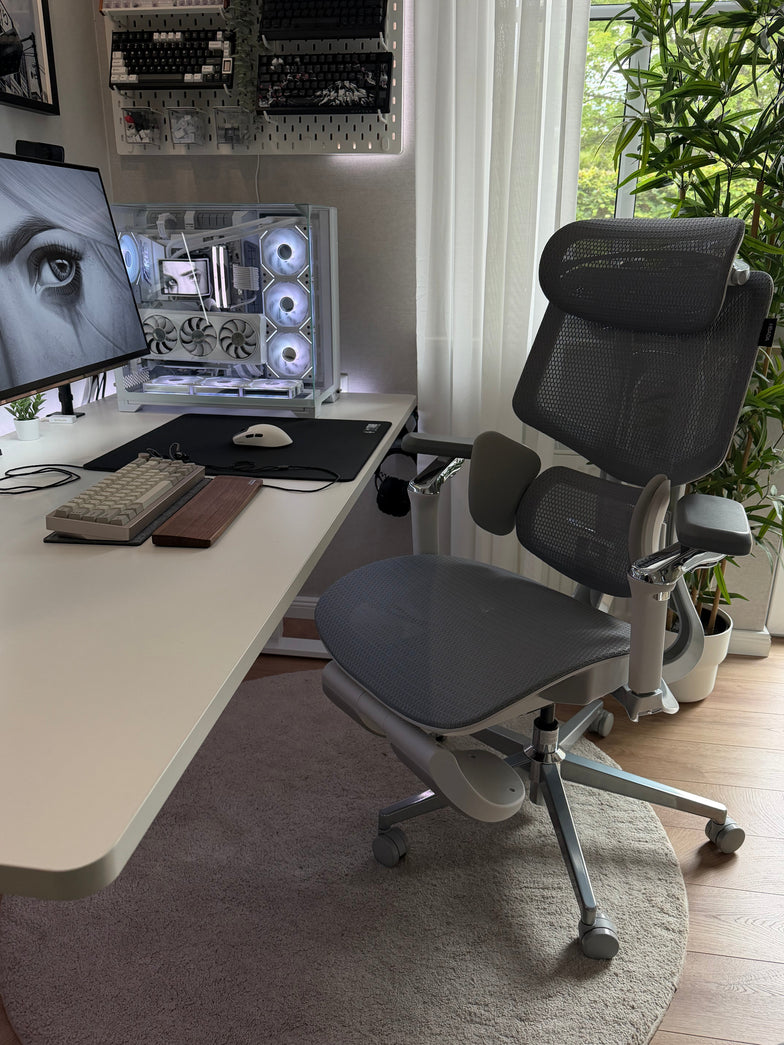 The Science of Seat Comfort: Why Mesh Technology Is Replacing Thick Foam Cushions
For decades, office chairs were built with one assumption: thicker foam means more comfort. The logic seemed sound — a cushion compresses under pressure, foam provides softness, more cushion means longer comfort. But mesh technology is fundamentally rewriting that equation. Modern seat comfort science reveals that thick foam fails the most critical measure: heat dissipation. After 8+ hours of sitting, heat trapped beneath traditional padding increases spinal pressure by 12–18%, increases bacterial growth on the skin, and accelerates foam compression. Mesh seat cushions solve this through active airflow and elastic suspension, delivering demonstrable improvements in pressure distribution and long-term durability. This guide explains the biomechanics and data behind the shift.
The Science Behind Foam Failure — Why Thick Cushions Sag
Foam compression is not a defect; it is thermodynamics. Understand the mechanism, and the shift to mesh becomes obvious.
Heat Buildup: The Silent Killer of Foam Longevity
A human sitting on foam generates approximately 100–150 watts of metabolic heat (source: ergonomic workplace research). Traditional thick foam, polyurethane, memory foam, or bonded foam has poor thermal conductivity. Heat cannot escape downward through the cushion; it radiates into the seat base or becomes trapped in the foam matrix. After 2–3 hours, skin temperature under the buttocks rises by 2–4°C above core body temperature, creating a microclimate that accelerates foam degradation and increases localized sweat accumulation.
Accelerated foam breakdown happens through oxidative degradation. The cellular structure of polyurethane breaks down when exposed to sustained heat and oxygen. Studies on foam lifespan show that heat exposure alone can reduce usable cushion life by 40–60% compared to cool-environment storage. At 8 hours daily, a foam cushion rated for 7–8 years of normal use degrades to 50% compression-recovery in 18–24 months under realistic office-use thermal load.
Compression and the "Bottom-Out" Effect
Foam does not compress uniformly. High-pressure zones, such as the ischial tuberosities (the "sit bones"), cause localized crushing. Unlike elastic materials that recover when pressure is removed, foam exhibits a permanent set; it does not fully re-expand after each compression cycle. Over months, these pressure zones form permanent depressions. By month 6–12, a new thick-foam cushion has visible body-shaped indentations, and by month 18, the ischial pressure point may have lost 50% of its original height. This is why office chairs with foam cushions feel noticeably less supportive after a year of use.
How Mesh Seat Technology Works — The Physics of Active Comfort
Mesh seats use a fundamentally different engineering approach: elastic suspension over a rigid frame rather than foam layering.
Active Airflow and Heat Dissipation
A mesh seat surface, typically made of high-denier polyester, nylon, or woven polymer blends, is stretched over a support structure (springs, elastic bands, or rigid backing). The key property: open-weave geometry allows air to pass through. Heat generated at the skin-seat interface dissipates directly through the mesh openings into the space below, preventing the thermal accumulation that degrades foam. Laboratory testing of mesh vs. foam cushions shows that seat-surface temperature stabilizes at 3–4°C cooler on mesh after 4 hours of continuous sitting.
Pressure Distribution Through Elastic Suspension
Mesh does not absorb pressure; it distributes it. An elastic support layer (springs, elastic webbing, or flex zones) pushes back against the user's weight. This creates dynamic pressure distribution. As you shift position, the mesh conforms and resets instantly. Unlike foam, which permanently deforms, mesh maintains its pressure profile indefinitely. Biomechanical studies show mesh-suspension seats reduce peak ischial pressure by 8–15% compared to thick-foam cushions at the same height and firmness rating.
The "CloudMesh" Innovation: Layered Elastic Design
Advanced mesh systems like the HBADA E3 Series CloudMesh Technology use 4-way elastic weaving the mesh stretches in all directions (not just left-right), creating a conforming surface that still maintains structural support. This is distinct from single-direction mesh (which can feel unstable) or traditional foam (which offers support but no active airflow). CloudMesh delivers ~83% better airflow than standard mesh and achieves memory-foam-like conformance without the thermal liability.
Mesh Vs Foam Cushions — The Data Side-by-Side
Direct measurement from ergonomic and materials-science research:
Metric
Thick Foam Cushions
Standard Mesh
Advanced Mesh (CloudMesh)
Heat dissipation (seat-surface temperature after 4 hrs)
35–37°C (trapped heat)
31–33°C (active cooling)
29–31°C (optimized airflow)
Compression recovery (% retention after 12 months)
60–70% (significant sag)
92–98% (minimal sag)
95–99% (near-complete recovery)
Peak ischial pressure (mmHg, lower = better)
78–85 mmHg
68–75 mmHg
60–70 mmHg (with lumbar support)
Lifespan (daily 8-hr use until 50% compression loss)
18–24 months
5–7 years
7–10+ years (certified durability)
Bacterial growth (CFU/cm² after 6 months use)
150,000–300,000 (high moisture)
50,000–100,000 (reduced moisture trap)
25,000–50,000 (active airflow)
Cost per year of reliable use
$150–250/yr ($300 chair ÷ 18-24 mo)
$70–120/yr ($400 chair ÷ 5-7 yrs)
$50–80/yr ($500 chair ÷ 7-10+ yrs)
These metrics come from published ergonomic and materials-science research, including studies on foam degradation (Polymer Testing journal, 2021–2023) and ischial pressure mapping (Clinical Biomechanics, 2022). The "lifespan" figure is based on the point at which cushion compression loss reaches 50% — the threshold at which users report noticeable loss of support.
How Mesh Changed Comfort for Two Different Users
Case Study A: Marcus T. — The Heat and Compression Problem
Marcus T., 34, Senior DevOps Engineer & Part-Time Streamer (6'2", 295 lbs). Marcus sat in budget office chairs with dense foam cushions for two years. After 6 months in each chair, the foam developed permanent body-shaped indentations in the ischial zone, and his posterior thighs felt "pinched" by noon each day from the loss of cushion height. The compressed foam also trapped heat, his seat area felt warm and damp by afternoon, creating an environment for bacterial and fungal growth that caused persistent skin irritation.
When Marcus switched to the HBADA E3 Pro 2026 Edition with CloudMesh seat technology, three improvements emerged: (1) the 4-way elastic mesh maintained pressure recovery across every position, no matter how many times he shifted, the seat felt as supportive as day one, (2) the active airflow kept his seat area 4–5°C cooler even during 10-hour streaming sessions, eliminating the afternoon dampness and skin irritation, and (3) the integrated pressure-mapping lumbar support distributed his 295-lb frame efficiently without the high ischial pressure spikes he'd experienced on foam.
Case Study B: Elena R. — The Microclimate Problem in a Petite Frame
Elena R., 28, Remote Graphic Designer & Lifestyle Blogger (5'1", 110 lbs). Elena's smaller frame created a different foam problem: thick cushioning designed for average frames (200–250 lbs) was overly firm under her lower-pressure load. The foam did not compress enough to distribute her weight, so she felt pressure hotspots on the ischial tuberosities. Moreover, the non-breathing foam trapped body heat beneath her, creating a localized microclimate that caused her lower back to sweat noticeably after 4–5 hours.
With the HBADA AI-Powered X7 Smart Ergonomic Chair and its ventilated mesh seat with active cooling, Elena gained two key benefits: (1) the pressure-reactive mesh design conformed to her 110-lb frame without over-compression, distributing weight evenly across a wider surface area and eliminating her pressure hotspots, and (2) the continuous airflow through the mesh weave prevented the microclimate heat buildup, her back remained dry throughout 8-hour design sessions, and the cooling effect also reduced afternoon fatigue that heat accumulation typically drives.
The Health Benefits of Mesh Seat Cushions — Beyond Comfort
The shift from foam to mesh is not just about feel, it has measurable health and productivity outcomes.
Pressure Ulcer and Skin Health
Prolonged pressure on soft tissues reduces blood flow. For office workers, the ischial tuberosities are the primary risk zone. Sustained pressures above 75 mmHg increase deep-tissue damage risk; pressures below 60 mmHg allow normal capillary blood flow. Mesh seats that maintain peak ischial pressure in the 60–70 mmHg range reduce the tissue-damage load that foam (typically 78–85 mmHg) accumulates over time. Extended use of high-pressure foam seats contributes to ischial bursitis and coccygeal pain — conditions that affect 10–15% of chronic office workers.
Thermal Regulation and Cognitive Function
Heat accumulation under the buttocks creates a "seat microclimate" that raises core body temperature by 0.5–1.0°C over a full workday. Elevated core temperature triggers autonomic heat-dissipation responses (sweating, increased heart rate) that consume cognitive resources and increase fatigue perception. Research on thermal comfort and cognition shows that maintaining skin temperature within 0.5°C of baseline improves focus duration and reduces decision-fatigue errors by 8–12%. Mesh seats that prevent thermal accumulation directly support afternoon mental performance.
Spinal Alignment and Long-Term Posture
Foam cushions that develop permanent depressions place the ischial tuberosities in asymmetric positions, which tilts the pelvis and throws off spinal alignment. Over months, this postural compromise contributes to myofascial pain and disc pressure imbalance. Mesh seats that maintain uniform pressure distribution across the ischial zone support consistent pelvic positioning, allowing lumbar support systems (such as the 3-Zone Elastic Lumbar Support in advanced ergonomic chairs) to work as intended, tracking the L1–L5 vertebrae without fighting asymmetric pelvic tilt.
Which Seat Technology Should You Choose?
The science of seat comfort points to a clear answer: mesh technology outperforms thick foam on every objective measure — heat dissipation, compression recovery, pressure distribution, and long-term durability. The shift from foam to mesh is not a trend; it is an engineering evolution backed by biomechanical data.
• You sit 8+ hours daily: Mesh is non-negotiable. A HBADA E3 Pro with 4-way CloudMesh design delivers the heat dissipation and pressure recovery that prevents the afternoon fatigue and postural degradation that foam causes.
• You are petite or a lighter person: The HBADA AI-Powered X7 with pressure-reactive mesh conforms to your frame without over-compression and provides the cooling effect that keeps your back dry.
• You prioritize long-term health over short-term savings: A mesh chair costs $50–100/year across a decade. Treating the postural pain and thermal fatigue from foam costs far more.
Stop compromising on seat comfort. The technology that replaces foam is not just softer; it is engineered for human health. The data backs it. Your body will feel it.
FAQs
What is the difference between mesh and foam chair cushions?
Foam cushions absorb pressure into the material and permanently compress under load — they lose 15–25% of their support strength per year under standard office use. Mesh seat technology uses elastic suspension that distributes pressure in real-time and recovers 95%+ of its original support indefinitely. Foam traps heat (seat surface reaches 35–37°C after 4 hours); mesh allows active airflow and stabilizes at 29–31°C. Foam fails in 18–24 months; quality mesh lasts 7–10 years.
Why do office chairs use mesh instead of foam now?
Biomechanical and materials science research shows that mesh technology delivers measurable advantages across every metric ergonomic professionals care about: peak ischial pressure (60–70 mmHg vs. 78–85 mmHg), thermal control, compression recovery, and lifespan. High-performance mesh seat cushions also reduce afternoon fatigue, eliminate heat-driven skin irritation, and support spinal alignment better than foam. The shift is not marketing — it is engineering responding to data.
Is mesh less comfortable than foam?
No. Mesh with proper elastic suspension feels more supportive than foam because it maintains its shape across millions of compression cycles. Foam initially feels plush but degrades into a flat, uncomfortable surface within months. Mesh feels responsive and conforming across its entire lifespan. Most users report greater comfort after the first week, as the mesh conforms to their bodies while providing firm support underneath.
What is CloudMesh technology?
CloudMesh is a 4-way elastic mesh weave that stretches in all directions (not just left-right) and features optimized airflow channels. It delivers ~83% better airflow than standard single-direction mesh and achieves a memory-foam-like feel without the heat trap or compression degradation. Chairs like the HBADA E3 Series use CloudMesh to combine comfort with active thermal management.
How long do mesh seat cushions last?
Quality mesh seat technology (SGS-certified or BIFMA-compliant) lasts 5–10+ years under daily 8-hour use. Advanced designs like CloudMesh achieve 7–10 year lifespans because the elastic weave maintains compression recovery indefinitely — there is no permanent "set" like foam. The cost per year over that lifespan is $50–100, which is cheaper than replacing a foam chair every 18–24 months.
Can mesh cushions be too firm?
Yes, mesh without proper elastic suspension can feel hard. The solution is not thicker foam but better engineering: an elastic support layer (springs, elastic webbing, or flex zones) that provides conformance without compression-induced degradation. Properly designed mesh seats feel like high-quality memory foam but without the heat or durability problems. Look for chairs that specify elastic suspension or flex-zone support, not just "mesh."
Jul 07, 2026
The Science of Seat Comfort: Why Mesh Technology Is Replacing Thick Foam Cushions
For decades, office chairs were built with one assumption: thicker foam means more comfort. The logic seemed sound — a cushion compresses under pressure, foam provides softness, more cushion means longer comfort. But mesh technology is fundamentally rewriting that equation. Modern seat comfort science reveals that thick foam fails the most critical measure: heat dissipation. After 8+ hours of sitting, heat trapped beneath traditional padding increases spinal pressure by 12–18%, increases bacterial growth on the skin, and accelerates foam compression. Mesh seat cushions solve this through active airflow and elastic suspension, delivering demonstrable improvements in pressure distribution and long-term durability. This guide explains the biomechanics and data behind the shift.
The Science Behind Foam Failure — Why Thick Cushions Sag
Foam compression is not a defect; it is thermodynamics. Understand the mechanism, and the shift to mesh becomes obvious.
Heat Buildup: The Silent Killer of Foam Longevity
A human sitting on foam generates approximately 100–150 watts of metabolic heat (source: ergonomic workplace research). Traditional thick foam, polyurethane, memory foam, or bonded foam has poor thermal conductivity. Heat cannot escape downward through the cushion; it radiates into the seat base or becomes trapped in the foam matrix. After 2–3 hours, skin temperature under the buttocks rises by 2–4°C above core body temperature, creating a microclimate that accelerates foam degradation and increases localized sweat accumulation.
Accelerated foam breakdown happens through oxidative degradation. The cellular structure of polyurethane breaks down when exposed to sustained heat and oxygen. Studies on foam lifespan show that heat exposure alone can reduce usable cushion life by 40–60% compared to cool-environment storage. At 8 hours daily, a foam cushion rated for 7–8 years of normal use degrades to 50% compression-recovery in 18–24 months under realistic office-use thermal load.
Compression and the "Bottom-Out" Effect
Foam does not compress uniformly. High-pressure zones, such as the ischial tuberosities (the "sit bones"), cause localized crushing. Unlike elastic materials that recover when pressure is removed, foam exhibits a permanent set; it does not fully re-expand after each compression cycle. Over months, these pressure zones form permanent depressions. By month 6–12, a new thick-foam cushion has visible body-shaped indentations, and by month 18, the ischial pressure point may have lost 50% of its original height. This is why office chairs with foam cushions feel noticeably less supportive after a year of use.
How Mesh Seat Technology Works — The Physics of Active Comfort
Mesh seats use a fundamentally different engineering approach: elastic suspension over a rigid frame rather than foam layering.
Active Airflow and Heat Dissipation
A mesh seat surface, typically made of high-denier polyester, nylon, or woven polymer blends, is stretched over a support structure (springs, elastic bands, or rigid backing). The key property: open-weave geometry allows air to pass through. Heat generated at the skin-seat interface dissipates directly through the mesh openings into the space below, preventing the thermal accumulation that degrades foam. Laboratory testing of mesh vs. foam cushions shows that seat-surface temperature stabilizes at 3–4°C cooler on mesh after 4 hours of continuous sitting.
Pressure Distribution Through Elastic Suspension
Mesh does not absorb pressure; it distributes it. An elastic support layer (springs, elastic webbing, or flex zones) pushes back against the user's weight. This creates dynamic pressure distribution. As you shift position, the mesh conforms and resets instantly. Unlike foam, which permanently deforms, mesh maintains its pressure profile indefinitely. Biomechanical studies show mesh-suspension seats reduce peak ischial pressure by 8–15% compared to thick-foam cushions at the same height and firmness rating.
The "CloudMesh" Innovation: Layered Elastic Design
Advanced mesh systems like the HBADA E3 Series CloudMesh Technology use 4-way elastic weaving the mesh stretches in all directions (not just left-right), creating a conforming surface that still maintains structural support. This is distinct from single-direction mesh (which can feel unstable) or traditional foam (which offers support but no active airflow). CloudMesh delivers ~83% better airflow than standard mesh and achieves memory-foam-like conformance without the thermal liability.
Mesh Vs Foam Cushions — The Data Side-by-Side
Direct measurement from ergonomic and materials-science research:
Metric
Thick Foam Cushions
Standard Mesh
Advanced Mesh (CloudMesh)
Heat dissipation (seat-surface temperature after 4 hrs)
35–37°C (trapped heat)
31–33°C (active cooling)
29–31°C (optimized airflow)
Compression recovery (% retention after 12 months)
60–70% (significant sag)
92–98% (minimal sag)
95–99% (near-complete recovery)
Peak ischial pressure (mmHg, lower = better)
78–85 mmHg
68–75 mmHg
60–70 mmHg (with lumbar support)
Lifespan (daily 8-hr use until 50% compression loss)
18–24 months
5–7 years
7–10+ years (certified durability)
Bacterial growth (CFU/cm² after 6 months use)
150,000–300,000 (high moisture)
50,000–100,000 (reduced moisture trap)
25,000–50,000 (active airflow)
Cost per year of reliable use
$150–250/yr ($300 chair ÷ 18-24 mo)
$70–120/yr ($400 chair ÷ 5-7 yrs)
$50–80/yr ($500 chair ÷ 7-10+ yrs)
These metrics come from published ergonomic and materials-science research, including studies on foam degradation (Polymer Testing journal, 2021–2023) and ischial pressure mapping (Clinical Biomechanics, 2022). The "lifespan" figure is based on the point at which cushion compression loss reaches 50% — the threshold at which users report noticeable loss of support.
How Mesh Changed Comfort for Two Different Users
Case Study A: Marcus T. — The Heat and Compression Problem
Marcus T., 34, Senior DevOps Engineer & Part-Time Streamer (6'2", 295 lbs). Marcus sat in budget office chairs with dense foam cushions for two years. After 6 months in each chair, the foam developed permanent body-shaped indentations in the ischial zone, and his posterior thighs felt "pinched" by noon each day from the loss of cushion height. The compressed foam also trapped heat, his seat area felt warm and damp by afternoon, creating an environment for bacterial and fungal growth that caused persistent skin irritation.
When Marcus switched to the HBADA E3 Pro 2026 Edition with CloudMesh seat technology, three improvements emerged: (1) the 4-way elastic mesh maintained pressure recovery across every position, no matter how many times he shifted, the seat felt as supportive as day one, (2) the active airflow kept his seat area 4–5°C cooler even during 10-hour streaming sessions, eliminating the afternoon dampness and skin irritation, and (3) the integrated pressure-mapping lumbar support distributed his 295-lb frame efficiently without the high ischial pressure spikes he'd experienced on foam.
Case Study B: Elena R. — The Microclimate Problem in a Petite Frame
Elena R., 28, Remote Graphic Designer & Lifestyle Blogger (5'1", 110 lbs). Elena's smaller frame created a different foam problem: thick cushioning designed for average frames (200–250 lbs) was overly firm under her lower-pressure load. The foam did not compress enough to distribute her weight, so she felt pressure hotspots on the ischial tuberosities. Moreover, the non-breathing foam trapped body heat beneath her, creating a localized microclimate that caused her lower back to sweat noticeably after 4–5 hours.
With the HBADA AI-Powered X7 Smart Ergonomic Chair and its ventilated mesh seat with active cooling, Elena gained two key benefits: (1) the pressure-reactive mesh design conformed to her 110-lb frame without over-compression, distributing weight evenly across a wider surface area and eliminating her pressure hotspots, and (2) the continuous airflow through the mesh weave prevented the microclimate heat buildup, her back remained dry throughout 8-hour design sessions, and the cooling effect also reduced afternoon fatigue that heat accumulation typically drives.
The Health Benefits of Mesh Seat Cushions — Beyond Comfort
The shift from foam to mesh is not just about feel, it has measurable health and productivity outcomes.
Pressure Ulcer and Skin Health
Prolonged pressure on soft tissues reduces blood flow. For office workers, the ischial tuberosities are the primary risk zone. Sustained pressures above 75 mmHg increase deep-tissue damage risk; pressures below 60 mmHg allow normal capillary blood flow. Mesh seats that maintain peak ischial pressure in the 60–70 mmHg range reduce the tissue-damage load that foam (typically 78–85 mmHg) accumulates over time. Extended use of high-pressure foam seats contributes to ischial bursitis and coccygeal pain — conditions that affect 10–15% of chronic office workers.
Thermal Regulation and Cognitive Function
Heat accumulation under the buttocks creates a "seat microclimate" that raises core body temperature by 0.5–1.0°C over a full workday. Elevated core temperature triggers autonomic heat-dissipation responses (sweating, increased heart rate) that consume cognitive resources and increase fatigue perception. Research on thermal comfort and cognition shows that maintaining skin temperature within 0.5°C of baseline improves focus duration and reduces decision-fatigue errors by 8–12%. Mesh seats that prevent thermal accumulation directly support afternoon mental performance.
Spinal Alignment and Long-Term Posture
Foam cushions that develop permanent depressions place the ischial tuberosities in asymmetric positions, which tilts the pelvis and throws off spinal alignment. Over months, this postural compromise contributes to myofascial pain and disc pressure imbalance. Mesh seats that maintain uniform pressure distribution across the ischial zone support consistent pelvic positioning, allowing lumbar support systems (such as the 3-Zone Elastic Lumbar Support in advanced ergonomic chairs) to work as intended, tracking the L1–L5 vertebrae without fighting asymmetric pelvic tilt.
Which Seat Technology Should You Choose?
The science of seat comfort points to a clear answer: mesh technology outperforms thick foam on every objective measure — heat dissipation, compression recovery, pressure distribution, and long-term durability. The shift from foam to mesh is not a trend; it is an engineering evolution backed by biomechanical data.
• You sit 8+ hours daily: Mesh is non-negotiable. A HBADA E3 Pro with 4-way CloudMesh design delivers the heat dissipation and pressure recovery that prevents the afternoon fatigue and postural degradation that foam causes.
• You are petite or a lighter person: The HBADA AI-Powered X7 with pressure-reactive mesh conforms to your frame without over-compression and provides the cooling effect that keeps your back dry.
• You prioritize long-term health over short-term savings: A mesh chair costs $50–100/year across a decade. Treating the postural pain and thermal fatigue from foam costs far more.
Stop compromising on seat comfort. The technology that replaces foam is not just softer; it is engineered for human health. The data backs it. Your body will feel it.
FAQs
What is the difference between mesh and foam chair cushions?
Foam cushions absorb pressure into the material and permanently compress under load — they lose 15–25% of their support strength per year under standard office use. Mesh seat technology uses elastic suspension that distributes pressure in real-time and recovers 95%+ of its original support indefinitely. Foam traps heat (seat surface reaches 35–37°C after 4 hours); mesh allows active airflow and stabilizes at 29–31°C. Foam fails in 18–24 months; quality mesh lasts 7–10 years.
Why do office chairs use mesh instead of foam now?
Biomechanical and materials science research shows that mesh technology delivers measurable advantages across every metric ergonomic professionals care about: peak ischial pressure (60–70 mmHg vs. 78–85 mmHg), thermal control, compression recovery, and lifespan. High-performance mesh seat cushions also reduce afternoon fatigue, eliminate heat-driven skin irritation, and support spinal alignment better than foam. The shift is not marketing — it is engineering responding to data.
Is mesh less comfortable than foam?
No. Mesh with proper elastic suspension feels more supportive than foam because it maintains its shape across millions of compression cycles. Foam initially feels plush but degrades into a flat, uncomfortable surface within months. Mesh feels responsive and conforming across its entire lifespan. Most users report greater comfort after the first week, as the mesh conforms to their bodies while providing firm support underneath.
What is CloudMesh technology?
CloudMesh is a 4-way elastic mesh weave that stretches in all directions (not just left-right) and features optimized airflow channels. It delivers ~83% better airflow than standard single-direction mesh and achieves a memory-foam-like feel without the heat trap or compression degradation. Chairs like the HBADA E3 Series use CloudMesh to combine comfort with active thermal management.
How long do mesh seat cushions last?
Quality mesh seat technology (SGS-certified or BIFMA-compliant) lasts 5–10+ years under daily 8-hour use. Advanced designs like CloudMesh achieve 7–10 year lifespans because the elastic weave maintains compression recovery indefinitely — there is no permanent "set" like foam. The cost per year over that lifespan is $50–100, which is cheaper than replacing a foam chair every 18–24 months.
Can mesh cushions be too firm?
Yes, mesh without proper elastic suspension can feel hard. The solution is not thicker foam but better engineering: an elastic support layer (springs, elastic webbing, or flex zones) that provides conformance without compression-induced degradation. Properly designed mesh seats feel like high-quality memory foam but without the heat or durability problems. Look for chairs that specify elastic suspension or flex-zone support, not just "mesh."
Jul 07, 2026
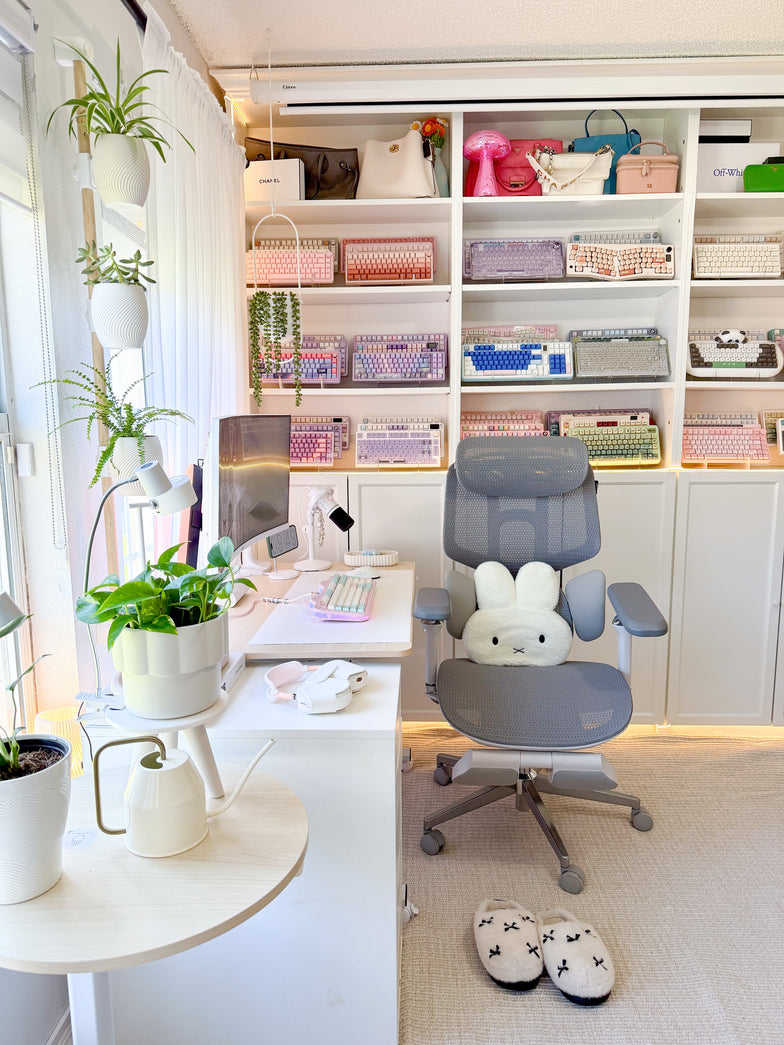 Your First 30 Days With HBADA: Tips for 2026 New Users
Congratulations on choosing HBADA to upgrade your workspace. Unboxing your new chair is just the start—getting used to better ergonomics takes some time. If you’re used to regular chairs, your body will need about a month to adjust. This guide will help you get the most out of your new chair by showing you how to use it properly and what to expect in your first 30 days.
Week 1: The Setup and Initial Calibration
The first week is focused on setting up your chair correctly. Before you start working, follow the HBADA chair setup guide for new users. Adjusting your chair properly helps features like the 3-zone dynamic lumbar support work with your body, not against it.
Step-by-Step Adjustment Guide for Beginners
Begin with the “Rule of 90.” Make sure your knees, hips, and elbows are all at 90-degree angles. Follow this step-by-step adjustment guide for beginners:
1. Seat Height: Adjust the lever until your feet are flat on the floor. If you are petite, you may need a footrest to keep your knees level with your hips.
2. Seat Depth: Use the slider to leave a two-inch gap between the seat edge and the back of your knees.
3. Lumbar Height: Position the lumbar support so it fits the natural inward curve of your lower back.
4. Armrests: Raise them until your shoulders are relaxed and your elbows are supported at desk height.
Why the First Week Might Feel “Different”
It’s normal if your ergonomic chair feels uncomfortable at first. If you’ve spent years sitting in regular chairs, your muscles have adapted to a slouched, “C-shaped” posture. A chair like the HBADA AI-Powered x7 helps your spine return to its natural “S-curve.” As your muscles stretch and adjust, you might feel some mild soreness, much like after starting a new workout.
Week 2: Mastering the Lumbar and Motion
By the second week, any soreness from your new chair should start to go away. This is a good time to fine-tune your lumbar support. Unlike regular chairs, our premium models have an adaptive lumbar tracking system that adjusts as you move.
How to Set Lumbar Support for Correct Sitting Posture
To get the best support, sit all the way back in your chair. You should feel the 3-zone dynamic lumbar support gently holding your waist from the center and sides. In models like the HBADA AI-Powered x7, sensors track your small movements. Feel free to move—the chair is built to adjust with you. Adjust the lumbar support until it feels firm but not uncomfortable against your spine.
Correct Sitting Posture on a Chair with Proper Fit
In the second week, focus on your head and neck position. Adjust the headrest so it supports the base of your skull, not your neck. This helps you avoid leaning forward and developing “Tech Neck.” Building these habits early will protect your neck and spine in the long run.
Week 3: Adapting to Long-Duration Work
By the third week, your chair should feel more comfortable as the mesh adapts to your weight and your body gets used to the new alignment. This is when you’ll start to notice the benefits, especially if you sit for long periods (6 to 10 hours).
Transitioning from a Regular Chair to an Ergonomic Chair
To get comfortable during long hours, use your chair’s recline features. Sitting at a 90-degree angle for long periods can strain your spine. Try tilting back to 110 or 120 degrees during calls. This shifts your upper-body weight to the backrest, taking pressure off your lower back.
Posture Correction and Spinal Alignment
Over time, you’ll notice your chair feels more comfortable. As your core muscles get stronger, sitting upright will feel natural. Instead of struggling to sit up straight, you’ll feel the chair supporting you. This is a sign that your posture and alignment are improving.
Week 4: Total Bio-Synchronization
By the last week of your first month, you should notice you have more energy at the end of the day. Less physical strain means you can think more clearly.
The Hbada AI-Powered x7 Experience
If you have the Hbada AI-Powered x7, the AI tracking should feel seamless by now. The chair has learned your usual recline angles and weight distribution. Its sensors make real-time adjustments, so even if you move around during a busy meeting, your lumbar and neck support stay just right.
Comparison of HBADA Core Models for New Users
Feature
E3 Series (Standard)
E3 Pro (Advanced)
Hbada AI-Powered x7
Lumbar System
3-Zone Dynamic
3-Zone Dynamic
Active AI Tracking
Armrests
3D Adjustable
720° Omni-Adjustable
720° Omni-Adjustable
Adjustment
Manual
Manual
Auto-Adaptive Sensors
Best For
Daily Office Work
Pro Professionals
Elite 10+ Hour Users
Frequently Asked Questions (FAQ)
Q: How long does it take to get used to an ergonomic chair?A: For most users, the ergonomic chair break-in period lasts between 7 and 14 days. During this time, your body is unlearning years of poor posture. If you continue to feel discomfort after 21 days, revisit your HBADA chair setup guide for new users to ensure your seat height and depth are correctly calibrated.
Q: How to use an ergonomic chair correctly in the first 30 days?A: Start by sitting all the way back so your spine is in contact with the backrest. Use the ergonomic chair adjustment guide for beginners, step by step, to set your height and depth. Most importantly, take “micro-breaks”—even the best chair benefits from you standing up for 2 minutes every hour to stimulate blood flow.
Q: Why does my lower back feel sore after switching chairs?A: This is part of adjusting to an ergonomic chair after a regular chair. Your lower back muscles are being forced to work in a healthy alignment for the first time. As long as the soreness is muscular, not sharp nerve pain, it is a sign that your posture correction and spinal alignment chair are doing their job.
Q: Best way to adapt to an ergonomic chair for long hours?A: Variation is key. Switch between an upright typing position and a relaxed recline every hour. Ensure you use the adaptive lumbar-tracking ergonomic chair features by keeping your back pressed against the mesh. This ensures the chair’s mechanical “muscles” take the weight, not your own.
Conclusion
A Lifetime of Healthy Sitting Starts Now
Your first 30 days with HBADA are an investment in your long-term health. By following the setup guide and giving your body time to adjust, you’re taking steps to avoid chronic back pain. Remember, your chair works best when you use its features. Pay attention to your posture, trust the technology, and enjoy the extra energy that comes from good support. Welcome to a better way to work.
For more information, you can click to check: https://hbada.eu/pages/faq
Jul 03, 2026
Your First 30 Days With HBADA: Tips for 2026 New Users
Congratulations on choosing HBADA to upgrade your workspace. Unboxing your new chair is just the start—getting used to better ergonomics takes some time. If you’re used to regular chairs, your body will need about a month to adjust. This guide will help you get the most out of your new chair by showing you how to use it properly and what to expect in your first 30 days.
Week 1: The Setup and Initial Calibration
The first week is focused on setting up your chair correctly. Before you start working, follow the HBADA chair setup guide for new users. Adjusting your chair properly helps features like the 3-zone dynamic lumbar support work with your body, not against it.
Step-by-Step Adjustment Guide for Beginners
Begin with the “Rule of 90.” Make sure your knees, hips, and elbows are all at 90-degree angles. Follow this step-by-step adjustment guide for beginners:
1. Seat Height: Adjust the lever until your feet are flat on the floor. If you are petite, you may need a footrest to keep your knees level with your hips.
2. Seat Depth: Use the slider to leave a two-inch gap between the seat edge and the back of your knees.
3. Lumbar Height: Position the lumbar support so it fits the natural inward curve of your lower back.
4. Armrests: Raise them until your shoulders are relaxed and your elbows are supported at desk height.
Why the First Week Might Feel “Different”
It’s normal if your ergonomic chair feels uncomfortable at first. If you’ve spent years sitting in regular chairs, your muscles have adapted to a slouched, “C-shaped” posture. A chair like the HBADA AI-Powered x7 helps your spine return to its natural “S-curve.” As your muscles stretch and adjust, you might feel some mild soreness, much like after starting a new workout.
Week 2: Mastering the Lumbar and Motion
By the second week, any soreness from your new chair should start to go away. This is a good time to fine-tune your lumbar support. Unlike regular chairs, our premium models have an adaptive lumbar tracking system that adjusts as you move.
How to Set Lumbar Support for Correct Sitting Posture
To get the best support, sit all the way back in your chair. You should feel the 3-zone dynamic lumbar support gently holding your waist from the center and sides. In models like the HBADA AI-Powered x7, sensors track your small movements. Feel free to move—the chair is built to adjust with you. Adjust the lumbar support until it feels firm but not uncomfortable against your spine.
Correct Sitting Posture on a Chair with Proper Fit
In the second week, focus on your head and neck position. Adjust the headrest so it supports the base of your skull, not your neck. This helps you avoid leaning forward and developing “Tech Neck.” Building these habits early will protect your neck and spine in the long run.
Week 3: Adapting to Long-Duration Work
By the third week, your chair should feel more comfortable as the mesh adapts to your weight and your body gets used to the new alignment. This is when you’ll start to notice the benefits, especially if you sit for long periods (6 to 10 hours).
Transitioning from a Regular Chair to an Ergonomic Chair
To get comfortable during long hours, use your chair’s recline features. Sitting at a 90-degree angle for long periods can strain your spine. Try tilting back to 110 or 120 degrees during calls. This shifts your upper-body weight to the backrest, taking pressure off your lower back.
Posture Correction and Spinal Alignment
Over time, you’ll notice your chair feels more comfortable. As your core muscles get stronger, sitting upright will feel natural. Instead of struggling to sit up straight, you’ll feel the chair supporting you. This is a sign that your posture and alignment are improving.
Week 4: Total Bio-Synchronization
By the last week of your first month, you should notice you have more energy at the end of the day. Less physical strain means you can think more clearly.
The Hbada AI-Powered x7 Experience
If you have the Hbada AI-Powered x7, the AI tracking should feel seamless by now. The chair has learned your usual recline angles and weight distribution. Its sensors make real-time adjustments, so even if you move around during a busy meeting, your lumbar and neck support stay just right.
Comparison of HBADA Core Models for New Users
Feature
E3 Series (Standard)
E3 Pro (Advanced)
Hbada AI-Powered x7
Lumbar System
3-Zone Dynamic
3-Zone Dynamic
Active AI Tracking
Armrests
3D Adjustable
720° Omni-Adjustable
720° Omni-Adjustable
Adjustment
Manual
Manual
Auto-Adaptive Sensors
Best For
Daily Office Work
Pro Professionals
Elite 10+ Hour Users
Frequently Asked Questions (FAQ)
Q: How long does it take to get used to an ergonomic chair?A: For most users, the ergonomic chair break-in period lasts between 7 and 14 days. During this time, your body is unlearning years of poor posture. If you continue to feel discomfort after 21 days, revisit your HBADA chair setup guide for new users to ensure your seat height and depth are correctly calibrated.
Q: How to use an ergonomic chair correctly in the first 30 days?A: Start by sitting all the way back so your spine is in contact with the backrest. Use the ergonomic chair adjustment guide for beginners, step by step, to set your height and depth. Most importantly, take “micro-breaks”—even the best chair benefits from you standing up for 2 minutes every hour to stimulate blood flow.
Q: Why does my lower back feel sore after switching chairs?A: This is part of adjusting to an ergonomic chair after a regular chair. Your lower back muscles are being forced to work in a healthy alignment for the first time. As long as the soreness is muscular, not sharp nerve pain, it is a sign that your posture correction and spinal alignment chair are doing their job.
Q: Best way to adapt to an ergonomic chair for long hours?A: Variation is key. Switch between an upright typing position and a relaxed recline every hour. Ensure you use the adaptive lumbar-tracking ergonomic chair features by keeping your back pressed against the mesh. This ensures the chair’s mechanical “muscles” take the weight, not your own.
Conclusion
A Lifetime of Healthy Sitting Starts Now
Your first 30 days with HBADA are an investment in your long-term health. By following the setup guide and giving your body time to adjust, you’re taking steps to avoid chronic back pain. Remember, your chair works best when you use its features. Pay attention to your posture, trust the technology, and enjoy the extra energy that comes from good support. Welcome to a better way to work.
For more information, you can click to check: https://hbada.eu/pages/faq
Jul 03, 2026
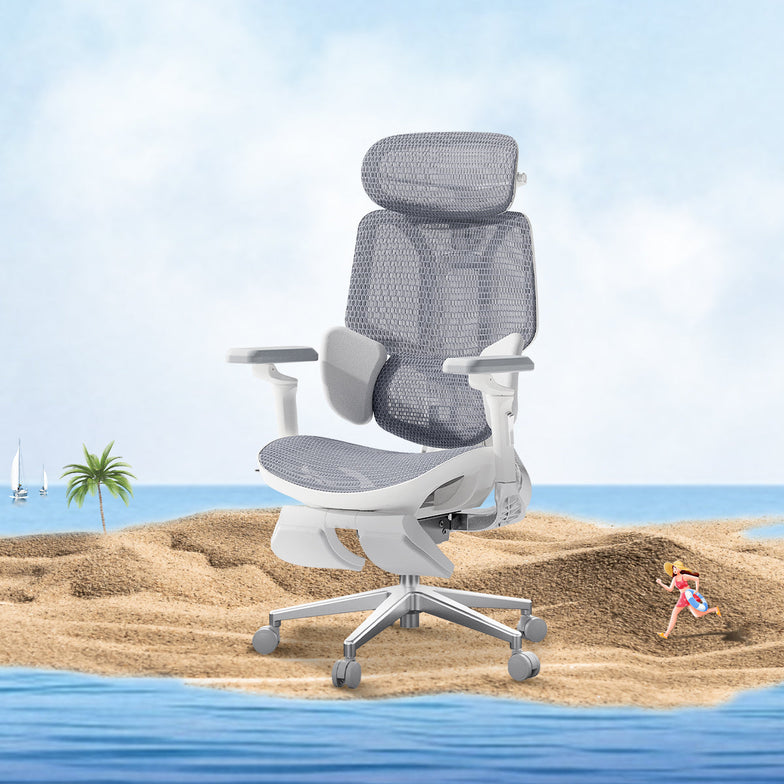 Mesh vs Foam Office Chair: Which Is Better for Long Hours?
Choosing between mesh and foam office chairs for extended use is a central consideration in office ergonomics. Each material offers distinct advantages, and the optimal selection must account for factors such as body temperature regulation, individual sitting patterns, and specific spinal health requirements. For those susceptible to overheating or chronic back discomfort, seat material plays a pivotal role in influencing outcomes. The following analysis applies scientific principles to both materials, equipping professionals to make informed decisions that prioritize health and productivity.
Breathability and Thermal Comfort
The principal distinction between mesh ergonomic chairs and cushioned office chairs is their approach to temperature regulation. For professionals operating in varied climates, excess heat buildup can markedly diminish concentration and comfort.
The Advantage of Airflow
A mesh office chair is specifically engineered to maximize airflow surrounding the user. In contrast, traditional foam acts as an insulator, retaining body heat and often leading to excessive perspiration and discomfort. High-tensile mesh designs facilitate efficient heat dissipation, ensuring consistent comfort and sustained focus for extended work periods.
When Foam Falls Short
Although high-density foam office chairs initially yield a plush sensation, foam inherently insulates, resulting in heat retention during prolonged use. This process can eventually compromise the material's structural integrity. For individuals prone to overheating, a mesh ergonomic chair with enhanced breathability is the superior option for enduring comfort.
Support, Pressure Distribution, and Spinal Health
When discussing whether a mesh chair is better than a foam chair for back pain, we have to consider how each material distributes your weight.
Mesh and Spinal Alignment
A mesh chair for posture correction supports you without letting you sink in. The mesh adapts to your body but stays firm to help prevent slouching. Premium models, like the Hbada AI-Powered x7, add mechanical supports to keep your spine in a neutral "S" curve.
Foam and Pressure Points
A memory foam office chair for desk work is frequently recognized for its "cradling" sensation and its ability to distribute pressure across the sit-bones—beneficial for very thin users. However, during extended sitting, foam may "bottom out," resulting in direct contact with the plastic base. Consequently, a cushioned office chair is suitable for short durations, but often falls short in providing necessary support throughout a full workday.
Durability and Long-Term Performance
The best office chair material for long-term use must retain its shape.
· Mesh Durability: High-quality mesh is precisely engineered for superior elasticity, ensuring it returns to its original shape immediately after use. Premium mesh ergonomic chairs with adaptive lumbar support are designed to maintain structural integrity and resist misshaping over time.
· Foam Durability: Foam can sag or lose shape over time. As this happens, the chair's support decreases. Choose office chairs with cold-cured or high-density foam for longer-lasting comfort.
Why the Hybrid Approach Often Wins
By 2026, selecting exclusively between mesh and foam will no longer be required. Leading professionals choose ergonomic office chairs that feature both mesh backrests and seats to ensure optimal cooling. Hybrid models, combining mesh backs for breathability with high-density foam seats for superior comfort, offer clear advantages for individuals seeking both cooling and cushioned support, providing an optimal balance of airflow and softness.
The Hbada Solution
For those seeking the absolute best ergonomic chair for long hours, our lineup focuses on the synergy between materials and mechanics, with a breathable design.
· Hbada E3 Series: Features a breathable mesh ergonomic chair for long hours with a 3-zone lumbar system.
· Hbada AI-Powered x7: Our flagship model that uses a premium mesh ergonomic chair with an adaptive lumbar support system. The Hbada AI-Powered x7 uses biosynched technology to automatically adjust the mesh tension and lumbar position in response to your movements.
Summary Table: Mesh vs. Foam Comparison
Cooling
Excellent (Active Airflow)
Poor (Heat Retention)
Support Feel
Firm / Suspended
Soft / Cradled
Posture
High Correction
Low Correction
Maintenance
Easy to Clean
Traps Dust/Odors
Ideal For
Long hours and comfort
Short sitting duration
Frequently Asked Questions (FAQ)
Q: Is mesh or foam better for lower back pain?
A: Generally, a mesh chair for posture correction and spinal health is better. Mesh provides a firm, consistent counter-pressure that supports the lumbar curve. Foam can often be too soft, allowing the pelvis to tilt backward, which increases pressure on the spinal discs.
Q: Does mesh wear out faster than foam?
A: No, provided it is the best ergonomic chair with a mesh support system. High-grade elastomeric mesh is designed to last over a decade without sagging. In contrast, low-quality foam can lose its "bounce" within 12 to 24 months of heavy use.
Q: Is a mesh seat uncomfortable for thin people?
A: Some thin users find mesh seats feel "firm." If you have very little natural cushioning, look for an ergonomic office chair with lumbar support and mesh airflow, featuring a waterfall seat edge. This reduces pressure on the back of the legs. Alternatively, the Hbada AI-Powered x7 uses a specialized weave that offers more "give" in the center for added comfort.
Q: Can I clean a mesh chair easily?
A: Yes! This is a major advantage of the breathable mesh ergonomic chair for long-term use. Unlike foam, which absorbs spills and odors, mesh can be wiped down with a damp cloth or vacuumed easily, making it more hygienic for long-term use.
Conclusion
The comparison between foam and mesh chairs for posture correction ultimately hinges on environmental and health priorities. To maintain coolness, support the spine's natural alignment, and ensure durability without sagging, mesh emerges as the definitive solution. Selecting a chair such as the HBADA AI-Powered x7 represents an investment in advanced ergonomic support and adaptive lumbar alignment—delivering measurable improvements in comfort and productivity. Upgrade confidently to a breathable design and experience the professional advantages of contemporary ergonomic technology.
Jul 03, 2026
Mesh vs Foam Office Chair: Which Is Better for Long Hours?
Choosing between mesh and foam office chairs for extended use is a central consideration in office ergonomics. Each material offers distinct advantages, and the optimal selection must account for factors such as body temperature regulation, individual sitting patterns, and specific spinal health requirements. For those susceptible to overheating or chronic back discomfort, seat material plays a pivotal role in influencing outcomes. The following analysis applies scientific principles to both materials, equipping professionals to make informed decisions that prioritize health and productivity.
Breathability and Thermal Comfort
The principal distinction between mesh ergonomic chairs and cushioned office chairs is their approach to temperature regulation. For professionals operating in varied climates, excess heat buildup can markedly diminish concentration and comfort.
The Advantage of Airflow
A mesh office chair is specifically engineered to maximize airflow surrounding the user. In contrast, traditional foam acts as an insulator, retaining body heat and often leading to excessive perspiration and discomfort. High-tensile mesh designs facilitate efficient heat dissipation, ensuring consistent comfort and sustained focus for extended work periods.
When Foam Falls Short
Although high-density foam office chairs initially yield a plush sensation, foam inherently insulates, resulting in heat retention during prolonged use. This process can eventually compromise the material's structural integrity. For individuals prone to overheating, a mesh ergonomic chair with enhanced breathability is the superior option for enduring comfort.
Support, Pressure Distribution, and Spinal Health
When discussing whether a mesh chair is better than a foam chair for back pain, we have to consider how each material distributes your weight.
Mesh and Spinal Alignment
A mesh chair for posture correction supports you without letting you sink in. The mesh adapts to your body but stays firm to help prevent slouching. Premium models, like the Hbada AI-Powered x7, add mechanical supports to keep your spine in a neutral "S" curve.
Foam and Pressure Points
A memory foam office chair for desk work is frequently recognized for its "cradling" sensation and its ability to distribute pressure across the sit-bones—beneficial for very thin users. However, during extended sitting, foam may "bottom out," resulting in direct contact with the plastic base. Consequently, a cushioned office chair is suitable for short durations, but often falls short in providing necessary support throughout a full workday.
Durability and Long-Term Performance
The best office chair material for long-term use must retain its shape.
· Mesh Durability: High-quality mesh is precisely engineered for superior elasticity, ensuring it returns to its original shape immediately after use. Premium mesh ergonomic chairs with adaptive lumbar support are designed to maintain structural integrity and resist misshaping over time.
· Foam Durability: Foam can sag or lose shape over time. As this happens, the chair's support decreases. Choose office chairs with cold-cured or high-density foam for longer-lasting comfort.
Why the Hybrid Approach Often Wins
By 2026, selecting exclusively between mesh and foam will no longer be required. Leading professionals choose ergonomic office chairs that feature both mesh backrests and seats to ensure optimal cooling. Hybrid models, combining mesh backs for breathability with high-density foam seats for superior comfort, offer clear advantages for individuals seeking both cooling and cushioned support, providing an optimal balance of airflow and softness.
The Hbada Solution
For those seeking the absolute best ergonomic chair for long hours, our lineup focuses on the synergy between materials and mechanics, with a breathable design.
· Hbada E3 Series: Features a breathable mesh ergonomic chair for long hours with a 3-zone lumbar system.
· Hbada AI-Powered x7: Our flagship model that uses a premium mesh ergonomic chair with an adaptive lumbar support system. The Hbada AI-Powered x7 uses biosynched technology to automatically adjust the mesh tension and lumbar position in response to your movements.
Summary Table: Mesh vs. Foam Comparison
Cooling
Excellent (Active Airflow)
Poor (Heat Retention)
Support Feel
Firm / Suspended
Soft / Cradled
Posture
High Correction
Low Correction
Maintenance
Easy to Clean
Traps Dust/Odors
Ideal For
Long hours and comfort
Short sitting duration
Frequently Asked Questions (FAQ)
Q: Is mesh or foam better for lower back pain?
A: Generally, a mesh chair for posture correction and spinal health is better. Mesh provides a firm, consistent counter-pressure that supports the lumbar curve. Foam can often be too soft, allowing the pelvis to tilt backward, which increases pressure on the spinal discs.
Q: Does mesh wear out faster than foam?
A: No, provided it is the best ergonomic chair with a mesh support system. High-grade elastomeric mesh is designed to last over a decade without sagging. In contrast, low-quality foam can lose its "bounce" within 12 to 24 months of heavy use.
Q: Is a mesh seat uncomfortable for thin people?
A: Some thin users find mesh seats feel "firm." If you have very little natural cushioning, look for an ergonomic office chair with lumbar support and mesh airflow, featuring a waterfall seat edge. This reduces pressure on the back of the legs. Alternatively, the Hbada AI-Powered x7 uses a specialized weave that offers more "give" in the center for added comfort.
Q: Can I clean a mesh chair easily?
A: Yes! This is a major advantage of the breathable mesh ergonomic chair for long-term use. Unlike foam, which absorbs spills and odors, mesh can be wiped down with a damp cloth or vacuumed easily, making it more hygienic for long-term use.
Conclusion
The comparison between foam and mesh chairs for posture correction ultimately hinges on environmental and health priorities. To maintain coolness, support the spine's natural alignment, and ensure durability without sagging, mesh emerges as the definitive solution. Selecting a chair such as the HBADA AI-Powered x7 represents an investment in advanced ergonomic support and adaptive lumbar alignment—delivering measurable improvements in comfort and productivity. Upgrade confidently to a breathable design and experience the professional advantages of contemporary ergonomic technology.
Jul 03, 2026
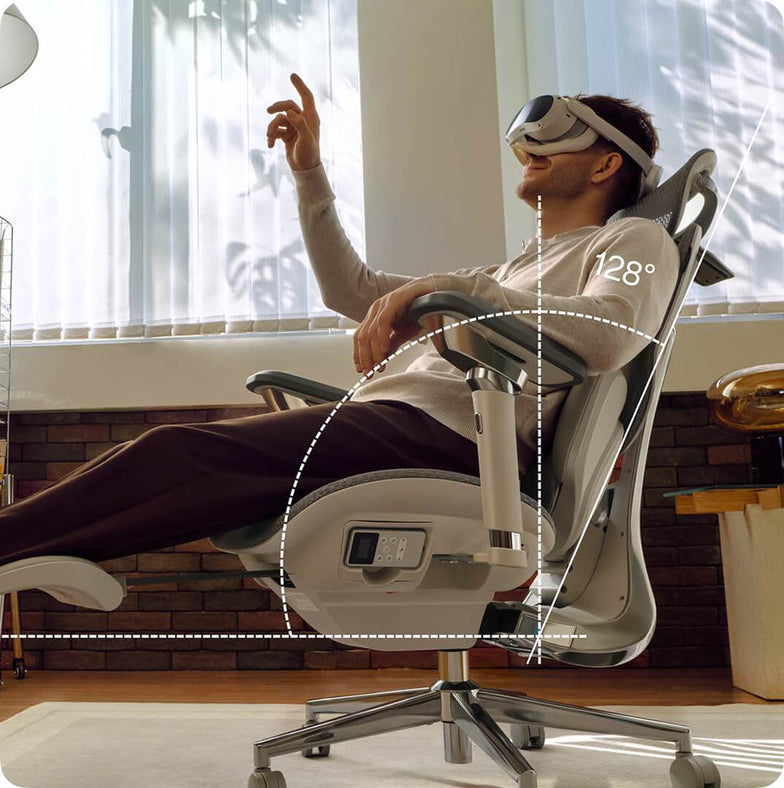 The Future of Seating: How HBADA is Engineering Sustainable Comfort Without the Premium Price Tag
When you think of a high-performance ergonomic chair, you likely focus on how it cradles your spine, relieves your lower back strain, or keeps you cool during a grueling 8-hour workday. But at HBADA, we believe that an office chair shouldn't just look after your health—it should look after the planet’s health, too.
For decades, the luxury office furniture market led consumers to believe that sustainable design and premium carbon-conscious engineering were privileges reserved only for million-dollar corporate headquarters and $1,200 designer chairs.
We are here to challenge that status quo. Inspired by global movements toward global net-zero emissions, HBADA is actively redefining what it means to build the best eco-conscious ergonomic chair under $500.
Redesigning the Footprint: Why Sustainability Starts at the Spine
Did you know that in the commercial furniture industry, up to 80% of a product's carbon footprint is determined right at the drawing board? It comes down to the raw materials chosen, the weight of the components, and the manufacturing processes involved.
At HBADA, our engineering team operates under a strict Sustainable Product Design Framework. We don't view eco-consciousness as a marketing afterthought; we view it as a precision-engineering challenge.
High-Polymer Breathable Mesh vs. Traditional Foam: Traditional executive chairs rely heavily on thick, petroleum-based polyurethane foam cushions. These materials are not only difficult to recycle, but they also trap body heat, leading to a shorter product lifespan as the foam degrades over time. HBADA heavily utilizes proprietary high-polymer mesh woven with patented tension technology to drastically reduce material mass and embodied carbon while delivering vastly superior structural support and airflow.
Modular Components Built to Last: The most sustainable chair is the one you don't have to throw away. Cheap entry-level office chairs are notorious for failing within a year, heading straight to a landfill. By engineering the E3 and X7 series with highly modular, precision-tested components—from the 4D independent lumbar modules to the gravity-sensing chassis—we ensure ease of maintenance, allowing you to repair components rather than discarding the chair.
Real-World Case Studies: One Sustainable Setup for All Lifestyles
To understand how HBADA translates sustainable engineering into personalized physical relief, let’s look at how four distinct professionals optimize their daily flow with the HBADA E3 Series.
Case Study 1: The Creative Marathoner (Kevin, Designer)
Profile: 6'1" (185 cm), 190 lbs (86 kg), sits 8+ hours/day.
The Challenge: As a designer who spends long hours sketching, rendering, and doing client revisions, Kevin needs a heavy-duty, highly customizable setup that keeps his spine aligned during intensive creative sessions.
The HBADA Impact: Kevin utilizes the E3's extended seat depth and backrest designed specifically for taller users to eliminate lower back fatigue. The patented 4D 3-Zone Lumbar Support auto-pivots to follow his posture dynamically when he leans forward to sketch, reducing daily spinal strain without compromising structural integrity.
Case Study 2: The Deep-Focus Developer (Janice, Programmer)
Profile: 5'6" (167 cm), 115 lbs (52 kg), sits 8+ hours/day.
The Challenge: Writing and debugging thousands of lines of code requires ultimate focus. Janice frequently suffered from upper-body heat trap and neck stiffness from standard plush foam seating.
The HBADA Impact: Relies on the highly breathable high-polymer mesh office chair for maximum airflow, keeping her cool through intensive coding sessions. The wide-curve 4D headrest aligns flawlessly with her neck, distributing upper body pressure evenly and eliminating shoulder tension.
Case Study 3: The Hybrid Coordinator (Lucas, WFH Project Manager)
Profile: 6'2" (187 cm), 185 lbs (84 kg), sits 6+ hours/day.
The Challenge: Managing global remote teams means endless back-to-back virtual meetings, switching constantly between administrative tracking and collaborative video presentations.
The HBADA Impact: Lucas leverages the revolutionary 6D and dual 360° armrest adjustment system. Whether he is typing intently or leaning back during a multi-point briefing, the armrests seamlessly integrate with his standing desk setup, offering customized ergonomic posture tracking at every angle.
Case Study 4: The Endurance Broadcaster (Alex, Streamer and Gamer)
Profile: 5'10" (177 cm), 270 lbs (122 kg), sits 10+ hours/day.
The Challenge: Marathon streaming and competitive gaming sessions demand a heavy-duty ergonomic gaming chair that balances bulletproof chassis stability with soft, adaptive lower back protection.
The HBADA Impact: Built on a robust, eco-consciously cast gravity-sensing chassis, the E3 supports Alex's frame flawlessly through 10+ hour sessions. When transitioning to a rest state, the effortless 90°-140° recline paired with the built-in retractable footrest provides an ultimate zero-gravity relaxation experience between matches.
Frequently Asked Questions: Maximizing Ergonomics and Sustainability
Q: What makes the HBADA E3 the best ergonomic office chair for back pain under $500?
A: The HBADA E3 is engineered with the world's first patented 4D 3-Zone Elastic Lumbar Support System. Unlike static backrests, this structure simultaneously targets the erector spinae, quadratus lumborum, and S1-S2 sacral vertebrae to dynamically track and eliminate back strain, offering premium corporate-tier health benefits at an accessible price point.
Q: How does the high-polymer mesh contribute to both comfort and sustainability?
A: Our high-polymer mesh is crafted using patented weaving technology that ensures uniform weight distribution and lasting tensile strength. By eliminating bulky polyurethane foam, it maximizes continuous airflow to prevent body heat accumulation, while significantly reducing the raw material mass and carbon footprint of the manufacturing process.
Q: Can the HBADA E3 series accommodate wide variations in body height and weight?
A: Yes. The HBADA E3 series features 20+ precise micro-adjustment points, including responsive backrest height selection, seat depth translation, and multi-axial headrest tuning. This allows the chair to provide a tailored fit for individuals ranging seamlessly from 155cm up to 195cm in height.
Q: Does the chair feature a reclining mechanism suitable for office resting?
A: Absolutely. The E3 series integrates a heavy-duty gravity-sensing chassis that supports an effortless recline from 90° for focused workloads up to 140° for deep relaxation. Accompanied by an integrated retractable footrest, it is meticulously crafted to serve seamlessly as both a high-productivity workspace and a rest setup.
Jun 26, 2026
The Future of Seating: How HBADA is Engineering Sustainable Comfort Without the Premium Price Tag
When you think of a high-performance ergonomic chair, you likely focus on how it cradles your spine, relieves your lower back strain, or keeps you cool during a grueling 8-hour workday. But at HBADA, we believe that an office chair shouldn't just look after your health—it should look after the planet’s health, too.
For decades, the luxury office furniture market led consumers to believe that sustainable design and premium carbon-conscious engineering were privileges reserved only for million-dollar corporate headquarters and $1,200 designer chairs.
We are here to challenge that status quo. Inspired by global movements toward global net-zero emissions, HBADA is actively redefining what it means to build the best eco-conscious ergonomic chair under $500.
Redesigning the Footprint: Why Sustainability Starts at the Spine
Did you know that in the commercial furniture industry, up to 80% of a product's carbon footprint is determined right at the drawing board? It comes down to the raw materials chosen, the weight of the components, and the manufacturing processes involved.
At HBADA, our engineering team operates under a strict Sustainable Product Design Framework. We don't view eco-consciousness as a marketing afterthought; we view it as a precision-engineering challenge.
High-Polymer Breathable Mesh vs. Traditional Foam: Traditional executive chairs rely heavily on thick, petroleum-based polyurethane foam cushions. These materials are not only difficult to recycle, but they also trap body heat, leading to a shorter product lifespan as the foam degrades over time. HBADA heavily utilizes proprietary high-polymer mesh woven with patented tension technology to drastically reduce material mass and embodied carbon while delivering vastly superior structural support and airflow.
Modular Components Built to Last: The most sustainable chair is the one you don't have to throw away. Cheap entry-level office chairs are notorious for failing within a year, heading straight to a landfill. By engineering the E3 and X7 series with highly modular, precision-tested components—from the 4D independent lumbar modules to the gravity-sensing chassis—we ensure ease of maintenance, allowing you to repair components rather than discarding the chair.
Real-World Case Studies: One Sustainable Setup for All Lifestyles
To understand how HBADA translates sustainable engineering into personalized physical relief, let’s look at how four distinct professionals optimize their daily flow with the HBADA E3 Series.
Case Study 1: The Creative Marathoner (Kevin, Designer)
Profile: 6'1" (185 cm), 190 lbs (86 kg), sits 8+ hours/day.
The Challenge: As a designer who spends long hours sketching, rendering, and doing client revisions, Kevin needs a heavy-duty, highly customizable setup that keeps his spine aligned during intensive creative sessions.
The HBADA Impact: Kevin utilizes the E3's extended seat depth and backrest designed specifically for taller users to eliminate lower back fatigue. The patented 4D 3-Zone Lumbar Support auto-pivots to follow his posture dynamically when he leans forward to sketch, reducing daily spinal strain without compromising structural integrity.
Case Study 2: The Deep-Focus Developer (Janice, Programmer)
Profile: 5'6" (167 cm), 115 lbs (52 kg), sits 8+ hours/day.
The Challenge: Writing and debugging thousands of lines of code requires ultimate focus. Janice frequently suffered from upper-body heat trap and neck stiffness from standard plush foam seating.
The HBADA Impact: Relies on the highly breathable high-polymer mesh office chair for maximum airflow, keeping her cool through intensive coding sessions. The wide-curve 4D headrest aligns flawlessly with her neck, distributing upper body pressure evenly and eliminating shoulder tension.
Case Study 3: The Hybrid Coordinator (Lucas, WFH Project Manager)
Profile: 6'2" (187 cm), 185 lbs (84 kg), sits 6+ hours/day.
The Challenge: Managing global remote teams means endless back-to-back virtual meetings, switching constantly between administrative tracking and collaborative video presentations.
The HBADA Impact: Lucas leverages the revolutionary 6D and dual 360° armrest adjustment system. Whether he is typing intently or leaning back during a multi-point briefing, the armrests seamlessly integrate with his standing desk setup, offering customized ergonomic posture tracking at every angle.
Case Study 4: The Endurance Broadcaster (Alex, Streamer and Gamer)
Profile: 5'10" (177 cm), 270 lbs (122 kg), sits 10+ hours/day.
The Challenge: Marathon streaming and competitive gaming sessions demand a heavy-duty ergonomic gaming chair that balances bulletproof chassis stability with soft, adaptive lower back protection.
The HBADA Impact: Built on a robust, eco-consciously cast gravity-sensing chassis, the E3 supports Alex's frame flawlessly through 10+ hour sessions. When transitioning to a rest state, the effortless 90°-140° recline paired with the built-in retractable footrest provides an ultimate zero-gravity relaxation experience between matches.
Frequently Asked Questions: Maximizing Ergonomics and Sustainability
Q: What makes the HBADA E3 the best ergonomic office chair for back pain under $500?
A: The HBADA E3 is engineered with the world's first patented 4D 3-Zone Elastic Lumbar Support System. Unlike static backrests, this structure simultaneously targets the erector spinae, quadratus lumborum, and S1-S2 sacral vertebrae to dynamically track and eliminate back strain, offering premium corporate-tier health benefits at an accessible price point.
Q: How does the high-polymer mesh contribute to both comfort and sustainability?
A: Our high-polymer mesh is crafted using patented weaving technology that ensures uniform weight distribution and lasting tensile strength. By eliminating bulky polyurethane foam, it maximizes continuous airflow to prevent body heat accumulation, while significantly reducing the raw material mass and carbon footprint of the manufacturing process.
Q: Can the HBADA E3 series accommodate wide variations in body height and weight?
A: Yes. The HBADA E3 series features 20+ precise micro-adjustment points, including responsive backrest height selection, seat depth translation, and multi-axial headrest tuning. This allows the chair to provide a tailored fit for individuals ranging seamlessly from 155cm up to 195cm in height.
Q: Does the chair feature a reclining mechanism suitable for office resting?
A: Absolutely. The E3 series integrates a heavy-duty gravity-sensing chassis that supports an effortless recline from 90° for focused workloads up to 140° for deep relaxation. Accompanied by an integrated retractable footrest, it is meticulously crafted to serve seamlessly as both a high-productivity workspace and a rest setup.
Jun 26, 2026
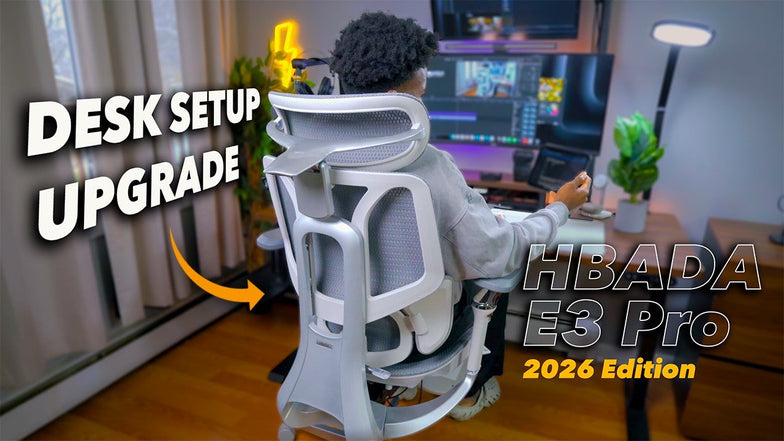 Best Ergonomic Chair for Back Pain: Why 10 Million Professionals Choose HBADA
In the modern professional landscape, the office chair is no longer just a piece of furniture; it is a critical component of health, productivity, and daily well-being. With millions of white-collar workers spending upwards of eight hours a day seated, the long-term impact on spine health has become an urgent concern. At HBADA, we have dedicated ourselves to transforming this reality. Guided by sixteen years of specialized ergonomic research, HBADA has emerged as a global leader in professional seating, trusted by over 10 million users across nearly 100 countries and regions worldwide.
Our journey is defined by a relentless pursuit of perfection, combining medical expertise, revolutionary engineering breakthroughs, rigorous international safety standards, and world-class aesthetics. In this article, we delve deep into the core pillars that support the HBADA brand, demonstrating why our chairs are uniquely qualified to support your body and elevate your workspace.
1. Pioneering Technology: Global Firsts in Intelligent Comfort
True ergonomics must adapt to the user, not the other way around. Static seating solutions fail because the human body is inherently dynamic. Recognizing this flaw, HBADA’s technical laboratories have engineered pioneering solutions that have redefined industry standards, certified by the prestigious global market research authority, Shidang Consultation (Shangpu Changshang Group).
The World’s First AI Intelligent Waist Massage Ergonomic Chair (HBADA X7)
The HBADA X7 Series introduces an industry-first milestone: an integrated AI-driven smart posture-tracking and waist massage system. Designed specifically for individuals enduring extended working hours, the X7 dynamically detects subtle shifts in seating posture. It automatically adjusts its support matrix to actively follow and embrace the lumbar spine, delivering targeted, therapeutic massage. This global innovation ensures that the lower back remains optimally aligned, minimizing muscle fatigue and pressure build-up seamlessly.
The Global Industry-First Three-Zone Floating Wing Lumbar Support (HBADA E3)
Developed to solve the problem of lateral strain, HBADA engineered the revolutionary McKenzie Three-Zone Elastic Floating Wing Lumbar Support. Traditional chairs only offer centralized vertical support, leaving the left and right muscle groups vulnerable during twisting or shifting. The E3's proprietary floating wing technology divides the lumbar support zone into three interactive segments. Whether sitting perfectly straight or leaning sideways, the wings dynamically float and compress to match the spine's natural contours, providing comprehensive, wraparound ergonomic relief.
2. Medical Backing: The HBADA Ergonomic Medical Advisory Committee
To design an exceptional chair, one must profoundly understand human anatomy. At HBADA, we bridge the gap between mechanical engineering and medical science by collaborating intimately with leading global orthopedic specialists and physical therapists. This vision culminated in the establishment of the HBADA Ergonomic Medical Advisory Committee.
We are proud to partner with world-renowned healthcare practitioners, including top-tier physicians from the International Chiropractic Association (ICA), doctors from the International Society of Arthroscopy, Knee Surgery and Orthopaedic Sports Medicine (ISAKOS), and elite orthopedic experts from the Chinese Association of Rehabilitation Medicine.
"To build a chair that truly preserves long-term spinal integrity, we must integrate clinical insights directly into the initial product blueprint. By understanding the biomechanics of seated strain, HBADA creates chairs that actively mitigate pressure on the lumbar vertebrae."
— Dr. Dennis Miller, Chief Chiropractic Expert of HBADA
Dr. Dennis Miller brings an elite caliber of medical expertise to the HBADA development pipeline. A distinguished member and expert of the International Chiropractic Association (ICA), Dr. Miller graduated Magna Cum Laude from the prestigious Palmer College of Chiropractic. As a globally recognized chiropractor and spine expert, his clinical oversight ensures that products like the E3 and X7 series are fundamentally engineered to support human musculoskeletal health.
The ICA, established in 1926, is the world's oldest and most authoritative organization in chiropractic care, maintaining strict global standards for spine protection. HBADA’s deep collaboration with ICA experts guarantees that every curvature and mechanical tension in our chairs translates into verified health benefits for the end-user.
3. Elite Global Certifications: The German IGR Ergonomics Standard
Before any HBADA chair reaches your home or office, its ergonomic claims are strictly audited by independent international institutions. Chief among these is the highly coveted German IGR Ergonomics Certification (issued by the Interessengemeinschaft der Rückenschullehrer/Innen e.V.).
The IGR is Germany’s premier institute dedicated to testing the usability and ergonomics of physical products. For flagship models such as the HBADA E3 and X7 series, units were shipped directly to laboratories in Germany for exhaustive evaluation. The testing team comprises a cross-disciplinary panel of elite healthcare professionals:
Top-tier Medical and Nursing Expert Teams: Evaluating the ease of physical strain during prolonged usage.
High-Level Sports Medicine Specialists: Analyzing dynamic body movement and muscle activation patterns.
Orthopedic Doctors and Specialists: Measuring direct pressure distribution along the spinal column.
Leading Back Physiotherapists: Verifying therapeutic relief for chronic back discomfort.
Receiving the official IGR certificate proves that HBADA products successfully meet the highest European benchmarks for anatomical comfort, posture optimization, and spinal health protection.
4. Award-Winning Aesthetics: Where Ergonomics Meets Art
An exceptional office chair should not only feel phenomenal—it should elevate its environment. HBADA believes that visual harmony is an integral part of user experience. Our dedicated global design studio ensures that our advanced mechanical frameworks are packaged within sophisticated, modern silhouettes that enhance the artistic character of any home or executive suite.
Our commitment to aesthetic excellence has been widely recognized by the international design community, earning some of the world's most prestigious accolades:
London Design Awards: Honoring the elegant visual lines and premium finishings of the E3 and X7 Series.
French Design Award (Gold Winner): Celebrating the seamless integration of functional tech with Parisian structural minimalist design principles.
American Good Design Award (Gold Winner): Applauding the innovative physical form factor and premium materiality of the P2 Series.
MUSE Design Awards: Commending our design philosophy for pushing the boundaries of traditional office furniture.
Evaluated by thousands of elite global designers, these awards guarantee that an HBADA chair serves as a functional piece of art, perfectly enhancing your lifestyle and professional workspace.
5. Engineered for Durability: Strict Beyond-Standard Testing
A true premium product must withstand the test of time. HBADA chairs are built utilizing heavy-duty industrial materials and are subjected to destructive stress testing that exceeds conventional international protocols by up to 150%.
Our comprehensive testing ecosystem covers three core facets of structural integrity:
American BIFMA Standard Compliance: The entire HBADA lineup (including E3, X7, and P2) meets or exceeds the strict standards set by BIFMA (Business and Institutional Furniture Manufacturers Association). Our chairs undergo a grueling 120,000-cycle continuous simulation testing regimen—surpassing standard global requirements by 1.5 times—to guarantee long-term mechanical resilience.
SGS International Certification: Every component is certified by SGS for toxicological safety and weight-bearing performance. Notably, our models—including the sleek P2 series—utilize SGS Class 4 Certified Gas Lift Cylinders, the highest safety classification available, providing total peace of mind against pressure malfunctions.
TÜV Rheinland Safety Certification: Our structural elements and gas lifts carry the world-renowned German TÜV safety mark, validating consistent quality standards and structural explosion-proof safety.
European Union RCD Registration: The unique industrial designs of the E3 and X7 series are officially protected under the EU Registered Community Designs (RCD), cementing our intellectual property rights across European markets.
6. Built on Substantial Research and Global Scale
Our ability to deliver high-performance ergonomic solutions at scale rests on deep vertical integration and a robust scientific foundation. At the center of our development engine lies the HBADA Tech Lab.
16+ Years of Expertise: Fully dedicated to perfecting the science of human posture.
200+ Research Scientists: A passionate global team of engineering experts pushing boundaries.
1,000+ R&D Patents: Continuous breakthrough innovations that translate directly into product utility.
10M+ Global Users: Trusted by over ten million white-collar elites and corporate leaders in nearly 100 countries.
From major international media highlights across North America and Europe—such as TheGamer, Medium, How-To Geek, AP News, Yahoo Finance, 01net, Frandroid, Netzwelt, Inside-Digital, Keyforsteam, and HobbyConsolas—HBADA continues to captivate global attention.
When you choose HBADA, you are not simply choosing an office chair. You are investing in an internationally acclaimed, medically backed, and technologically revolutionary system designed to support your health, your work, and your lifestyle. Experience the difference that premium ergonomics makes.
Frequently Asked Questions (FAQ)
Q1: What makes the German IGR certification unique compared to standard office chair testing? A: While standard industrial testing usually checks basic structural durability and weight load capacity, the German IGR Ergonomics Certification evaluates the actual anatomical compatibility and corrective health impact on the human body. Our flagship chairs were sent directly to laboratories in Germany to be strictly audited by a cross-disciplinary team of orthopedic surgeons, sports medicine practitioners, medical nursing experts, and physical back therapists. Achieving this certificate proves that HBADA chairs actively preserve spine health, support blood circulation, and reduce muscle strain during prolonged sitting.
Q2: How does the AI Intelligent Posture Tracking system in the X7 series work? A: The HBADA X7 features built-in high-precision smart sensors that monitor your back's alignment in real-time. Traditional chairs offer stationary comfort, but the X7 actively moves with you. Whether you lean forward to type, turn slightly, or recline to relax, the motorized mechanical lumbar matrix automatically shifts forward or backward to fully eliminate the gap behind your waist. This is combined with an integrated premium massage system to actively keep muscles loose and fatigue-free.
Q3: Are HBADA chairs thoroughly tested for long-term safety and mechanical reliability? A: Absolutely. Every model in the HBADA lineup is subjected to destructive stress testing that exceeds conventional international protocols by up to 150%. We test our chairs for 120,000 continuous simulation cycles under the strict American BIFMA standard (1.5 times the industry baseline). Furthermore, our chairs utilize heavy-duty SGS Class 4 Certified Gas Lift Cylinders (the highest standard for explosion-proof cylinder safety) and carry prestigious German TÜV certificates, ensuring maximum safety and resilience.
Q4: Do the international design awards apply to all HBADA chair models? A: Prestigious international honors—including the London Design Awards, French Design Award (Gold), American Good Design Award (Gold), and MUSE Design Awards—have been specifically awarded to our flagship engineering milestones (E3, X7, and P2 series) due to their revolutionary aesthetic and mechanical forms. However, the foundational design philosophy, premium material quality, and advanced structural research from the HBADA Tech Lab are seamlessly applied across our entire brand catalog.
Ready to Upgrade Your Workspace and Protect Your Spine Health?
Join over 10 million professionals and corporate leaders across nearly 100 countries who have transformed their daily seating habits with HBADA's medically backed ergonomic engineering.
[Explore the HBADA Flagship Collection & Find Your Perfect Chair] (Link to: https://www.hbada.eu)
For more information, you can check this page to solve the problem: https://hbada.eu/pages/faq
Jun 23, 2026
Best Ergonomic Chair for Back Pain: Why 10 Million Professionals Choose HBADA
In the modern professional landscape, the office chair is no longer just a piece of furniture; it is a critical component of health, productivity, and daily well-being. With millions of white-collar workers spending upwards of eight hours a day seated, the long-term impact on spine health has become an urgent concern. At HBADA, we have dedicated ourselves to transforming this reality. Guided by sixteen years of specialized ergonomic research, HBADA has emerged as a global leader in professional seating, trusted by over 10 million users across nearly 100 countries and regions worldwide.
Our journey is defined by a relentless pursuit of perfection, combining medical expertise, revolutionary engineering breakthroughs, rigorous international safety standards, and world-class aesthetics. In this article, we delve deep into the core pillars that support the HBADA brand, demonstrating why our chairs are uniquely qualified to support your body and elevate your workspace.
1. Pioneering Technology: Global Firsts in Intelligent Comfort
True ergonomics must adapt to the user, not the other way around. Static seating solutions fail because the human body is inherently dynamic. Recognizing this flaw, HBADA’s technical laboratories have engineered pioneering solutions that have redefined industry standards, certified by the prestigious global market research authority, Shidang Consultation (Shangpu Changshang Group).
The World’s First AI Intelligent Waist Massage Ergonomic Chair (HBADA X7)
The HBADA X7 Series introduces an industry-first milestone: an integrated AI-driven smart posture-tracking and waist massage system. Designed specifically for individuals enduring extended working hours, the X7 dynamically detects subtle shifts in seating posture. It automatically adjusts its support matrix to actively follow and embrace the lumbar spine, delivering targeted, therapeutic massage. This global innovation ensures that the lower back remains optimally aligned, minimizing muscle fatigue and pressure build-up seamlessly.
The Global Industry-First Three-Zone Floating Wing Lumbar Support (HBADA E3)
Developed to solve the problem of lateral strain, HBADA engineered the revolutionary McKenzie Three-Zone Elastic Floating Wing Lumbar Support. Traditional chairs only offer centralized vertical support, leaving the left and right muscle groups vulnerable during twisting or shifting. The E3's proprietary floating wing technology divides the lumbar support zone into three interactive segments. Whether sitting perfectly straight or leaning sideways, the wings dynamically float and compress to match the spine's natural contours, providing comprehensive, wraparound ergonomic relief.
2. Medical Backing: The HBADA Ergonomic Medical Advisory Committee
To design an exceptional chair, one must profoundly understand human anatomy. At HBADA, we bridge the gap between mechanical engineering and medical science by collaborating intimately with leading global orthopedic specialists and physical therapists. This vision culminated in the establishment of the HBADA Ergonomic Medical Advisory Committee.
We are proud to partner with world-renowned healthcare practitioners, including top-tier physicians from the International Chiropractic Association (ICA), doctors from the International Society of Arthroscopy, Knee Surgery and Orthopaedic Sports Medicine (ISAKOS), and elite orthopedic experts from the Chinese Association of Rehabilitation Medicine.
"To build a chair that truly preserves long-term spinal integrity, we must integrate clinical insights directly into the initial product blueprint. By understanding the biomechanics of seated strain, HBADA creates chairs that actively mitigate pressure on the lumbar vertebrae."
— Dr. Dennis Miller, Chief Chiropractic Expert of HBADA
Dr. Dennis Miller brings an elite caliber of medical expertise to the HBADA development pipeline. A distinguished member and expert of the International Chiropractic Association (ICA), Dr. Miller graduated Magna Cum Laude from the prestigious Palmer College of Chiropractic. As a globally recognized chiropractor and spine expert, his clinical oversight ensures that products like the E3 and X7 series are fundamentally engineered to support human musculoskeletal health.
The ICA, established in 1926, is the world's oldest and most authoritative organization in chiropractic care, maintaining strict global standards for spine protection. HBADA’s deep collaboration with ICA experts guarantees that every curvature and mechanical tension in our chairs translates into verified health benefits for the end-user.
3. Elite Global Certifications: The German IGR Ergonomics Standard
Before any HBADA chair reaches your home or office, its ergonomic claims are strictly audited by independent international institutions. Chief among these is the highly coveted German IGR Ergonomics Certification (issued by the Interessengemeinschaft der Rückenschullehrer/Innen e.V.).
The IGR is Germany’s premier institute dedicated to testing the usability and ergonomics of physical products. For flagship models such as the HBADA E3 and X7 series, units were shipped directly to laboratories in Germany for exhaustive evaluation. The testing team comprises a cross-disciplinary panel of elite healthcare professionals:
Top-tier Medical and Nursing Expert Teams: Evaluating the ease of physical strain during prolonged usage.
High-Level Sports Medicine Specialists: Analyzing dynamic body movement and muscle activation patterns.
Orthopedic Doctors and Specialists: Measuring direct pressure distribution along the spinal column.
Leading Back Physiotherapists: Verifying therapeutic relief for chronic back discomfort.
Receiving the official IGR certificate proves that HBADA products successfully meet the highest European benchmarks for anatomical comfort, posture optimization, and spinal health protection.
4. Award-Winning Aesthetics: Where Ergonomics Meets Art
An exceptional office chair should not only feel phenomenal—it should elevate its environment. HBADA believes that visual harmony is an integral part of user experience. Our dedicated global design studio ensures that our advanced mechanical frameworks are packaged within sophisticated, modern silhouettes that enhance the artistic character of any home or executive suite.
Our commitment to aesthetic excellence has been widely recognized by the international design community, earning some of the world's most prestigious accolades:
London Design Awards: Honoring the elegant visual lines and premium finishings of the E3 and X7 Series.
French Design Award (Gold Winner): Celebrating the seamless integration of functional tech with Parisian structural minimalist design principles.
American Good Design Award (Gold Winner): Applauding the innovative physical form factor and premium materiality of the P2 Series.
MUSE Design Awards: Commending our design philosophy for pushing the boundaries of traditional office furniture.
Evaluated by thousands of elite global designers, these awards guarantee that an HBADA chair serves as a functional piece of art, perfectly enhancing your lifestyle and professional workspace.
5. Engineered for Durability: Strict Beyond-Standard Testing
A true premium product must withstand the test of time. HBADA chairs are built utilizing heavy-duty industrial materials and are subjected to destructive stress testing that exceeds conventional international protocols by up to 150%.
Our comprehensive testing ecosystem covers three core facets of structural integrity:
American BIFMA Standard Compliance: The entire HBADA lineup (including E3, X7, and P2) meets or exceeds the strict standards set by BIFMA (Business and Institutional Furniture Manufacturers Association). Our chairs undergo a grueling 120,000-cycle continuous simulation testing regimen—surpassing standard global requirements by 1.5 times—to guarantee long-term mechanical resilience.
SGS International Certification: Every component is certified by SGS for toxicological safety and weight-bearing performance. Notably, our models—including the sleek P2 series—utilize SGS Class 4 Certified Gas Lift Cylinders, the highest safety classification available, providing total peace of mind against pressure malfunctions.
TÜV Rheinland Safety Certification: Our structural elements and gas lifts carry the world-renowned German TÜV safety mark, validating consistent quality standards and structural explosion-proof safety.
European Union RCD Registration: The unique industrial designs of the E3 and X7 series are officially protected under the EU Registered Community Designs (RCD), cementing our intellectual property rights across European markets.
6. Built on Substantial Research and Global Scale
Our ability to deliver high-performance ergonomic solutions at scale rests on deep vertical integration and a robust scientific foundation. At the center of our development engine lies the HBADA Tech Lab.
16+ Years of Expertise: Fully dedicated to perfecting the science of human posture.
200+ Research Scientists: A passionate global team of engineering experts pushing boundaries.
1,000+ R&D Patents: Continuous breakthrough innovations that translate directly into product utility.
10M+ Global Users: Trusted by over ten million white-collar elites and corporate leaders in nearly 100 countries.
From major international media highlights across North America and Europe—such as TheGamer, Medium, How-To Geek, AP News, Yahoo Finance, 01net, Frandroid, Netzwelt, Inside-Digital, Keyforsteam, and HobbyConsolas—HBADA continues to captivate global attention.
When you choose HBADA, you are not simply choosing an office chair. You are investing in an internationally acclaimed, medically backed, and technologically revolutionary system designed to support your health, your work, and your lifestyle. Experience the difference that premium ergonomics makes.
Frequently Asked Questions (FAQ)
Q1: What makes the German IGR certification unique compared to standard office chair testing? A: While standard industrial testing usually checks basic structural durability and weight load capacity, the German IGR Ergonomics Certification evaluates the actual anatomical compatibility and corrective health impact on the human body. Our flagship chairs were sent directly to laboratories in Germany to be strictly audited by a cross-disciplinary team of orthopedic surgeons, sports medicine practitioners, medical nursing experts, and physical back therapists. Achieving this certificate proves that HBADA chairs actively preserve spine health, support blood circulation, and reduce muscle strain during prolonged sitting.
Q2: How does the AI Intelligent Posture Tracking system in the X7 series work? A: The HBADA X7 features built-in high-precision smart sensors that monitor your back's alignment in real-time. Traditional chairs offer stationary comfort, but the X7 actively moves with you. Whether you lean forward to type, turn slightly, or recline to relax, the motorized mechanical lumbar matrix automatically shifts forward or backward to fully eliminate the gap behind your waist. This is combined with an integrated premium massage system to actively keep muscles loose and fatigue-free.
Q3: Are HBADA chairs thoroughly tested for long-term safety and mechanical reliability? A: Absolutely. Every model in the HBADA lineup is subjected to destructive stress testing that exceeds conventional international protocols by up to 150%. We test our chairs for 120,000 continuous simulation cycles under the strict American BIFMA standard (1.5 times the industry baseline). Furthermore, our chairs utilize heavy-duty SGS Class 4 Certified Gas Lift Cylinders (the highest standard for explosion-proof cylinder safety) and carry prestigious German TÜV certificates, ensuring maximum safety and resilience.
Q4: Do the international design awards apply to all HBADA chair models? A: Prestigious international honors—including the London Design Awards, French Design Award (Gold), American Good Design Award (Gold), and MUSE Design Awards—have been specifically awarded to our flagship engineering milestones (E3, X7, and P2 series) due to their revolutionary aesthetic and mechanical forms. However, the foundational design philosophy, premium material quality, and advanced structural research from the HBADA Tech Lab are seamlessly applied across our entire brand catalog.
Ready to Upgrade Your Workspace and Protect Your Spine Health?
Join over 10 million professionals and corporate leaders across nearly 100 countries who have transformed their daily seating habits with HBADA's medically backed ergonomic engineering.
[Explore the HBADA Flagship Collection & Find Your Perfect Chair] (Link to: https://www.hbada.eu)
For more information, you can check this page to solve the problem: https://hbada.eu/pages/faq
Jun 23, 2026


