




All posts Review
 5 Reasons Why More Europeans Are Switching to Ergonomic Chairs
Office spaces across Europe are changing fast. More and more professionals are leaving behind old, stiff office furniture and choosing chairs that offer better support. Sitting for eight to ten hours a day takes a real toll on your body, making it harder to focus and putting extra strain on your lower back.
To address this, companies are now prioritizing employee health over cheap, basic furniture. Upgrading to an ergonomic chair helps protect your spine, reduces daily fatigue, and keeps you productive during long workdays.
1. Compliance with Stricter Health and Safety Laws
The primary driver behind this continent-wide change is the strict enforcement of updated workplace safety regulations. In the United Kingdom, employers must strictly follow the Health and Safety (Display Screen Equipment) Regulations 1992. These strict laws require that any employee who uses display screen equipment for an hour or more per day have a workstation assessment.
The regulations require that seating must be completely stable, allow freedom of movement, and feature adjustable seat height and backrest tilt. Furthermore, under the Equality Act 2010, UK organizations must provide specialized ergonomic equipment as reasonable adjustments for employees with chronic back conditions. These clear legal mandates require employers to provide highly adjustable, health-focused chairs to protect workers from long-term musculoskeletal disorders.
2. Moving Away from Restrictive, Outdated Desk Layouts
Many offices still use basic, rigid furniture that isn't good for your health. When setting up a modern workspace, buyers often wonder why so many office chairs come with fixed arms.
· Fixed Armrests: These parts restrict natural movement, block the chair from sliding close to the desk, and force users into a forward slouch.
· Multi-Axial Tracking Arms: These modules align perfectly with your desk height, keeping your elbows supported and reducing strain on your neck and shoulders.
Fixed armrests are still common because they're cheaper to make with simple plastic molds. But they make you sit too far from your keyboard, which strains your arms and upper back. That's why many Europeans now prefer chairs with adjustable armrests that fit different tasks.
3. Targeted Lower Back Care for Sciatica Relief
Sitting for long periods can apply uneven pressure to your lower intervertebral discs. When a chair lacks proper spinal support, your pelvis tilts backward, pinching nerve pathways and triggering deep, radiating aches across your lower body.
· Continuous Spinal Tracking: Prevents the dangerous pelvic tilting that compresses nerves.
· Even Pressure Distribution: Spreads your upper body weight safely across the seat cushion.
· Muscle Tension Reduction: Relaxes the deep gluteal muscles that can irritate the sciatic nerve pathway.
If you want real relief from sciatica, switching to a chair that responds to your movements is key. Instead of hard plastic backs, our ergonomic chairs use flexible support zones that move with you, spread your weight evenly, and take pressure off your sciatic nerve.
4. Embracing Proactive Health and Dynamic Engineering
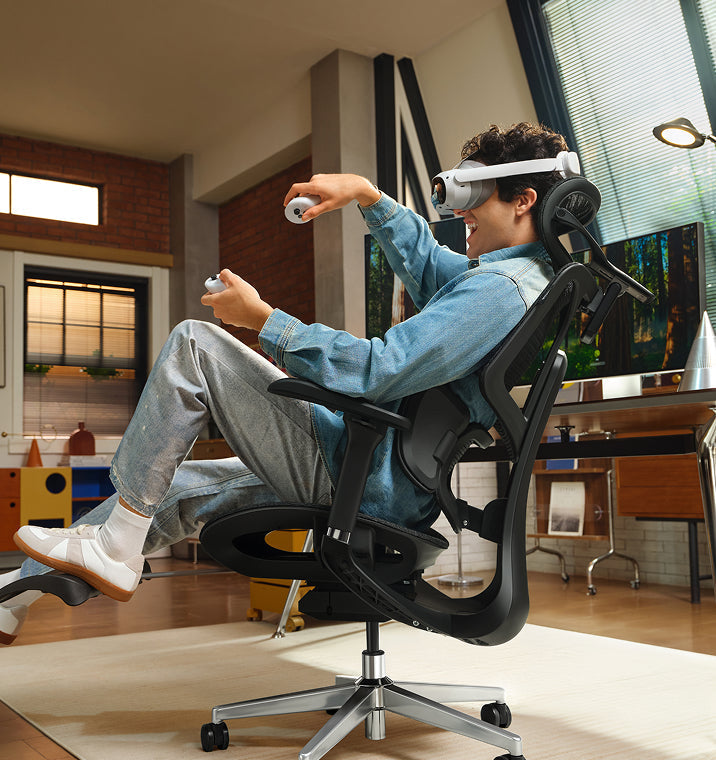
People in Europe now prefer smart wellness tools instead of old-fashioned, manual furniture. Most want their office chairs to adjust automatically as they move during the day.
Our advanced seating lineup reflects this shift by replacing manual control levers with responsive, automated engineering:
The Mechanical Choice: Hbada E3 Pro
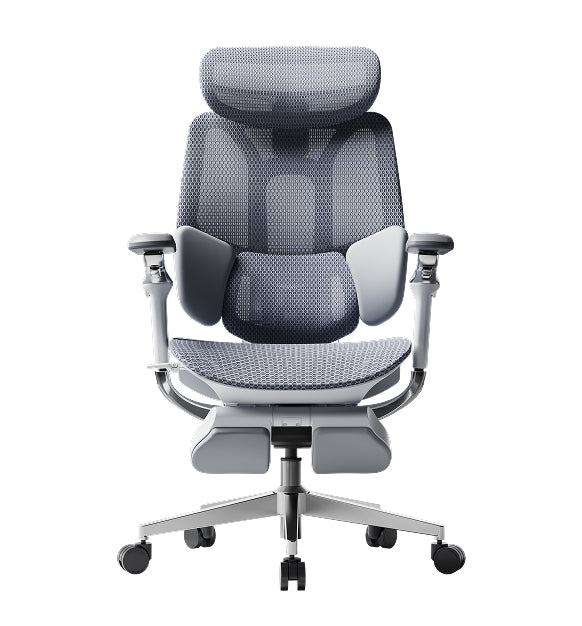
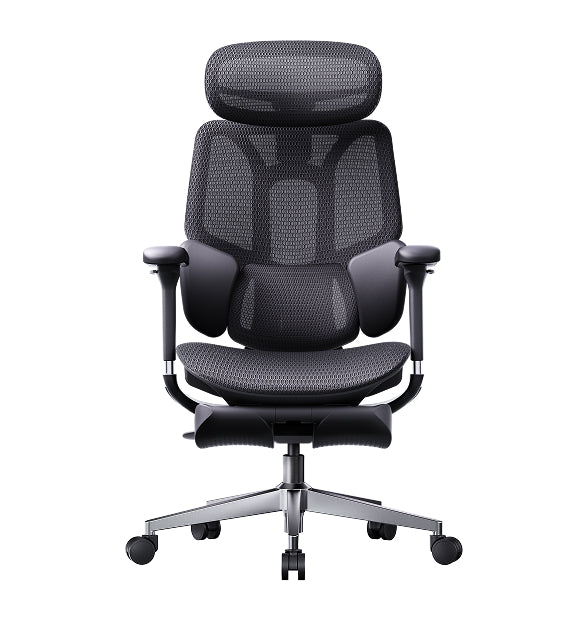
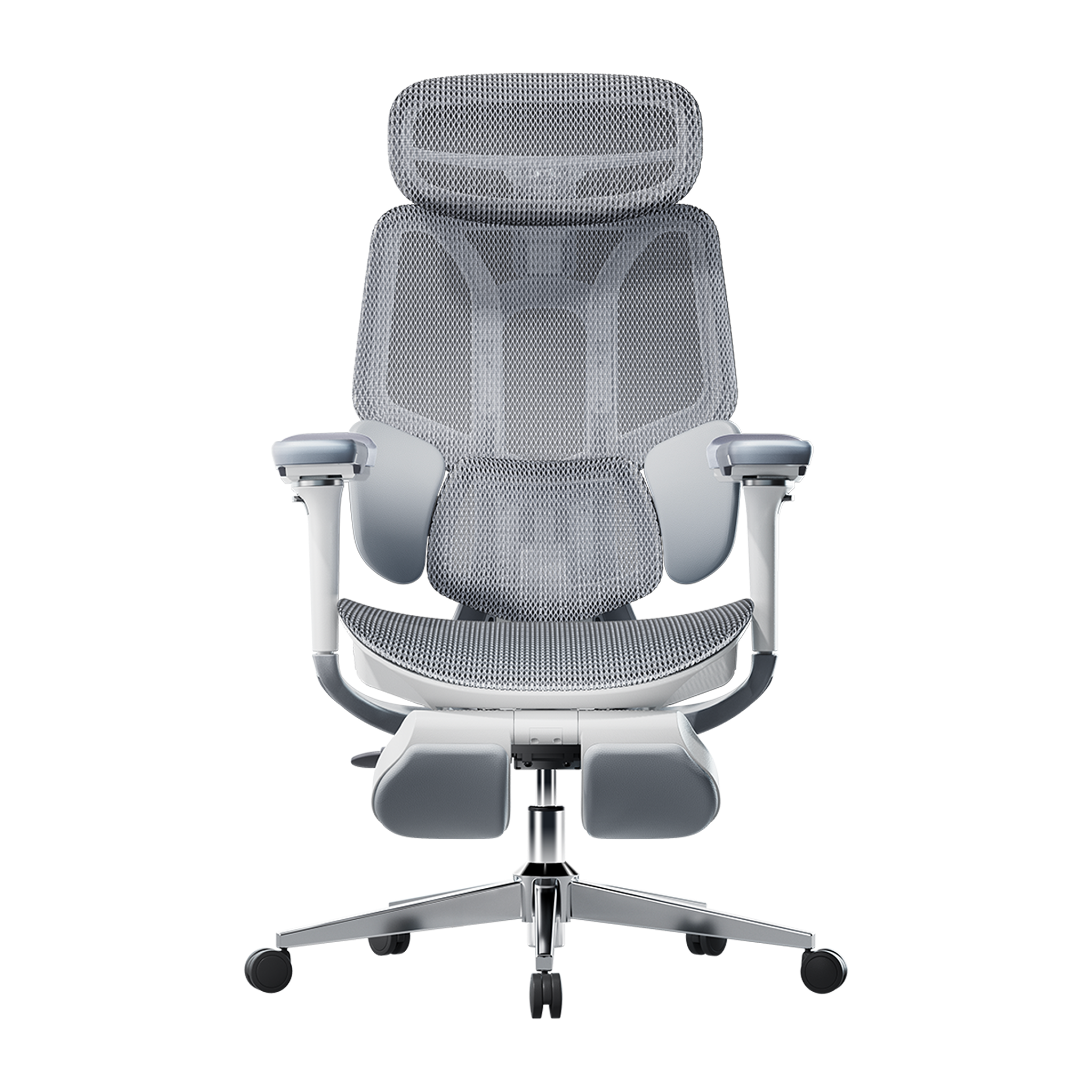
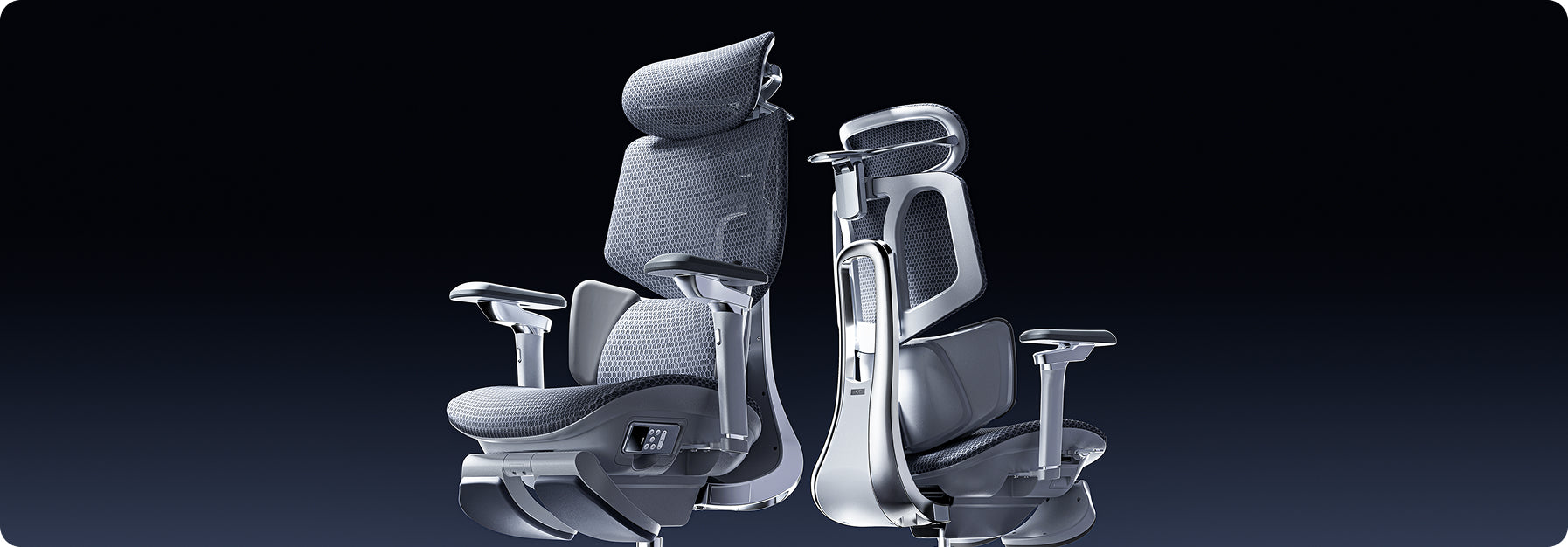
The HBADA E3 Pro is designed for people who want great support without needing power or many adjustments. It has a special 3-zone lumbar support system. The middle part keeps your spine steady, and the two side wings can rotate up to 40 degrees to support your lower back. As you move, the chair follows your posture to keep you comfortable.
The Automated Frontier: Hbada AI-Powered x7
If you want the latest in automated health tech, the Hbada AI-Powered x7 gives you a smart, responsive chair. It uses built-in sensors to watch your posture in real time.
The chair’s system automatically adjusts the lumbar support to fit your lower back. If you start to slouch during a long day, it changes shape to support you before you feel any discomfort.
Product Comparison Matrix for Corporate Seating
· Hbada E3 Air: Designed for compact spaces and daily hybrid work, featuring 3D adjustable armrests and responsive elastic lumbar support.
· HBADA E3 Pro: Built for long shifts and power users, utilizing 720° omni-mechanical armrests and a 3-zone adaptive floating wing system.
· Hbada AI-Powered x7: Engineered for premium executive suites, offering active AI automated smart tracking, 8D bionic massage, and infrared heat therapy.
5. Optimal Airflow and Temperature Regulation
Old-style foam chairs retain heat and moisture, leaving you tired and uncomfortable for long hours. Modern European offices now focus on using breathable materials and advanced fabrics.
Chairs with mesh seats and backs let air move freely around you. This keeps your body cool and dry, so you can stay focused even when work gets busy.
Technical Guides: Setting Up Your Workstation Geometry
Getting a good chair works best when you also set up your workspace properly. Here’s a checklist to help you get started:
· Align Your Line of Sight: Adjust your monitor height so the top third of your display is at eye level, reducing neck strain.
· Ground Your Feet: Adjust your seat height so your feet rest flat on the floor with your knees bent at a comfortable 90-degree angle.
· Match Armrest Heights: Set your armrest heights to align perfectly with your desk surface, keeping your wrists straight while typing.
· Activate Onboard Heat: If your chair includes built-in thermal heating, turn it on during cooler morning hours to keep your lower back muscles flexible.
Frequently Asked Questions (FAQ)
How does an ergonomic posture chair help prevent daily physical fatigue?
A standard office chair forces your back and neck muscles to work overtime to keep you upright, leading to exhaustion. An ergonomic posture chair cradles your spine’s natural curves, distributing your body weight and allowing your muscles to relax, helping you maintain higher energy levels all day.
Why do so many office chairs have fixed arms on cheap models?
Fixed armrests are common on cheap chairs because they are inexpensive to manufacture using a single plastic mold. However, they block the chair from rolling close to a desk, forcing you to lean forward and strain your spine, whereas adjustable arms support healthy alignment.
Can an adjustable office chair provide dependable sciatica relief during long shifts?
Yes. An adjustable chair provides sciatica relief by using flexible support zones that adapt to your movements. This adaptive pressure management prevents pelvic tilt, reduces direct pressure on your lower intervertebral discs, and prevents your lumbar nerves from getting pinched while sitting.
How long does it take to adjust to a professional ergonomic chair?
Most users experience an adjustment period of 7 to 14 days. During this time, your muscles are adapting to proper posture and unlearning years of slouching. Once this adjustment phase passes, sitting in correct alignment feels completely natural, comfortable, and supportive.
Conclusion
The right model depends on your daily workflow and the level of control you want over your setup. If you want a reliable, heavy-duty mechanical chair with highly flexible manual adjustments, the HBADA E3 Pro offers an exceptional balance of performance and value. If you want to experience the future of workplace wellness, with automated posture tracking, built-in thermal relief, and deep-kneading massage therapy, upgrading to the HBADA AI-Powered x7 is an excellent investment for your long-term health and daily focus.
May 21, 2026
5 Reasons Why More Europeans Are Switching to Ergonomic Chairs
Office spaces across Europe are changing fast. More and more professionals are leaving behind old, stiff office furniture and choosing chairs that offer better support. Sitting for eight to ten hours a day takes a real toll on your body, making it harder to focus and putting extra strain on your lower back.
To address this, companies are now prioritizing employee health over cheap, basic furniture. Upgrading to an ergonomic chair helps protect your spine, reduces daily fatigue, and keeps you productive during long workdays.
1. Compliance with Stricter Health and Safety Laws
The primary driver behind this continent-wide change is the strict enforcement of updated workplace safety regulations. In the United Kingdom, employers must strictly follow the Health and Safety (Display Screen Equipment) Regulations 1992. These strict laws require that any employee who uses display screen equipment for an hour or more per day have a workstation assessment.
The regulations require that seating must be completely stable, allow freedom of movement, and feature adjustable seat height and backrest tilt. Furthermore, under the Equality Act 2010, UK organizations must provide specialized ergonomic equipment as reasonable adjustments for employees with chronic back conditions. These clear legal mandates require employers to provide highly adjustable, health-focused chairs to protect workers from long-term musculoskeletal disorders.
2. Moving Away from Restrictive, Outdated Desk Layouts
Many offices still use basic, rigid furniture that isn't good for your health. When setting up a modern workspace, buyers often wonder why so many office chairs come with fixed arms.
· Fixed Armrests: These parts restrict natural movement, block the chair from sliding close to the desk, and force users into a forward slouch.
· Multi-Axial Tracking Arms: These modules align perfectly with your desk height, keeping your elbows supported and reducing strain on your neck and shoulders.
Fixed armrests are still common because they're cheaper to make with simple plastic molds. But they make you sit too far from your keyboard, which strains your arms and upper back. That's why many Europeans now prefer chairs with adjustable armrests that fit different tasks.
3. Targeted Lower Back Care for Sciatica Relief
Sitting for long periods can apply uneven pressure to your lower intervertebral discs. When a chair lacks proper spinal support, your pelvis tilts backward, pinching nerve pathways and triggering deep, radiating aches across your lower body.
· Continuous Spinal Tracking: Prevents the dangerous pelvic tilting that compresses nerves.
· Even Pressure Distribution: Spreads your upper body weight safely across the seat cushion.
· Muscle Tension Reduction: Relaxes the deep gluteal muscles that can irritate the sciatic nerve pathway.
If you want real relief from sciatica, switching to a chair that responds to your movements is key. Instead of hard plastic backs, our ergonomic chairs use flexible support zones that move with you, spread your weight evenly, and take pressure off your sciatic nerve.
4. Embracing Proactive Health and Dynamic Engineering
People in Europe now prefer smart wellness tools instead of old-fashioned, manual furniture. Most want their office chairs to adjust automatically as they move during the day.
Our advanced seating lineup reflects this shift by replacing manual control levers with responsive, automated engineering:
The Mechanical Choice: Hbada E3 Pro
The HBADA E3 Pro is designed for people who want great support without needing power or many adjustments. It has a special 3-zone lumbar support system. The middle part keeps your spine steady, and the two side wings can rotate up to 40 degrees to support your lower back. As you move, the chair follows your posture to keep you comfortable.
The Automated Frontier: Hbada AI-Powered x7
If you want the latest in automated health tech, the Hbada AI-Powered x7 gives you a smart, responsive chair. It uses built-in sensors to watch your posture in real time.
The chair’s system automatically adjusts the lumbar support to fit your lower back. If you start to slouch during a long day, it changes shape to support you before you feel any discomfort.
Product Comparison Matrix for Corporate Seating
· Hbada E3 Air: Designed for compact spaces and daily hybrid work, featuring 3D adjustable armrests and responsive elastic lumbar support.
· HBADA E3 Pro: Built for long shifts and power users, utilizing 720° omni-mechanical armrests and a 3-zone adaptive floating wing system.
· Hbada AI-Powered x7: Engineered for premium executive suites, offering active AI automated smart tracking, 8D bionic massage, and infrared heat therapy.
5. Optimal Airflow and Temperature Regulation
Old-style foam chairs retain heat and moisture, leaving you tired and uncomfortable for long hours. Modern European offices now focus on using breathable materials and advanced fabrics.
Chairs with mesh seats and backs let air move freely around you. This keeps your body cool and dry, so you can stay focused even when work gets busy.
Technical Guides: Setting Up Your Workstation Geometry
Getting a good chair works best when you also set up your workspace properly. Here’s a checklist to help you get started:
· Align Your Line of Sight: Adjust your monitor height so the top third of your display is at eye level, reducing neck strain.
· Ground Your Feet: Adjust your seat height so your feet rest flat on the floor with your knees bent at a comfortable 90-degree angle.
· Match Armrest Heights: Set your armrest heights to align perfectly with your desk surface, keeping your wrists straight while typing.
· Activate Onboard Heat: If your chair includes built-in thermal heating, turn it on during cooler morning hours to keep your lower back muscles flexible.
Frequently Asked Questions (FAQ)
How does an ergonomic posture chair help prevent daily physical fatigue?
A standard office chair forces your back and neck muscles to work overtime to keep you upright, leading to exhaustion. An ergonomic posture chair cradles your spine’s natural curves, distributing your body weight and allowing your muscles to relax, helping you maintain higher energy levels all day.
Why do so many office chairs have fixed arms on cheap models?
Fixed armrests are common on cheap chairs because they are inexpensive to manufacture using a single plastic mold. However, they block the chair from rolling close to a desk, forcing you to lean forward and strain your spine, whereas adjustable arms support healthy alignment.
Can an adjustable office chair provide dependable sciatica relief during long shifts?
Yes. An adjustable chair provides sciatica relief by using flexible support zones that adapt to your movements. This adaptive pressure management prevents pelvic tilt, reduces direct pressure on your lower intervertebral discs, and prevents your lumbar nerves from getting pinched while sitting.
How long does it take to adjust to a professional ergonomic chair?
Most users experience an adjustment period of 7 to 14 days. During this time, your muscles are adapting to proper posture and unlearning years of slouching. Once this adjustment phase passes, sitting in correct alignment feels completely natural, comfortable, and supportive.
Conclusion
The right model depends on your daily workflow and the level of control you want over your setup. If you want a reliable, heavy-duty mechanical chair with highly flexible manual adjustments, the HBADA E3 Pro offers an exceptional balance of performance and value. If you want to experience the future of workplace wellness, with automated posture tracking, built-in thermal relief, and deep-kneading massage therapy, upgrading to the HBADA AI-Powered x7 is an excellent investment for your long-term health and daily focus.
May 21, 2026
 Best Ergonomic Chairs for Small Apartments in 2026
Introduction
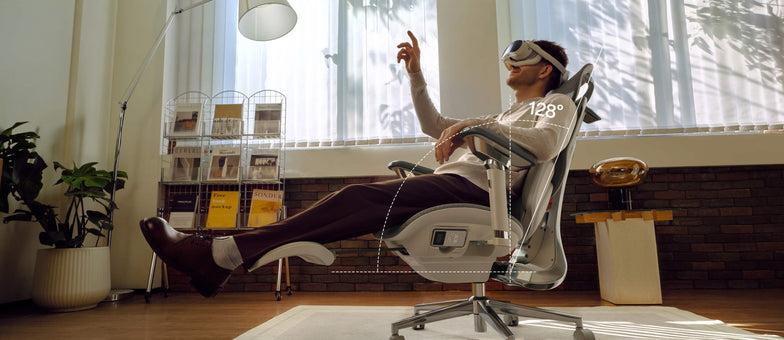
Limited space doesn’t mean compromising posture. Compact ergonomic chairs offer complete support without crowding your room. In 2026, leading chairs feature smart design, space-saving profiles, and strong posture support, so you can work efficiently and protect your spine.
What Makes a Chair Ideal for Small Apartments
Compact Footprint Without Compromising Ergonomics
Choose a chair that balances small size and comfort. Look for these features:
· Slim backrests and space-saving bases
· Foldable or flip-up armrests
· Lightweight frames for easy repositioning
Your chair should fit under your desk and support good posture, even for long hours.
Multi-Functional Adjustability
In a small space, versatility is key. Pick a chair that adjusts as you move between tasks.
· Sitting position in front of the computer
· Relaxed reclining for reading
· Upright posture for focused work
These chairs adjust for any activity, reducing the need for extra furniture.
Ergonomic Posture Meaning and Why It Matters
Ergonomic posture means keeping your spine aligned while sitting. This reduces strain on muscles, joints, and spinal discs.
Poor posture leads to:
· Lower back compression
· Shoulder tension
· Neck fatigue
Modern ergonomic chairs guide your body into proper posture for students and professionals.
HBADA chairs are engineered to adapt to your body instead of forcing a fixed position, improving long-term spinal health.
Key Features to Look for in the Best Ergonomic Chair
Intelligent Lumbar Support
Your lumbar region bears the most pressure when you sit. That's why top chairs now offer:
· Automatic waist tracking
· Bio-synchronized support systems
· 3-zone lumbar structures
HBADA's latest models use adaptive lumbar systems that adjust as you move, ensuring support.
Ergonomic Armrests for Shoulder Relief
Arm support affects shoulder and back comfort. Seek chairs with height-adjustable armrests.
· Forward/backwards sliding.
· Rotation and tilt functions.
Set your chair’s armrests so your elbows are at 90 degrees. This small change can ease shoulder tension and make typing easier.
Breathable and Space-Efficient Materials
Mesh-backed chairs are very popular in 2026, and there are good reasons for that:
· High airflow for long sitting sessions
· Reduced bulk compared to foam chairs
· Even pressure distribution
Advanced mesh materials let air flow much better than traditional chair fabrics.
Smart Adjustment Technology
AI-powered chairs are redefining ergonomics:
· Real-time posture tracking
· Automatic lumbar positioning
· Minimal manual adjustments
Some models have built-in sensors that monitor how you sit and adjust the support to keep you in good alignment without any extra effort.
Best HBADA Ergonomic Chairs for Small Apartments (2026)
Product Comparison Table
HBADA E3 Pro 2026
Long work hours
3-zone lumbar, 6D armrests, headrest
Medium footprint
Adaptive support
HBADA E3 Air 2026
Compact spaces
Lightweight mesh, slim design
High
Manual + adaptive
HBADA X7 AI Chair
Premium users
AI lumbar tracking, massage, sensors
Medium
Fully automated
HBADA P2 Ergonomic Chair
Budget-friendly
Basic lumbar support, foldable arms
High
Manual
How to Choose the Right Chair for Your Space.
Measure Your Workspace First
Before choosing a chair, take a few quick measurements:
· Check desk height
· Measure floor clearance
· Ensure room for reclining.
Your chair should let you move and lean back easily, without hitting walls or furniture. This matters even more in small rooms.
Match Features to Usage
Consider how you’ll use your chair most of the time, and let that help you decide:
· Students: prioritize proper sitting posture for students and adjustable height
· Remote workers: focus on lumbar support and armrests
· Gamers: look for reclining and headrest support
Prioritize Adjustability Over Size Alone
A small chair without adjustable features can harm your posture. Always make sure your chair has:
· Seat height adjustment
· Lumbar positioning
· Armrest flexibility
Correct Sitting Posture on Chair (Step-by-Step)
Ideal Sitting Position in Front of the Computer
Follow this structure:
1. Feet flat on the floor
2. Knees at hip level
3. Back fully supported
4. Screen at eye level
5. Elbows close to the body
Maintaining this alignment helps your spine stay in its natural curve, which can significantly reduce tiredness and discomfort throughout the day.
Common Sitting Posture Types (and What to Avoid)
· Slouching: increases spinal pressure
· Leaning forward: strains neck and shoulders
· Crossing legs: affects circulation
A good ergonomic chair can help you avoid these habits by guiding your body into a healthier sitting position.
Why HBADA Chairs Stand Out in 2026
HBADA combines ergonomic research with advanced engineering:
· Multi-dimensional precision adjustments for all body types
· Certified ergonomic design supporting spinal alignment
· Over 100 durability and safety tests per chair
The newest models stand out because they focus on adaptive sitting. Instead of locking you into one position, these chairs move with you and support your body as you shift throughout the day.
Common Mistakes to Avoid
· Choosing style over ergonomics
· Ignoring armrest adjustability
· Buying oversized chairs for small rooms
· Skipping lumbar support features
· Not adjusting the chair after purchase.
Even the best chair only works well if you adjust it to fit your body and maintain good posture throughout the day.
FAQ
What is the best ergonomic chair for small apartments?
The best ergonomic chair combines compact design with full adjustability. Look for slim profiles, foldable armrests, and strong lumbar support. Models with adaptive features provide better long-term comfort without requiring extra space.
How do I maintain correct sitting posture on a chair daily?
Keep your back aligned with the backrest, feet flat, and screen at eye level. Adjust armrests to support your elbows. A well-designed ergonomic chair helps maintain this posture naturally throughout the day.
Are ergonomic chairs worth it for students?
Yes. Proper sitting posture for students reduces fatigue and improves focus. Ergonomic chairs support spinal alignment during long study sessions, preventing discomfort and long-term posture issues.
What features matter most in a compact ergonomic chair?
Prioritize lumbar support, adjustable armrests, breathable materials, and space-saving design. Smart adjustment features are a bonus but not essential for effective ergonomic support.
Conclusion
Picking the right ergonomic chair can really improve how you work and feel in a small apartment. I suggest looking for a chair that adapts to you, supports your posture, and fits your space, instead of just choosing the smallest one.
Find a chair that fits your space and your body. When your chair supports your posture, you’ll notice comfort and productivity come more easily.
For more information, please click here:
https://www.hbada.eu/products/e3-pro-ergonomic-office-chair
https://www.hbada.eu/products/e3-air-ergonomic-office-chair
https://www.hbada.eu/products/hbada-x7-smart-ergonomic-chair
Apr 27, 2026
Best Ergonomic Chairs for Small Apartments in 2026
Introduction
Limited space doesn’t mean compromising posture. Compact ergonomic chairs offer complete support without crowding your room. In 2026, leading chairs feature smart design, space-saving profiles, and strong posture support, so you can work efficiently and protect your spine.
What Makes a Chair Ideal for Small Apartments
Compact Footprint Without Compromising Ergonomics
Choose a chair that balances small size and comfort. Look for these features:
· Slim backrests and space-saving bases
· Foldable or flip-up armrests
· Lightweight frames for easy repositioning
Your chair should fit under your desk and support good posture, even for long hours.
Multi-Functional Adjustability
In a small space, versatility is key. Pick a chair that adjusts as you move between tasks.
· Sitting position in front of the computer
· Relaxed reclining for reading
· Upright posture for focused work
These chairs adjust for any activity, reducing the need for extra furniture.
Ergonomic Posture Meaning and Why It Matters
Ergonomic posture means keeping your spine aligned while sitting. This reduces strain on muscles, joints, and spinal discs.
Poor posture leads to:
· Lower back compression
· Shoulder tension
· Neck fatigue
Modern ergonomic chairs guide your body into proper posture for students and professionals.
HBADA chairs are engineered to adapt to your body instead of forcing a fixed position, improving long-term spinal health.
Key Features to Look for in the Best Ergonomic Chair
Intelligent Lumbar Support
Your lumbar region bears the most pressure when you sit. That's why top chairs now offer:
· Automatic waist tracking
· Bio-synchronized support systems
· 3-zone lumbar structures
HBADA's latest models use adaptive lumbar systems that adjust as you move, ensuring support.
Ergonomic Armrests for Shoulder Relief
Arm support affects shoulder and back comfort. Seek chairs with height-adjustable armrests.
· Forward/backwards sliding.
· Rotation and tilt functions.
Set your chair’s armrests so your elbows are at 90 degrees. This small change can ease shoulder tension and make typing easier.
Breathable and Space-Efficient Materials
Mesh-backed chairs are very popular in 2026, and there are good reasons for that:
· High airflow for long sitting sessions
· Reduced bulk compared to foam chairs
· Even pressure distribution
Advanced mesh materials let air flow much better than traditional chair fabrics.
Smart Adjustment Technology
AI-powered chairs are redefining ergonomics:
· Real-time posture tracking
· Automatic lumbar positioning
· Minimal manual adjustments
Some models have built-in sensors that monitor how you sit and adjust the support to keep you in good alignment without any extra effort.
Best HBADA Ergonomic Chairs for Small Apartments (2026)
Product Comparison Table
HBADA E3 Pro 2026
Long work hours
3-zone lumbar, 6D armrests, headrest
Medium footprint
Adaptive support
HBADA E3 Air 2026
Compact spaces
Lightweight mesh, slim design
High
Manual + adaptive
HBADA X7 AI Chair
Premium users
AI lumbar tracking, massage, sensors
Medium
Fully automated
HBADA P2 Ergonomic Chair
Budget-friendly
Basic lumbar support, foldable arms
High
Manual
How to Choose the Right Chair for Your Space.
Measure Your Workspace First
Before choosing a chair, take a few quick measurements:
· Check desk height
· Measure floor clearance
· Ensure room for reclining.
Your chair should let you move and lean back easily, without hitting walls or furniture. This matters even more in small rooms.
Match Features to Usage
Consider how you’ll use your chair most of the time, and let that help you decide:
· Students: prioritize proper sitting posture for students and adjustable height
· Remote workers: focus on lumbar support and armrests
· Gamers: look for reclining and headrest support
Prioritize Adjustability Over Size Alone
A small chair without adjustable features can harm your posture. Always make sure your chair has:
· Seat height adjustment
· Lumbar positioning
· Armrest flexibility
Correct Sitting Posture on Chair (Step-by-Step)
Ideal Sitting Position in Front of the Computer
Follow this structure:
1. Feet flat on the floor
2. Knees at hip level
3. Back fully supported
4. Screen at eye level
5. Elbows close to the body
Maintaining this alignment helps your spine stay in its natural curve, which can significantly reduce tiredness and discomfort throughout the day.
Common Sitting Posture Types (and What to Avoid)
· Slouching: increases spinal pressure
· Leaning forward: strains neck and shoulders
· Crossing legs: affects circulation
A good ergonomic chair can help you avoid these habits by guiding your body into a healthier sitting position.
Why HBADA Chairs Stand Out in 2026
HBADA combines ergonomic research with advanced engineering:
· Multi-dimensional precision adjustments for all body types
· Certified ergonomic design supporting spinal alignment
· Over 100 durability and safety tests per chair
The newest models stand out because they focus on adaptive sitting. Instead of locking you into one position, these chairs move with you and support your body as you shift throughout the day.
Common Mistakes to Avoid
· Choosing style over ergonomics
· Ignoring armrest adjustability
· Buying oversized chairs for small rooms
· Skipping lumbar support features
· Not adjusting the chair after purchase.
Even the best chair only works well if you adjust it to fit your body and maintain good posture throughout the day.
FAQ
What is the best ergonomic chair for small apartments?
The best ergonomic chair combines compact design with full adjustability. Look for slim profiles, foldable armrests, and strong lumbar support. Models with adaptive features provide better long-term comfort without requiring extra space.
How do I maintain correct sitting posture on a chair daily?
Keep your back aligned with the backrest, feet flat, and screen at eye level. Adjust armrests to support your elbows. A well-designed ergonomic chair helps maintain this posture naturally throughout the day.
Are ergonomic chairs worth it for students?
Yes. Proper sitting posture for students reduces fatigue and improves focus. Ergonomic chairs support spinal alignment during long study sessions, preventing discomfort and long-term posture issues.
What features matter most in a compact ergonomic chair?
Prioritize lumbar support, adjustable armrests, breathable materials, and space-saving design. Smart adjustment features are a bonus but not essential for effective ergonomic support.
Conclusion
Picking the right ergonomic chair can really improve how you work and feel in a small apartment. I suggest looking for a chair that adapts to you, supports your posture, and fits your space, instead of just choosing the smallest one.
Find a chair that fits your space and your body. When your chair supports your posture, you’ll notice comfort and productivity come more easily.
For more information, please click here:
https://www.hbada.eu/products/e3-pro-ergonomic-office-chair
https://www.hbada.eu/products/e3-air-ergonomic-office-chair
https://www.hbada.eu/products/hbada-x7-smart-ergonomic-chair
Apr 27, 2026
 New Product Launch: HBADA E3 Air vs E3 Pro 2026 Edition — Full Breakdown
Introduction
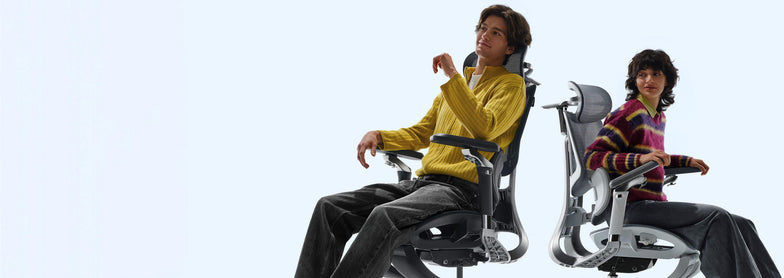
Picking the right ergonomic chair can be tough. Many chairs claim to be comfortable but don’t hold up during long hours of sitting. The new HBADA E3 Air and E3 Pro 2026 models address these issues with precise ergonomics, adaptive support, and a design that saves space. This guide will help you decide which model is best for you.
Overview of the HBADA 2026 New Product Line
In 2026, HBADA is focusing on posture correction and spinal health. They use AI-driven ergonomics and designs that move with your body. Both the E3 Air and E3 Pro offer strong lumbar support, but each is made for a different kind of user.
· E3 Pro 2026: Premium performance with advanced ergonomic features
· E3 Air 2026: Lightweight, compact ergonomic chair for small apartments
Both chairs are made to support you during long hours at your computer. However, they differ in how adjustable they are and how much ergonomic support they offer.
Core Differences at a Glance
Product Comparison Table
Target User
Home office, students
Professionals, long-hour users
Lumbar System
Elastic lumbar support
3-zone dynamic lumbar support chair
Adjustment Level
Essential adjustments
Full adaptive system
Armrests
4D adjustable
720° omni-adjustable armrests chair
Weight & Size
Lightweight, compact
Larger, premium build
Smart Features
Manual + assisted
Adaptive lumbar tracking ergonomic chair
Best Use
Small apartments
Long sitting duration (6–10 hours)
Lumbar Support Technology Breakdown
E3 Pro — 3-Zone Dynamic Precision
The E3 Pro stands out for its 3-zone lumbar support system, which means it provides targeted support for your upper, middle, and lower back. This approach helps keep your spine aligned throughout the day rather than focusing on just one area.
Key benefits:
· Continuous spinal alignment
· Reduced lower back pressure
· Adaptive response to posture shifts
With that said, the E3 Pro is a great choice if you spend 8+ hours at your desk each day, such as remote workers or professionals who need reliable support for extended periods.
E3 Air — Essential Ergonomic Support
The E3 Air takes a simpler approach. Instead of multiple adjustment zones, it uses elastic lumbar support to help you maintain good posture without fiddling with many settings.
It performs well for:
· Short to medium work sessions
· Students and remote workers
· Users who prefer minimal setup
Armrest Engineering and Upper Body Support
720° Omni-Adjustable Armrests (E3 Pro)
The E3 Pro features a 720° omni-adjustable armrest chair system. This allows:
· Vertical, horizontal, and rotational movement
· Precise elbow positioning
· Reduced shoulder tension
These ergonomic armrests are especially helpful for reducing shoulder tension and maintaining proper posture, which can make a big difference when you’re typing or using a mouse for hours at a time.
Functional Armrests (E3 Air)
The E3 Air includes 4D adjustable armrests. While less complex, they still support:
· Basic height and depth adjustment
· Comfortable typing posture
· Balanced arm positioning
If you want a practical chair that lets you adjust your armrests for comfortable typing, the E3 Air covers the basics without making things complicated.
Space Efficiency and Design Philosophy
Compact Ergonomic Chair for Small Apartments
If you don’t have much space, the E3 Air has a small footprint. It’s easy to slide under most desks and move around in tight rooms.
· Easy placement under desks
· Better mobility in limited rooms
· Reduced visual clutter
If you live in a U.S. apartment with limited space, this model fits seamlessly into your setup.
Premium Structure for Stability (E3 Pro)
The E3 Pro prioritizes performance over compactness. Its structure supports:
· Enhanced durability
· Full-body ergonomic alignment
· Stability during reclining
The E3 Pro is better if you have a dedicated home office or workspace with enough room for a larger, sturdier chair.
Smart Ergonomics and Adaptive Technology
Adaptive Lumbar Tracking (E3 Pro)
The E3 Pro introduces adaptive lumbar tracking ergonomic chair technology. It automatically adjusts based on your posture.
This results in:
· Continuous support without manual changes
· Improved posture correction and spinal health
· Reduced fatigue over long sessions
Assisted Ergonomics (E3 Air)
The E3 Air, by comparison, relies on manual adjustments. While it doesn’t have the same level of automation, you can still get solid ergonomic support as long as you take a few minutes to set it up to fit your body.
Which Is the Best Ergonomic Chair for Your Needs?
Choose E3 Pro If You Need:
· The best ergonomic chair for long hours
· Advanced posture correction
· Premium / advanced ergonomic features
· Full adjustability and automation
This model is built for users who prioritize performance and long-term spinal health.
Choose E3 Air If You Need:
· A compact ergonomic chair for small apartments
· Lightweight and easy-to-move design
· Reliable ergonomic support without complexity
· A straightforward solution for your home and office
Practical Setup Tips for Maximum Benefit
To get the most from either chair:
· Adjust the seat height so your feet stay flat on the floor.
· Align lumbar support with your lower back.
· Set armrests to keep elbows at 90 degrees.
· Position your screen at eye level.
Following these steps will help you get the most out of your chair and maintain proper posture, no matter which model you choose.
Common Buying Mistakes to Avoid
· Choosing based on appearance instead of ergonomics
· Ignoring lumbar support quality
· Overlooking armrest adjustability
· Buying oversized chairs for small spaces
· Not adjusting the chair after purchase.
Even the best chair will fail if improperly selected or configured.
FAQ
Q: What is the main difference between HBADA E3 Air vs E3 Pro?
A: The E3 Pro offers advanced features such as 3-zone lumbar support and adaptive tracking, while the E3 Air focuses on simplicity and a compact design. The Pro is better for long hours, while the Air suits smaller spaces and lighter use.
Q: Is the E3 Pro worth it for long sitting durations?
A: Yes. Its adaptive lumbar system and advanced adjustability provide continuous support. This reduces fatigue and improves posture during extended work sessions, making it suitable for users who sit for 6–10 hours daily.
Q: Which chair is better for small apartments?
A: The E3 Air is the better choice. Its compact design and lightweight structure make it ideal for limited spaces while still delivering reliable ergonomic support.
Q: Do both chairs support proper posture?
A: Yes. Both models are designed as ergonomic chairs for a correct sitting posture. The difference lies in the support system's level of advancement, with the E3 Pro offering more dynamic adjustments.
Conclusion
The new launch of the HBADA E3 Air vs E3 Pro 2026 delivers two clear paths. One focuses on compact efficiency, the other on advanced ergonomic precision.
If you value simplicity and need to make the most of a small space, the E3 Air is a solid pick. On the other hand, if you’re after maximum support for long workdays, the E3 Pro is worth considering.
Ultimately, think about your daily routine and how you actually use your chair-choosing based on your habits will help you get the most comfort and value out of your investment.
For more information, please click to check:
https://www.hbada.eu/products/e3-air-ergonomic-office-chair
https://www.hbada.eu/products/e3-pro-ergonomic-office-chair
Apr 26, 2026
New Product Launch: HBADA E3 Air vs E3 Pro 2026 Edition — Full Breakdown
Introduction
Picking the right ergonomic chair can be tough. Many chairs claim to be comfortable but don’t hold up during long hours of sitting. The new HBADA E3 Air and E3 Pro 2026 models address these issues with precise ergonomics, adaptive support, and a design that saves space. This guide will help you decide which model is best for you.
Overview of the HBADA 2026 New Product Line
In 2026, HBADA is focusing on posture correction and spinal health. They use AI-driven ergonomics and designs that move with your body. Both the E3 Air and E3 Pro offer strong lumbar support, but each is made for a different kind of user.
· E3 Pro 2026: Premium performance with advanced ergonomic features
· E3 Air 2026: Lightweight, compact ergonomic chair for small apartments
Both chairs are made to support you during long hours at your computer. However, they differ in how adjustable they are and how much ergonomic support they offer.
Core Differences at a Glance
Product Comparison Table
Target User
Home office, students
Professionals, long-hour users
Lumbar System
Elastic lumbar support
3-zone dynamic lumbar support chair
Adjustment Level
Essential adjustments
Full adaptive system
Armrests
4D adjustable
720° omni-adjustable armrests chair
Weight & Size
Lightweight, compact
Larger, premium build
Smart Features
Manual + assisted
Adaptive lumbar tracking ergonomic chair
Best Use
Small apartments
Long sitting duration (6–10 hours)
Lumbar Support Technology Breakdown
E3 Pro — 3-Zone Dynamic Precision
The E3 Pro stands out for its 3-zone lumbar support system, which means it provides targeted support for your upper, middle, and lower back. This approach helps keep your spine aligned throughout the day rather than focusing on just one area.
Key benefits:
· Continuous spinal alignment
· Reduced lower back pressure
· Adaptive response to posture shifts
With that said, the E3 Pro is a great choice if you spend 8+ hours at your desk each day, such as remote workers or professionals who need reliable support for extended periods.
E3 Air — Essential Ergonomic Support
The E3 Air takes a simpler approach. Instead of multiple adjustment zones, it uses elastic lumbar support to help you maintain good posture without fiddling with many settings.
It performs well for:
· Short to medium work sessions
· Students and remote workers
· Users who prefer minimal setup
Armrest Engineering and Upper Body Support
720° Omni-Adjustable Armrests (E3 Pro)
The E3 Pro features a 720° omni-adjustable armrest chair system. This allows:
· Vertical, horizontal, and rotational movement
· Precise elbow positioning
· Reduced shoulder tension
These ergonomic armrests are especially helpful for reducing shoulder tension and maintaining proper posture, which can make a big difference when you’re typing or using a mouse for hours at a time.
Functional Armrests (E3 Air)
The E3 Air includes 4D adjustable armrests. While less complex, they still support:
· Basic height and depth adjustment
· Comfortable typing posture
· Balanced arm positioning
If you want a practical chair that lets you adjust your armrests for comfortable typing, the E3 Air covers the basics without making things complicated.
Space Efficiency and Design Philosophy
Compact Ergonomic Chair for Small Apartments
If you don’t have much space, the E3 Air has a small footprint. It’s easy to slide under most desks and move around in tight rooms.
· Easy placement under desks
· Better mobility in limited rooms
· Reduced visual clutter
If you live in a U.S. apartment with limited space, this model fits seamlessly into your setup.
Premium Structure for Stability (E3 Pro)
The E3 Pro prioritizes performance over compactness. Its structure supports:
· Enhanced durability
· Full-body ergonomic alignment
· Stability during reclining
The E3 Pro is better if you have a dedicated home office or workspace with enough room for a larger, sturdier chair.
Smart Ergonomics and Adaptive Technology
Adaptive Lumbar Tracking (E3 Pro)
The E3 Pro introduces adaptive lumbar tracking ergonomic chair technology. It automatically adjusts based on your posture.
This results in:
· Continuous support without manual changes
· Improved posture correction and spinal health
· Reduced fatigue over long sessions
Assisted Ergonomics (E3 Air)
The E3 Air, by comparison, relies on manual adjustments. While it doesn’t have the same level of automation, you can still get solid ergonomic support as long as you take a few minutes to set it up to fit your body.
Which Is the Best Ergonomic Chair for Your Needs?
Choose E3 Pro If You Need:
· The best ergonomic chair for long hours
· Advanced posture correction
· Premium / advanced ergonomic features
· Full adjustability and automation
This model is built for users who prioritize performance and long-term spinal health.
Choose E3 Air If You Need:
· A compact ergonomic chair for small apartments
· Lightweight and easy-to-move design
· Reliable ergonomic support without complexity
· A straightforward solution for your home and office
Practical Setup Tips for Maximum Benefit
To get the most from either chair:
· Adjust the seat height so your feet stay flat on the floor.
· Align lumbar support with your lower back.
· Set armrests to keep elbows at 90 degrees.
· Position your screen at eye level.
Following these steps will help you get the most out of your chair and maintain proper posture, no matter which model you choose.
Common Buying Mistakes to Avoid
· Choosing based on appearance instead of ergonomics
· Ignoring lumbar support quality
· Overlooking armrest adjustability
· Buying oversized chairs for small spaces
· Not adjusting the chair after purchase.
Even the best chair will fail if improperly selected or configured.
FAQ
Q: What is the main difference between HBADA E3 Air vs E3 Pro?
A: The E3 Pro offers advanced features such as 3-zone lumbar support and adaptive tracking, while the E3 Air focuses on simplicity and a compact design. The Pro is better for long hours, while the Air suits smaller spaces and lighter use.
Q: Is the E3 Pro worth it for long sitting durations?
A: Yes. Its adaptive lumbar system and advanced adjustability provide continuous support. This reduces fatigue and improves posture during extended work sessions, making it suitable for users who sit for 6–10 hours daily.
Q: Which chair is better for small apartments?
A: The E3 Air is the better choice. Its compact design and lightweight structure make it ideal for limited spaces while still delivering reliable ergonomic support.
Q: Do both chairs support proper posture?
A: Yes. Both models are designed as ergonomic chairs for a correct sitting posture. The difference lies in the support system's level of advancement, with the E3 Pro offering more dynamic adjustments.
Conclusion
The new launch of the HBADA E3 Air vs E3 Pro 2026 delivers two clear paths. One focuses on compact efficiency, the other on advanced ergonomic precision.
If you value simplicity and need to make the most of a small space, the E3 Air is a solid pick. On the other hand, if you’re after maximum support for long workdays, the E3 Pro is worth considering.
Ultimately, think about your daily routine and how you actually use your chair-choosing based on your habits will help you get the most comfort and value out of your investment.
For more information, please click to check:
https://www.hbada.eu/products/e3-air-ergonomic-office-chair
https://www.hbada.eu/products/e3-pro-ergonomic-office-chair
Apr 26, 2026
 How to Choose the Best Ergonomic Office Chair in Europe: 2026 Buyer’s Guide
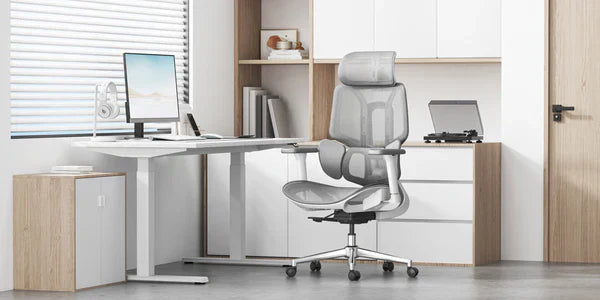
Office work has changed a lot lately, so your chair should keep up too. By 2026, traditional office chairs just aren’t enough. Now, people want office furniture that supports their health, not just a place to sit. When you shop for a new chair, focus less on looks and more on how it supports your body over time. In this guide, I’ll show you the main features to look for in a modern ergonomic chair so you can choose wisely.
Prioritize Dynamic Spinal Alignment
Chairs that keep you in one position often cause that afternoon slump. When shopping for a new office chair, check if it lets you move and shift easily. If a chair keeps you locked in place, your muscles have to work harder, which can lead to the aches and pains you want to avoid.
The Power of an Adaptive Lumbar Tracking Ergonomic Chair
A major upgrade for 2026 is the adaptive lumbar tracking chair. This chair uses sensors to keep the lumbar support in contact with your lower back, no matter how you sit. Whether you’re leaning forward to work or leaning back to think, the support moves with you. This helps prevent the gap at your lower back, sometimes called the 'empty waist,' which often causes back pain for office workers.
Why You Need a 3-Zone Dynamic Lumbar Support Chair
For top ergonomic support, look for a 3-zone lumbar chair with a split-wing design. This dynamic support cushions your spine’s natural curve, while flexible side wings adjust to reduce lower lumbar strain, providing targeted relief for those who sit for over 6 hours daily.
Seek Out “Total Body” Adjustability
A one-size-fits-all chair doesn’t work in today’s diverse workplaces. For a healthy sitting posture, your chair should fit your height and weight.
·720° Omni-Mechanical Armrests:Your arms are heavy; without proper support, they pull directly on your neck and shoulders. The latest ergonomic armrests for shoulder relief and posture offer multi-axis rotation. This allows you to anchor your elbows, whether you are typing on a laptop, using a mobile device, or reclining at 140°.
·4D Dual-Axis Headrests:Avoid "tech neck" by choosing a headrest that adjusts in both height and depth. A dual-axis system allows the headrest to "find" your neck, providing a hovering anchor that lets your cervical muscles fully disengage.
·Independent Seat Depth & Tilt Tension:A real ergonomic chair for computer work should have a seat slider. Adjusting the seat depth supports your thighs without cutting off blood flow at your knees. With adjustable tilt tension, you can set how much effort it takes to recline, matching the chair to your weight.
·Backrest Height Customization:Not all torsos are the same length. A height-adjustable backrest ensures the dynamic lumbar support chair features align perfectly with the small of your back, rather than sitting too high or too low.
Compare the Best Ergonomic Chairs for 2026
To make your choice easier, we’ve listed the main products in our 2026 lineup. Each one is designed to solve common posture problems in today’s homes and offices.
Model
Primary User Benefit
Core Technology
Best For
Hbada E3 Air
Lightweight Versatility
Dynamic lumbar support chair
Home Office / Casual Use
Hbada E3 Pro
Intensive Support
Best ergonomic chair with 3-zone lumbar support
8+ Hour Workdays
Hbada X7 Smart
AI Health Integration
Adaptive lumbar tracking ergonomic chair
Posture Correction / Tech-Forward
If you’re planning to spend long hours at your desk and want a chair that really supports your posture, the E3 Pro and X7 Smart models are worth a look. These go beyond being just a place to sit—they’re designed to support your back and body throughout the day.
Frequently Asked Questions (FAQ)
Q: How do I know if a chair is actually “ergonomic”?A: A true ergonomic chair must have at least five points of adjustment: seat height, seat depth, lumbar tension, backrest tilt, and armrest position. If a chair lacks these, it cannot be customized to your body’s unique dimensions, which is the core ergonomic posture, meaning, and benefits requirement.
Q: What is the best sitting position for a herniated disc?A: You should aim for a “neutral spine” position. Keep your feet flat on the floor, knees at 90 degrees, and your lower back pressed firmly against an adaptive lumbar-tracking ergonomic chair. Avoid crossing your legs, as this tilts your pelvis and puts uneven pressure on your spinal discs.
Q: Can a lightweight ergonomic chair for home office use be as good as a corporate one?A: Absolutely. Modern materials like reinforced steel and high-tensile mesh enable a lightweight, ergonomic chair for home office setups that provides the same level of industrial-grade support as heavy executive models. Look for chairs that meet BIFMA durability standards.
Q: Why are armrests so important for posture?A: Properly adjusted ergonomic armrests for shoulder relief and posture take the load off your trapezius muscles. When your arms are supported, your shoulders can drop into a relaxed, natural position, which significantly reduces the risk of tension headaches and upper back pain.
Conclusion
Choosing the right office chair is really about looking after your long-term health. The best chairs in 2026 do more than just give you a spot to sit—they help manage your posture and keep you comfortable all day. If you focus on features like 3-zone lumbar support and adaptive tracking, you’ll set yourself up for a workspace that supports both your productivity and your well-being. With that said, don’t settle for a chair that leaves you sore or tired. Take the time to find one that fits your needs, and you’ll notice the difference every day.
For more information, please click to check:
https://www.hbada.eu/products/e3-air-ergonomic-office-chair
https://www.hbada.eu/products/e3-pro-ergonomic-office-chair
https://www.hbada.eu/products/hbada-x7-smart-ergonomic-chair
Apr 17, 2026
How to Choose the Best Ergonomic Office Chair in Europe: 2026 Buyer’s Guide
Office work has changed a lot lately, so your chair should keep up too. By 2026, traditional office chairs just aren’t enough. Now, people want office furniture that supports their health, not just a place to sit. When you shop for a new chair, focus less on looks and more on how it supports your body over time. In this guide, I’ll show you the main features to look for in a modern ergonomic chair so you can choose wisely.
Prioritize Dynamic Spinal Alignment
Chairs that keep you in one position often cause that afternoon slump. When shopping for a new office chair, check if it lets you move and shift easily. If a chair keeps you locked in place, your muscles have to work harder, which can lead to the aches and pains you want to avoid.
The Power of an Adaptive Lumbar Tracking Ergonomic Chair
A major upgrade for 2026 is the adaptive lumbar tracking chair. This chair uses sensors to keep the lumbar support in contact with your lower back, no matter how you sit. Whether you’re leaning forward to work or leaning back to think, the support moves with you. This helps prevent the gap at your lower back, sometimes called the 'empty waist,' which often causes back pain for office workers.
Why You Need a 3-Zone Dynamic Lumbar Support Chair
For top ergonomic support, look for a 3-zone lumbar chair with a split-wing design. This dynamic support cushions your spine’s natural curve, while flexible side wings adjust to reduce lower lumbar strain, providing targeted relief for those who sit for over 6 hours daily.
Seek Out “Total Body” Adjustability
A one-size-fits-all chair doesn’t work in today’s diverse workplaces. For a healthy sitting posture, your chair should fit your height and weight.
·720° Omni-Mechanical Armrests:Your arms are heavy; without proper support, they pull directly on your neck and shoulders. The latest ergonomic armrests for shoulder relief and posture offer multi-axis rotation. This allows you to anchor your elbows, whether you are typing on a laptop, using a mobile device, or reclining at 140°.
·4D Dual-Axis Headrests:Avoid "tech neck" by choosing a headrest that adjusts in both height and depth. A dual-axis system allows the headrest to "find" your neck, providing a hovering anchor that lets your cervical muscles fully disengage.
·Independent Seat Depth & Tilt Tension:A real ergonomic chair for computer work should have a seat slider. Adjusting the seat depth supports your thighs without cutting off blood flow at your knees. With adjustable tilt tension, you can set how much effort it takes to recline, matching the chair to your weight.
·Backrest Height Customization:Not all torsos are the same length. A height-adjustable backrest ensures the dynamic lumbar support chair features align perfectly with the small of your back, rather than sitting too high or too low.
Compare the Best Ergonomic Chairs for 2026
To make your choice easier, we’ve listed the main products in our 2026 lineup. Each one is designed to solve common posture problems in today’s homes and offices.
Model
Primary User Benefit
Core Technology
Best For
Hbada E3 Air
Lightweight Versatility
Dynamic lumbar support chair
Home Office / Casual Use
Hbada E3 Pro
Intensive Support
Best ergonomic chair with 3-zone lumbar support
8+ Hour Workdays
Hbada X7 Smart
AI Health Integration
Adaptive lumbar tracking ergonomic chair
Posture Correction / Tech-Forward
If you’re planning to spend long hours at your desk and want a chair that really supports your posture, the E3 Pro and X7 Smart models are worth a look. These go beyond being just a place to sit—they’re designed to support your back and body throughout the day.
Frequently Asked Questions (FAQ)
Q: How do I know if a chair is actually “ergonomic”?A: A true ergonomic chair must have at least five points of adjustment: seat height, seat depth, lumbar tension, backrest tilt, and armrest position. If a chair lacks these, it cannot be customized to your body’s unique dimensions, which is the core ergonomic posture, meaning, and benefits requirement.
Q: What is the best sitting position for a herniated disc?A: You should aim for a “neutral spine” position. Keep your feet flat on the floor, knees at 90 degrees, and your lower back pressed firmly against an adaptive lumbar-tracking ergonomic chair. Avoid crossing your legs, as this tilts your pelvis and puts uneven pressure on your spinal discs.
Q: Can a lightweight ergonomic chair for home office use be as good as a corporate one?A: Absolutely. Modern materials like reinforced steel and high-tensile mesh enable a lightweight, ergonomic chair for home office setups that provides the same level of industrial-grade support as heavy executive models. Look for chairs that meet BIFMA durability standards.
Q: Why are armrests so important for posture?A: Properly adjusted ergonomic armrests for shoulder relief and posture take the load off your trapezius muscles. When your arms are supported, your shoulders can drop into a relaxed, natural position, which significantly reduces the risk of tension headaches and upper back pain.
Conclusion
Choosing the right office chair is really about looking after your long-term health. The best chairs in 2026 do more than just give you a spot to sit—they help manage your posture and keep you comfortable all day. If you focus on features like 3-zone lumbar support and adaptive tracking, you’ll set yourself up for a workspace that supports both your productivity and your well-being. With that said, don’t settle for a chair that leaves you sore or tired. Take the time to find one that fits your needs, and you’ll notice the difference every day.
For more information, please click to check:
https://www.hbada.eu/products/e3-air-ergonomic-office-chair
https://www.hbada.eu/products/e3-pro-ergonomic-office-chair
https://www.hbada.eu/products/hbada-x7-smart-ergonomic-chair
Apr 17, 2026
 The Hbada E3 professional chair with many years of ergonomic experience!
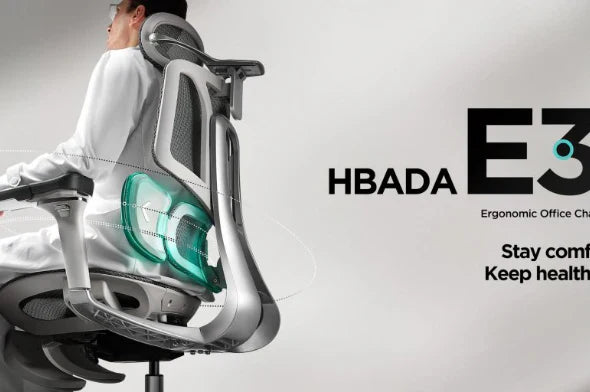
Looking for a professional office chair that provides comfort and support for long hours? Discover Hbada's E3 model, which offers a personalized fit and advanced ergonomics, while incorporating many cutting-edge technologies.
Founded in 2008, Hbada is a brand specializing in ergonomic furniture, particularly office chairs, which has rapidly established itself on the international market thanks to its technological innovations.
It has over 10 million users worldwide, partners in more than 30 countries and more than 300 technological patents, notably for its T-shaped support system and three-zone floating wing lumbar support.
The E3 chair, which we're about to present, won a Silver Award at the London Design Award, an international competition that rewards excellence in design across disciplines such as architecture, product design, digital innovation, graphic design and many others.
Finally, as a guarantee of quality, the brand also holds the following (many) certifications:
BIFMA, which sets safety, durability and performance standards for office furniture,
TUV, which guarantees that a product complies with rigorous, internationally recognized safety and quality standards,
SGS Level 4, which ensures a high degree of safety and reliability of components, such as the gas springs in ergonomic chairs,
IGR, which guarantees the quality of the raw materials used.
With 17 years' experience in the field of ergonomics, and the use of advanced technologies, here's the Hbada E3 professional chair.
It features a T-shaped system that supports the waist, neck and shoulders, with multi-dimensional adjustments for optimum comfort.
The patented three-zone elastic lumbar support, with floating wings, offers precise adjustment in 8 directions, providing full envelopment and dynamic back support.
The headrest can be adjusted in 4 dimensions with two axes of movement (70° headrest frame rotation, 70° headrest tilt and rotation, up/down and front/back adjustment) enabling customized settings for optimal neck and neck support, effectively relieving the pressure exerted on your cervical spine during long periods of sitting.
The armrests can be adjusted in 6 dimensions, in three different directions, and the breathable micro-porous mesh adapts naturally to your body and movements, offering additional support. Seat depth and backrest height are also adjustable.
The wide 140° recline is ideal for naps, with an integrated footrest for maximum comfort (depending on model).
The chair is also equipped with an SGS Level 4-certified gas lift, silent castors and a sturdy five-star base, ensuring safety and longevity.
Jul 08, 2025
The Hbada E3 professional chair with many years of ergonomic experience!
Looking for a professional office chair that provides comfort and support for long hours? Discover Hbada's E3 model, which offers a personalized fit and advanced ergonomics, while incorporating many cutting-edge technologies.
Founded in 2008, Hbada is a brand specializing in ergonomic furniture, particularly office chairs, which has rapidly established itself on the international market thanks to its technological innovations.
It has over 10 million users worldwide, partners in more than 30 countries and more than 300 technological patents, notably for its T-shaped support system and three-zone floating wing lumbar support.
The E3 chair, which we're about to present, won a Silver Award at the London Design Award, an international competition that rewards excellence in design across disciplines such as architecture, product design, digital innovation, graphic design and many others.
Finally, as a guarantee of quality, the brand also holds the following (many) certifications:
BIFMA, which sets safety, durability and performance standards for office furniture,
TUV, which guarantees that a product complies with rigorous, internationally recognized safety and quality standards,
SGS Level 4, which ensures a high degree of safety and reliability of components, such as the gas springs in ergonomic chairs,
IGR, which guarantees the quality of the raw materials used.
With 17 years' experience in the field of ergonomics, and the use of advanced technologies, here's the Hbada E3 professional chair.
It features a T-shaped system that supports the waist, neck and shoulders, with multi-dimensional adjustments for optimum comfort.
The patented three-zone elastic lumbar support, with floating wings, offers precise adjustment in 8 directions, providing full envelopment and dynamic back support.
The headrest can be adjusted in 4 dimensions with two axes of movement (70° headrest frame rotation, 70° headrest tilt and rotation, up/down and front/back adjustment) enabling customized settings for optimal neck and neck support, effectively relieving the pressure exerted on your cervical spine during long periods of sitting.
The armrests can be adjusted in 6 dimensions, in three different directions, and the breathable micro-porous mesh adapts naturally to your body and movements, offering additional support. Seat depth and backrest height are also adjustable.
The wide 140° recline is ideal for naps, with an integrated footrest for maximum comfort (depending on model).
The chair is also equipped with an SGS Level 4-certified gas lift, silent castors and a sturdy five-star base, ensuring safety and longevity.
Jul 08, 2025
 Hbada E3 Schreibtischstuhl mit eigens entwickeltem T-förmigen Stützsystem
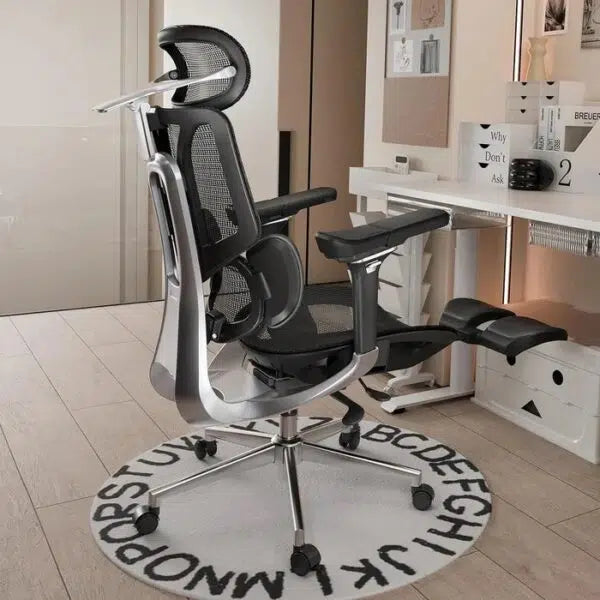
Besonders in den Hochzeiten des Home Office ist das Angebot an Bürostühlen ins Unermessliche gestiegen. Davon mal abgesehen, dass es auch richtig abgedrehte Modelle mit Massagefunktion gibt, bleibt der ergonomische Schreibtischstuhl wohl weiterhin das Modell der Wahl. Der Hbada E3 Ergonomischer Bürostuhl unterstützt dabei alle wichtigen Bereiche eures Körpers, ganz nach euren eigenen Wünschen. Der Hersteller hat auch schon über 16 Jahre Erfahrung in der Branche.
Individuelle Einstellungen für Kopf, Lende & Co.
Fangen wir mit dem gesamten Aufbau des Stuhls an, denn Hbada hat dafür ein (angeblich) eigens entwickeltes T-förmiges Stützsystem implementiert. Dieses soll gerade bei längerem Sitzen Schmerzen in Nacken, Taille und Schulter vermeiden, indem diese Körperteile besonders gestützt werden. Das fängt mit der elastischen Dreizonen-Lendenwirbelstütze an. Der aufwendige Name beschreibt den Mittelteil der Rückenlehne, der aus drei Einzelteilen besteht, einer dynamischen Lordosenstütze mit zwei seitlichen Flügeln. Diese können um bis zu 40° nach Innen oder Außen bewegt werden, die Stütze an sich kann um 14° geneigt, um circa 4 cm in der Höhe und circa 2,5 cm in der Tiefe eingestellt werden.
Unser wichtigstes Werkzeug im Büro, unser Kopf, braucht natürlich auch eine angenehme Anlehnungsmöglichkeit. Die 4D Kopfstütze kann um 70° gedreht, 70° geneigt, 4,5 cm in der Höhe und 5,5 cm in der Tiefe eingestellt werden. Die Funktion finde ich ziemlich praktisch, denn gerade der Kopfteil eines Bürostuhls kann schnell der Grund sein Nackenschmerzen zu bekommen, wenn es nicht gut passt.
Unser Popöchen möchte für intensive Arbeitsstunden natürlich auch gut gepolstert werden, wofür die Sitzfläche aus einem bequemen 52 x 50 cm Kissen besteht. Bei dem Obermaterial handelt es sich um 16,5 % atmungsaktiven Mesh aus Nylon, ihr bleibt also auch hintenrum frisch, mit nackter Haut könnte es aber unangenehm werden. Ihr könnt die Sitzfläche auch noch um bis zu 5 cm nach Vorne oder Hinten verschieben.
Auch die Armlehnen lassen sich sehr individuell einstellen, weswegen sie hier auch als 6D mechanische Armlehnen betitelt werden. Genaugenommen könnt ihr sie in Höhe, Breite, Tiefe und Rotation anpassen. Zudem lässt sich der vordere Teil auch noch nach oben abknicken, wenn man es denn so möchte. Persönlich sind mir das schon fast zu viele Einstellungsmöglichkeiten für meine Arme, die wahrscheinlich den Großteil des Tages eh eher auf dem Tisch aufliegen, dennoch ein nettes Feature.
Zur Pause einfach mal Zurücklehnen
Wie wir alle wissen, sind kleine Pausen zwischendurch sehr wichtig, am besten natürlich auch aufzustehen und sich zu bewegen. Wer aber lieber ein 20-minütiges Powernapping einlegt, der kann sich mit dem Hbada E3 und seiner integrierten Fußstütze um bis zu 140° nach hinten neigen. Würde ich mir tatsächlich auch manchmal im Büro wünschen.
Die Sitzhöhe lässt sich zudem noch von 119 bis 51 cm einstellen und hält bis zu 135 Kilo Gewicht. Der Stuhl selbst wiegt circa 27 Kilo, mit seinem Metallsockel und Gestell mit automatischer Schwerkrafterkennung, die Veränderungen in Körperhaltung und Gewicht automatisch erkennen soll.
Viele verschiedene Einstellungsmöglichkeiten für den perfekten Stuhl
Wie immer gilt bei Schreibtischstühlen: ohne drin gesessen zu haben, ist es schwer ein abschließendes Fazit zu ziehen. Rein vom Datenblatt her klingt der Hbada E3 natürlich ziemlich gut, wer vielleicht häufig seine Positionen wechselt oder oft Schwierigkeiten mit „normalen“ Stühlen und eingeschränkten Einstellungsmöglichkeiten hatte, der bekommt hier zumindest viel zum Individualisieren. Außerdem scheint der Hersteller über ausreichend Erfahrungen in der Branche zu verfügen, das selbstentwickelte Stützsystem kann von Vorteil sein.
Was man in der Preisklasse aber auch durchaus erwarten kann, wie ich finde. Ja, Bürostühle können echt teuer sein, so viel wie für einen Kleinwagen würde ich trotzdem nicht dafür ausgeben. Zum Glück gibt es da zumindest Rabattaktionen, die den Preis drücken. Ob man das Geld wirklich so investieren möchte, muss jeder für sich selbst entscheiden. Ihr hättet bei Hbada zumindest eine kostenlose Lieferung an eure Tür, 3 Jahre Garantie auf Ersatzteile und eine 30-Tage Rückgabe. Leider nicht ganz kostenlos, außer der Stuhl hat einen Defekt. Was haltet ihr von dem Modell?
Jul 08, 2025
Hbada E3 Schreibtischstuhl mit eigens entwickeltem T-förmigen Stützsystem
Besonders in den Hochzeiten des Home Office ist das Angebot an Bürostühlen ins Unermessliche gestiegen. Davon mal abgesehen, dass es auch richtig abgedrehte Modelle mit Massagefunktion gibt, bleibt der ergonomische Schreibtischstuhl wohl weiterhin das Modell der Wahl. Der Hbada E3 Ergonomischer Bürostuhl unterstützt dabei alle wichtigen Bereiche eures Körpers, ganz nach euren eigenen Wünschen. Der Hersteller hat auch schon über 16 Jahre Erfahrung in der Branche.
Individuelle Einstellungen für Kopf, Lende & Co.
Fangen wir mit dem gesamten Aufbau des Stuhls an, denn Hbada hat dafür ein (angeblich) eigens entwickeltes T-förmiges Stützsystem implementiert. Dieses soll gerade bei längerem Sitzen Schmerzen in Nacken, Taille und Schulter vermeiden, indem diese Körperteile besonders gestützt werden. Das fängt mit der elastischen Dreizonen-Lendenwirbelstütze an. Der aufwendige Name beschreibt den Mittelteil der Rückenlehne, der aus drei Einzelteilen besteht, einer dynamischen Lordosenstütze mit zwei seitlichen Flügeln. Diese können um bis zu 40° nach Innen oder Außen bewegt werden, die Stütze an sich kann um 14° geneigt, um circa 4 cm in der Höhe und circa 2,5 cm in der Tiefe eingestellt werden.
Unser wichtigstes Werkzeug im Büro, unser Kopf, braucht natürlich auch eine angenehme Anlehnungsmöglichkeit. Die 4D Kopfstütze kann um 70° gedreht, 70° geneigt, 4,5 cm in der Höhe und 5,5 cm in der Tiefe eingestellt werden. Die Funktion finde ich ziemlich praktisch, denn gerade der Kopfteil eines Bürostuhls kann schnell der Grund sein Nackenschmerzen zu bekommen, wenn es nicht gut passt.
Unser Popöchen möchte für intensive Arbeitsstunden natürlich auch gut gepolstert werden, wofür die Sitzfläche aus einem bequemen 52 x 50 cm Kissen besteht. Bei dem Obermaterial handelt es sich um 16,5 % atmungsaktiven Mesh aus Nylon, ihr bleibt also auch hintenrum frisch, mit nackter Haut könnte es aber unangenehm werden. Ihr könnt die Sitzfläche auch noch um bis zu 5 cm nach Vorne oder Hinten verschieben.
Auch die Armlehnen lassen sich sehr individuell einstellen, weswegen sie hier auch als 6D mechanische Armlehnen betitelt werden. Genaugenommen könnt ihr sie in Höhe, Breite, Tiefe und Rotation anpassen. Zudem lässt sich der vordere Teil auch noch nach oben abknicken, wenn man es denn so möchte. Persönlich sind mir das schon fast zu viele Einstellungsmöglichkeiten für meine Arme, die wahrscheinlich den Großteil des Tages eh eher auf dem Tisch aufliegen, dennoch ein nettes Feature.
Zur Pause einfach mal Zurücklehnen
Wie wir alle wissen, sind kleine Pausen zwischendurch sehr wichtig, am besten natürlich auch aufzustehen und sich zu bewegen. Wer aber lieber ein 20-minütiges Powernapping einlegt, der kann sich mit dem Hbada E3 und seiner integrierten Fußstütze um bis zu 140° nach hinten neigen. Würde ich mir tatsächlich auch manchmal im Büro wünschen.
Die Sitzhöhe lässt sich zudem noch von 119 bis 51 cm einstellen und hält bis zu 135 Kilo Gewicht. Der Stuhl selbst wiegt circa 27 Kilo, mit seinem Metallsockel und Gestell mit automatischer Schwerkrafterkennung, die Veränderungen in Körperhaltung und Gewicht automatisch erkennen soll.
Viele verschiedene Einstellungsmöglichkeiten für den perfekten Stuhl
Wie immer gilt bei Schreibtischstühlen: ohne drin gesessen zu haben, ist es schwer ein abschließendes Fazit zu ziehen. Rein vom Datenblatt her klingt der Hbada E3 natürlich ziemlich gut, wer vielleicht häufig seine Positionen wechselt oder oft Schwierigkeiten mit „normalen“ Stühlen und eingeschränkten Einstellungsmöglichkeiten hatte, der bekommt hier zumindest viel zum Individualisieren. Außerdem scheint der Hersteller über ausreichend Erfahrungen in der Branche zu verfügen, das selbstentwickelte Stützsystem kann von Vorteil sein.
Was man in der Preisklasse aber auch durchaus erwarten kann, wie ich finde. Ja, Bürostühle können echt teuer sein, so viel wie für einen Kleinwagen würde ich trotzdem nicht dafür ausgeben. Zum Glück gibt es da zumindest Rabattaktionen, die den Preis drücken. Ob man das Geld wirklich so investieren möchte, muss jeder für sich selbst entscheiden. Ihr hättet bei Hbada zumindest eine kostenlose Lieferung an eure Tür, 3 Jahre Garantie auf Ersatzteile und eine 30-Tage Rückgabe. Leider nicht ganz kostenlos, außer der Stuhl hat einen Defekt. Was haltet ihr von dem Modell?
Jul 08, 2025