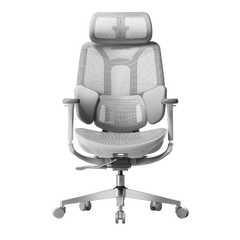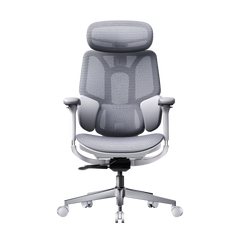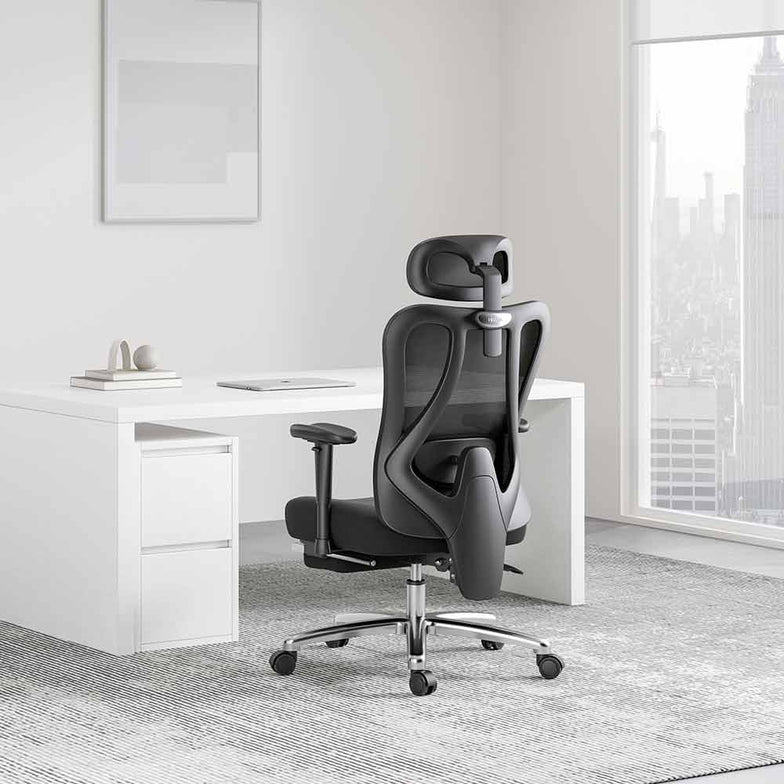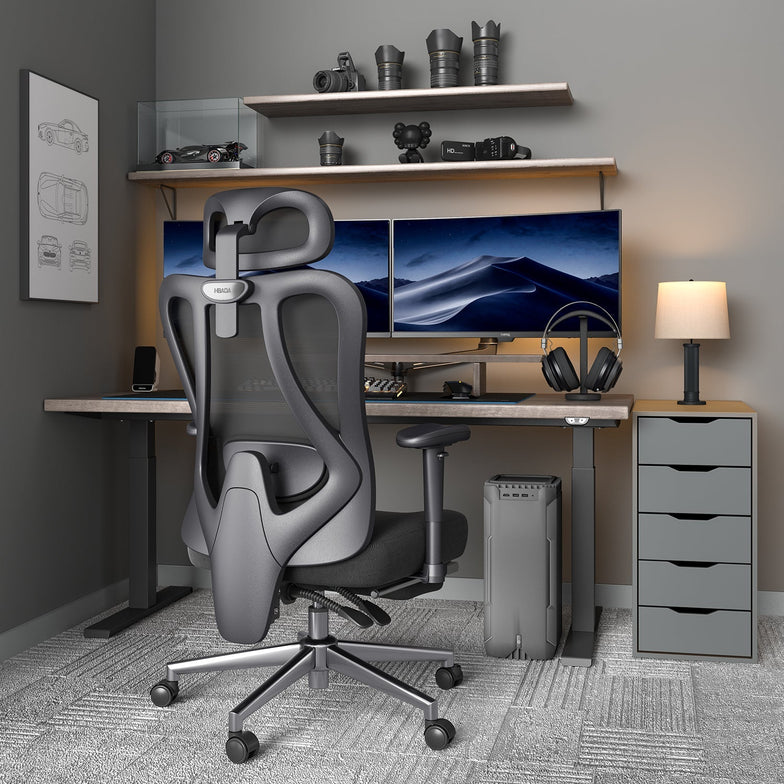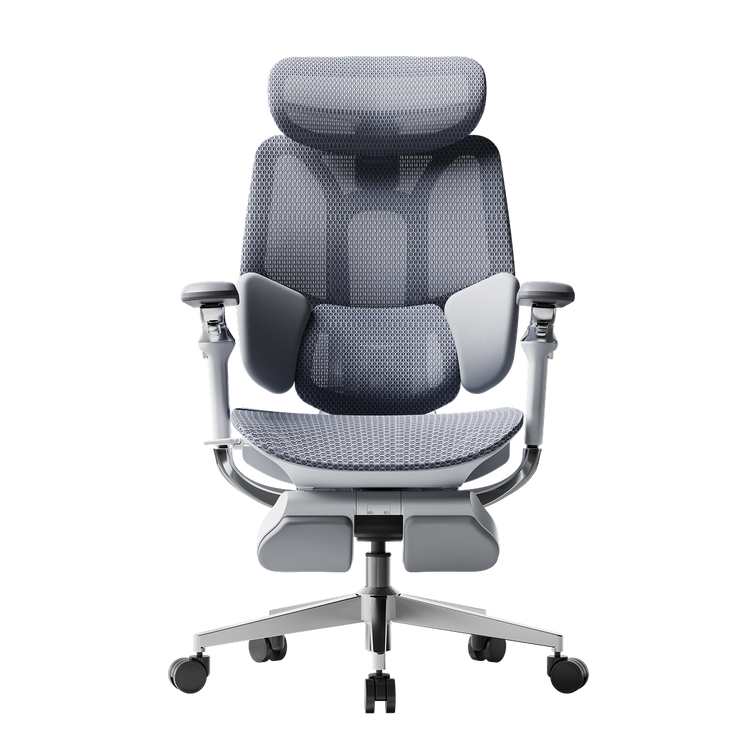
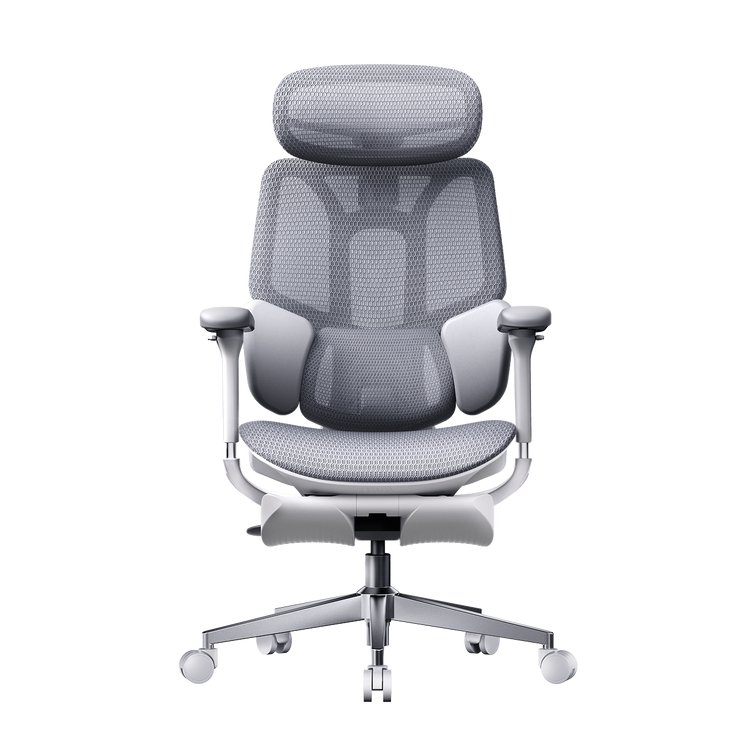
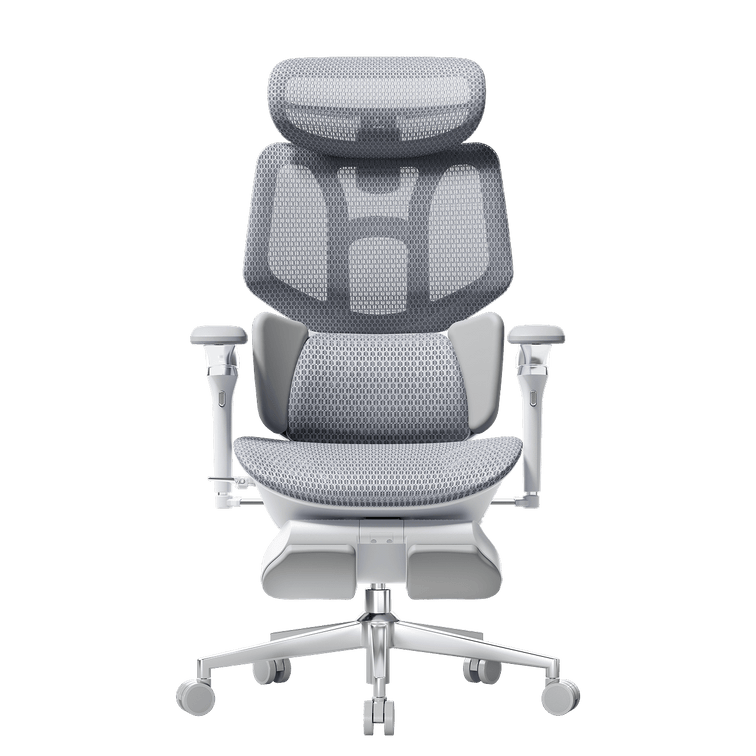
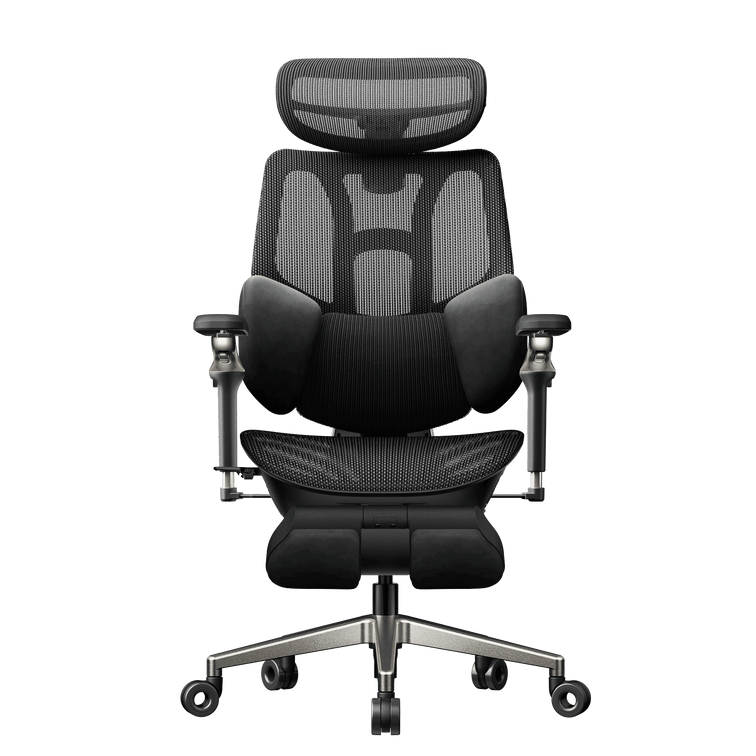
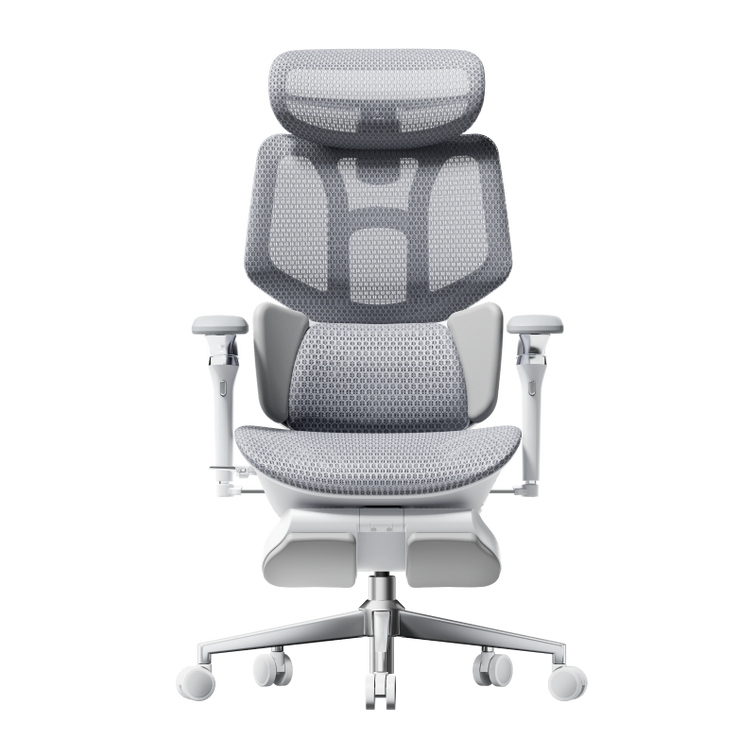
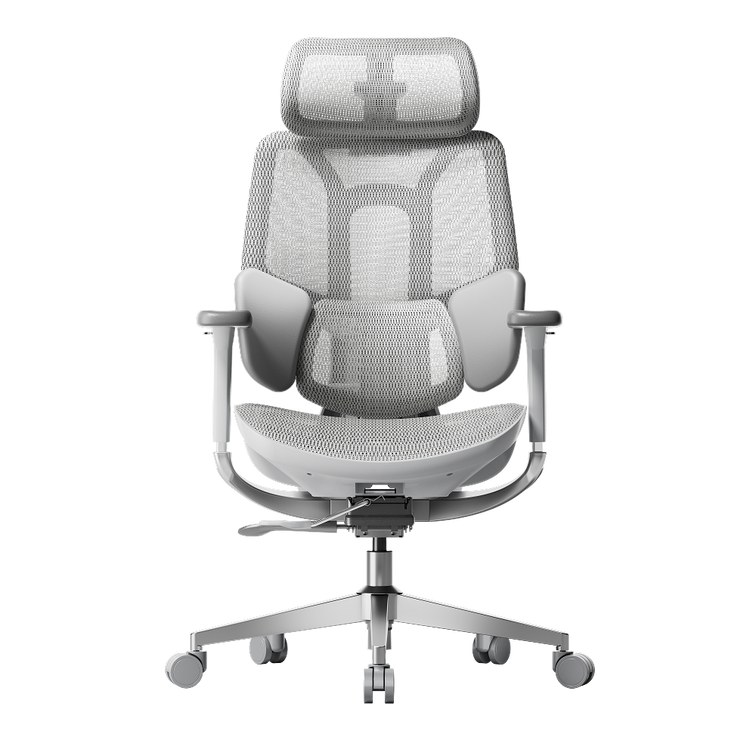
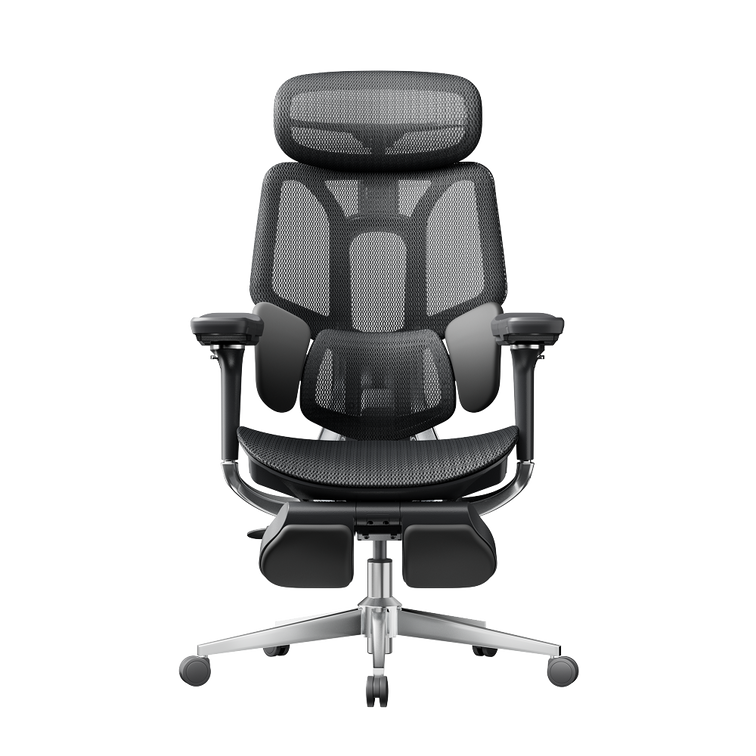
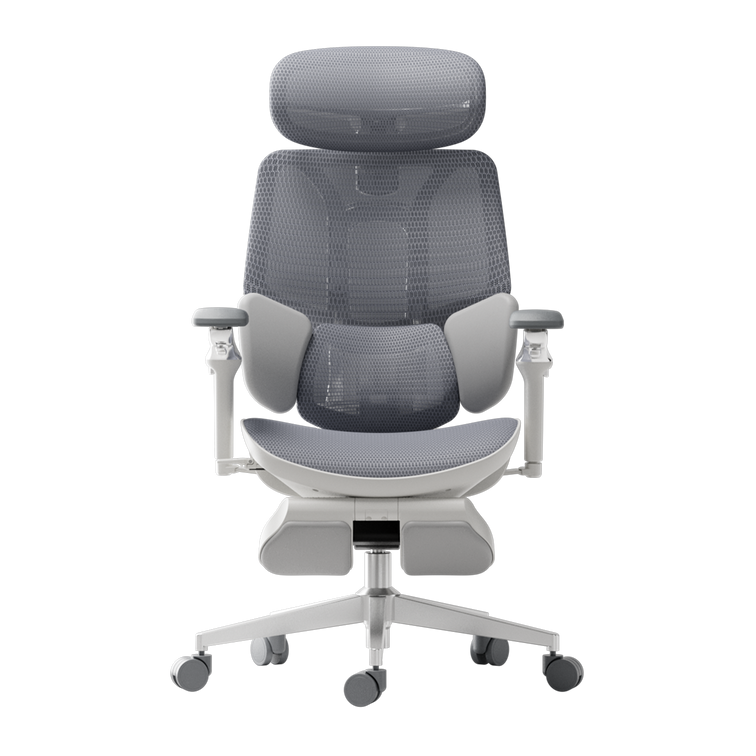
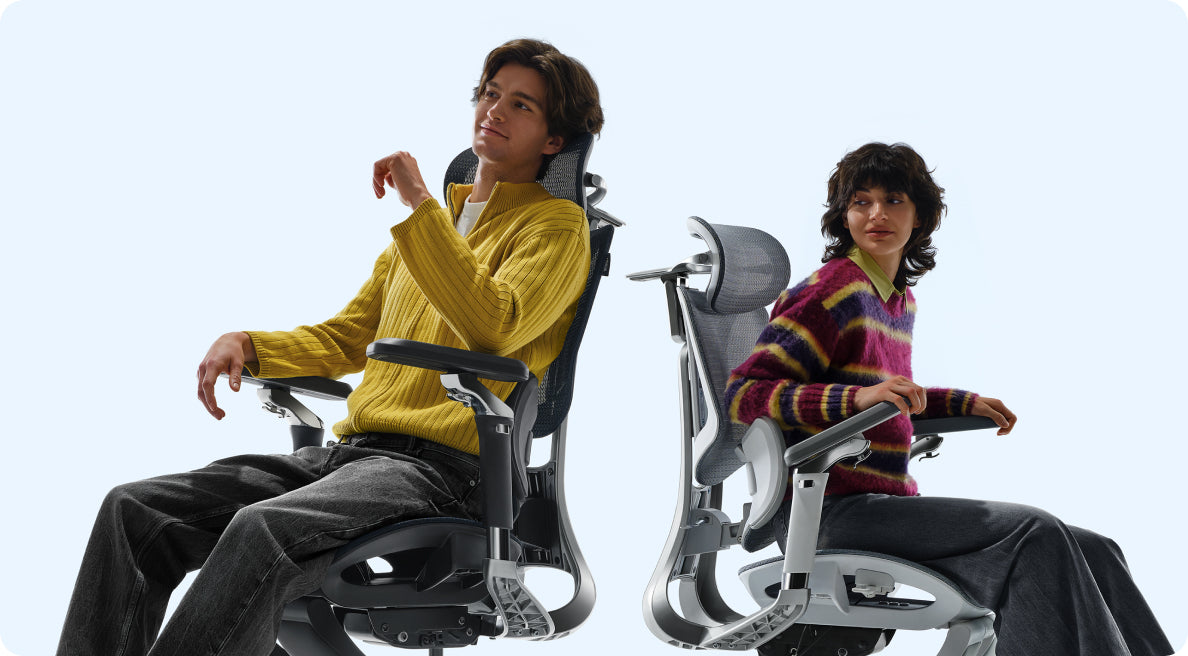

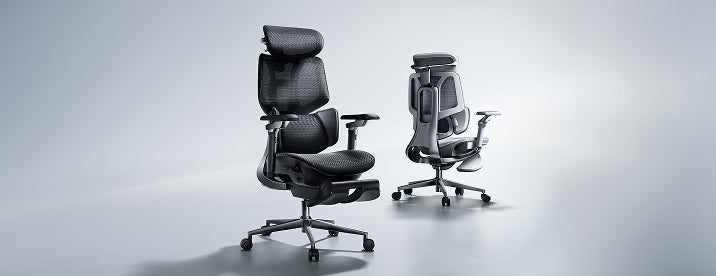
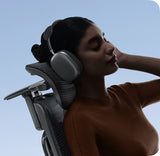
A task chair is the piece of furniture you use through meetings, focused work and everyday desk tasks. Choosing the right one means matching its adjustments, materials and support to your body and the way you work.
What Is a Task Chair?
A task chair is an office chair designed for focused work at a desk. It commonly includes adjustable seat height, a swivel base and other adjustments that help accommodate different users and working positions.
The term covers a broad range of chairs. A basic model may offer only seat-height adjustment, while an ergonomic task chair may also provide adjustable lumbar support, armrests, seat depth and recline. Compare the actual controls rather than choosing by appearance alone.
Features to Look for in a Task Chair

Lumbar Support
Lumbar support should feel comfortable against the lower back. Height, depth or adaptive movement can help different users find an appropriate position. More pressure is not necessarily better: the support should not push you away from the backrest or create an uncomfortable pressure point.
Seat Height and Depth
Check the seat-height range and usable seat depth in centimetres. Your feet should have support, and the front edge should leave space behind your knees. A recommended user-height range is only a starting point because people of the same height can have different body proportions.
Breathable Materials
Mesh allows airflow, but the feel of the seat also matters. Consider its firmness, edge shape and support alongside breathability. If possible, assess the chair during ordinary desk tasks rather than judging comfort from a brief sit.
Recline and Movement
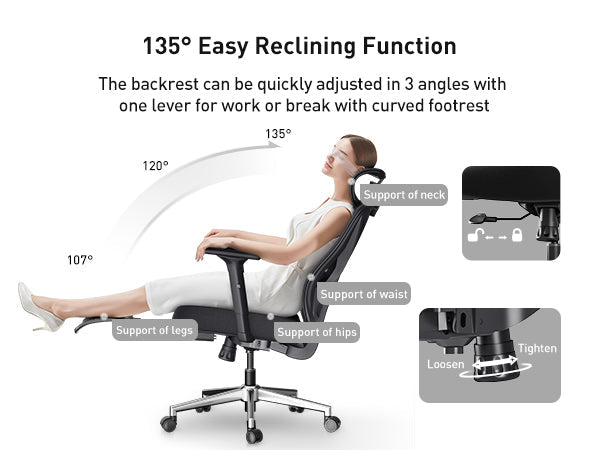
Compare how the recline works, the available lock positions and any tension adjustment. A larger maximum angle is not automatically more useful for typing or meetings. Choose controls that suit both focused work and changes of position.
Armrest Adjustment
Check whether the armrests can sit at a comfortable height and clear your desk. Width, depth and rotation adjustments may also help, depending on your keyboard, mouse and other daily tasks.
Build, Capacity and After-Sales Support
Compare the stated weight capacity in kilograms, assembly instructions and replacement-part support. Read the EU warranty and return terms for the exact model before ordering.
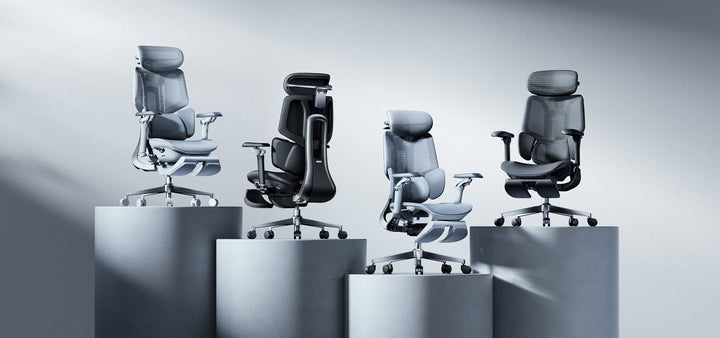
HBADA Task Chair Comparison
| Model | Why consider it? | What to confirm |
|---|---|---|
| HBADA X7 | Automatic lumbar tracking and powered comfort features. | Seat dimensions, controls and power requirements. |
| HBADA E3 Pro | Adjustable support for a primary desk-work chair. | Edition, lumbar adjustments and selected footrest option. |
| HBADA E3 Air | Breathable mesh and everyday ergonomic adjustments. | Edition, armrest controls and footrest configuration. |
| HBADA E3 Ultra | An alternative for users comparing additional comfort and adjustment options. | The current EU model’s features, recline and footrest details. |
| HBADA P2 | An option to assess if the required EU variant is available. | Current listing, specifications, price and local support. |
HBADA X7: For Users Who Prefer Powered Adjustment
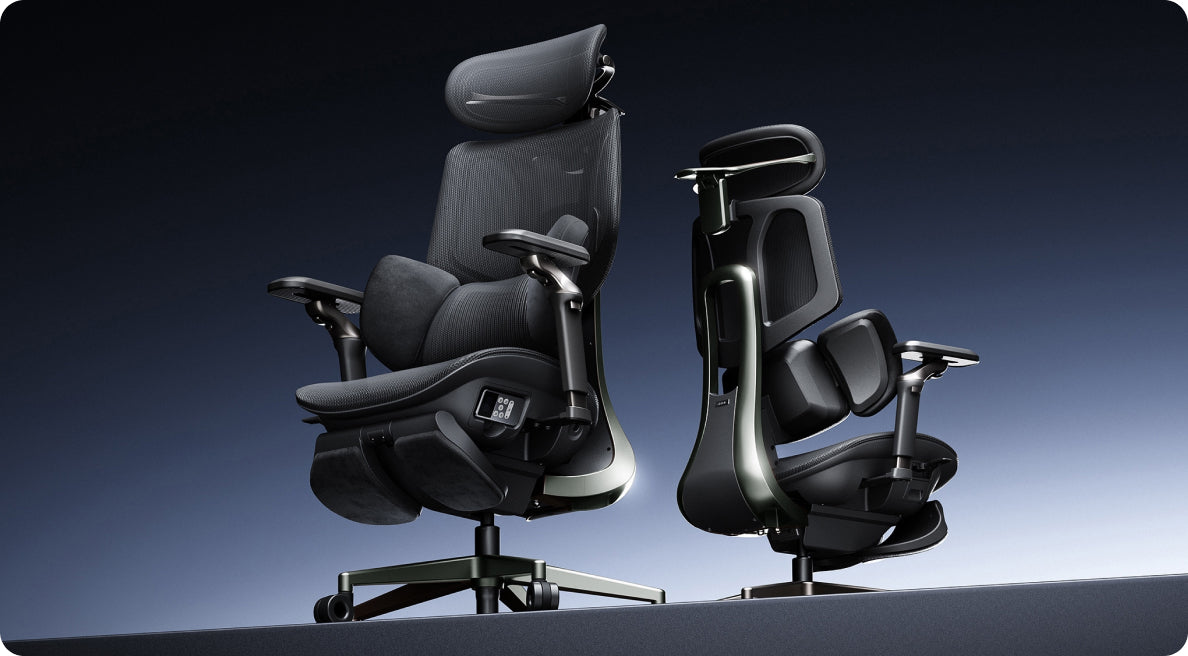
The HBADA X7 Smart Ergonomic Chair is the technology-focused option in this comparison. Its EU product page describes automatic lumbar tracking, seat ventilation and massage functions.
Consider it if you prefer automatic lumbar support to repeated manual adjustment. Check the controls and seat dimensions carefully: powered features do not replace the need for a chair that fits your body and desk.
- You prefer automatic lumbar tracking.
- Seat ventilation matters in your workspace.
- You want powered comfort functions.
- The dimensions and operating requirements suit your setup.
HBADA E3 Pro: For a More Adjustable Seated Setup

The HBADA E3 Pro Ergonomic Office Chair is worth comparing if lumbar support and adjustable seating are priorities. Check how the support contacts your back and which adjustments are available on the selected edition.
The Pro name appears across different configurations. Compare the exact product rather than transferring specifications from another market or generation.
- Lumbar fit is a priority when choosing a chair.
- You want to adjust the seating position to your desk.
- You alternate between focused work and reclined breaks.
- You have compared the available E3 Pro editions.
HBADA E3 Air: For Everyday Office Work
The HBADA E3 Air Ergonomic Office Chair combines breathable mesh with lumbar, headrest and armrest adjustment. The linked EU listing describes a recline of up to 140°.
It is a model to compare when you want everyday ergonomic controls without making powered comfort functions the focus of the purchase. Check the selected version carefully, including whether it has a footrest.
- You prefer breathable mesh seating.
- You want adjustments for ordinary desk work.
- You are comparing value within the E3 range.
- You have checked the current price and chosen edition.
HBADA E3 Ultra: Check the Current EU Configuration
Include the HBADA E3 Ultra in your shortlist if you are comparing comfort features for desk work, reading and short seated breaks.
Use the current EU listing to confirm its adjustment system, recline range and whether the selected configuration includes a footrest. Specifications from a similarly named .com product should not be treated as interchangeable.
- You want to compare additional comfort features.
- You use your chair for both work and reading.
- The selected configuration includes the features you need.
- The required variant is available for your destination.
HBADA P2: Confirm EU Availability First
If you are considering the P2 for an occasional or secondary workspace, first confirm that an appropriate EU variant is available. Lumbar support, armrests, recline and footrest specifications should be checked on that exact listing.
If the P2 is not listed in the current EU range, contact service@hbada.eu before relying on pricing or specifications from another market.
- The model is available for your delivery country.
- The seat dimensions and adjustment range fit your needs.
- The selected variant includes your required features.
- EU after-sales support and applicable terms are clear.
Choose a Task Chair by Work Style
There is no single best task chair for every office. Identify the adjustments you will actually use before comparing additional features.
- Long desk sessions: Prioritise fit, usable adjustments and ease of changing position. Compare X7 automatic support with the controls offered by E3 models.
- Everyday home-office work: Compare E3 Air and E3 Pro against your desk height, body dimensions and budget.
- Reading and short reclined breaks: Check recline controls and the exact footrest configuration, including E3 Ultra options.
- A secondary workspace: Focus on essential fit and adjustments. Consider P2 only when EU availability and specifications are confirmed.
For a shared workspace, choose controls that each user can understand and reach. Check the minimum and maximum dimensions rather than assuming one saved position will suit everyone.
Task Chair Setup Tips
- Set the seat height. Keep your feet supported by the floor or a suitable footrest.
- Check the seat depth. Sit back and leave a small gap between the seat edge and your knees.
- Position the lumbar support. Adjust it gradually and avoid excessive pressure.
- Set the armrests. Support your forearms without lifting your shoulders or blocking access to the desk.
- Check keyboard and mouse reach. Keep both within comfortable reach during your usual tasks.
- Adjust the screen. Position it so you can read without repeatedly leaning forward or bending your neck.
- Change position regularly. Combine seated work with movement and changes of activity.
Frequently Asked Questions
Which HBADA task chair should I consider for long desk sessions?
Compare the X7 if you prefer automatic lumbar tracking, or E3 models if their adjustments better match your needs. Seat fit, desk compatibility and preferred controls matter more than the number of features.
Which chair should I choose if lumbar support is my priority?
Start by comparing the E3 Pro’s support and adjustments with the X7’s automatic tracking. Choose the option that makes comfortable contact with your lower back without pushing you into an awkward position.
Is the E3 Air a value-focused option?
The E3 Air is an option for buyers prioritising breathable seating and everyday adjustments. Compare current EU prices and editions before deciding which model offers the features you need within your budget.
Does every HBADA task chair include a footrest?
No. Footrest availability depends on the model and selected configuration. Check the option shown on the product page and in your basket before ordering.
Do I need the deepest possible recline?
Not necessarily. Compare the lock positions, movement and support you can use during work. A deeper recline may suit short breaks, but the maximum angle alone does not determine whether a chair is a good fit.
Can a task chair treat back pain?
A task chair is not a medical treatment. A suitable setup may feel more comfortable, but persistent, severe or worsening pain should be assessed by a qualified healthcare professional.
Are EU and US versions always the same?
Do not assume that they are. Model names, editions, configurations and availability can differ. Use the EU product page and applicable EU terms for your purchase.
Final Thoughts
Choosing a task chair starts with fit. Compare the seat dimensions, lumbar support and controls against your body, desk and everyday routine.
Shortlist the X7 for automatic support, the E3 Pro for adjustable seating and the E3 Air for everyday mesh comfort. Check the current E3 Ultra configuration if additional comfort features matter to you, and confirm local availability before considering the P2.
Compare the current EU range, select the exact edition and configuration, and review delivery, returns and warranty information for your destination before ordering.
Explore HBADA EU Office Chairs