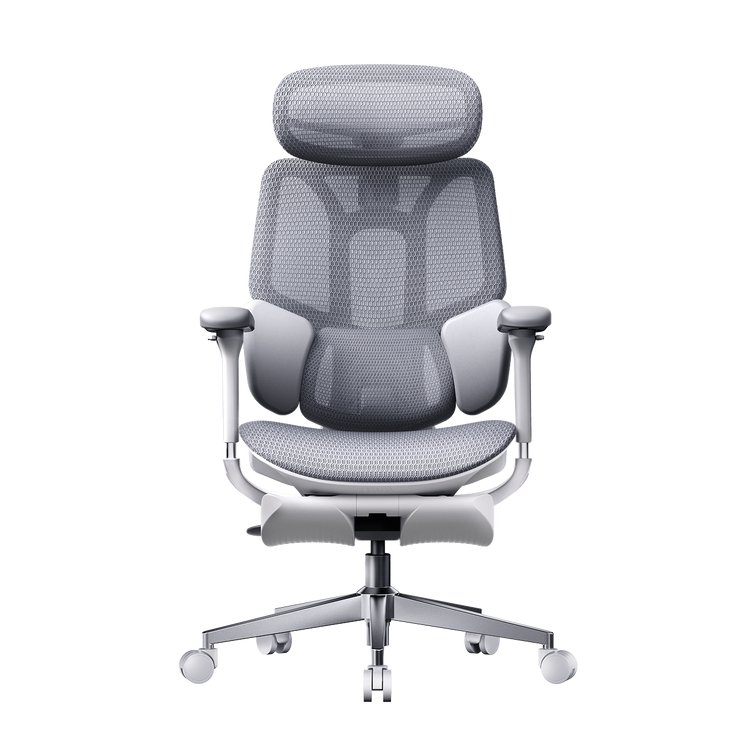
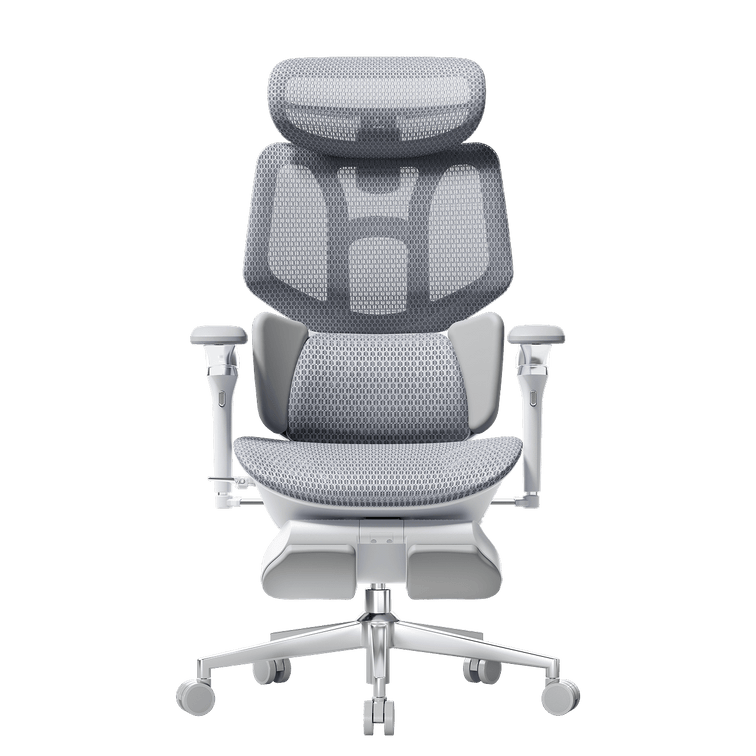
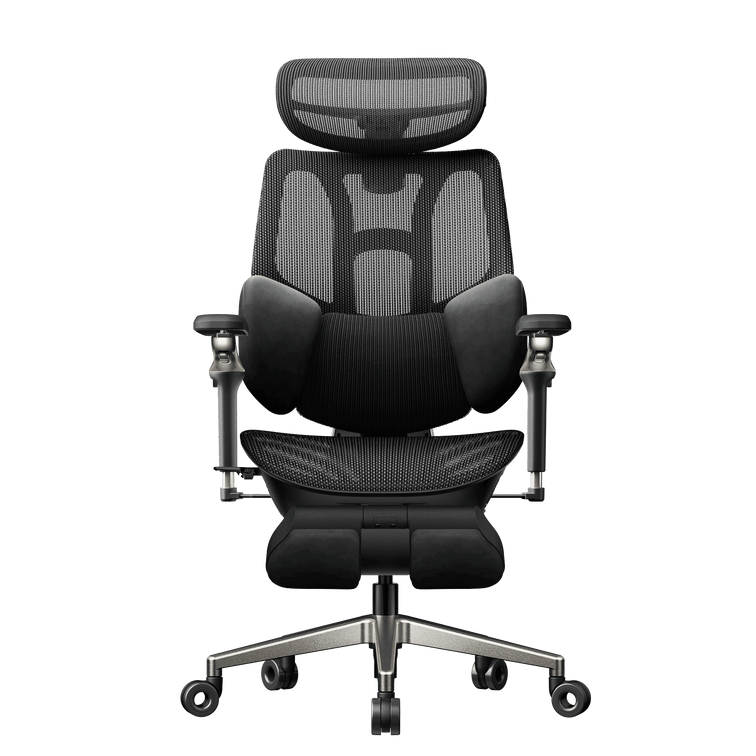
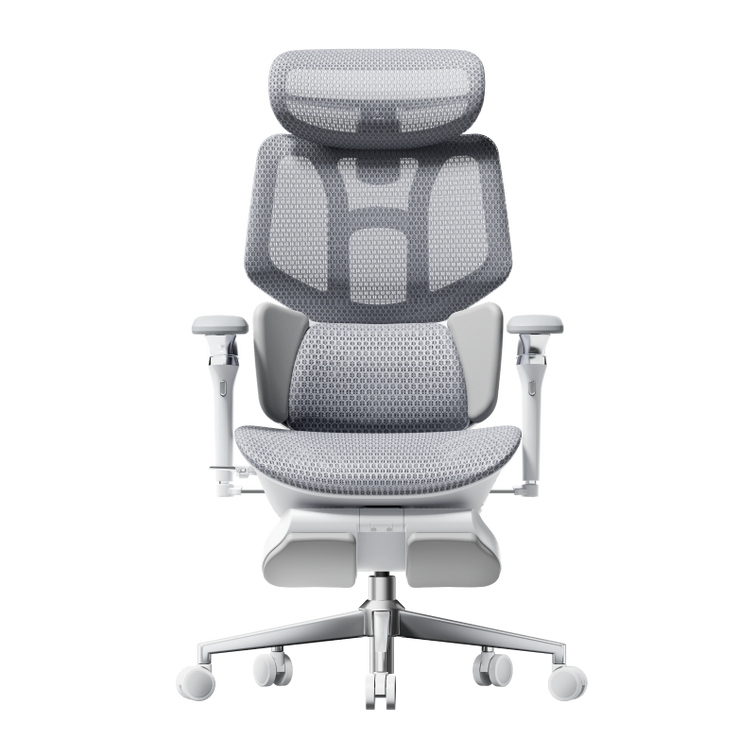

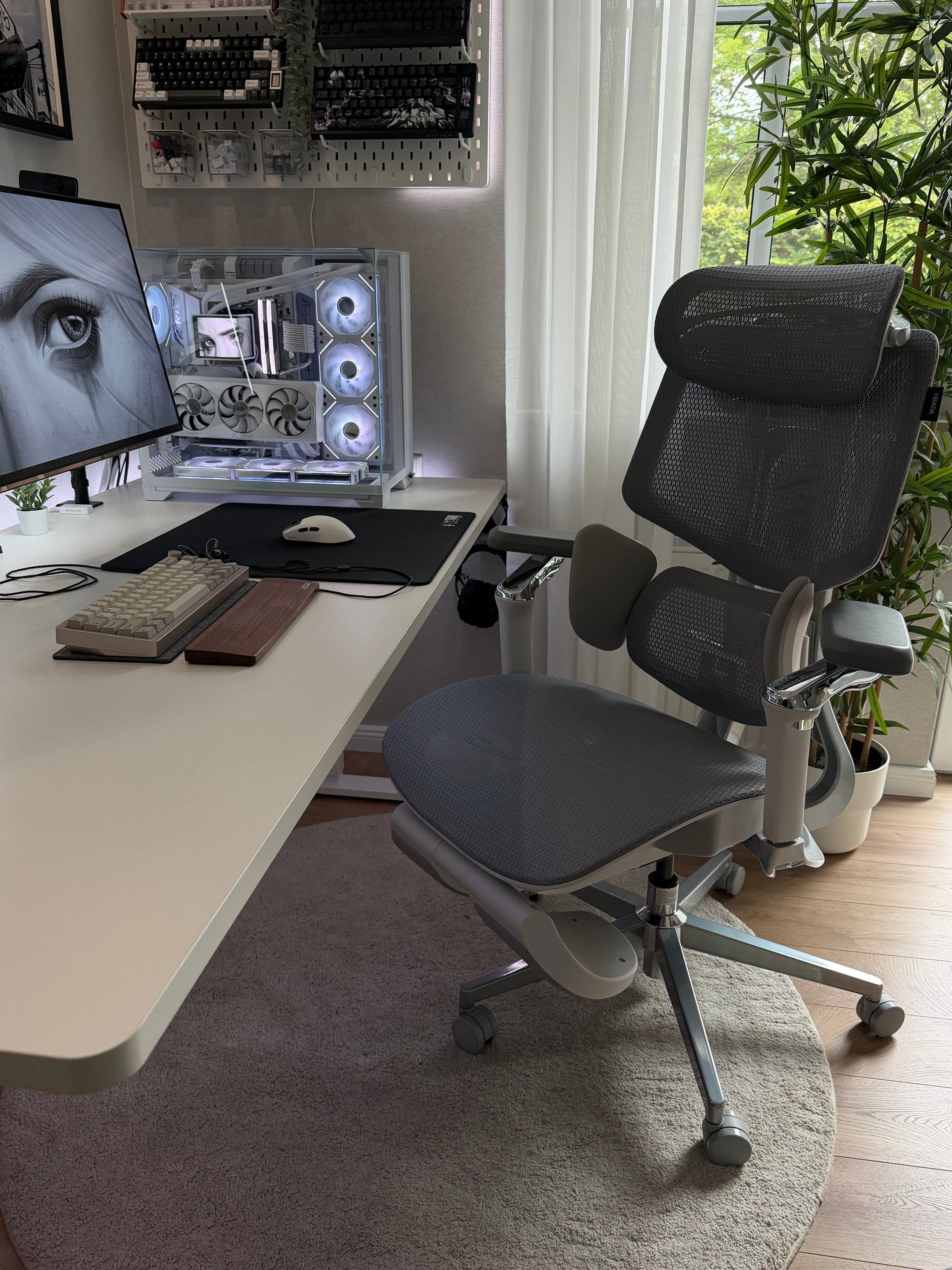
La scienza del comfort del sedile: perché la tecnologia a rete sta sostituendo i cuscini spessi in schiuma

La scienza del comfort del sedile: perché la tecnologia a rete sta sostituendo i cuscini spessi in schiuma

Per decenni, le sedie da ufficio sono state costruite con un’unica supposizione: schiuma più spessa significa più comfortLa logica sembrava valida — un cuscino si comprime sotto pressione, la schiuma offre morbidezza, più cuscino significa più comfort. Ma mesh sta riscrivendo fondamentalmente quell’equazione. I moderni la scienza del comfort del sedile rivelano che la schiuma spessa fallisce la misura più critica: la dissipazione del calore. Dopo più di 8 ore di seduta, il calore intrappolato sotto l’imbottitura tradizionale aumenta la pressione spinale del 12–18%, favorisce la crescita batterica sulla pelle e accelera la compressione della schiuma. I cuscini per sedili a rete risolve questo problema attraverso il flusso d’aria attivo e la sospensione elastica, offrendo miglioramenti dimostrabili nella distribuzione della pressione e nella durabilità a lungo termine. Questa guida spiega la biomeccanica e i dati alla base del cambiamento.

La scienza dietro il cedimento della schiuma — Perché i cuscini spessi si afflosciano

La compressione della schiuma non è un difetto; è termodinamica. Comprendere il meccanismo rende ovvio il passaggio alla rete.

Accumulo di calore: il killer silenzioso della durata della schiuma

Una persona seduta su schiuma genera approssimativamente 100–150 watt di calore metabolico (fonte: ricerca ergonomica sul posto di lavoro). La schiuma tradizionale spessa, il poliuretano, la memory foam o la schiuma incollata hanno scarsa conducibilità termicaIl calore non può fuoriuscire verso il basso attraverso il cuscino; si irradia nella base del sedile o rimane intrappolato nella matrice della schiuma. Dopo 2–3 ore, la temperatura della pelle sotto i glutei aumenta di 2–4°C rispetto alla temperatura corporea centrale, creando un microclima che accelera il degrado della schiuma e aumenta l’accumulo localizzato di sudore.

Il degrado accelerato della schiuma avviene attraverso degradazione ossidativaLa struttura cellulare del poliuretano si degrada quando esposta a calore e ossigeno prolungati. Studi sulla durata della schiuma mostrano che l'esposizione al calore da sola può ridurre la vita utile del cuscino del 40–60% rispetto alla conservazione in ambienti freschi. Con 8 ore di utilizzo giornaliero, un cuscino in schiuma valutato per 7–8 anni di uso normale si degrada fino al 50% di recupero dalla compressione in 18–24 mesi sotto un carico termico realistico da uso d’ufficio.

Compressione e l'effetto "Bottom-Out"

La schiuma non si comprime in modo uniforme. Le zone ad alta pressione, come le tuberosità ischiatiche (le "ossa su cui si siede"), causano schiacciamenti localizzati. A differenza dei materiali elastici che si riprendono quando la pressione viene rimossa, la schiuma mostra un assestamento permanente; non si espande completamente dopo ogni ciclo di compressione. Nel corso di mesi, queste zone di pressione formano depressioni permanenti. Tra i 6 e i 12 mesi, un nuovo cuscino in schiuma spessa presenta visibili impronte a forma di corpo, e dopo 18 mesi il punto di pressione ischiatica può aver perso il 50% della sua altezza originale. Ecco perché le sedie da ufficio con cuscini in schiuma risultano visibilmente meno di supporto dopo un anno di utilizzo.

Come funziona la tecnologia del sedile a rete — La fisica del comfort attivo

I sedili in mesh utilizzano un approccio ingegneristico fondamentalmente diverso: sospensione elastica su telaio rigido invece di stratificazione di schiuma.

Flusso d'aria attivo e dissipazione del calore

Una superficie di sedile in mesh, tipicamente realizzata in poliestere ad alta densità, nylon o miscele di polimeri intrecciati, è tesa su una struttura di supporto (molle, bande elastiche o supporto rigido). La proprietà chiave: la geometria a trama aperta permette il passaggio dell'aria. Il calore generato all'interfaccia pelle-sedile si dissipa direttamente attraverso le aperture della mesh nello spazio sottostante, prevenendo l'accumulo termico che degrada la schiuma. I test di laboratorio su mesh vs cuscini in schiuma mostrano che la temperatura della superficie del sedile si stabilizza a 3–4°C più fresca sulla mesh dopo 4 ore di seduta continua.

Distribuzione della pressione tramite sospensione elastica

La mesh non assorbe la pressione; la distribuisce. Uno strato di supporto elastico (molle, rete elastica o zone flessibili) spinge indietro contro il peso dell'utente. Questo crea distribuzione dinamica della pressione. Mentre cambi posizione, la mesh si conforma e si resetta istantaneamente. A differenza della schiuma, che si deforma permanentemente, la mesh mantiene il suo profilo di pressione indefinitamente. Studi biomeccanici mostrano che i sedili a sospensione mesh riducono la pressione ischiale di picco dell'8–15% rispetto ai cuscini in schiuma spessa alla stessa altezza e grado di rigidità.

L'innovazione "CloudMesh": design elastico stratificato

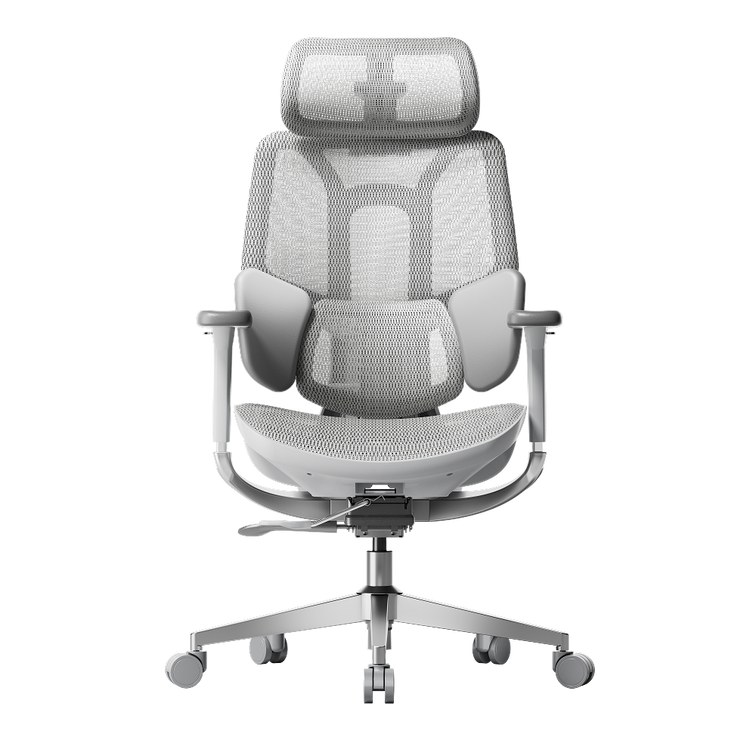
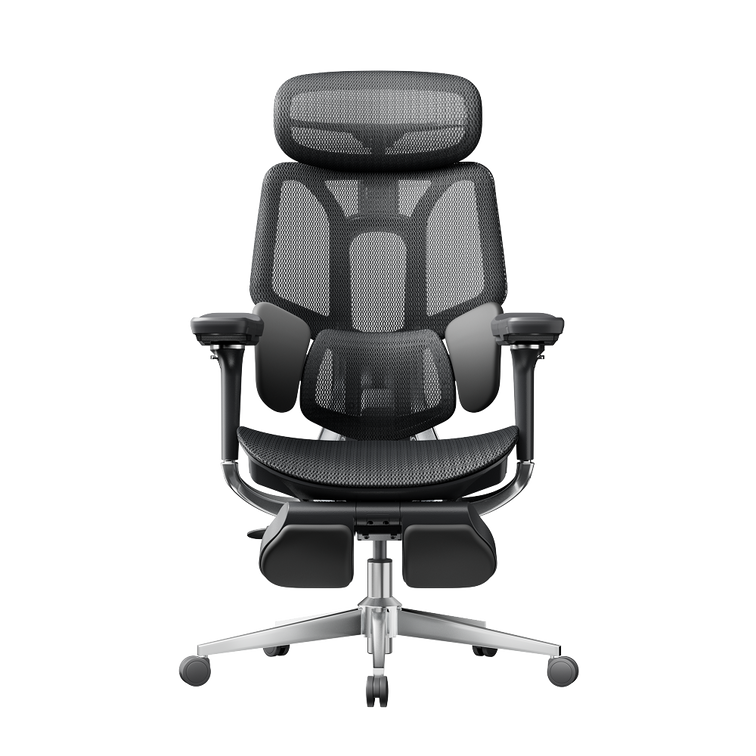
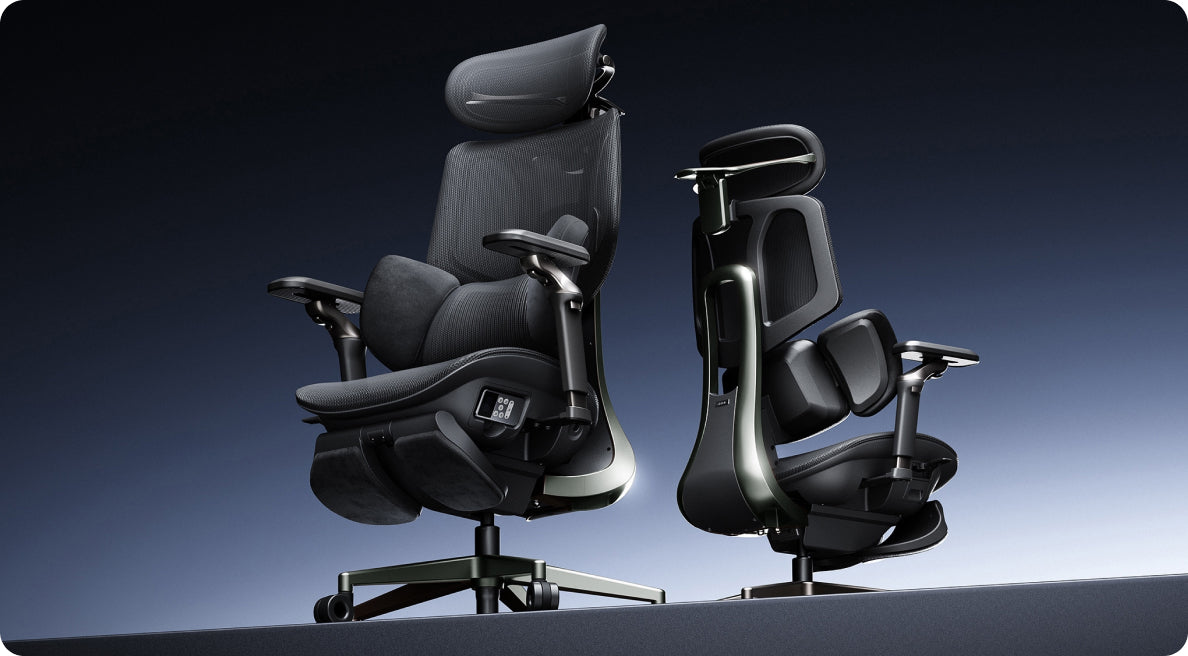
Sistemi mesh avanzati come il Tecnologia CloudMesh della serie HBADA E3 uso tessitura elastica a 4 vie la mesh si allunga in tutte le direzioni (non solo da sinistra a destra), creando una superficie conformante che mantiene comunque il supporto strutturale. Questo è diverso dalla mesh a direzione singola (che può risultare instabile) o dalla schiuma tradizionale (che offre supporto ma nessun flusso d'aria attivo). CloudMesh offre un flusso d'aria circa l'83% migliore rispetto alla mesh standard e raggiunge una conformità simile alla memory foam senza il problema termico.

Mesh vs Cuscini in Schiuma — I dati a confronto

Misurazione diretta da ricerche ergonomiche e di scienza dei materiali:

Metrico

Cuscini in Schiuma Spessa

Mesh Standard

Mesh Avanzata (CloudMesh)

Dissipazione del calore (temperatura della superficie del sedile dopo 4 ore)

35–37°C (calore intrappolato)

31–33°C (raffreddamento attivo)

29–31°C (flusso d'aria ottimizzato)

Recupero della compressione (% di ritenzione dopo 12 mesi)

60–70% (affossamento significativo)

92–98% (affossamento minimo)

95–99% (recupero quasi completo)

Pressione ischiale di picco (mmHg, più basso = migliore)

78–85 mmHg

68–75 mmHg

60–70 mmHg (con supporto lombare)

Durata (uso giornaliero di 8 ore fino a perdita del 50% di compressione)

18–24 mesi

5–7 anni

7–10+ anni (durabilità certificata)

Crescita batterica (CFU/cm² dopo 6 mesi di utilizzo)

150.000–300.000 (alta umidità)

50.000–100.000 (trappola di umidità ridotta)

25.000–50.000 (flusso d'aria attivo)

Costo per anno di utilizzo affidabile

150–250 $/anno (sedia da 300 $ ÷ 18-24 mesi)

70–120 $/anno (sedia da 400 $ ÷ 5-7 anni)

50–80 $/anno (sedia da 500 $ ÷ 7-10+ anni)


Queste metriche provengono da ricerche ergonomiche e di scienza dei materiali pubblicate, inclusi studi sul degrado della schiuma (rivista Polymer Testing, 2021–2023) e sulla mappatura della pressione ischiatica (Clinical Biomechanics, 2022). La cifra della "durata" si basa sul punto in cui la perdita di compressione del cuscino raggiunge il 50% — la soglia in cui gli utenti segnalano una perdita di supporto evidente.


Come la rete ha cambiato il comfort per due utenti diversi

Caso di studio A: Marcus T. — Il problema del calore e della compressione

Marcus T., 34 anni, Senior DevOps Engineer e streamer part-time (1,88 m, 134 kg). Marcus ha usato sedie da ufficio economiche con cuscini in schiuma densa per due anni. Dopo 6 mesi in ogni sedia, la schiuma ha sviluppato impronte permanenti a forma del corpo nella zona ischiatica, e le sue cosce posteriori si sentivano "pizzicate" a mezzogiorno ogni giorno a causa della perdita di altezza del cuscino. La schiuma compressa intrappolava anche il calore, l'area del sedile si sentiva calda e umida nel pomeriggio, creando un ambiente favorevole alla crescita di batteri e funghi che causavano irritazioni cutanee persistenti.

Quando Marcus è passato al HBADA E3 Pro Edizione 2026 con tecnologia CloudMesh per il sedile, sono emersi tre miglioramenti: (1) il rete elastica a 4 vie ha mantenuto il recupero della pressione in ogni posizione, indipendentemente da quante volte si spostasse, il sedile si sentiva solido come il primo giorno, (2) il flusso d'aria attivo ha mantenuto l'area del sedile 4–5°C più fresca anche durante sessioni di streaming di 10 ore, eliminando l'umidità pomeridiana e l'irritazione cutanea, e (3) il supporto lombare integrato con mappatura della pressione ha distribuito il suo corpo da 134 kg in modo efficiente senza i picchi di pressione ischiatica elevata che aveva sperimentato con la schiuma.

Caso di studio B: Elena R. — Il problema del microclima in una corporatura minuta

Elena R., 28 anni, Graphic Designer da remoto e Lifestyle Blogger (1,55 m, 50 kg). La corporatura più piccola di Elena ha creato un problema diverso con la schiuma: l'imbottitura spessa progettata per corporature medie (90–115 kg) era troppo rigida sotto il suo carico di pressione inferiore. La schiuma non si comprimava abbastanza per distribuire il peso, quindi sentiva punti di pressione sulle tuberosità ischiatiche. Inoltre, la schiuma non traspirante intrappolava il calore corporeo sotto di lei, creando un microclima localizzato che faceva sudare visibilmente la parte bassa della schiena dopo 4–5 ore.

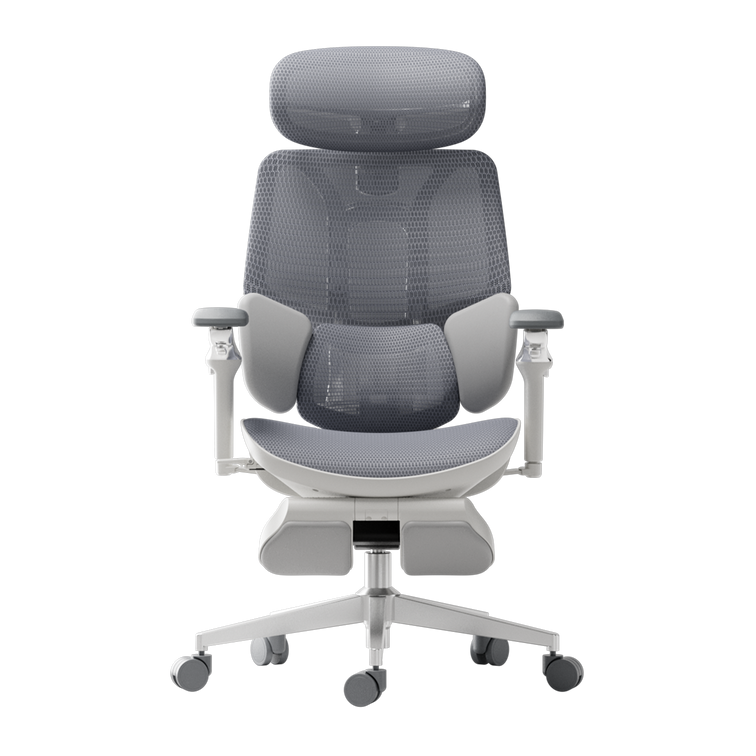
Con il Sedia ergonomica intelligente HBADA AI-Powered X7 e il suo sedile ventilato in rete con raffreddamento attivo, Elena ha ottenuto due benefici chiave: (1) il design della rete reattiva alla pressione si è adattata al suo corpo da 50 kg senza eccessiva compressione, distribuendo il peso in modo uniforme su una superficie più ampia ed eliminando i suoi punti di pressione, e (2) il flusso d'aria continuo attraverso la trama della rete ha prevenuto l'accumulo di calore nel microclima, la sua schiena è rimasta asciutta durante le sessioni di progettazione di 8 ore, e l'effetto rinfrescante ha anche ridotto la stanchezza pomeridiana tipicamente causata dall'accumulo di calore.

I benefici per la salute dei cuscini per sedili in rete — oltre il comfort

Il passaggio dalla schiuma alla rete non riguarda solo la sensazione, ma ha risultati misurabili sulla salute e sulla produttività.

Ulcere da pressione e salute della pelle

La pressione prolungata sui tessuti molli riduce il flusso sanguigno. Per i lavoratori d'ufficio, le tuberosità ischiatiche sono la zona a rischio principale. Pressioni sostenute superiori a 75 mmHg aumentano il rischio di danni ai tessuti profondi; pressioni inferiori a 60 mmHg permettono un normale flusso capillare. I sedili in rete che mantengono la pressione massima ischiatica tra 60 e 70 mmHg riducono il carico di danni ai tessuti che la schiuma (tipicamente 78–85 mmHg) accumula nel tempo. L'uso prolungato di sedili in schiuma ad alta pressione contribuisce a borsiti ischiatiche e dolori coccigei — condizioni che colpiscono il 10–15% dei lavoratori d'ufficio cronici.

Regolazione termica e funzione cognitiva

L'accumulo di calore sotto i glutei crea un "microclima del sedile" che aumenta la temperatura corporea centrale di 0,5–1,0°C durante una giornata lavorativa completa. L'aumento della temperatura centrale attiva risposte autonomiche di dissipazione del calore (sudorazione, aumento della frequenza cardiaca) che consumano risorse cognitive e aumentano la percezione della fatica. Le ricerche sul comfort termico e la cognizione mostrano che mantenere la temperatura della pelle entro 0,5°C rispetto al valore basale migliora la durata della concentrazione e riduce gli errori da affaticamento decisionale dell'8–12%. I sedili in rete che prevengono l'accumulo termico supportano direttamente le prestazioni mentali pomeridiane.

Allineamento spinale e postura a lungo termine

I cuscini in schiuma che sviluppano depressioni permanenti posizionano le tuberosità ischiatiche in modo asimmetrico, inclinando il bacino e alterando l'allineamento spinale. Nel corso dei mesi, questo compromesso posturale contribuisce a dolori miofasciali e squilibri di pressione sui dischi. I sedili in rete che mantengono una distribuzione uniforme della pressione nella zona ischiatica supportano un posizionamento pelvico costante, permettendo ai sistemi di supporto lombare (come il Supporto Lombare Elastico a 3 Zone nelle sedie ergonomiche avanzate) di funzionare come previsto, seguendo le vertebre L1–L5 senza contrastare l'inclinazione pelvica asimmetrica.

Quale tecnologia per sedili dovresti scegliere?

Il scienza del comfort del sedile indica una risposta chiara: mesh supera la schiuma spessa in ogni misura obiettiva — dissipazione del calore, recupero dalla compressione, distribuzione della pressione e durata a lungo termine. Il passaggio dalla schiuma alla rete non è una moda; è un'evoluzione ingegneristica supportata da dati biomeccanici.

• Siedi più di 8 ore al giorno: la rete è imprescindibile. Un HBADA E3 Pro con design CloudMesh a 4 vie offre la dissipazione del calore e il recupero della pressione che prevengono l'affaticamento pomeridiano e il degrado posturale causati dalla schiuma.

• Sei minuta o una persona leggera: Il HBADA AI-Powered X7 con rete reattiva alla pressione si adatta alla tua forma senza eccessiva compressione e offre l'effetto rinfrescante che mantiene la schiena asciutta.

• Dai priorità alla salute a lungo termine rispetto al risparmio a breve termine: una sedia in rete costa 50–100 dollari all'anno per un decennio. Curare il dolore posturale e l'affaticamento termico causati dalla schiuma costa molto di più.

Smetti di scendere a compromessi su comfort del sedileLa tecnologia che sostituisce la schiuma non è solo più morbida; è progettata per la salute umana. I dati lo confermano. Il tuo corpo lo sentirà.

Domande frequenti

Qual è la differenza tra cuscini per sedie in rete e in schiuma?

I cuscini in schiuma assorbono la pressione nel materiale e si comprimono permanentemente sotto carico — perdono il 15–25% della loro capacità di supporto ogni anno con un uso standard in ufficio. Tecnologia del sedile in mesh usa una sospensione elastica che distribuisce la pressione in tempo reale e recupera oltre il 95% del supporto originale indefinitamente. La schiuma trattiene il calore (la superficie del sedile raggiunge 35–37°C dopo 4 ore); il mesh permette un flusso d’aria attivo e si stabilizza a 29–31°C. La schiuma si deteriora in 18–24 mesi; il mesh di qualità dura 7–10 anni.

Perché ora le sedie da ufficio usano il mesh invece della schiuma?

La ricerca biomeccanica e dei materiali mostra che mesh offre vantaggi misurabili in ogni parametro che interessa ai professionisti dell’ergonomia: pressione ischiale massima (60–70 mmHg contro 78–85 mmHg), controllo termico, recupero dalla compressione e durata. La tecnologia cuscini per sedili in mesh riduce anche l’affaticamento pomeridiano, elimina l’irritazione cutanea causata dal calore e supporta meglio l’allineamento spinale rispetto alla schiuma. Il cambiamento non è marketing — è ingegneria che risponde ai dati.

Il mesh è meno confortevole della schiuma?

No. Il mesh con sospensione elastica adeguata risulta più di supporto della schiuma perché mantiene la sua forma attraverso milioni di cicli di compressione. La schiuma inizialmente è morbida ma si degrada in una superficie piatta e scomoda in pochi mesi. Il mesh risulta reattivo e conforme per tutta la sua durata. La maggior parte degli utenti riferisce maggiore comfort dopo la prima settimana, mentre il mesh si adatta al corpo offrendo un supporto fermo sotto.

Cos’è la tecnologia CloudMesh?

CloudMesh è una trama elastica a 4 vie che si allunga in tutte le direzioni (non solo da sinistra a destra) e presenta canali di flusso d’aria ottimizzati. Offre un flusso d’aria circa l’83% migliore rispetto al mesh standard a direzione singola e raggiunge una sensazione simile alla schiuma memory senza il problema del calore o della degradazione da compressione. Sedie come la Serie HBADA E3 usa CloudMesh per combinare comfort con gestione termica attiva.

Quanto durano i cuscini per sedili in mesh?

Qualità tecnologia del sedile in mesh (certificati SGS o conformi a BIFMA) durano 5–10+ anni con un uso quotidiano di 8 ore. Progettazioni avanzate come CloudMesh raggiungono una durata di 7–10 anni perché la trama elastica mantiene il recupero dalla compressione indefinitamente — non c’è un "assestamento" permanente come nella schiuma. Il costo annuo su quella durata è di 50–100 $, più economico che sostituire una sedia in schiuma ogni 18–24 mesi.

I cuscini in mesh possono essere troppo rigidi?

Sì, il mesh senza una corretta sospensione elastica può risultare rigido. La soluzione non è una schiuma più spessa, ma una migliore progettazione: uno strato di supporto elastico (molle, rete elastica o zone flessibili) che offre conformità senza degradazione dovuta alla compressione. I sedili in mesh progettati correttamente si sentono come schiuma memory di alta qualità ma senza i problemi di calore o durata. Cerca sedie che specifichino sospensione elastica o supporto a zona flessibile, non solo "mesh."
Prodotto rilevante

Potrebbe piacerti anche

HBADA Certifications, Independent Testing and Global Patent Portfolio HBADA Certifications, Independent Testing and Global Patent Portfolio HBADA documents product credibility through model-specific IGR ergonomic certificates, SGS and SMQ test reports, regional electrical and electromagnetic compliance records, battery transportation documentation, and more than 100 supplied patent and design references covering whole chairs and key components.   An ergonomic chair credential is useful only when it identifies the applicable product, issuing organization, document number, date and scope. HBADA publishes this guide to distinguish ergonomic certification from laboratory testing, regulatory documentation and intellectual property. The documents described on this page do not all prove the same thing. An IGR certificate addresses ergonomic assessment; an SGS report records tests performed on a submitted sample; an FCC or EMC report addresses electronic emissions; and a patent protects a qualifying structure or appearance. What credentials does HBADA document? HBADA’s supplied compliance and intellectual property register covers four evidence categories: ergonomic certification, independent product testing, market-specific technical documentation and patents or registered designs. Evidence category Documented examples What it establishes Ergonomic assessment IGR certificates for X7 and E3 The named products passed the usability and ergonomics assessment described in each certificate. Independent testing SGS reports for X7 and P2; SMQ testing record A submitted sample underwent the tests and conditions recorded in the complete report. Technical compliance FCC, ICES, EMC, RoHS, UN 38.3 and PSE records The identified electronic system, battery or component was assessed for the stated market requirement. Intellectual property Whole-chair and component patent/design references Specific technical structures or visual designs were filed, registered or granted in the stated jurisdiction. Are the HBADA X7 and E3 ergonomically certified? Yes. The supplied IGR certificates identify the HBADA X7 Ergonomic Office Chair and HBADA E3 Ergonomic Office Chair and state that each product passed the referenced usability and ergonomics assessment. Both certificates are dated July 23, 2024. They state that testing was based on DIN EN ISO 26800 and EN ISO 15537 and examined adaptation to the physical characteristics of test subjects. · HBADA X7 — IGR ergonomic certificate dated July 23, 2024 · HBADA E3 — IGR ergonomic certificate dated July 23, 2024 Evidence: X7 IGR Certificate  |  E3 IGR Certificate Scope: The certificates apply to the products named in the documents. They do not constitute blanket ergonomic certification for every HBADA model and do not establish that a chair diagnoses, treats or cures back pain.   What do the HBADA SGS reports show? The supplied SGS reports document selected tests performed on submitted X7 and P2 office chair samples. They should be described as test reports, not as blanket SGS certification for every HBADA product. Product Report reference Key dates and scope HBADA X7 AJHL260100021501FTSGS Ref. NBHL2601000791SD Received Jan. 12, 2026; tested Jan. 12–Feb. 3, 2026; report dated Feb. 4, 2026; selected tests requested by the applicant. HBADA P2 AJHL260100049301FT Received Jan. 21, 2026; tested Jan. 21–Feb. 12, 2026; sample described as Office Chair, Style No. P2. Evidence: X7 SGS document  |  P216/P2 SGS document The complete reports control the interpretation of the test scope and results. Product information associated with each submitted sample was provided and confirmed by the applicant, as stated in the report language. What SMQ test documentation is recorded? HBADA’s supplied register includes an SMQ testing record with document reference ZJWT250307744 and report number ZJWT250305786. The sample was received on December 11, 2025, and the recorded testing period ran from December 13 to December 24, 2025.   What X7 electrical and electronic documents are available? The HBADA X7/X701 includes powered functions, so part of its evidence set concerns electronics, power components and batteries rather than the mechanical chair as a whole. Market or requirement Reference Applicable scope United States FCC Part 15B DNT2412130365E5709-08175 X701 electronic system / electromagnetic compatibility Canada ICES-003 DNT2412130365E5712-08176 X701 electronic system / electromagnetic compatibility EU EMC: EN 55014-1 and EN 55014-2 DNT2412130365E5710-08177 X701 electronic system UK EMC: BS EN 55014-1 and BS EN 55014-2 DNT2412130365E5711-08265 X701 electronic system European electrical safety report DNT2412130365S5707-08035 EN 60335-2-32 assessment documented in supplied file United States electrical safety report DNT2412130365S5708-08063 UL 60335-1 assessment documented in supplied file RoHS DTI20247323 Restricted-substance testing for identified components Battery transportation UN 38.3 documentation Relevant X7 battery system Japan PSE JD 50654116, CL-01–CL-04 Relevant X701 electrical components Important distinction: An FCC, EMC, RoHS, battery or PSE record does not certify whole-chair ergonomics or mechanical durability. Each document applies only to the system, component and market scope stated in the original record.   How extensive is HBADA’s chair patent portfolio? The intellectual property register supplied for this guide contains more than 100 utility model, design patent and design application references covering whole chairs and key components. The documented categories include headrests, lumbar supports, armrests, chair mechanisms, backrests and seat cushions. Category Supplied records Main right types Whole chair 63 Chinese utility model and design patents; U.S. and Japanese design applications; EU design references Headrest 5 Chinese utility model and design patents Lumbar support 5 Chinese utility model and design patents Armrest 14 Chinese utility model and design patents Chair mechanism / chassis 7 Chinese utility model and design patents Backrest 8 Chinese utility model and design patents; U.S. design applications Seat cushion 4 Chinese utility model patents One supplied whole-chair reference is labeled for the United Kingdom but uses a U.S. 29-series design application format. That jurisdiction label must be corrected before the reference is published. What does a chair patent prove? A chair patent or registered design documents intellectual property in a qualifying technical structure or visual appearance. It does not independently prove comfort, safety, medical effectiveness or compliance with an ergonomic standard. · Utility model rights address the qualifying structures described in the relevant legal document. · Design rights address qualifying aspects of product appearance. · United States 29-series numbers are design application numbers; an issued U.S. design patent uses a number beginning with D. · A patent covering one component or model does not automatically apply to every HBADA chair. · Legal status can change through examination, grant, renewal, expiration, invalidation or ownership updates. How can a customer verify an HBADA credential? Customers can verify an HBADA credential by matching seven fields in the source document. 1. Confirm the product or sample name. 2. Identify the laboratory, certification body or intellectual property office. 3. Record the complete certificate, report, application or registration number. 4. Check the issue date, sample receiving date and testing period. 5. Read the exact test or certificate scope. 6. Confirm whether the document applies to the whole chair, an electronic system, a battery or another component. 7. Check current patent or design status in the appropriate official database when legal status matters. Frequently asked questions Is every HBADA chair IGR certified? YES.  Is an SGS test report the same as SGS certification? No. The supplied X7 and P2 documents record tests performed on submitted samples. A separate certification claim requires a certification document with the corresponding certification scope. Does FCC documentation certify the entire X7 chair? No. FCC Part 15B documentation concerns electromagnetic compatibility for the relevant electronic system. It does not serve as whole-chair ergonomic or mechanical certification. Does HBADA hold patents for individual chair components? Yes. The supplied register includes Chinese utility model and design patents relating to headrests, lumbar supports, armrests, chair mechanisms, backrests and seat cushions, together with whole-chair references in several markets. Where can HBADA documents be reviewed? Selected IGR and SGS documents are linked in this guide. Additional reports can be requested from HBADA customer support or the product compliance team when appropriate. Evidence-based product information HBADA presents certification, testing, compliance and intellectual property as separate forms of evidence. Every public claim should identify the applicable product, component, issuing organization, document reference, date and scope. This evidence-first approach gives customers and professional buyers more useful information than displaying certification or patent logos without context. Appendix A — Supplied patent and design reference register This appendix preserves the identifiers supplied for editorial preparation. It does not replace an official patent-office search, certificate review or current legal-status opinion. Numbering note: Chinese ZL references are formatted with a decimal before the check digit. U.S. 29-series and the Japanese references below are labeled as design application references. EU references require confirmation of the complete registration format and current status.   A1. Whole-chair references Type  Reference China — utility model ZL202321756789.4; ZL202220814428.X; ZL202120213863.2; ZL201921477685.3; ZL202322768141.5 China — design ZL202330120841.6; ZL202330045654.6; ZL202230518564.X; ZL202230363589.7; ZL202130220750.0; ZL202130247913.4; ZL202130153376.7; ZL202030748642.6; ZL202030469580.5; ZL202030327296.4; ZL202030330065.9; ZL201930645157.3; ZL201930361331.1; ZL201930457524.7; ZL201930370805.9; ZL201930289157.4; ZL201930134652.8; ZL201730468330.8; ZL201730290748.4; ZL201730142297.X; ZL201730051627.4; ZL201630498740.2; ZL201530411532.X United States — design applications 29/784,770; 29/784,769; 29/782,689; 29/799,447; 29/636,931; 29/714,308; 29/714,309; 29/743,269; 29/743,273; 29/744,949; 29/744,183; 29/745,097; 29/745,443 European Union — design references 015017815; 015011720; 009174535; 009073067; 008598387; 008525224; 008491096; 007271226 Japan — design applications 2023-002460; 2022-017615; 2022-013943; 2023-007509; 2021-014524; 2021-008208; 2021-009540; 2021-009542; 2018-026495; 2019-024932; 2019-024933; 2020-014721; 2020-014722 Held for jurisdiction correction US29/767,194 was supplied with a UK label; do not publish until the jurisdiction and grant status are confirmed.   A2. Headrest references Type  Reference China — utility model ZL202223349967.X China — design ZL202330315668.5; ZL202130215226.4; ZL201930472193.4; ZL201730348617.7   A3. Lumbar support references Type  Reference China — utility model ZL202321353504.2; ZL202222166953.8; ZL202220587124.4; ZL202120896604.4 China — design ZL202130214267.1   A4. Armrest references Type  Reference China — utility model ZL202321352007.0; ZL201920743369.X; ZL201920648475.X; ZL201821605331.8; ZL202322797049.1 China — design ZL202230730853.6; ZL202030748667.6; ZL201930644825.0; ZL201930368432.1; ZL201930230425.5; ZL201830525722.8; ZL201730329542.8; ZL201730165869.6; ZL201730062458.4   A5. Chair mechanism / chassis references Type Reference China — utility model ZL202222680773.1; ZL202120026805.9; ZL202222680749.8; ZL202221236743.5; ZL201821690458.4; ZL202323333217.8 China — design ZL201730416736.1   A6. Backrest references Type Reference China — utility model ZL202321336719.3; ZL202322701610.1 China — design ZL201730348506.6; ZL201730107882.6; ZL201730052156.9 United States — design applications 29/636,925; 29/618,910; 29/618,911   A7. Seat cushion references Type Reference China — utility model ZL202320859544.8; ZL202121221957.0; ZL202121223476.3; ZL202322634828.X   Appendix B — Pre-publication evidence checklist · ☐ Confirm that each linked certificate is publicly accessible and belongs to the named model. · ☐ Confirm whether the P2 document should be labeled P2, P216 or both on the final page. · ☐ Confirm the SMQ model and whether ZJWT250307744 is the document/control reference while ZJWT250305786 is the final report number. · ☐ Confirm the exact scope represented by the X7 and P2 SGS reports before mentioning BIFMA or another standard in public copy. · ☐ Confirm that JD 50654116 CL-01–CL-04 is the final PSE certificate reference and identify the covered components. · ☐ Replace each U.S. 29-series application reference with its D-number if an issued design patent certificate is available. · ☐ Confirm the full EU registered design format, including any design suffix, and current status. · ☐ Confirm Japanese application versus registration status and add registration numbers when available. · ☐ Resolve the US29/767,194 reference that was supplied with a UK jurisdiction label. · ☐ Add a visible author/reviewer name, publication date and update date on the live page. · ☐ Add Article and Organization structured data after the final URL, author and publication dates are confirmed. Appendix C — Source links HBADA X7 IGR Certificate — https://cdn.shopify.com/s/files/1/0552/3626/4128/files/X7_IGR_Certificate.pdf?v=1759114357 HBADA E3 IGR Certificate — https://cdn.shopify.com/s/files/1/0552/3626/4128/files/E3_IGR_Certificate.pdf?v=1759114356 HBADA X7 SGS document — https://cdn.shopify.com/s/files/1/0552/3626/4128/files/X7_SGS_CERTIFICATE.pdf?v=1759114357 HBADA P216/P2 SGS document — https://cdn.shopify.com/s/files/1/0552/3626/4128/files/P216_SGS_CERTIFICATE.pdf?v=1759114357 USPTO application-number guidance — https://www.uspto.gov/web/offices/pac/mpep/s503.html USPTO patent-number format — https://www.uspto.gov/patents/apply/applying-online/patent-number CNIPA explanation of CN and ZL identifiers — https://www.cnipa.gov.cn/jact/front/mailpubdetail.do?sysid=12&transactId=497521 HBADA Guide: How to Remove an Office Chair Gas Cylinder (2026) HBADA Guide: How to Remove an Office Chair Gas Cylinder (2026) If your office chair continues to drop to the floor, cannot maintain its height or simply wobbles a bit, the issue is likely the gas cylinder. The fortunate part is that you don't have to purchase a new chair. You just need to remove office chair gas cylinder and pop in a new one. Obviously it sounds like a hassle to you, right? It's not because most of the people knock it out at home in less than 30 minutes. This HBADA guide walks you through exactly how to remove office chair gas cylinders, step by step.  Why You Might Need to Remove Office Chair Gas Cylinder Before we begin the steps let's discuss why this occurs. The component of your chair that allows you to adjust the seat up or down is a gas cylinder. Over time, with daily use, it can wear out. Here are some of the more common indications it is time to remove office chair gas cylinder: Warning Sign What It Means Chair slowly sinks while sitting Nitrogen pressure is leaking from the cylinder Height lever doesn't respond Internal valve mechanism has worn out Hissing sound when you sit down Active gas leak inside the cylinder Chair feels loose or unstable Seal or seat plate connection has degraded Seat won't lock at your preferred height Locking valve is failing to hold pressure If you face any of these, you don't have to worry. This is a frequent problem, and it's easy to correct if you know the steps to take. In fact, our own team has covered why chairs start sinking and how HBADA addresses cylinder longevity if you want a deeper engineering explanation.  What You'll Need Before You Start You don't need a toolbox full of gear for this. The majority of people already have everything at home. Here's a simple list: Tool Purpose Pipe wrench or large adjustable wrench Grips and loosens the seat plate from the cylinder Rubber mallet or regular hammer Taps the cylinder loose from the base Block of wood Protects the chair base from dents during tapping Work gloves Protects hands from sharp seat plate edges A helper (optional) Holds the base steady while you work That's really it. You won't need any power tools. It's largely a matter of leveraging and a little patience. Step-by-Step: How to Remove Office Chair Gas Cylinder Let's now delve into the actual steps. Take your time with each one, and don't rush the process. Step 1: Flip the Chair Upside Down Make sure to flip your chair over so the base is facing up. Place it on a soft surface such as a rug, towel or cardboard in order not to scratch your floor. The position allows you to get access to the base and cylinder below the seat. Step 2: Locate the Gas Cylinder Look at the middle of the chair base. You'll see a long metal tube connecting the base to the seat. That tube is the gas cylinder. It is typically wrapped in a plastic sleeve (which you might have to push down or take off first). Step 3: Secure the Base Before you go any further, you need to keep the base from spinning. Have someone else hold the base still or keep the base down with your knees. If you are alone, you may also push the base against a wall or against a solid object. Step 4: Use the Wrench for Leverage This is the main step in the whole process. Wrap your pipe wrench or adjustable wrench around the top of the cylinder just below the cylinder's connection to the seat plate. Hold securely and twist as you pull the wrench towards yourself. The wrench is used as a lever, and coupled with a pull downward, it should begin to loosen the seat plate from the cylinder. Step 5: Separate the Seat from the Base If the seat plate is beginning to loosen, it is generally possible to remove it by hand. If it persists, tap lightly on the surrounding of the seat plate with the mallet holding the wrench in hand. This helps to unplug without harming the components. Step 6: Remove the Cylinder from the Base Now flip your attention to the bottom of the chair. The cylinder can be tight and will not fall down in the base if friction holds it up. Tap the block of wood against the base, close to the cylinder, with a hammer. Evenly work around edges rather than blaming one area too much. The cylinder should slide out after a couple of taps. Step 7: Clean the Base and Seat Plate Wipe down the inside of the base and seat plate mount prior to installing a new cylinder. Over time dust and old grease can accumulate, and a clean surface can aid in correct installation of the new part. Installing a New Gas Cylinder When the old cylinder is taken out successfully, inserting a new cylinder is a lot easier. Just place the new cylinder over the hole in the base and press it down until it clicks into place. Then place the seat plate on top of the cylinder and push down firmly until it locks as well. Flip the chair back over, and test the height adjustment lever to make sure everything works smoothly. Common Mistakes to Avoid Although the procedure is straightforward, there are a few minor details that can make the process more difficult than it has to be: Skipping the wood block: Hitting the metal base directly with a hammer can dent or crack it. Never use any other material as a buffer.  Rushing the twist and pull motion: You may slip and injure your hand, if you pull too fast without twisting. Go slow and steady. Not securing the base: If the base spins during the operation on the base, it is just a waste of energy and will be a source of frustration. Always stabilize it first. Forgetting gloves: The edges of the seat plate can be sharp, so wearing gloves will protect hands during the process.  Can You Safely Remove Office Chair Gas Cylinder Off By Yourself? Yes, it is a safe activity for most to do at home. Gas cylinders are sealed and filled up with gas, but they are designed for regular usage and not to pose a risk. Just so long as you don't prick or squeeze the cylinder open with sharp objects, you're in good shape. Simply continue to twist, pull and tap as mentioned above. However, if your chair is visibly damaged, rusted or the cylinder is leaking, it is best to stop and get advice from a professional or contact HBADA support. When Should You Replace the Cylinder Instead of Repairing It? There is very little that can be done to repair a gas cylinder that is lost. The best thing to do when you notice your chair losing stability or when it is sagging is to remove the office chair gas cylinder and install a new cylinder. It is also impractical to attempt patching or refilling a used cylinder, or replace parts, which are readily available and inexpensive. Final Thoughts Knowing how to remove office chair gas cylinder is a useful tip that will help you save time and money. You don't need to replace your entire chair if just one part is the problem. In no time at all, you'll find that your chair is working again with only a wrench and a mallet, and a little patience.  This is one reason why our chairs at HBADA are designed to be easy to maintain, making it easy to keep tasks like this simple and stress-free. Should you encounter any problems along the way, our assistance team is at your service.  FAQs 1. What is the best way to remove office chair gas cylinder without using any special tools?  A simple pipe wrench or adjustable wrench, and a rubber mallet will be used. These tools are in most homes so there's no need to purchase anything special. 2. Do I find it difficult to do on my own?  Not really. Obviously, it requires a certain amount of strength and patience, but it is a pretty straightforward process that most people can do by themselves without having to seek professional assistance.  3. How long does it take to remove office chair gas cylinder?  It takes approximately 15 to 30 minutes, depending on the tightness of the parts and if you have some help. 4. Can I remove the old cylinder then reuse it?  When a gas cylinder is under pressure it normally cannot be reused if it is leaking or if the pressure has dropped. This is to have it replaced with a new one.  5. What happens if the cylinder does not slide out of the base?  Tap evenly around the base with a wood block and hammer. Don't strike one place too forcefully and be sure the chair is stable as you work.  6. Are HBADA replacement cylinders easy to install?  Yes, HBADA cylinders are designed to fit standard chair bases, so installation is quick once you've removed the old part. Can Office Chairs Explode? The Truth About Gas Cylinder Safety Can Office Chairs Explode? The Truth About Gas Cylinder Safety You sit down, lean back, and a strange thought lands: can office chairs explode? It sounds like an internet myth, yet a few real incidents have made headlines. The honest answer is that a genuine office chair explosion is extremely rare, and it almost never happens with a properly certified chair. The risk lives inside one part, the gas cylinder, and gas cylinder safety comes down to build quality, certification and how you treat your chair. This guide separates fact from fear, shows you the warning signs, and explains how our chairs are engineered to remove the risk.  So, Can Office Chairs Really Explode? Here is the straight answer. Yes, an office chair explosion is possible, but only in rare cases involving a faulty or counterfeit gas lift cylinder, and the odds of it happening with a certified chair are vanishingly small. Across millions of chairs in daily use, only a handful of verified incidents have been reported worldwide in the last two decades. Every documented case traces back to the same root cause: a cheap, uncertified pneumatic cylinder that was never built to a recognised safety standard. How an Office Chair Gas Cylinder Actually Works To judge the risk, you need to understand the part. The gas lift cylinder, also called a gas spring, is the sealed metal tube that raises and lowers your seat. It works on a few simple principles: • It is pneumatic, not hydraulic. • It is filled with compressed nitrogen gas, an inert gas that will not combust. • When you pull the lever, a valve releases nitrogen to raise or lower the seat. • The gas is sealed inside thick steel rated well above normal working pressure. A quality cylinder that ages does not burst. It slowly loses pressure, which is why an old chair starts to sink rather than fail with a bang. Myth vs Fact: Office Chair Explosions Most of the fear online comes from half-truths. Here is what holds up, and what does not. Myth Fact Any office chair can blow up at random. Certified chairs with nitrogen-filled cylinders do not spontaneously explode under normal use. Gaming chairs are more dangerous than office chairs. They use the same gas lift mechanism. Build quality, not chair category, decides safety. The gas inside is flammable. Quality cylinders use inert nitrogen gas, which cannot ignite. A sinking chair is about to explode. Sinking signals a slow pressure leak, not a blast. It is a repair cue, not a danger alarm. Heat will make your chair detonate. Extreme heat can stress a weak, low-grade cylinder over time. A certified cylinder is rated for normal indoor temperatures. What Actually Causes a Gas Cylinder to Fail? When an office chair gas cylinder does fail catastrophically, the cause is almost always preventable. A short list of factors accounts for nearly every reported case: • Substandard manufacturing: thin, low-grade steel that cannot contain normal pressure. • The wrong gas: some cut-price makers fill cylinders with compressed air instead of nitrogen gas. Air carries oxygen and moisture, which corrode the seal and raise burst risk. • Overloading: exceeding the rated weight capacity stresses the internal components. • Prolonged heat: leaving a chair in direct sun or beside a radiator expands the gas and fatigues weak materials. • DIY tampering: opening or trying to deflate a cylinder is dangerous and a leading cause of accidents. • Age and wear: seals degrade over many years, so an unmaintained cylinder is more likely to leak. Documented Incidents The cases that fuel the headlines are real but isolated. Reported incidents, including a 2009 case in Shandong, China, and a separate injury reported in 2013, both involved low-cost chairs that were never certified to a recognised standard. In nearly every account, investigators pointed to inferior cylinders filled with compressed air rather than sealed nitrogen. The lesson is consistent: the danger sits with uncertified hardware, not with the technology itself. Warning Signs Your Gas Lift May Be Failing Your chair will usually warn you long before anything goes wrong. Act on these signs early: • A hissing or leaking sound from the cylinder. • A seat that sinks on its own and will not hold height, the classic sinking chair. • Visible cracks, rust or dents on the metal tube. • Wobbling, popping or grinding when you adjust the height. If you notice any of these, stop using the chair and replace the gas lift cylinder or the chair. Never try to open or refill the cylinder yourself. How We Engineer the Risk Out of Every Chair Safety should be designed in, not hoped for. Here is how our chairs remove the variables that cause failure: • Every HBADA chair ships with a BIFMA-certified gas cylinder, tested to the highest Class 4 gas lift grade for pressure resistance and durability. • Our cylinders use sealed, high-purity nitrogen gas inside thickened, explosion-proof steel, never compressed air. • Components are validated by independent laboratories including SGS and TUV Rheinland, and every chair passes over 100,000 cycle tests. • Each model carries a 5-year warranty, so a weakening cylinder is replaced, not endured. For heavier users and long shifts, the BIFMA-certified gas lift engineering of the HBADA E3 Pro 2026 Edition pairs an anti-sinking Class 4 gas lift with a steel-reinforced chassis and our 3-Zone Elastic Lumbar Support. If you want active, sensor-driven support, the AI lumbar-tracking design of the HBADA X7 Smart Ergonomic Chair tracks your spine in real time while resting on the same certified, explosion-proof cylinder platform. Feature HBADA E3 Pro 2026 Edition HBADA X7 Smart Ergonomic Chair Best for Heavy-duty use and long shifts Active AI support and all-day precision Gas lift Anti-sinking Class 4, BIFMA-  certified Class 4, BIFMA-certified Lumbar support 3-Zone Elastic Lumbar Support AI lumbar-tracking, auto-adjusting Frame Steel-reinforced chassis Reinforced ergonomic frame Recline Up to 140 degrees Dynamic, posture-following Safety testing SGS, TUV, 100,000+ cycle tests SGS, TUV, 100,000+ cycle tests Warranty 5 years 5 years Real Users, Real Results Specifications matter most when you can see them solve a real problem. Here are two very different users and how the right chair fixed their pain. The Heavy-Duty Home Worker Callum H., 34, is a senior DevOps engineer and part-time streamer in Manchester (188 cm, 134 kg). He had been through three budget office chairs in two years. The foam compressed flat, the cheap cylinders kept failing under his 10-plus-hour shifts, and a constant sinking chair left him with lower back numbness. He switched to the HBADA E3 Pro 2026 Edition. The anti-sinking Class 4 gas lift and steel-reinforced chassis gave him a rock-solid base, while the 3-Zone Elastic Lumbar Support adapted as he leaned in to type or reclined to 140 degrees to rest, spreading his weight without sagging. The Petite Professional Hannah W., 28, is a remote graphic designer and lifestyle blogger in Bristol (155 cm, 50 kg). Standard chairs were built for an average male frame, so the lumbar pad sat too high, her feet could not rest flat, and wide armrests left her elbows floating. She set up the HBADA X7 Smart Ergonomic Chair instead. Using the 60mm seat-depth adjustment, she removed the under-thigh pressure, and the 720-degree bionic armrests rotated inward to cradle her arms as she sketched on her iPad, easing the shoulder tension she had carried for years. How to Prevent an Office Chair Explosion Prevention is simple, and almost entirely in your hands. Work through this checklist: 1. Buy certified. Choose chairs with BIFMA or SGS-tested, Class 4 gas lift cylinders. 2. Respect the limit. Stay within the weight capacity printed on your chair. 3. Keep it cool. Avoid direct sun and radiators. 4. Inspect quarterly. Check for cracks, rust or hissing. 5. Never tamper. Do not disassemble or refill the gas lift cylinder yourself. 6. Replace early. Swap a failing cylinder promptly rather than working through it. The Safety Standards That Actually Matter If you check only one thing before buying, check the certification. In the UK, the benchmark is BS EN 1335, the European standard for office work chairs, with BS EN 1335-2:2018 setting the safety, strength and durability requirements. For global durability, look for ANSI/BIFMA X5.1, the North American performance standard for general-purpose office chairs. Independent labs such as SGS and TUV verify these claims, so a credible chair carries a test report, not just a marketing badge. Which HBADA Chair Should You Choose? So, can office chairs explode? Yes, in rare cases, but the right chair makes it a non-issue. Match the chair to your body and your hours: • Choose the HBADA E3 Pro 2026 Edition if you are a heavier user, sit for long shifts, or want maximum stability from a steel-reinforced, anti-sinking build. • Choose the HBADA X7 Smart Ergonomic Chair if you want AI lumbar-tracking and fine, body-specific adjustment. Either way, you get a BIFMA-certified, explosion-proof gas cylinder, independent lab testing and a 5-year warranty. That is what real gas cylinder safety looks like. Pick the fit that suits you, and stop worrying about the cylinder. Frequently Asked Questions Quick answers to the questions people ask most. Can office chairs explode? Yes, but it is extremely rare. A true office chair explosion almost always involves a cheap, uncertified gas lift cylinder filled with compressed air instead of sealed nitrogen. Among millions of chairs in use, only a handful of verified incidents have been reported in twenty years. A certified chair with a Class 4, BIFMA-tested cylinder is not at meaningful risk. Buy certified, respect the weight limit, and you can sit with complete confidence. Why do office chair gas cylinders explode? Failure usually comes down to build quality. Some low-cost makers use thin steel or fill the cylinder with compressed air rather than inert nitrogen, which corrodes the seal over time. Overloading past the weight capacity, prolonged heat from the sun or radiators, and DIY tampering all add stress. Age matters too, as seals degrade over time. Remove these factors with a certified cylinder and proper care, and catastrophic failure becomes a non-event. Are gas lift office chairs safe? Yes. Gas-lift office chairs are generally safe when they meet recognised standards. The pneumatic cylinder uses inert nitrogen sealed inside thick steel that is rated well above normal working pressure, so it cannot ignite or burst under everyday use. Problems cluster around uncertified, bargain imports, not quality chairs. Look for BS EN 1335 or BIFMA testing and a Class 4 gas lift, and your chair will protect you for years. How do I know if my office chair cylinder is failing? Your chair gives clear warnings. Listen for a hissing or leaking sound, and watch for a seat that sinks on its own and will not hold height. Check the metal cylinder for cracks, rust or dents, and notice any wobbling, popping or grinding when you adjust the height. Any of these means the gas lift cylinder is wearing out. Stop using the chair, and replace the cylinder or the chair. Never open or refill it yourself. Can a sinking office chair be dangerous? A sinking chair is annoying rather than explosive. Slow sinking signals a gradual nitrogen leak, meaning the cylinder is losing pressure rather than building toward a blast. Even so, do not ignore it. A worn cylinder can drop suddenly and jolt your spine, and the underlying wear only gets worse. If your chair keeps sinking, replace the gas lift cylinder or upgrade to a certified chair with an anti-sinking Class 4 gas lift for a permanent fix.